

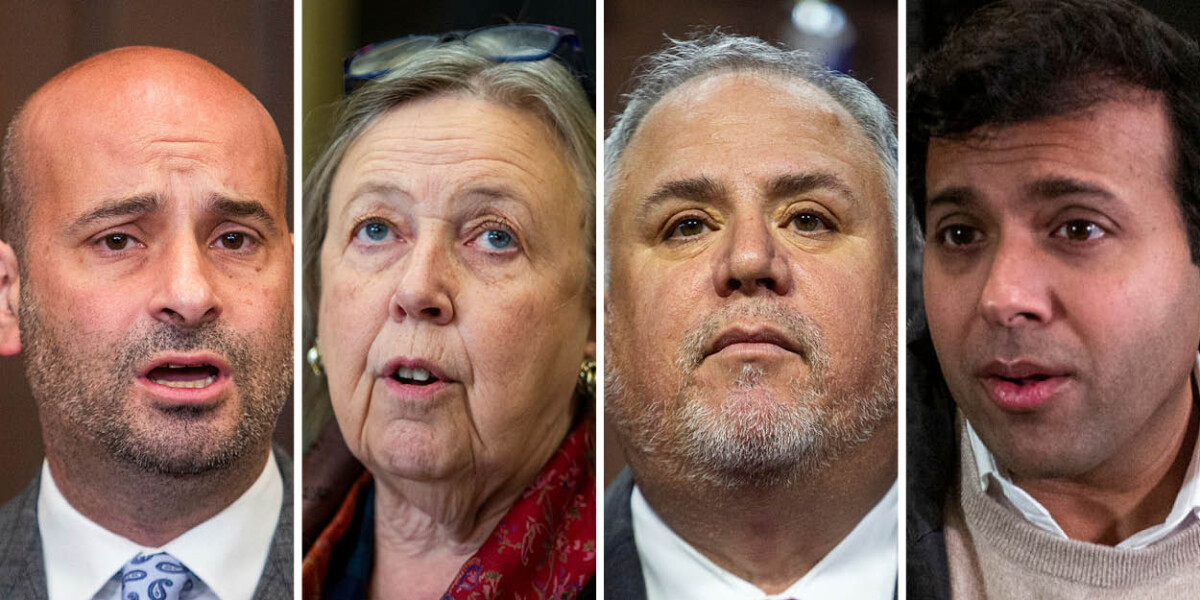
Green Leader Elizabeth May said she hopes David Eby is ‘punished’ by voters for his snap election call, Conservative MP Frank Caputo called the move ‘100 per cent opportunistic,’ while Liberal MP Taleeb Noormohamed said any premier has the right to call an election.
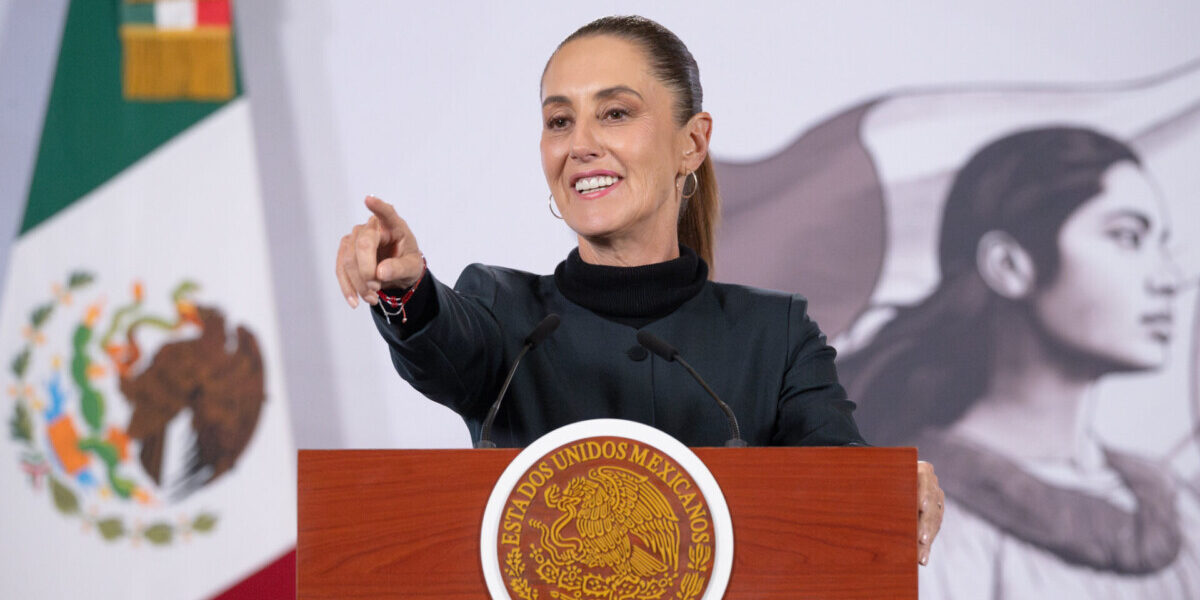
Mexico’s experience shows fair representation is hard to achieve, even with legislation. But it’s almost impossible without it because political parties control nominations.
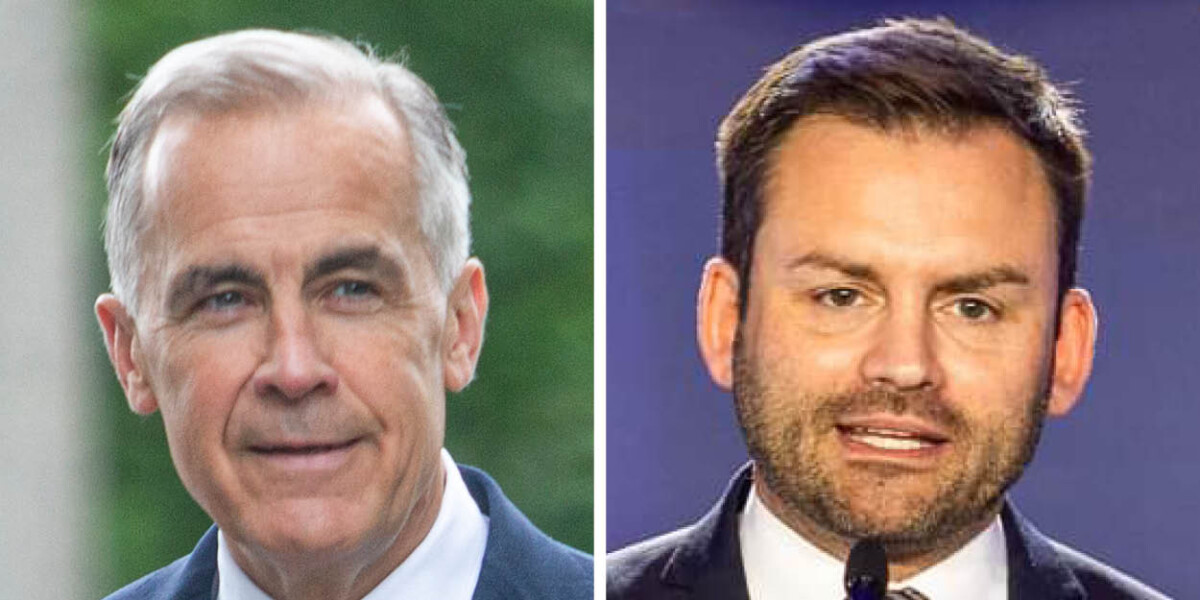
The Parti Québécois leader is trying to dodge recent comparisons to the federal Conservatives by emulating the winning campaign.
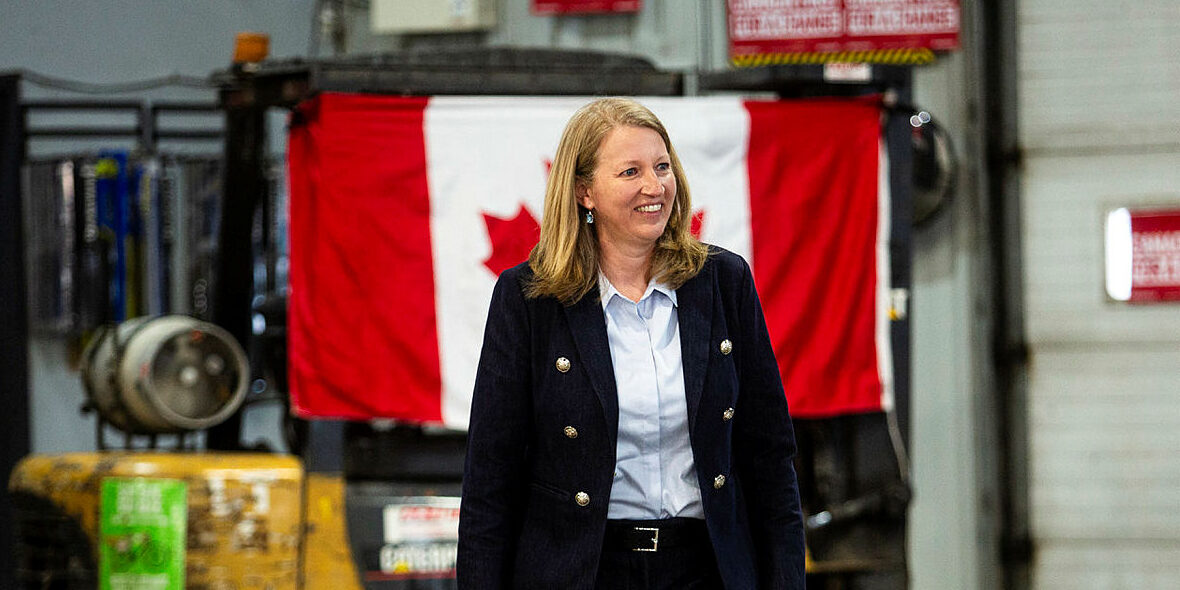
Barbara Bal is the candidate of record for Nepean, Ont. She lost the April 2025 election to Prime Minister Mark Carney, after he won nearly 66 per cent compared to Bal’s 33 per cent.
Along with a lack of bilingual voter information cards, there will be three French leaders’ debates, even though non-francophones have specific concerns related to language, health, education, and government services.

The only way to prevent floor crossing is for Parliament to pass legislation requiring MPs who switch parties to resign their seats and run again in a byelection, says former Conservative Senate leader and party president Don Plett.
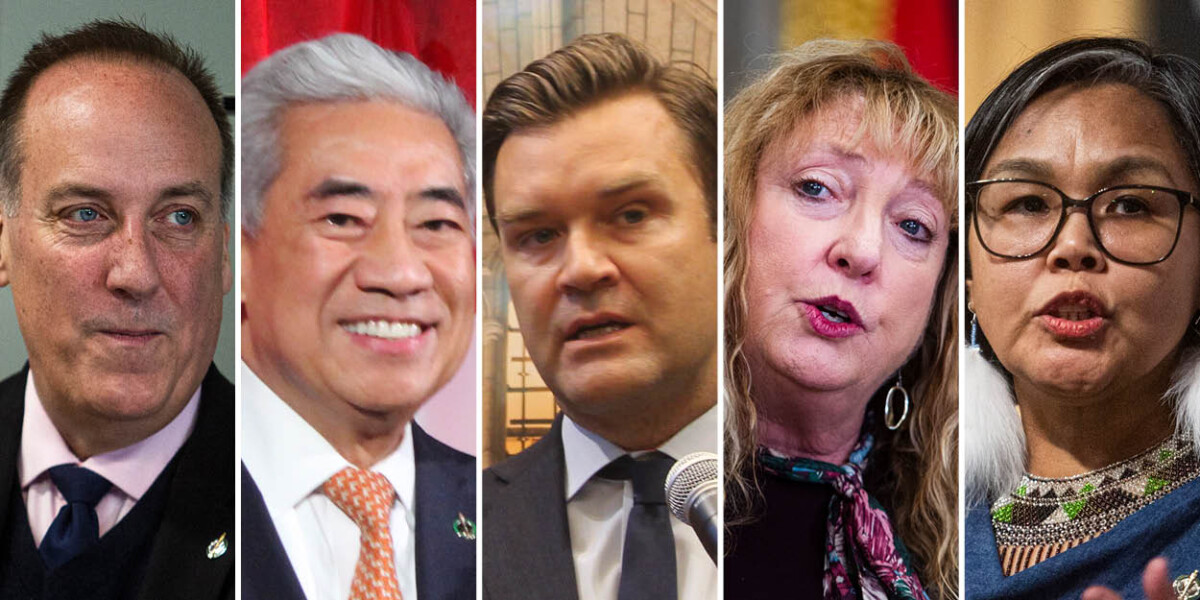
More than 100 civil servants have asked the Public Service Commission to run in local elections across the country this fall. Three local public servants spoke to The Hill Times about what inspired them to seek elected office.

The Liberals easily secured seats in all three contests, including the rural Conservative Quebec riding of Chicoutimi–Le Fjord, where the Tories placed third behind the Bloc Québécois.

Liberal nomination hopeful Joy O’Donnell says the riding of Brantford-Brant South-Six Nations is a ‘manufacturing community’ that needs a voice in the House during Canada-U.S. trade talks.

A McGill-led study finds trust in Elections Canada remains high overall, but researchers warn a deeper decline among right-wing and Conservative voters is a ‘signal of alarm’ for Canada’s democratic resilience.
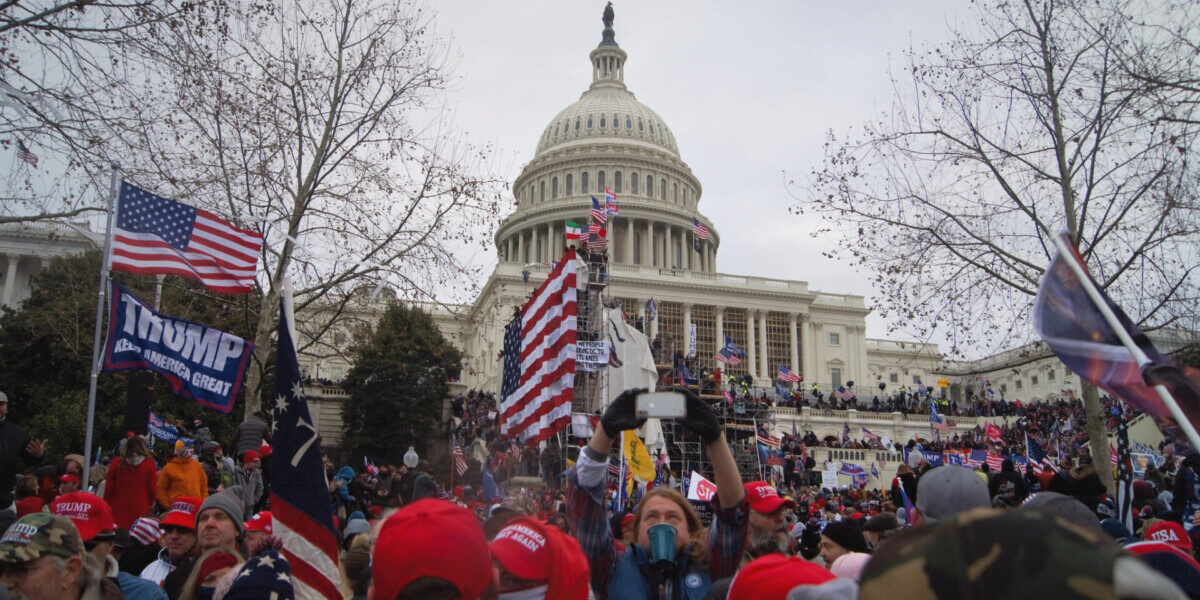
Strategist Cole Hogan called the ‘overly technical’ complaint a ‘frivolous’ response to pressure from the Conservative campaign outspending the Liberals 8-1 on online ads.

With nearly $324,000 in combined spending room versus the Bloc’s $99,000, the Conservatives need to triple-down on defending Chicoutimi–Le Fjord, says past party campaign manager Fred DeLorey.
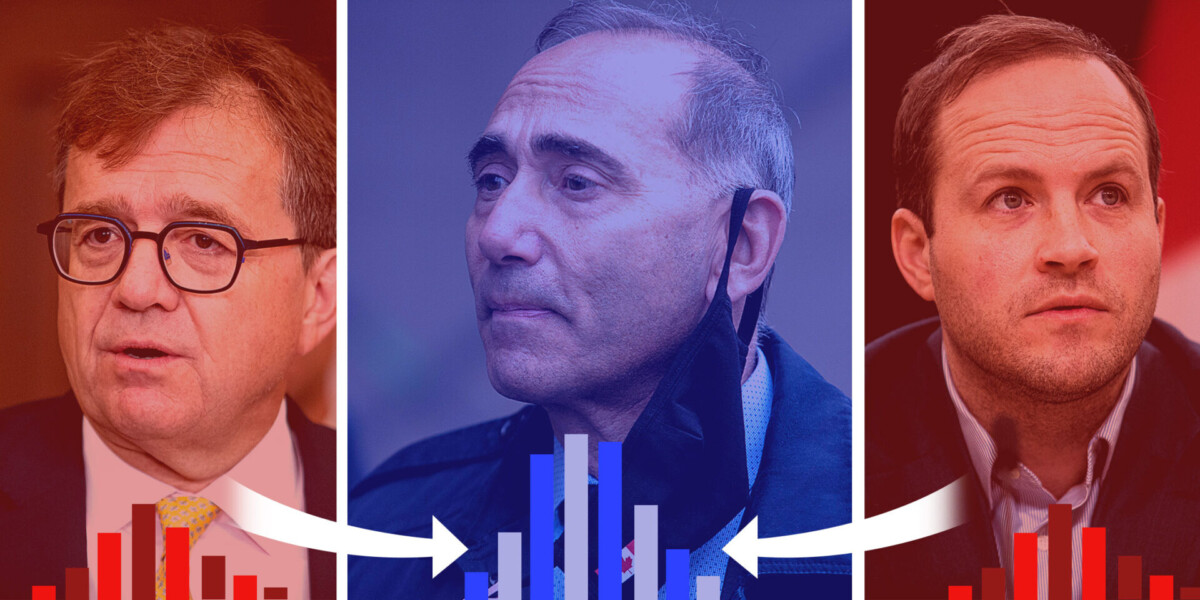
At a time when Canada is engaged in a trade war with the U.S., Canadians are standing behind Prime Minister Mark Carney, which is giving an edge to the governing party in the polls, says Darrell Bricker, CEO of Ipsos Public Affairs.

When the nomination period lasts only nine days, information is difficult to locate, and when the membership deadline coincides with the day the vacancy officially arose, meaningful participation becomes extraordinarily difficult.

Prime Minister Mark Carney has called the highest number of byelections in a short period since the 1950s—something strategists are putting down to ‘coincidence’ and a rapidly changing political sphere.
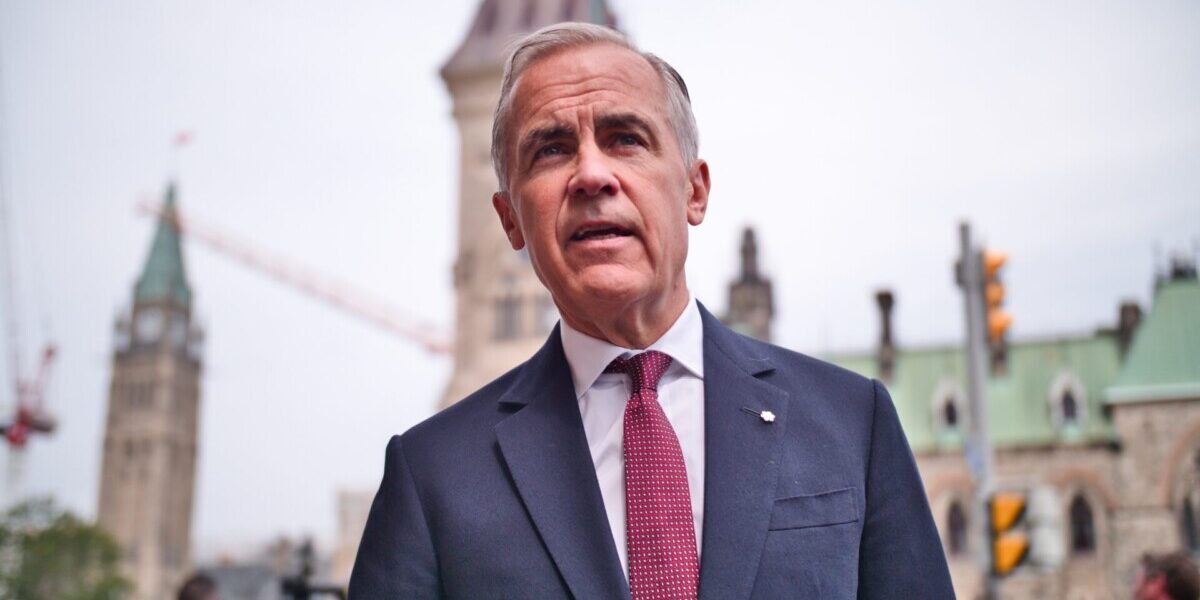
Three vacant ridings look like routine housekeeping. Read against Prime Minister Mark Carney’s year and half in office, and they look like something else.
Bill C-25 provides Commissioner of Canada Elections Caroline Simard, the enforcer of the Canada Elections Act, new authority to compel witnesses to provide testimony and demand documents for investigations without obtaining a judge’s warrant.

While the tight Quebec riding is far from a slam dunk, if the Liberals were to win, ‘it would really show that Carney has a lot of forward momentum in Quebec,’ says Dalhousie professor Lori Turnbull.

Failure in Quebec could cast the final die on Pierre Poilievre’s Conservative leadership.

Changes implemented the bill include making federal parties to submit privacy policies to the Canada’s Chief Electoral Office, but critics are argue there are still no meaningful restrictions on what the parties can do with the data they gather.

Bill C-25 clarifies or expands some of the existing prohibitions already in the Canada Elections Act, including certain types of false claims with the intent to undermine elections, according to political scientist Chris Tenove.

Some Conservatives are hoping the infighting between Leader Pierre Poilievre and prominent party members will ‘die in the high temperatures of July and the slow broil of summer,’ but others think it’s too deep and could be damaging for the leader.

Changes implemented by Bill C-25 mean candidate nomination and leadership contests are being approached with ‘a level of seriousness,’ says Aaron Shull with the Centre for International Governance Innovation.

Bill C-25, the Strong and Free Elections Act amends the Canada Elections Act with measures intended to combat election interference through foreign funding, as well as a ban on the use of deepfakes of candidates and election officials.

Bill C-25 modernized the Canada Elections Act with measures intended to guard against digital threats to elections, including artificial intelligence deepfakes and the potential for foreign interference through cryptocurrency donations.
