

Gerry Nicholls
Gerry Nicholls is a communications consultant.

Gerry Nicholls is a communications consultant.
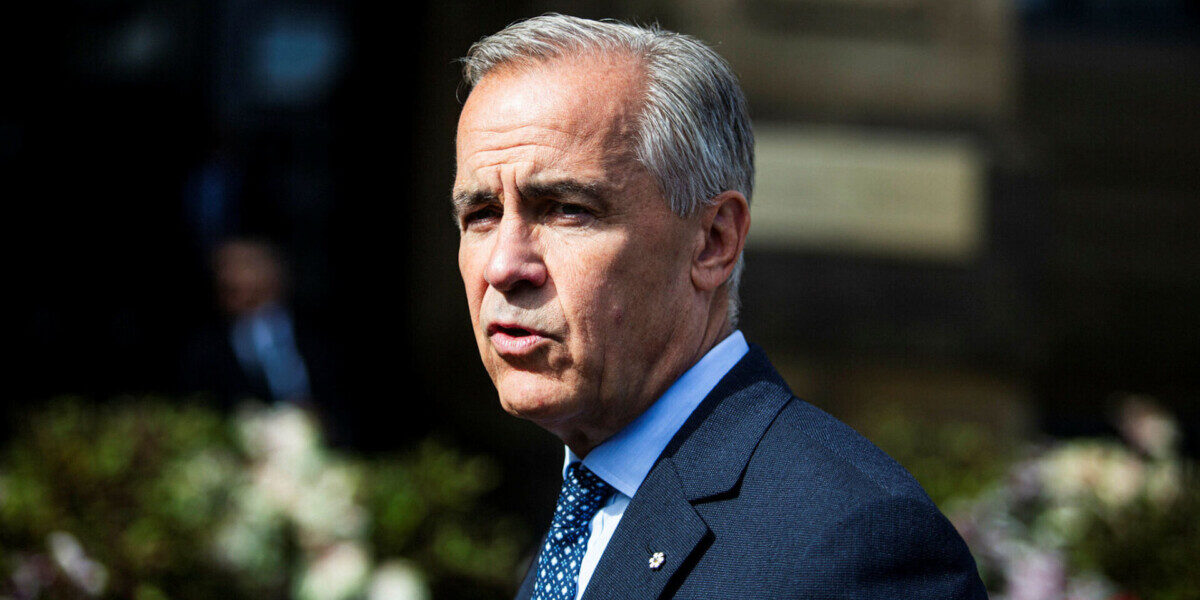
Rightly or wrongly, the public’s perception is that Mark Carney deserves credit for the good economic news, and in politics the perception of truth always trumps the actual truth.

Whatever most politicians usually do, the U.S. president will do the opposite. Trump is a political aberration, which means his actions can’t be predicted with any certainty. This is what makes him a true agent of chaos.
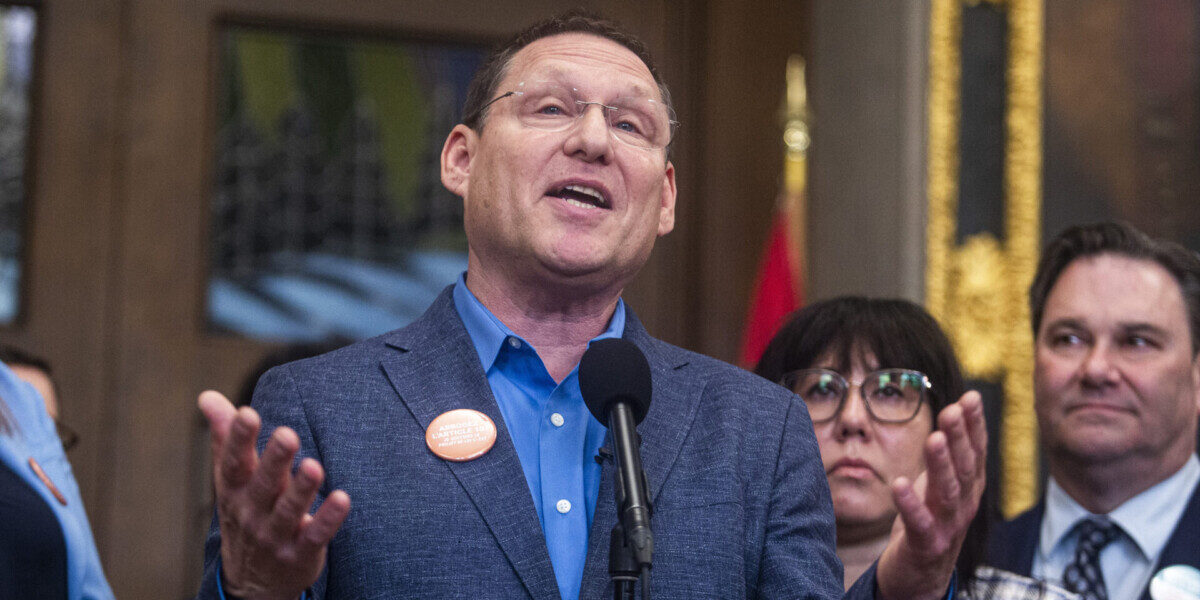
New Democrats must mainly focus on keeping their supporters energized and motivated, which won’t happen if the party suddenly dilutes its progressive principles and values.
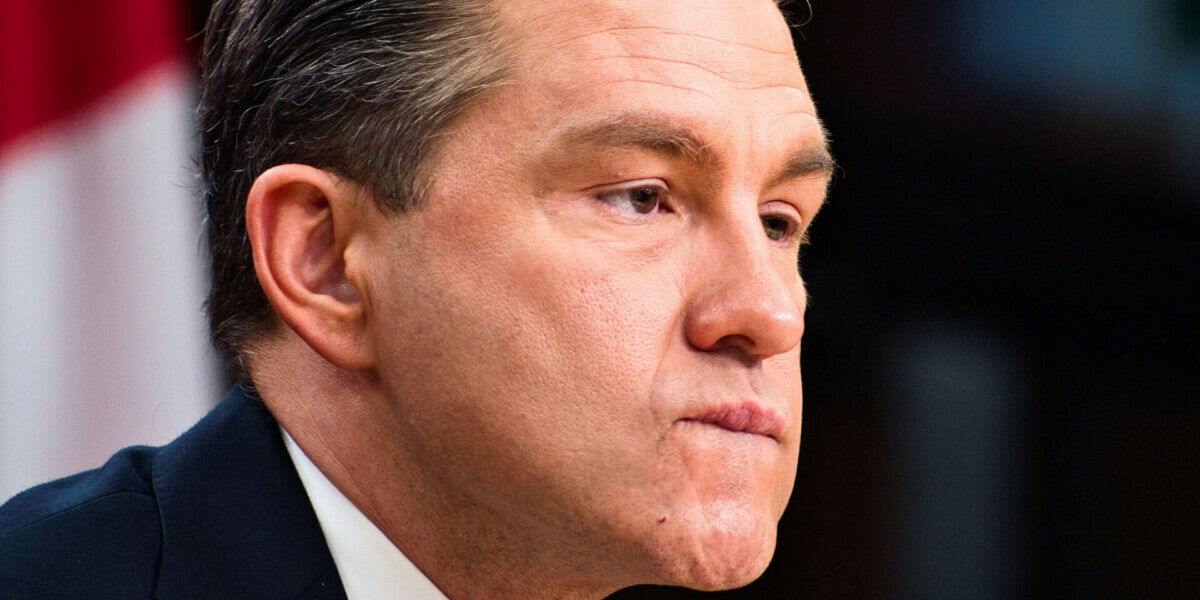
Yes, Pierre Poilievre and his Conservatives won the second quarter fundraising race. But the number of donation dollars coming in for the Conservatives has drastically dropped since the last quarter, and that is what the media and pundits have focused on.

The missionaries run think tanks and advocacy groups, which can come up with good policy ideas. The mercenaries, for their part, are experts in political combat. So, maybe they should just try to get along.
There are times when pollsters will ignore your answers. But don’t take it personally. It’s just how the business works.
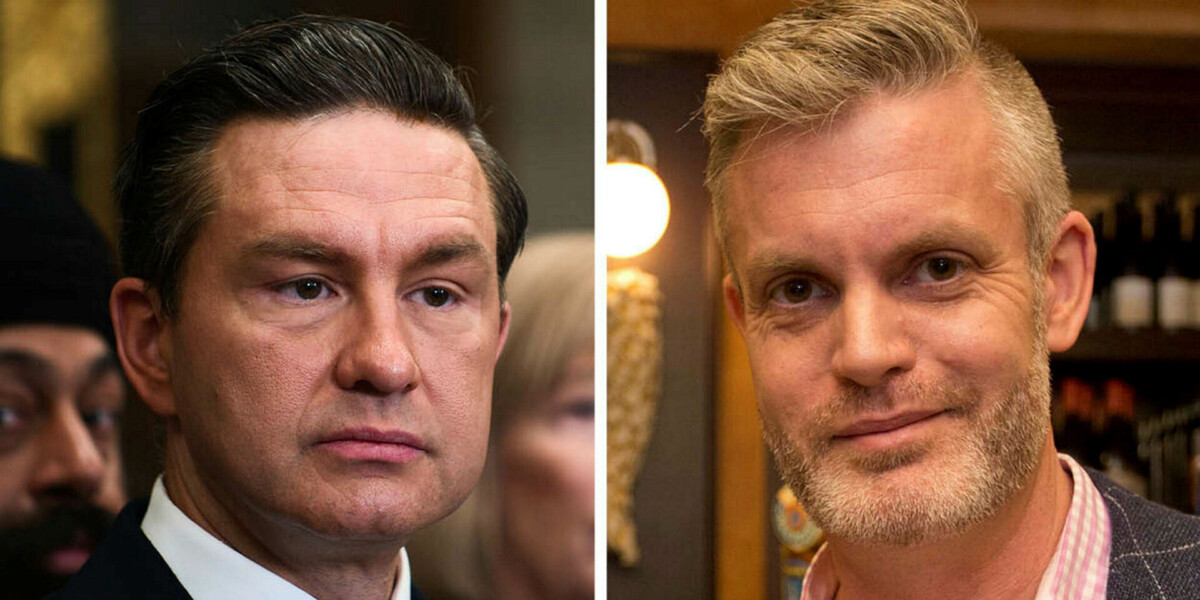
So who’s to blame for this political mess? Kory Teneycke or Pierre Poilievre? In my view, both men are at fault.

If the NDP is going to have long-term success, it’ll need to build its foundation on rock. This is something I think newly minted leader Avi Lewis understands.

Either, like Mark Carney, you define yourself, or, like Pierre Poilievre, you allow yourself to be defined. Poilievre has lost control of his own narrative, which is a recipe for bad publicity.

Despite the divisions within our country, Canada has remained intact and has flourished for 159 years. I think that’s because, amongst all the tribes in this country, there also exists a strong ‘Canadian tribe.’

I get what the Conservatives are doing, but the problem with their plan is that Pierre Poilievre’s image, as a tough political brawler, is, at this point, basically ingrained in the Canadian public’s consciousness. So why waste money designed to portray a softer Poilievre?

What would have happened if Justin Trudeau hadn’t announced his resignation in January of 2025? What if, despite his languishing in the polls and despite his general unpopularity at the time, Trudeau had, for whatever reason, decided to stick it out for at least a few more months?

Prime Minister Mark Carney, Conservative Party Leader Pierre Poilievre, and NDP Leader Avis Lewis will each be working hard over the summer as they all need to spend some quality time tending to the needs of their own respective political and ideological ecosystems.

Certain demographic groups have more influence on politicians and a greater impact on public policy decisions. One such group in Canada are seniors. Make no mistake; politicians of all political stripes seek to covet this group’s favour.

I’m not arguing Stephen Harper created Western alienation, nor that he pushed the idea of Alberta separatism. But he did help legitimize the notion that Alberta had to be the master of its own house. Isn’t the logical conclusion of that idea, separation?

When economic anxiety is strong, the environment on its own isn’t an issue that will drive support to the Green Party.