

Ken Rubin
Ken Rubin is an Ottawa-based investigative researcher and is reachable at kenrubin.ca.

Ken Rubin is an Ottawa-based investigative researcher and is reachable at kenrubin.ca.

The multi-decade information embargoes are a supreme slap in the public’s face to be unable to get such records in our lifetimes.
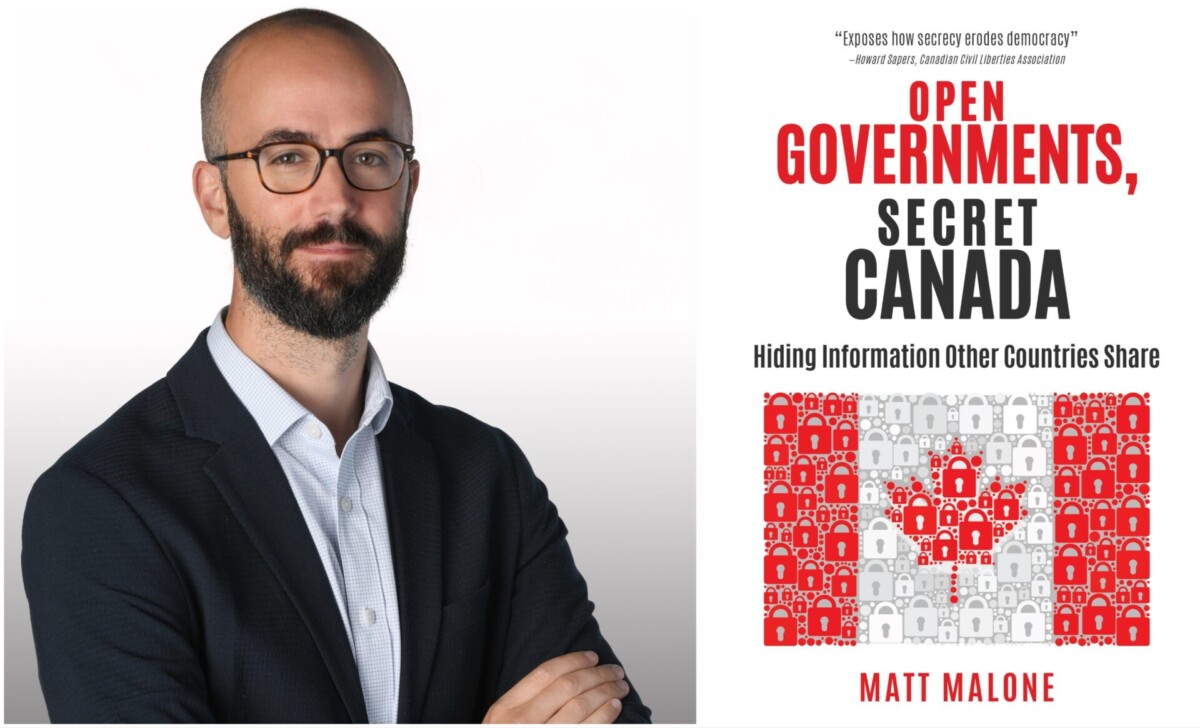
Other countries empower their ombud offices, but Canada typically appoints ‘tame, reluctant, risk-averse watchdogs with strong limitations on their funding,’ says author Matt Malone.

When it comes to sharing data—even with appointed outsiders—do not expect a two-way, out-in-the-open exchange.

A recent meeting with the deputy minister of National Defence demonstrates departments can benefit if they start listening to and working with—not against—information requesters.

Nothing illustrates the federal government’s approach to belittling public engagement better than its deliberate failure to meet the constitutional requirement to conduct prior consultation with its Indigenous partners on major projects.

Access-to-information stories about the historic property abound, but here are five of the best, with a sixth unfolding about the complicated costly redevelopment process getting underway.

Federal proposals may look good to insiders as efficiency measures, but they’re ultimate going to enable more privacy invasions and more secrecy.

If this much money is going to be spent, the home should be more reflective of Canada, open to tours and receptions, and the PM himself should be more open about his office.
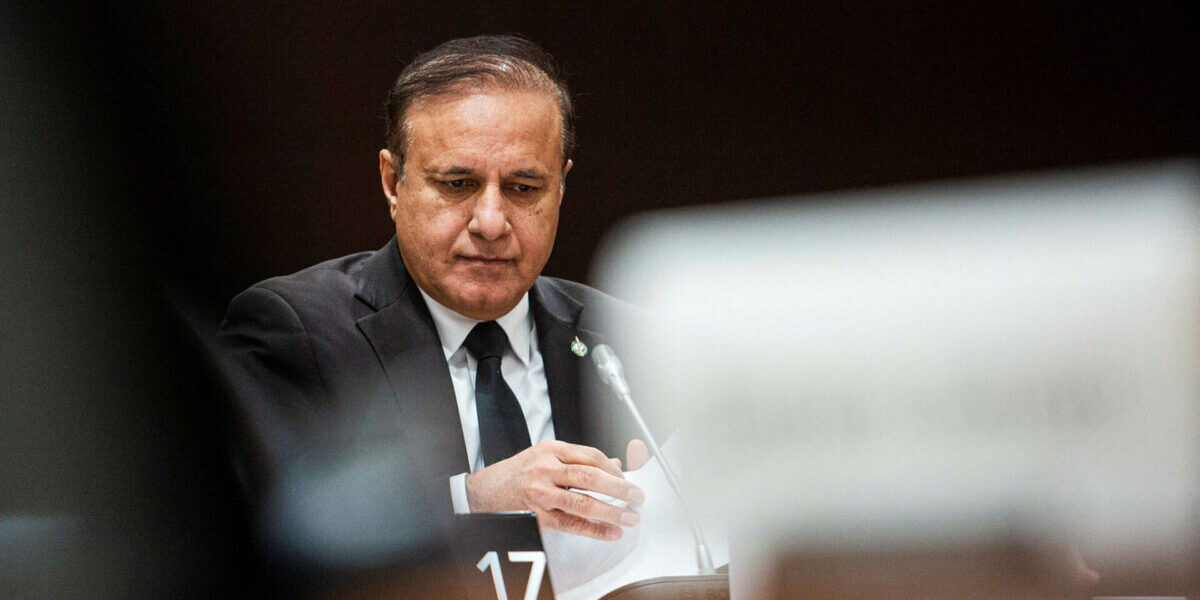
How ironic that worries about ‘irresponsible’ outside bot manipulators prevail when departments themselves are starting to massively use AI to ensure that less data is released to users.

The bill is more about political posturing while government grants businesses greater powers over our personal data, without enough meaningful restrictions.

Mark Carney has been busiest when creating new secrecy practices that hide some of the failings of this unproven image of being an economic powerhouse and wise multibillion-dollar spender guiding Canada to new economic and social heights.
The future may be a manipulative, systematically dysfunctional access-to-information system like that of the Department of National Defence.

The House Public Safety Committee has heard from 30 witnesses and received 40 submissions—with some delayed due to translation issues—as some critics complain chair Jean-Yves Duclos is moving too fast.

Health Canada operates more in the interest of drug, medical device, cosmetic, pesticide, tobacco, food, veterinarian, and hazardous product companies, and it’s hard to get information on this lobbying.

Access to crucial viral Ebola data has been denied for more than 12 years.

Nobody in Ottawa wants to guarantee records would be released in a timely fashion, let alone that historic records will be quickly declassified.