

Susan Riley
Susan Riley is a veteran political columnist and regular contributor to The Hill Times.

Susan Riley is a veteran political columnist and regular contributor to The Hill Times.
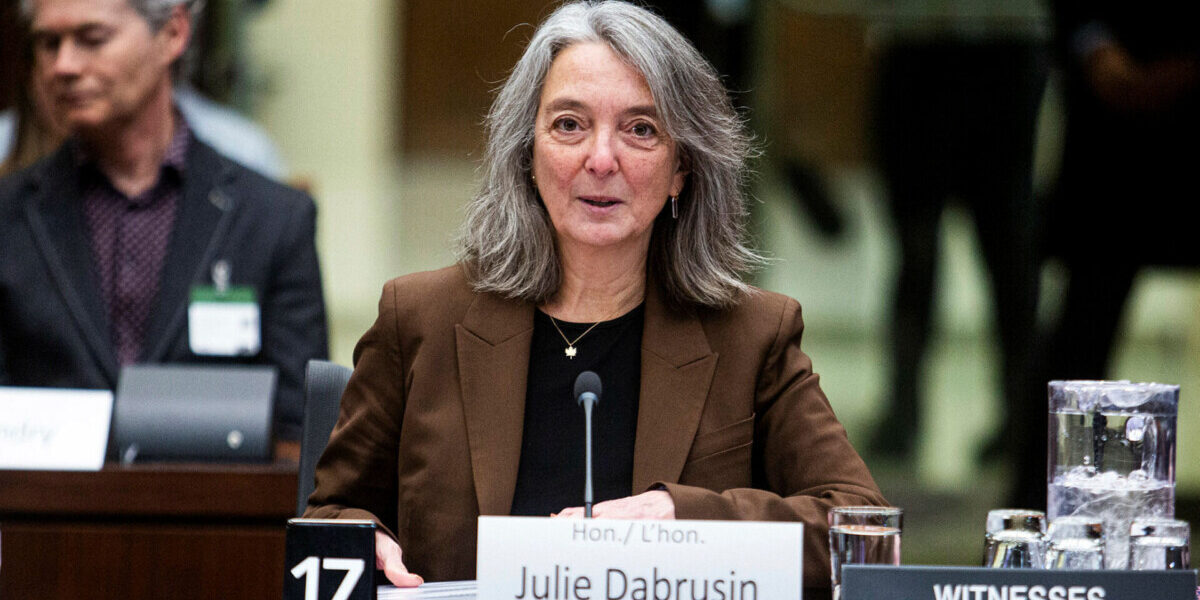
In the public sphere, at least, Julie Dabrusin is the weakest federal environment minister in recent memory; just what the prime minister ordered.
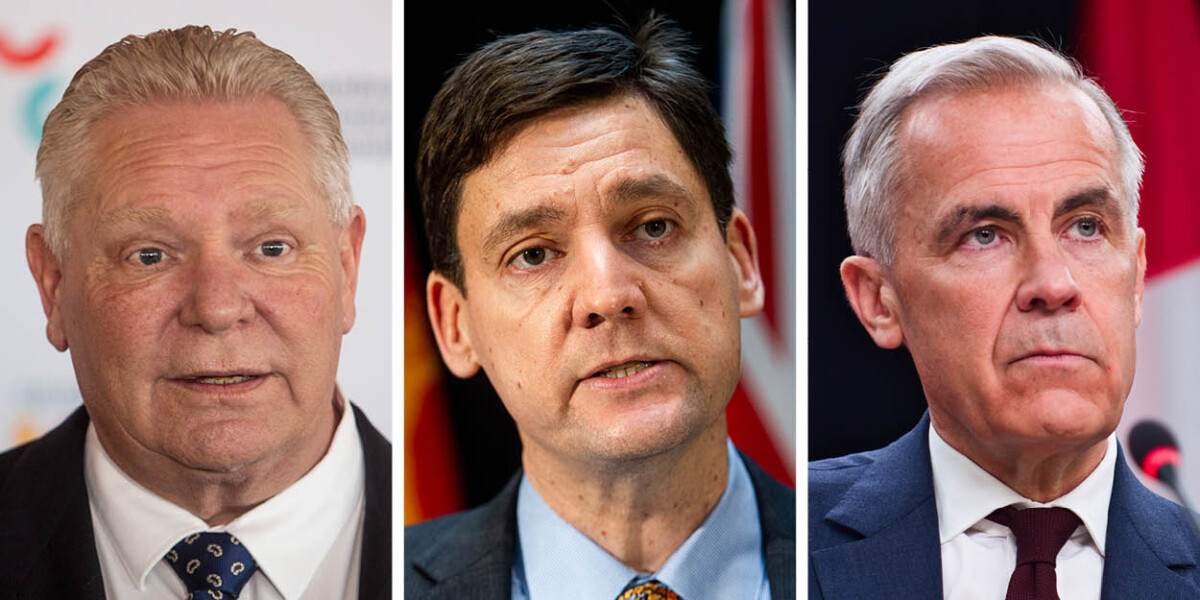
It has been heartening to see many of Canada’s politicians park their ideological differences for the greater national good. Voters will long remember those who tried to exploit the crisis for their own gain, and those who grabbed an oar and started rowing.
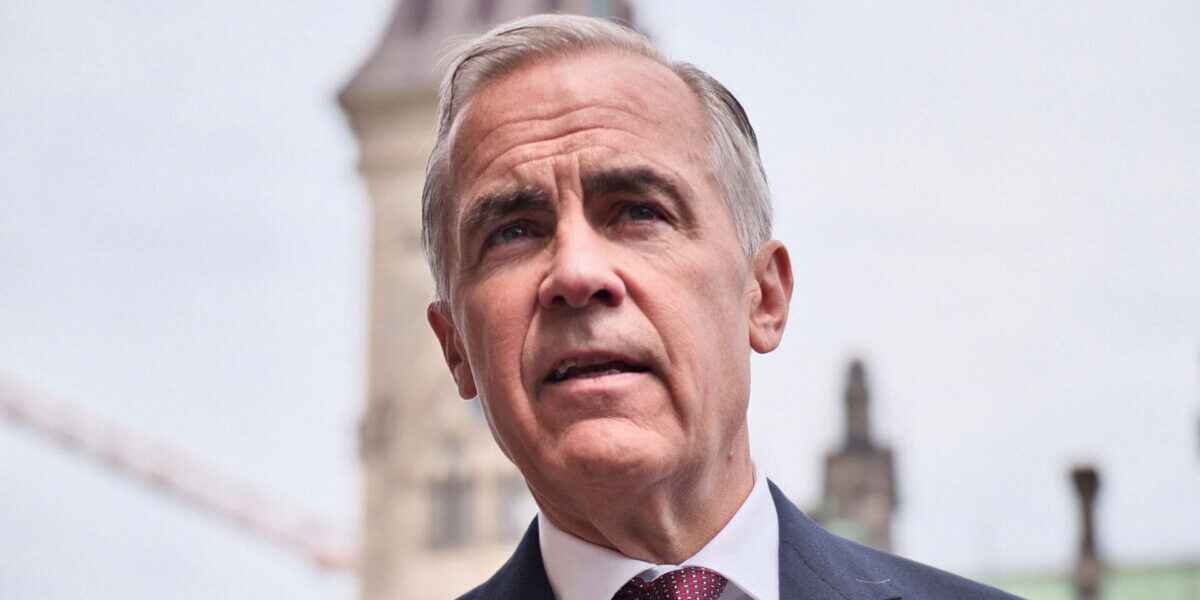
General anxiety about Trump’s impact on our future has muted criticism of the prime minister’s fossil fuel boosterism. But if Carney’s view is the correct—and only—path to preserving national prosperity in this perilous moment, don’t just parrot oil industry talking points. Prove them.

Canadians are, increasingly, up for a unified, targeted resistance. We will fight in the grocery aisles, we will fight in the liquor stores, we will cancel our trips south: we will never surrender!

Pipeline politics, and economics, are complicated. The oil industry spends lavishly to bamboozle the half-informed—which is most of us. But, if anyone should be able to see through the false claims and phoney threats, it would be a prime minister whose adult life has been spent in corporate corridors.

Andrew Coyne’s brilliant book, The Crisis in Canadian Democracy, should be on every high school curricula and on every federal MP’s summer reading list. The content is alarming and the conclusion inescapable: we increasingly live in an autocratic state, in the shredded remains of real democracy, at a time when we need a vibrant, inclusive, and representative national government more than ever.

As the prime minister often says, we must deal with the world as it is, not as we wish it to be. But when it comes to Mark Carney’s calculated capitulation on climate, it simply sounds defeatist—and irresponsible.

It is expansive, lasting programs—like national child care, dental care, comprehensive pharmacare, and a much improved medicare—that provide most material benefit to the most people. Yet, those programs the Carney Liberals appear ready to let wither before they have even had a chance to flourish.
Voters are fed up with performative politics in this moment of global and economic disruption. So, out with the Bibles-as-props, dog whistles, personal slurs and red-faced rants; in with respectful, fact-based debate, and intelligent compromise.

Avi Lewis is unlikely to become prime minister any time soon. But the new NDP leader wants to urgently jump-start our transition from oil to green technologies with the new revenues and jobs they promise. Pragmatist-in-chief, Prime Minister Mark Carney, made similar arguments before he became a politician. These are not ‘crazy’ ideas.

Despite some blemishes on Mark Carney’s otherwise immaculate image, his personal approval ratings are off the charts. If an election were held tomorrow, the Liberals would win north of 200 seats. Here’s why.

A more restrained reaction from Mark Carney on the U.S.-Israeli attack on Iran—less cheer-leading and more of the caution displayed by some European leaders—would have sat better at home.

Until Elon Musk presents Donald Trump with an all-electric, gilt-coloured Trumpmobile, our auto sector remains at the mercy of a grumpy old man’s prejudices and his fondness for supportive oil billionaires.

It isn’t that our political leaders’ concern about rising food costs isn’t genuine. It is that most lack the daring, or the sense of urgency—perhaps because they, themselves, are handsomely compensated—to move from Band-Aids, and accusations, to substantial social change.

If traditional conservative voters, and others, are looking for an effective, intelligent and nimble centre-right leader, they already have one in Mark Carney. We’ll see how long this lasts.
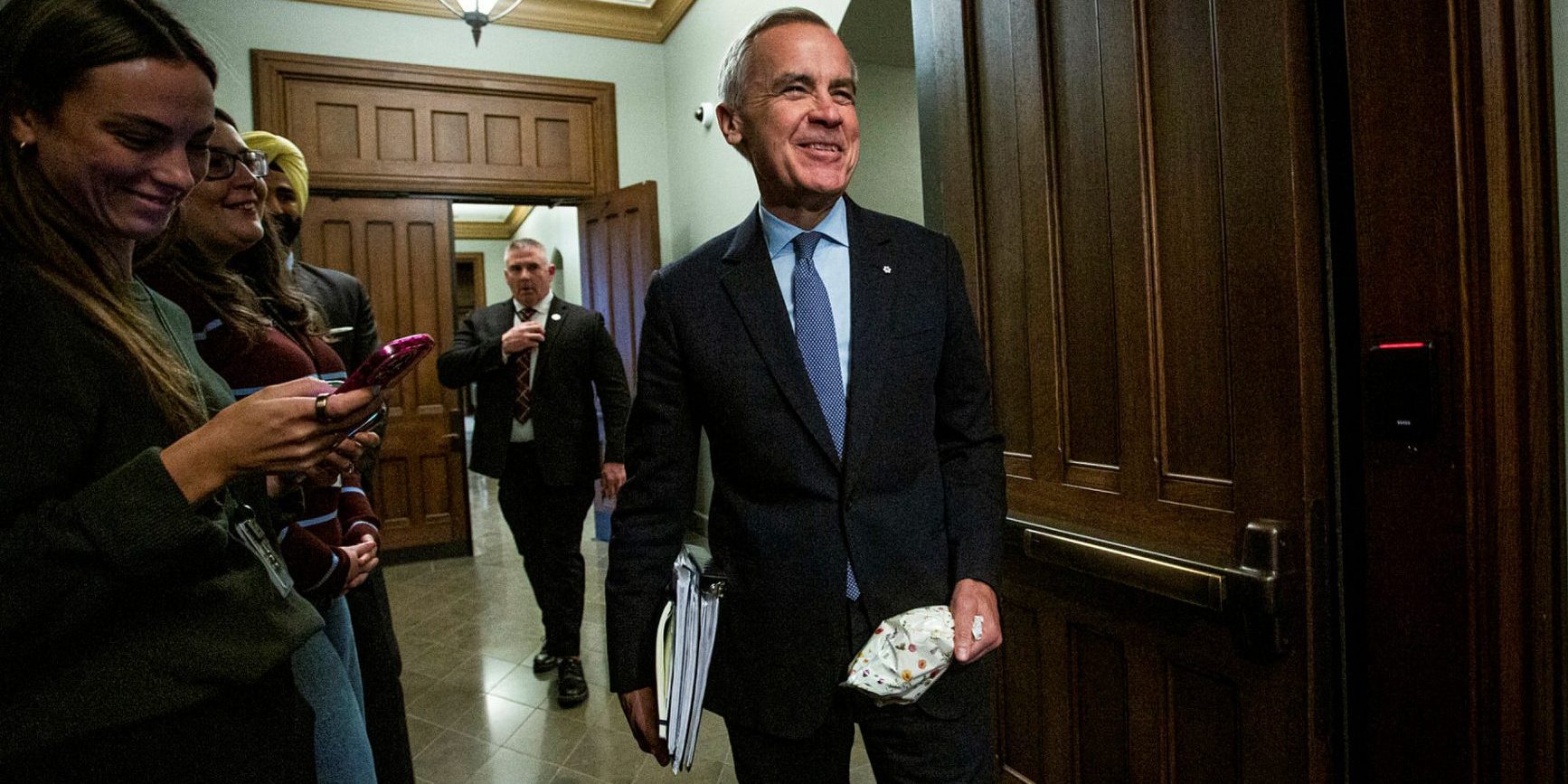
In retrospect, Mark Carney’s low-key approach—coupled with his tireless attempts to broaden our trade network—may prove to be the wisest course. Not as emotionally satisfying, or morally invigorating as a well-deserved profanity. But smarter.