


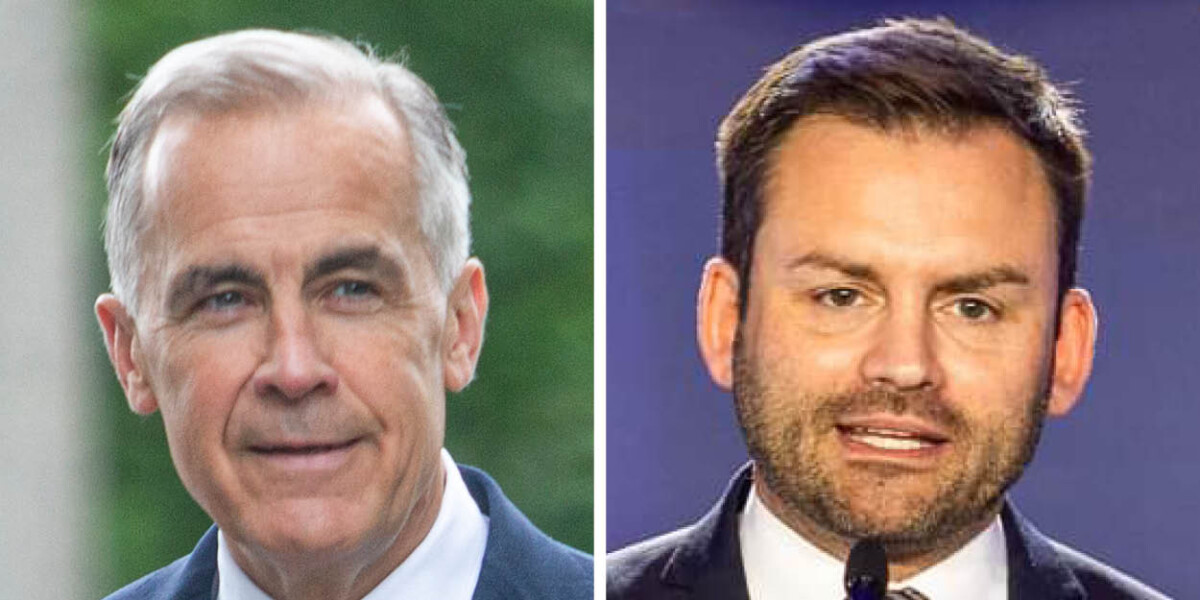
The Parti Québécois leader is trying to dodge recent comparisons to the federal Conservatives by emulating the winning campaign.
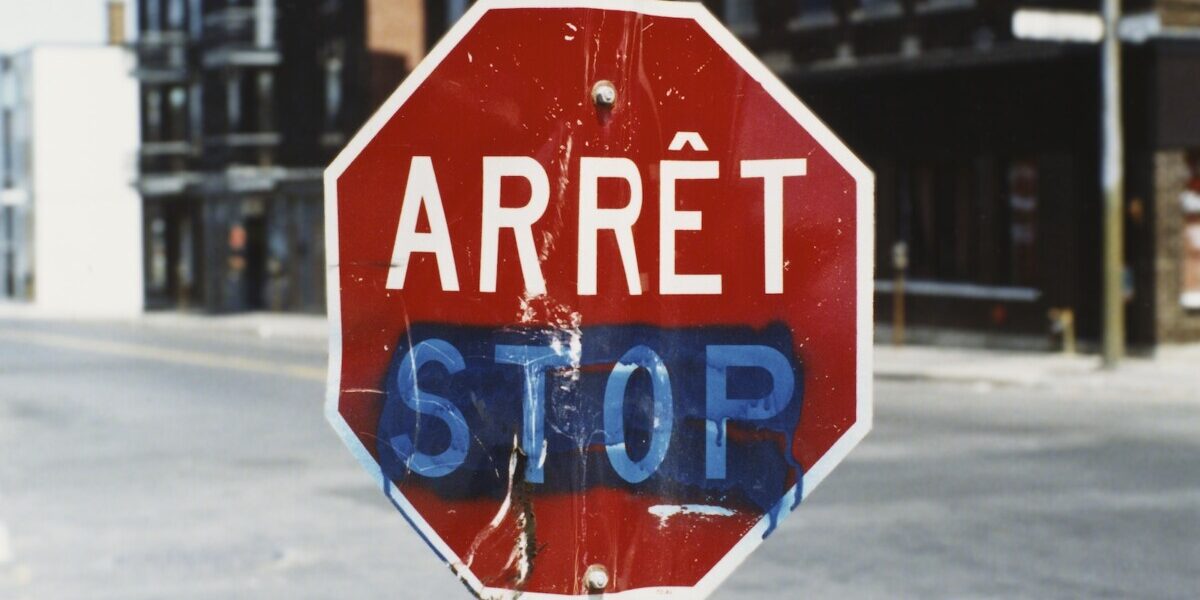
Along with a lack of bilingual voter information cards, there will be three French leaders’ debates, even though non-francophones have specific concerns related to language, health, education, and government services.
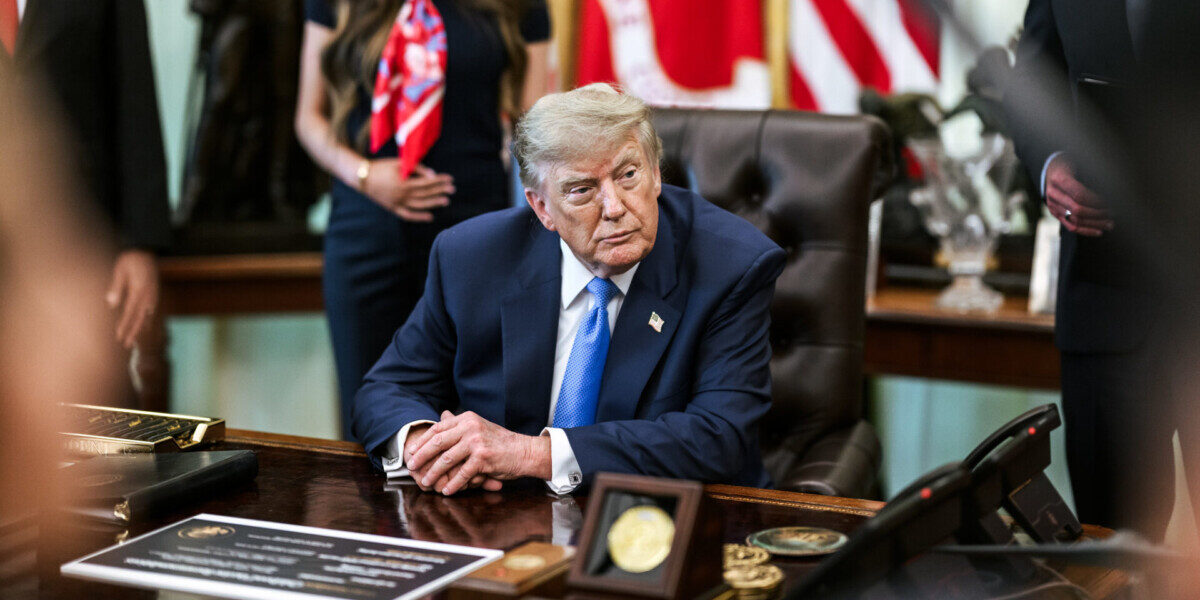
With the province in the throes of an election campaign, its outsized reliance on the U.S. will become an even bigger issue for political players.
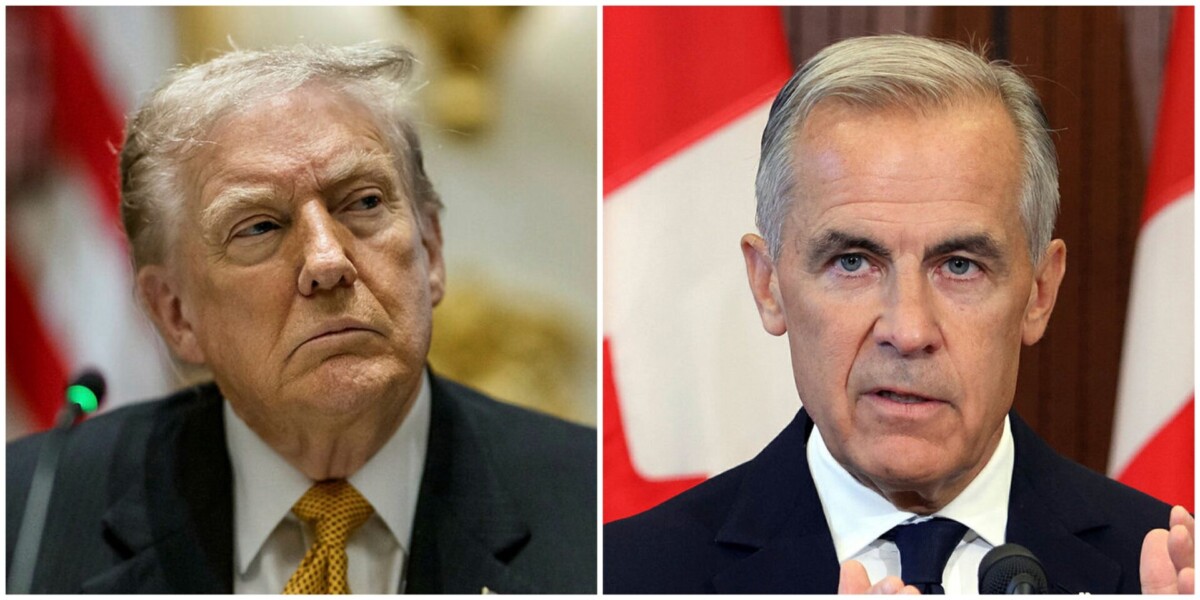
This abrupt transition may be the best thing for us as Canadians: a chance to prove our sovereignty and identity, and work together.
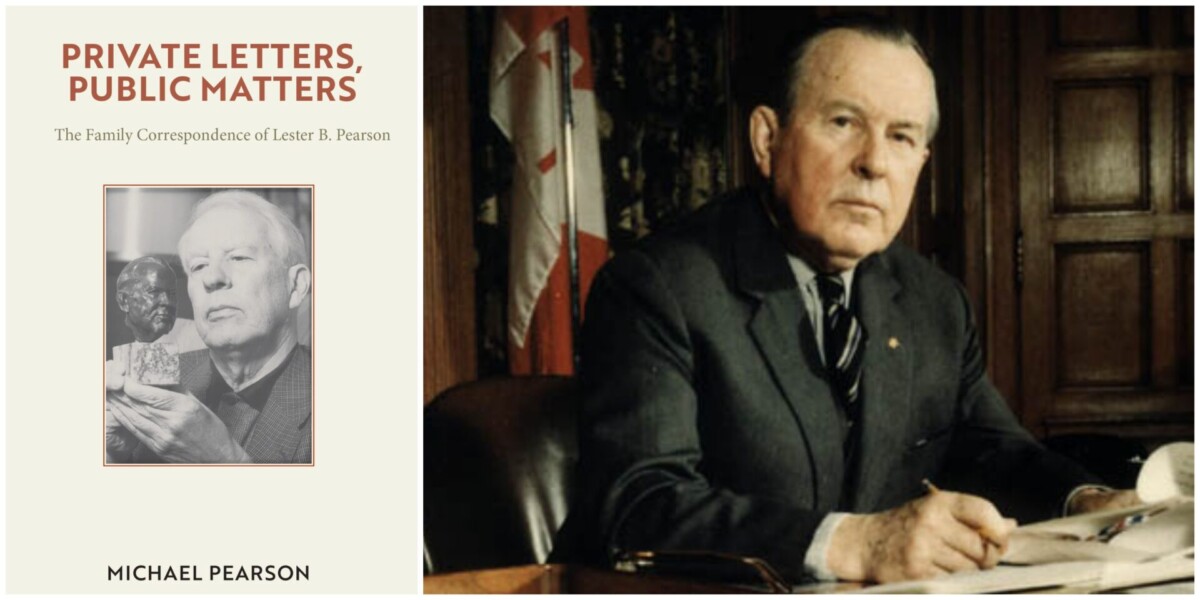
Michael Pearson’s latest offers an understanding of Canadian diplomacy during its so-called ‘golden era,’ and is a reminder of the need for a prime minister with a vision of foreign engagement.

A policy change that moves the military to selective unilingualism goes against the goals of the new Official Languages Act, and delivers a gift to the separatists.
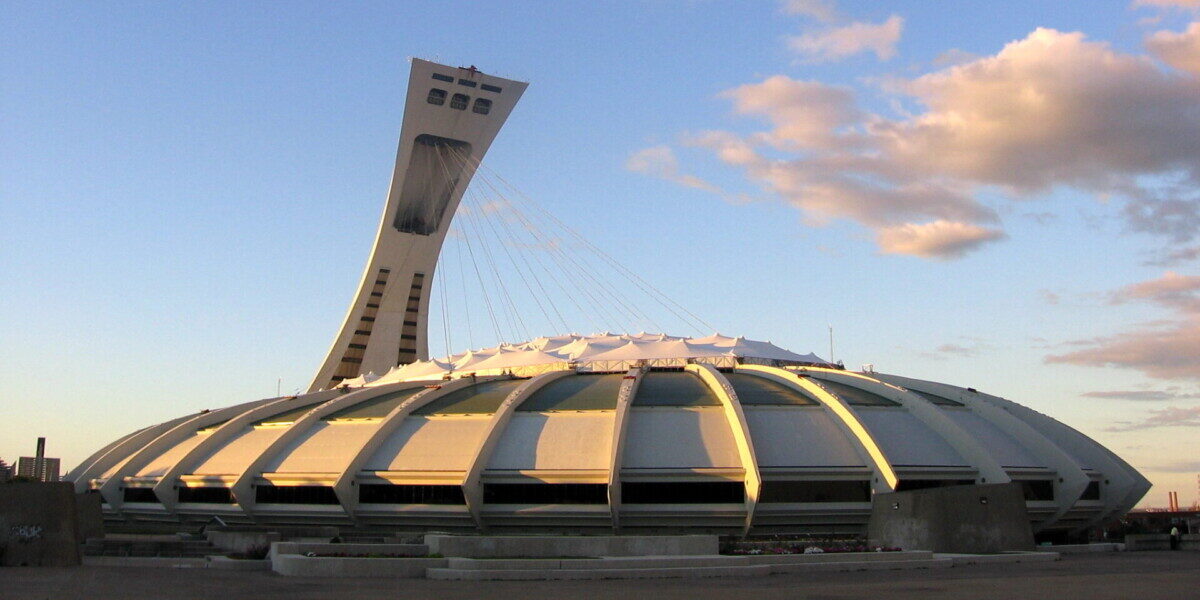
The Olympic Stadium is undergoing renovations to its roof and interior, costing Quebec taxpayers more than a billion dollars. Again.

The Parti Québécois eyeing the territory of a neighbouring province sends a message about how hostile their government would be to the rest of Canada.

While federalism has worked in protecting provincial autonomy, it is a barrier to ensuring the secure supply of one of the building blocks of life.

Madelaine Drohan’s book reveals there was far more to Benjamin Franklin’s interest in Canada than publishing.

Articulating the strengths and weaknesses of our country seems pertinent as this year our celebration of Confederation takes place while two provinces contemplate leaving.

This is a place where collaboration between people of differing religious, cultural, and linguistic backgrounds has long been a hallmark.
It is a sign of the intellectual vacuity of the independence movement that a terrorist slogan is now acceptable in defaming one of the most admired countries in the world.

Western democracies have been muddling along for so long, we have made ourselves vulnerable to exploitation and extremism, especially in this era of rage farms and social media.

Journalist Lysiane Gagnon once wrote that Quebecers view politics and hockey similarly: that if one political ‘team’ tries harder, voters will support them.

Canada is highly respected, but it seems many Albertans and Quebecers don’t care, and prefer to gamble with our country’s future in a time of crisis.