

Gwynne Dyer
Gwynne Dyer is a United Kingdom-based independent journalist who writes a column for The Hill Times.

Gwynne Dyer is a United Kingdom-based independent journalist who writes a column for The Hill Times.
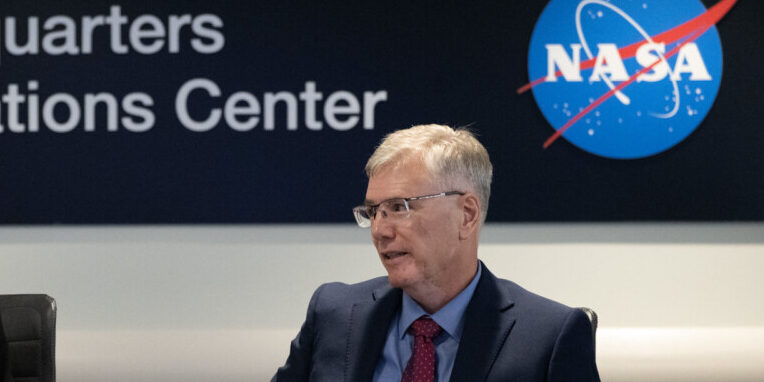
The Americans bragged they’ve launched ‘space-control weapons.’ While high ground has always been an advantage in land warfare, that is not necessarily the same for space, which lacks key targets.

After an Anthropic employee quit with a warning that artificial intelligence could lead to human extinction, the company is committing to safety measures, while other AI leaders say it’s the right move. In this secretive and highly competitive world, this is unprecedented.
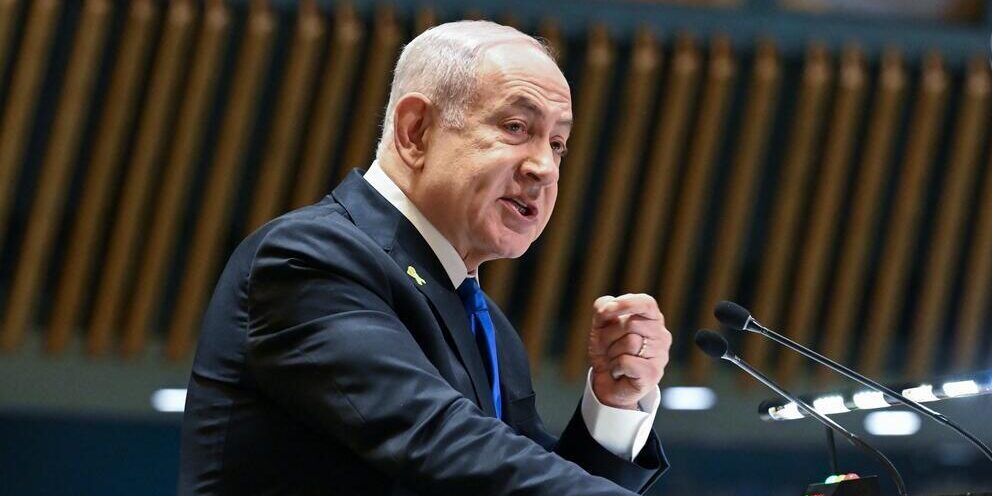
With Israel’s election on the horizon, a dozen nations are sanctioning products from Israeli settlements in West Bank, and its prime minister is under the microscope after a new book claims he had clear warning of the Hamas attack on Oct. 7, 2023.

We are trapped on the up escalator, and we need to stop the warming now.

Ahead of key elections in each country, the Israel prime minister’s coalition risks losing its majority in the Knesset, and the American president stands to lose control of the House of Representatives, which would open the door to impeachment proceedings.

Perhaps we are now encountering the Great Filter, the notion that intelligent civilizations may emerge on many planets in a universe, but that most of them are too weighed down by the baggage of their past to adapt to their new circumstances.
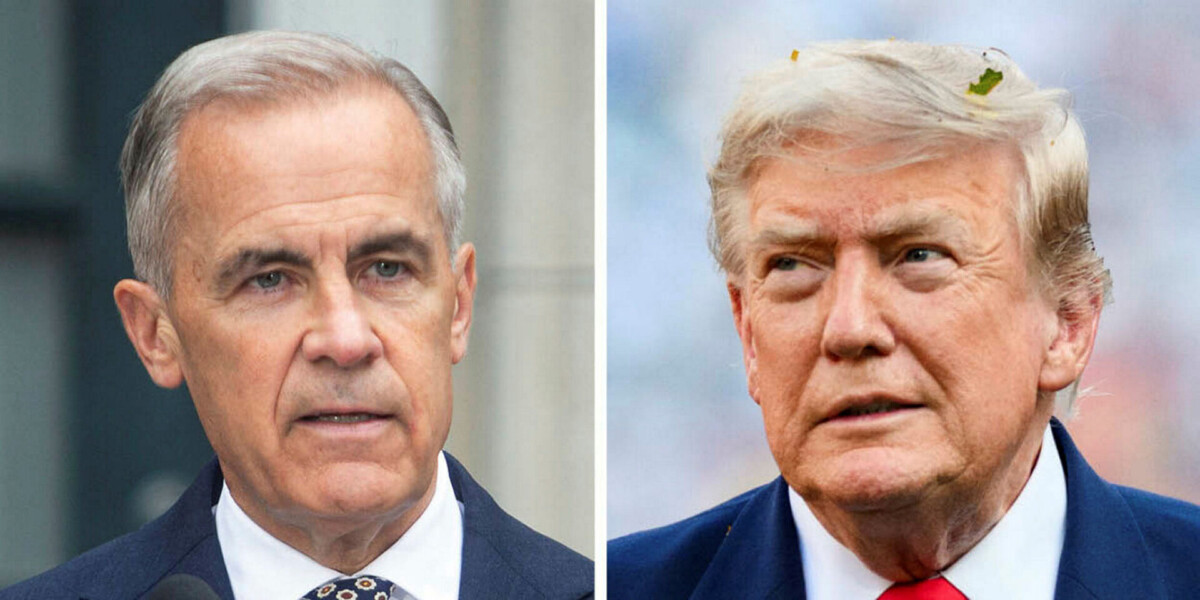
It’s really about sovereignty, not trade, and Canada stands a fair chance of winning.

Ukraine is not good on the corruption front, but it’s getting better. But even though it’s been seven years without an election, it’s very hard to do it when bombs are dropping on the voters.

Tens of millions of Africans lived and died as slaves over the centuries without ever leaving Africa.

The economies of the developed countries have already been retooled twice since 1945, and alternative energy sources are already taking over. What needs to be done to respond to climate change is probably still achievable.

Hamas and Israeli leaders both pretend to want peace while carefully sabotaging any step that might make peace possible.

Researchers say they have made the first viruses designed by artificial intelligence. If it is possible to tailor-make bacteriophages that target specific bacteria, we may be getting a major new weapon in the struggle against antibiotic resistance.

Delcy Rodríguez has been an obedient acting president for the United States, but her government’s failure to respond quickly to the devastating June earthquakes completely discredited her in the eyes of most Venezuelans.
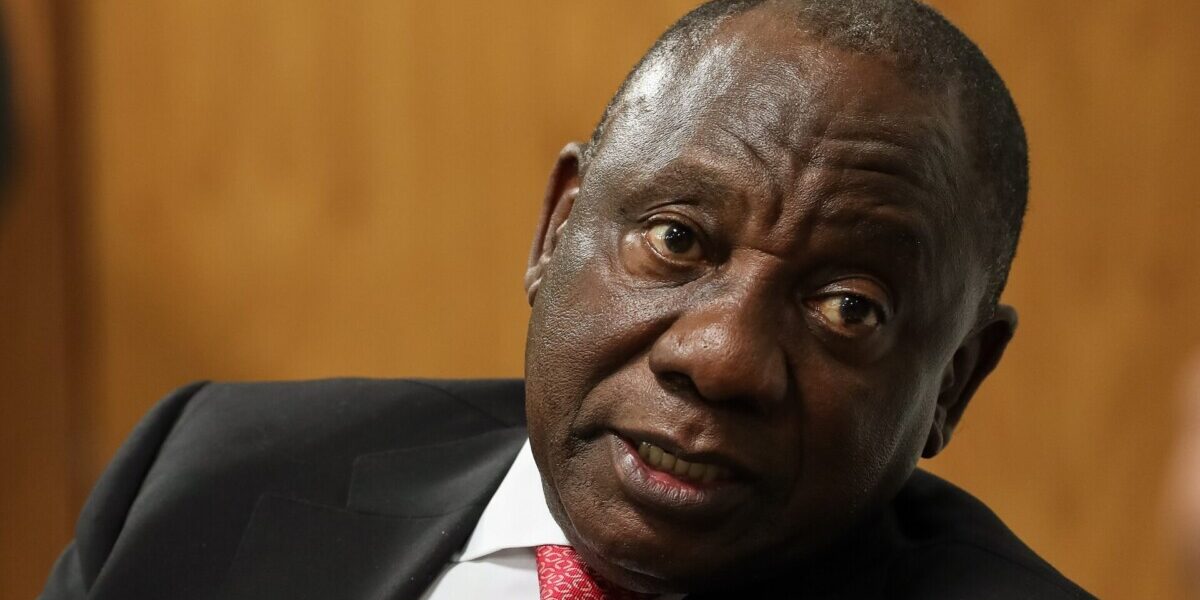
After the 2024 election, the South African president remained, but the new government was a coalition with some parties willing to impeach him. Now the outcome is uncertain, but he is just as much subject to the law as everyone else.

Cutting our carbon dioxide and methane emissions, while it is still vital, cannot act fast enough to slow the warming back down to the old rate. Nor can high-tech solutions like removing greenhouse gases from the air or the sea work fast enough to make much difference: the volumes involved are just too great.

The reality is that every strategic nuclear force is kind of like a fake village. It is not really suitable for its original role (winning a war), but it’s quite useful for deterring other countries.