

Nelson Wiseman
Nelson Wiseman is the director of the Canadian Studies Program at the University of Toronto.

Nelson Wiseman is the director of the Canadian Studies Program at the University of Toronto.
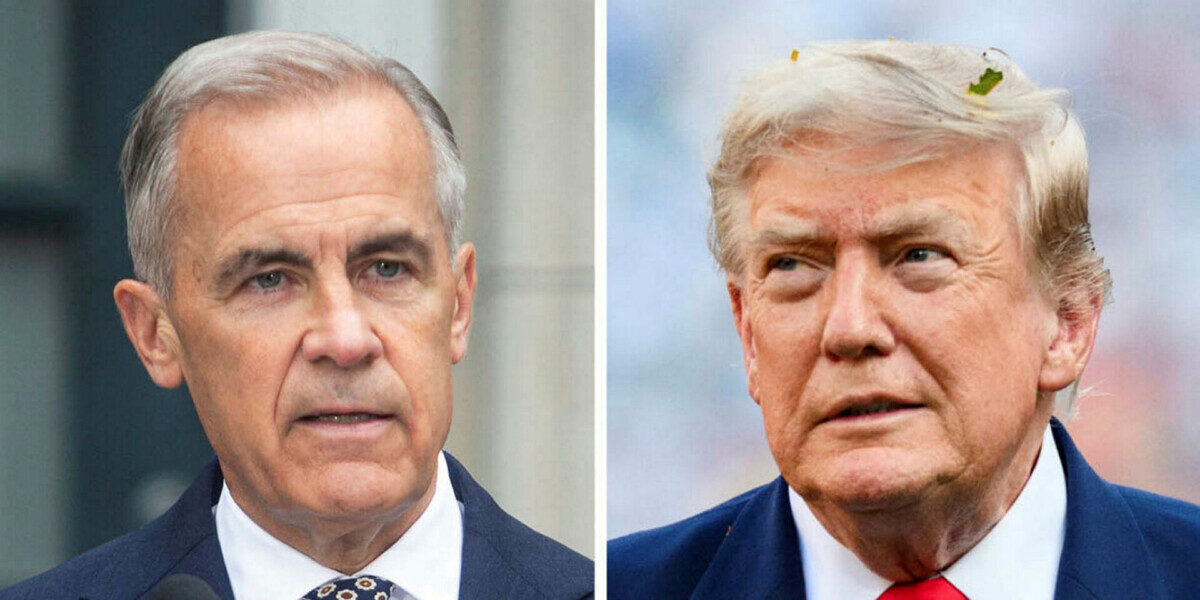
Canada’s current flag-waving is a dramatically novel phenomenon. Trump’s tariff tirade and his talk of this country’s destiny as the 51st state changed everything.

The installation of Gov. Gen. Louise Arbour was the ‘big story’ on June 8, but a week later one had to struggle to find her name, or any mention of her in that capacity, in any national news story. Arbour will be seen and heard when she speaks publicly, but she must speak in governor generalities. Not much news for the media to report on there.
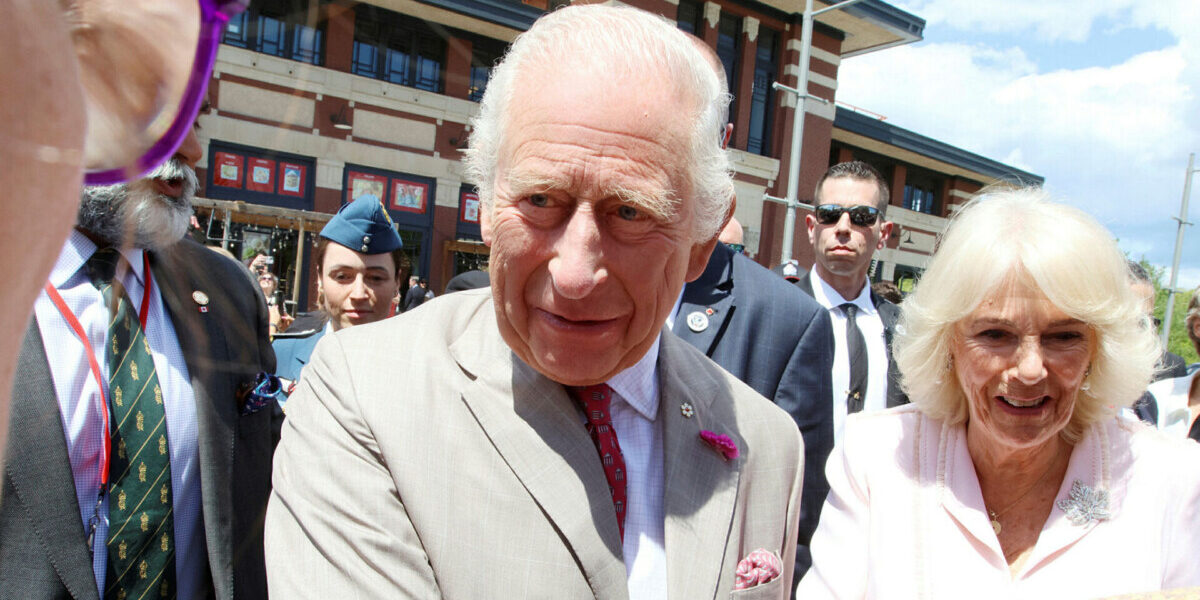
The Crown is the subliminal institution that permeates Canada’s institutional infrastructure. There is a magic and charisma to the office that transcends the personality that wears the crown. They rise above the ideological chasms among its citizen partisans.

Ontarians are the least likely Canadians to identify themselves in regional terms. Many, particularly immigrants, have never lived in another part of Canada, where consciousness of regional marginality is hard to escape. That is a difference between residents in outer and inner Canada.

The sun is sinking on the American Empire, and, in this century, may decline below the horizon. Living next door, Canada is looking to cushion itself.

Alberta has undergone a demographic revolution. More Albertans now live in ethnically diverse cosmopolitan cities, having come from abroad or other parts of Canada. But the heritage of the largely white, right-wing conservative countryside still drives much of its politics.

Swinging policy postures explain Liberal dominance since 1896.

Leadership is in Avi Lewis’ family’s DNA, but leadership requires taking risks. Contesting Beaches-East York might seem risky, but there are really no downsides. Diefenbaker and Douglas proved it. Lewis’ grandfather discovered it after losing his first attempt at getting elected to Parliament in 1940. Lewis should go for it.

In that riding, the Bloc Québécois vote increased by eight percentage points and the Liberal vote increased by 10, while the Conservative and NDP votes declined by 15 and two percentage points, respectively. Turnout was 50 per cent, unusually high for a byelection.

A breaking point with the U.S. can no longer be waved off. If Canada’s wagon were hitched to the EU’s horse, it would be a major player in the organization, its fourth largest economy. The theory behind the EU—an integrated entity of sovereign democratic states—is consistent with Carney’s vision as articulated at Davos.

Perhaps Canada should be spending less, but smarter on defence. What will NATO and Donald Trump do if Ottawa fails to meet the five per cent target? Spain has drawn its line at two per cent, but no one is proposing to expel Madrid from the group.

The NDP is unlikely to become the official opposition in any foreseeable future, but its third or fourth party status is secure. Winning 12 seats, thus regaining status as an official party in Parliament, is its most important challenge.

Canadians like getting the world’s attention because it counters the view that we are boring. Mark Carney’s impact at Davos boosted Liberal popularity to 51 per cent in a Mainstreet poll. Speculation swirled that he might call an election to capitalize. He won’t. Carney prefers governing to politicking on the hustings.

The Parti Québécois has preached separation for more than half a century. Clear the air sooner rather than later. This half century has been like Waiting for Godot.

In last April’s federal election, Quebecers and Québécois were more concerned about U.S. President Donald Trump’s aggressive threats to Canada’s independence. But perhaps association with those ‘maudites Anglais’ in the rest of Canada is not so bad.
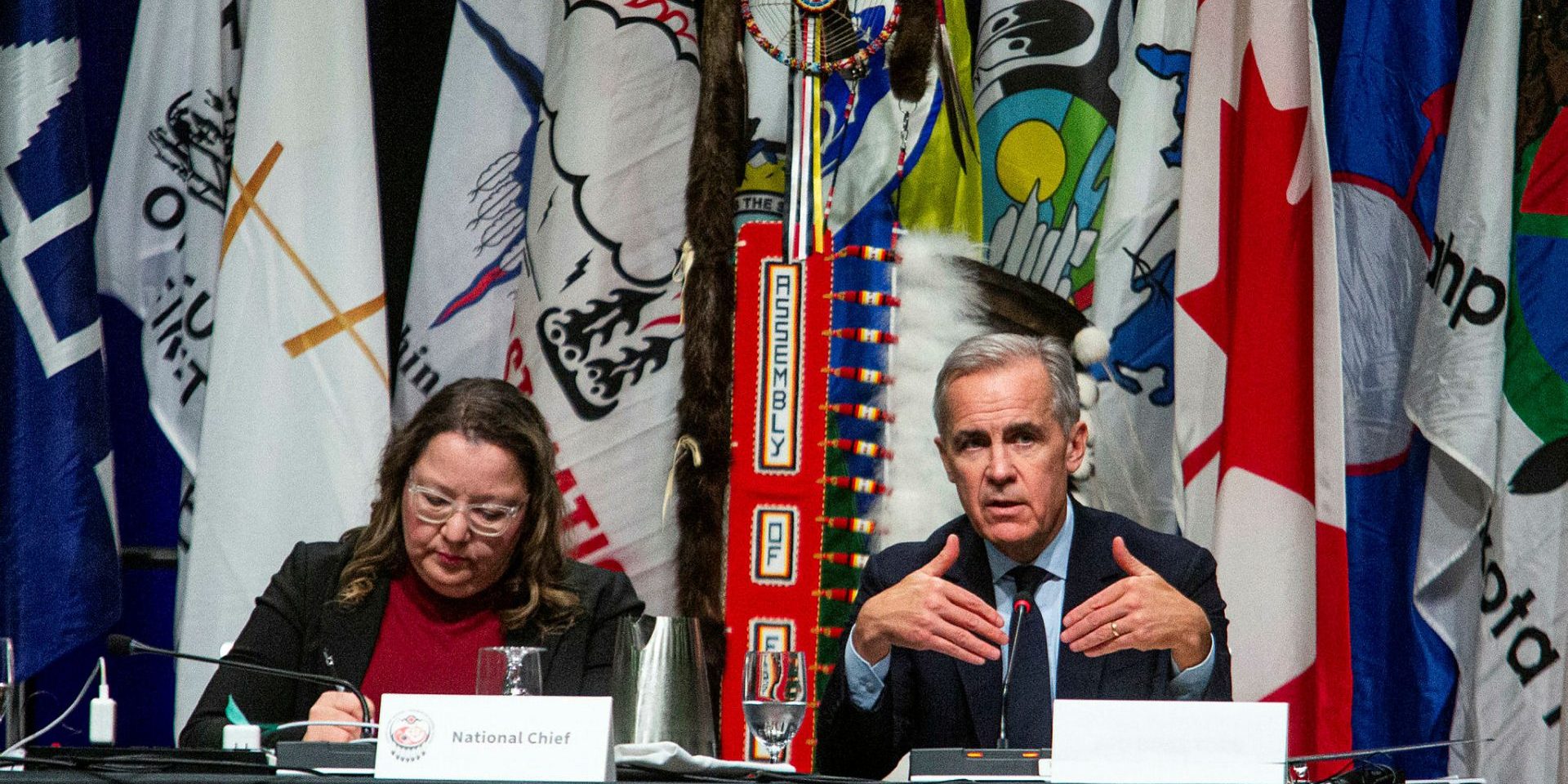
How has Mark Carney performed? Brilliantly, and I’m not a partisan. He has been bold, determined, visionary, and in tune with current public sentiment. He is less concerned about being ‘politically correct’ than with producing results.