


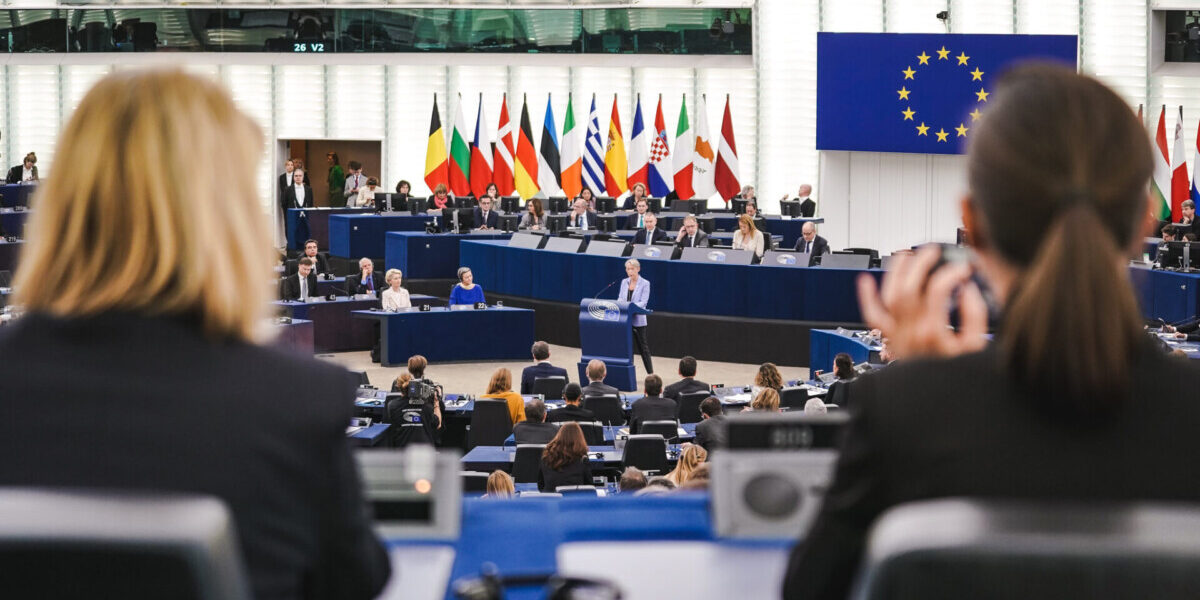
Although allies abroad are receptive to closer ties to this country, including announcing plans to open a European Parliament office in Ottawa, they’ve traditionally been fairly shy about saying or doing anything that might anger the American bear.
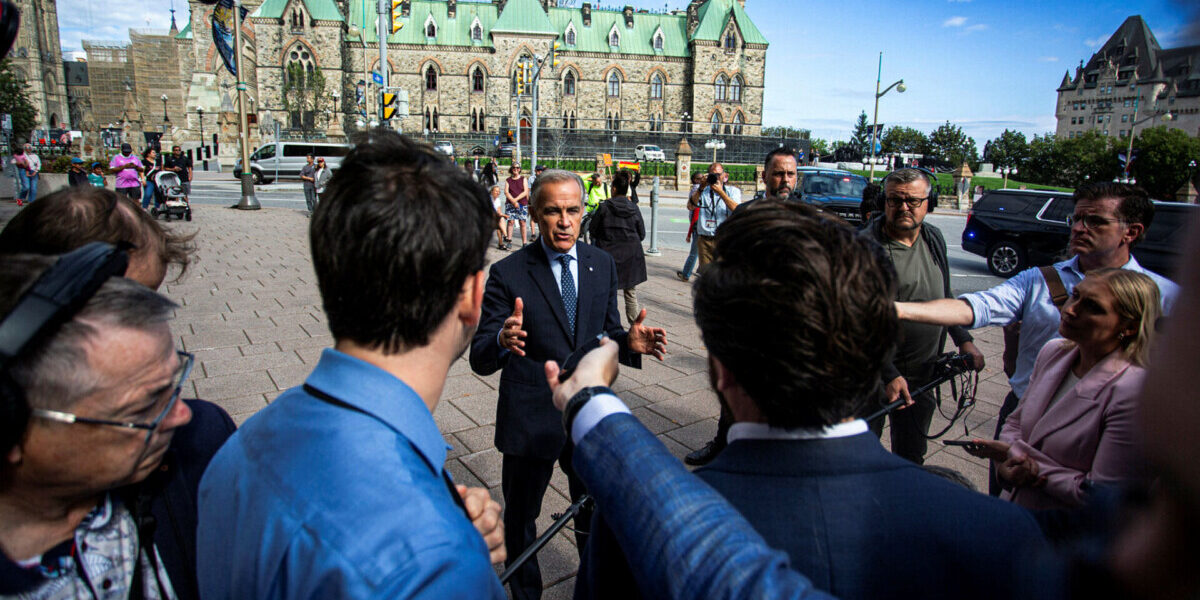
As Prime Minister Mark Carney and this country face these challenges with the United States, he should also be talking more to Canadians and to Parliament. It would go long way to better engaging with Canadians and empowering federal lawmakers. Carney needs Parliament, too.
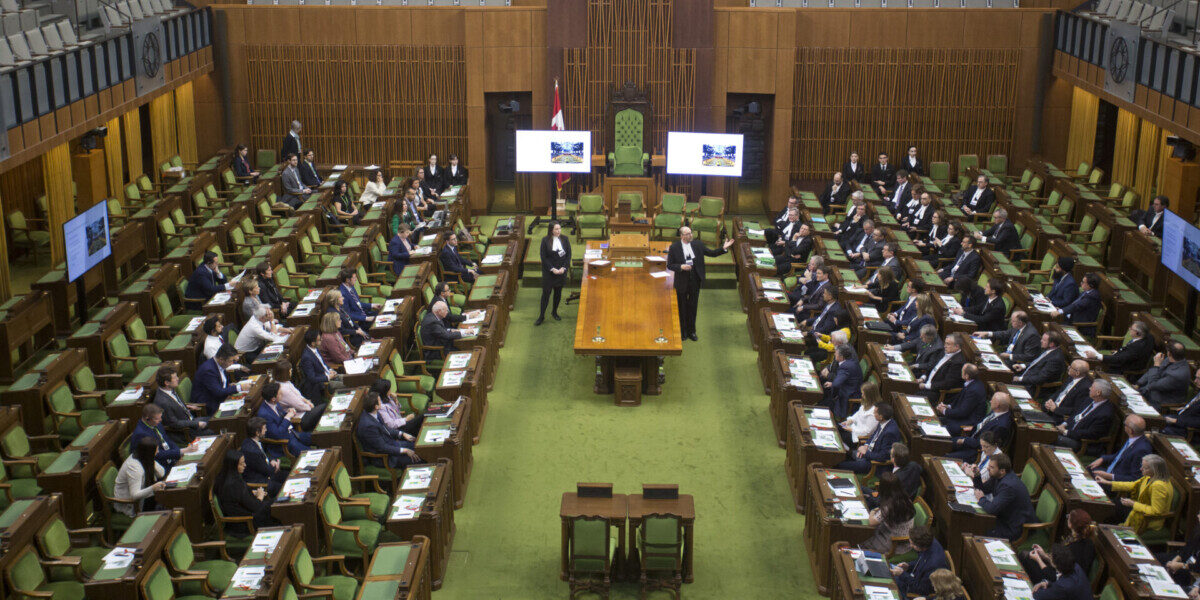
A Conservative proposal to have floor-crossing MPs pay up speaks to a level of frustration within the grassroots who ultimately have little say in what happens at the caucus level between elections.
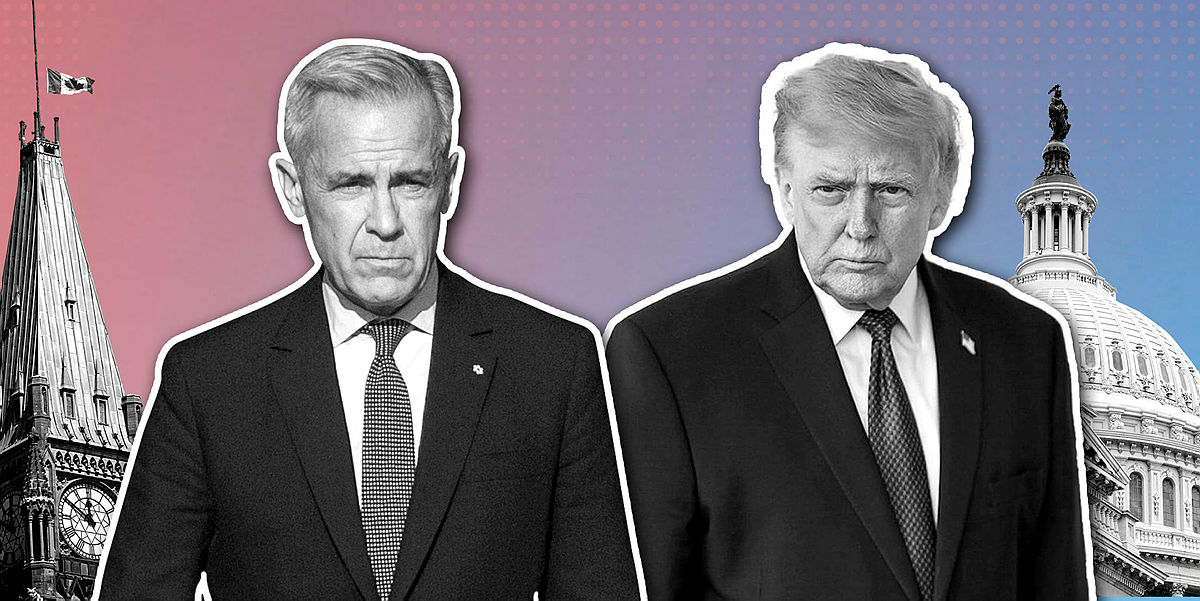
Trading insults may generate headlines, but it does little to resolve a trade dispute that has serious consequences on the lives of millions of people.
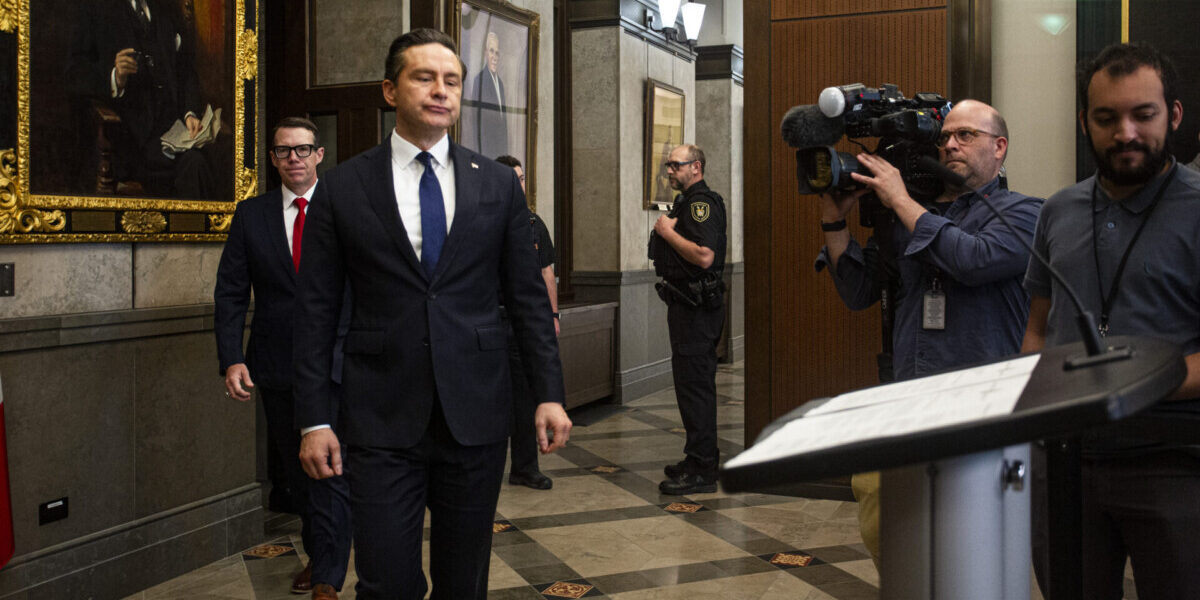
If the Conservatives are going to compete in places where the entire region isn’t Tory blue, and if the Carney Liberals want to maintain their lead, both will have to offer more because Donald Trump and his outsized influence on American politics won’t go away any time soon.
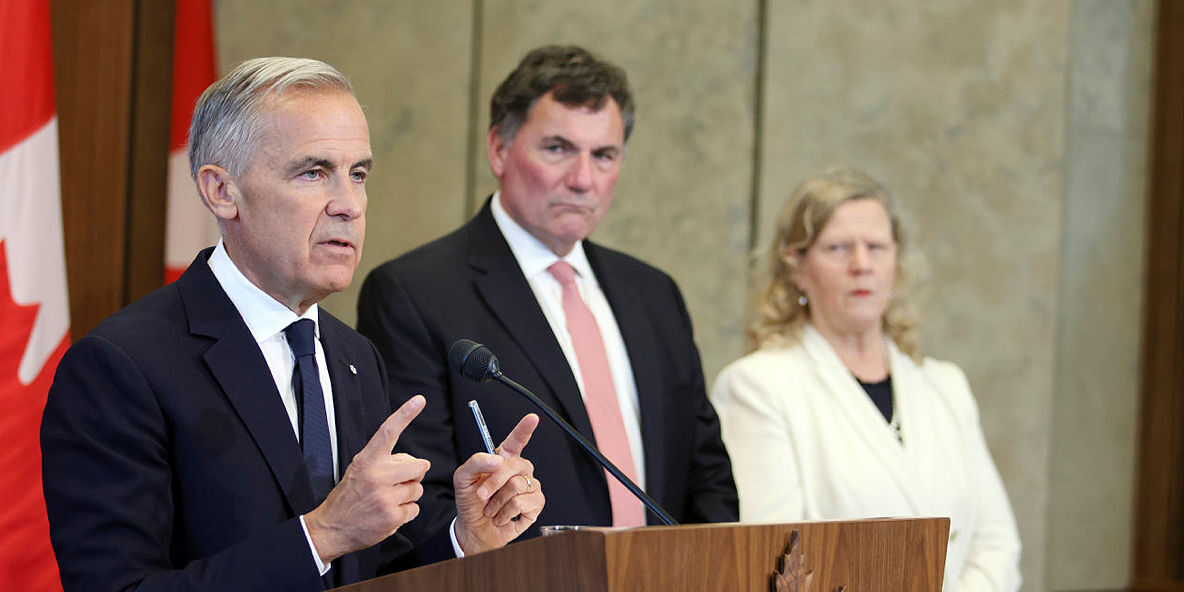
More transparency is needed following public statements from U.S. government officials about their perspective as to why the talks fell apart.
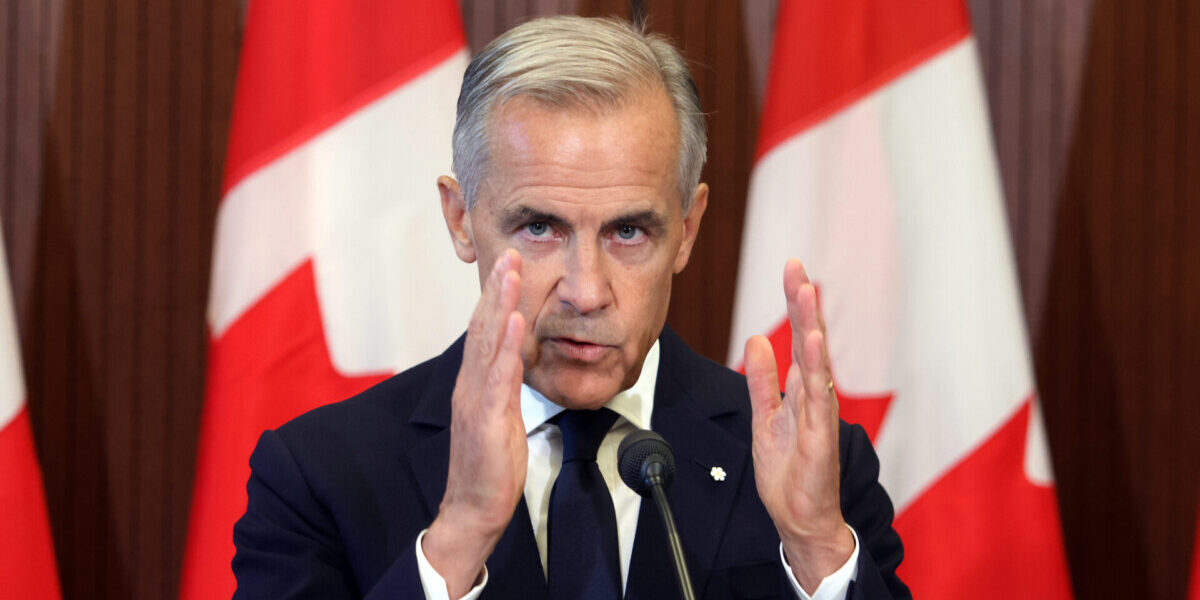
The Trump team is trying to flood the zone with misinformation about the Canada-U.S. trade relationship. Canada shouldn’t disadvantage itself in the ongoing negotiations, but extra clarity will always be welcome.
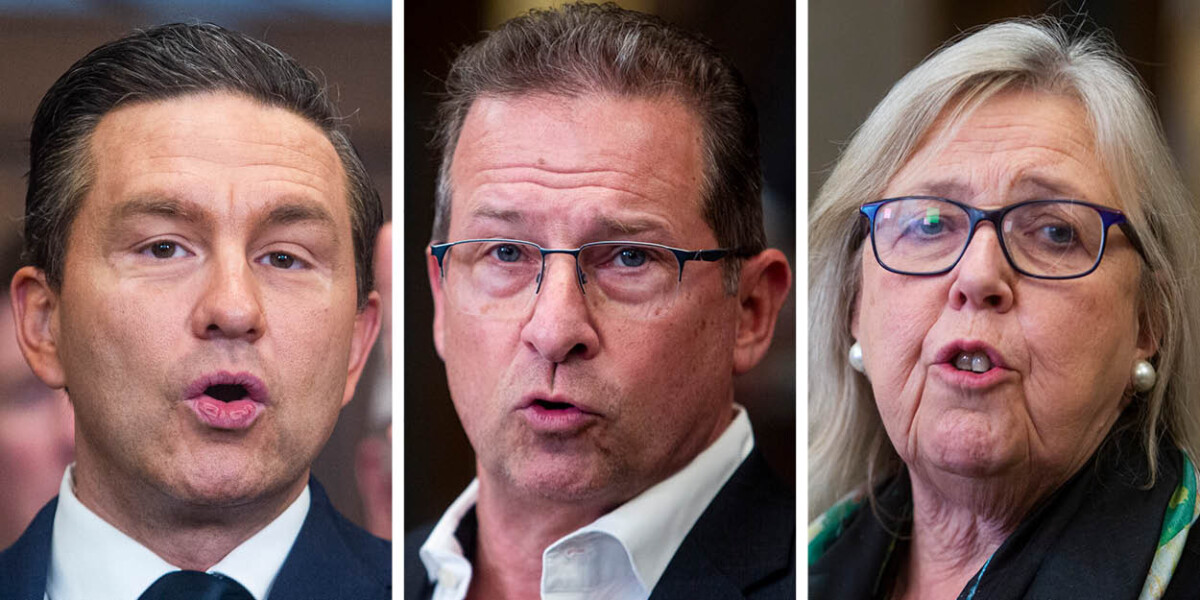
The federal opposition leaders should be briefed by Prime Minister Mark Carney now that the trade talks have been suspended. But they should not be briefed while any future negotiations are ongoing. The stakes are too high.
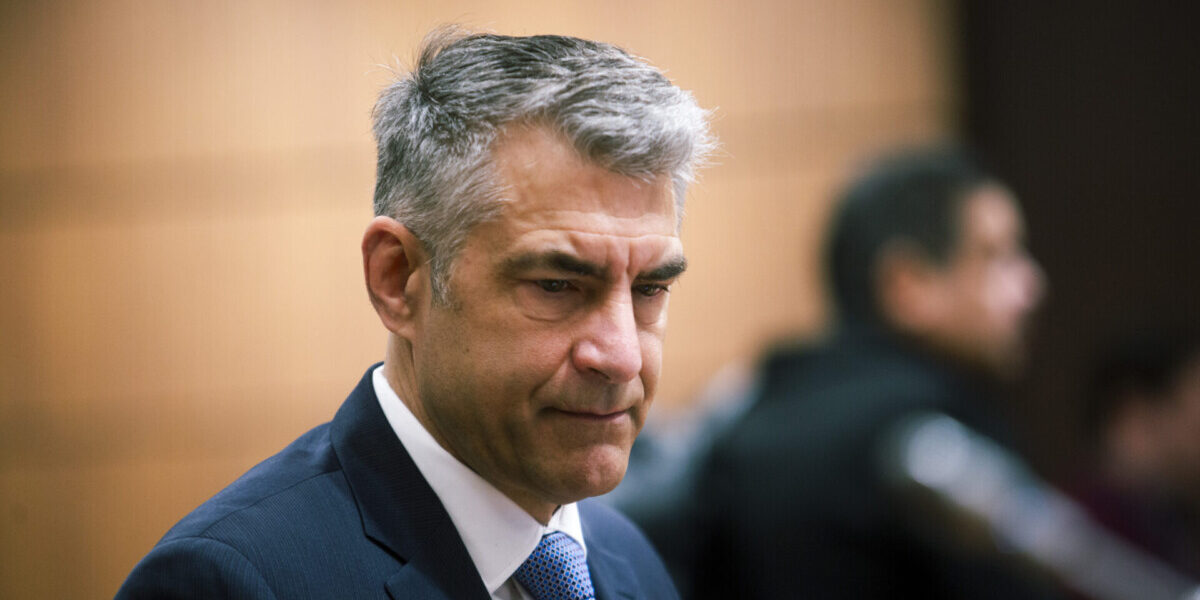
Foreign Influence Transparency Commissioner Anton Boegman says more transparency is a good thing—and that’s not something at which journalists typically turn up their noses. But logging already transparent activities seems like a waste of resources, and of the registry itself.

The byelections in 13 ridings are expected to cost around $26-million, according to an Elections Canada estimate.
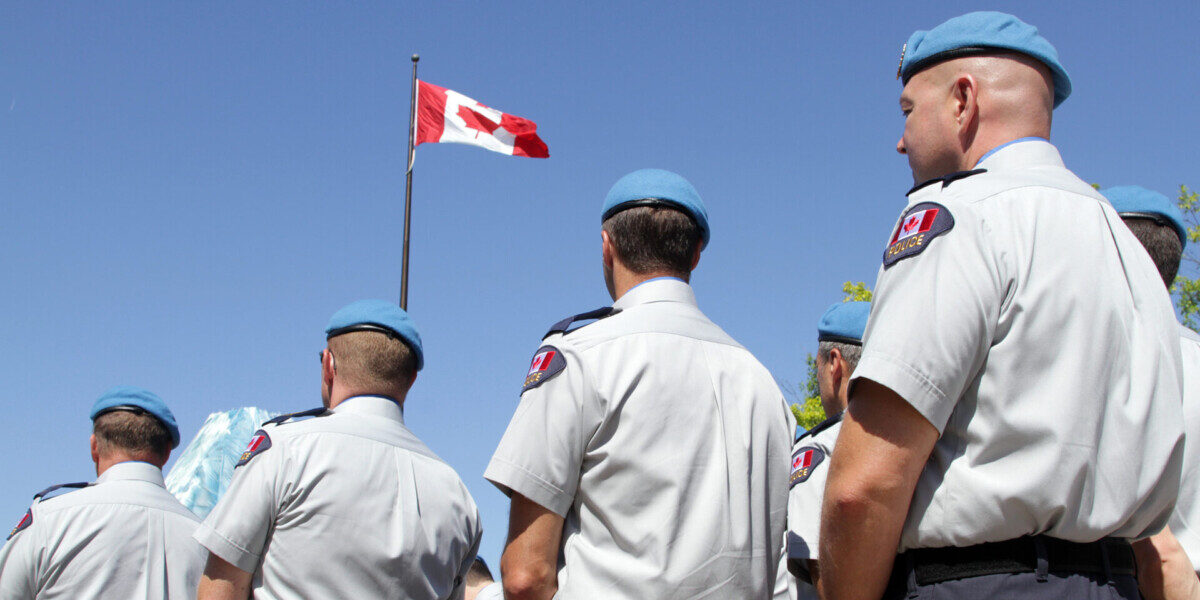
One has to question how a mixture of shifting the military’s priorities and budget cuts that affect Canada’s diplomatic presence as well as its international aid allocation will improve the turbulent geopolitical situation.
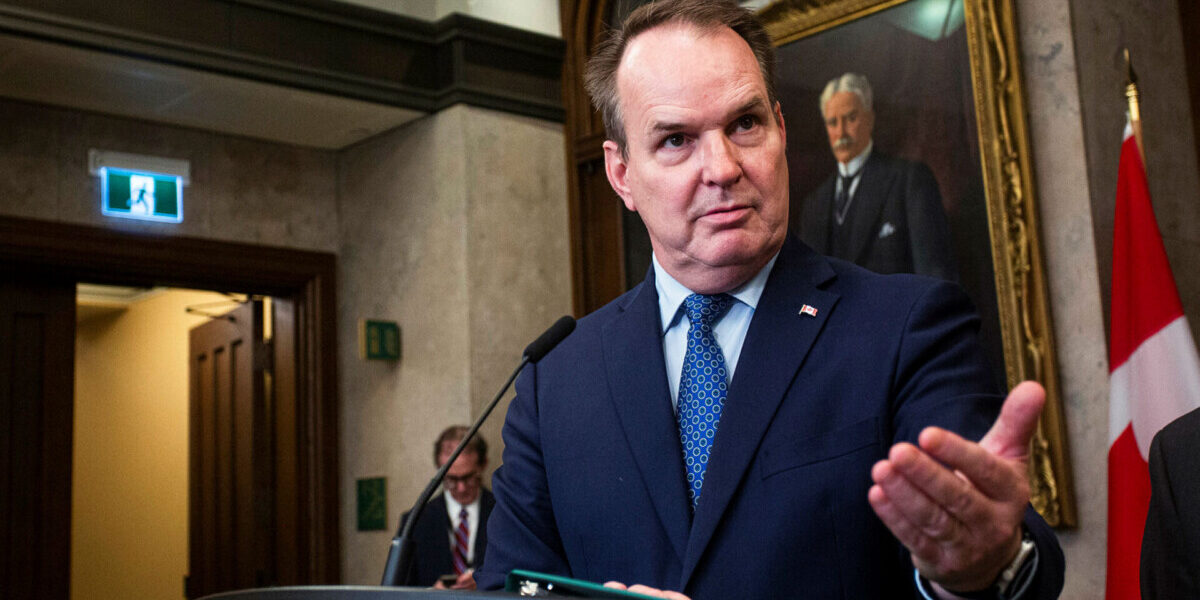
Transport Minister Steven MacKinnon recently said the proposed $90-billion Alto high-speed rail will ‘redefine travel among and in between’ Canada’s largest cities, but the feds need to be more transparent about the plan.

Unless there’s a steady hand on the scalpel excising federal bureaucrats, there could be unintended consequences.
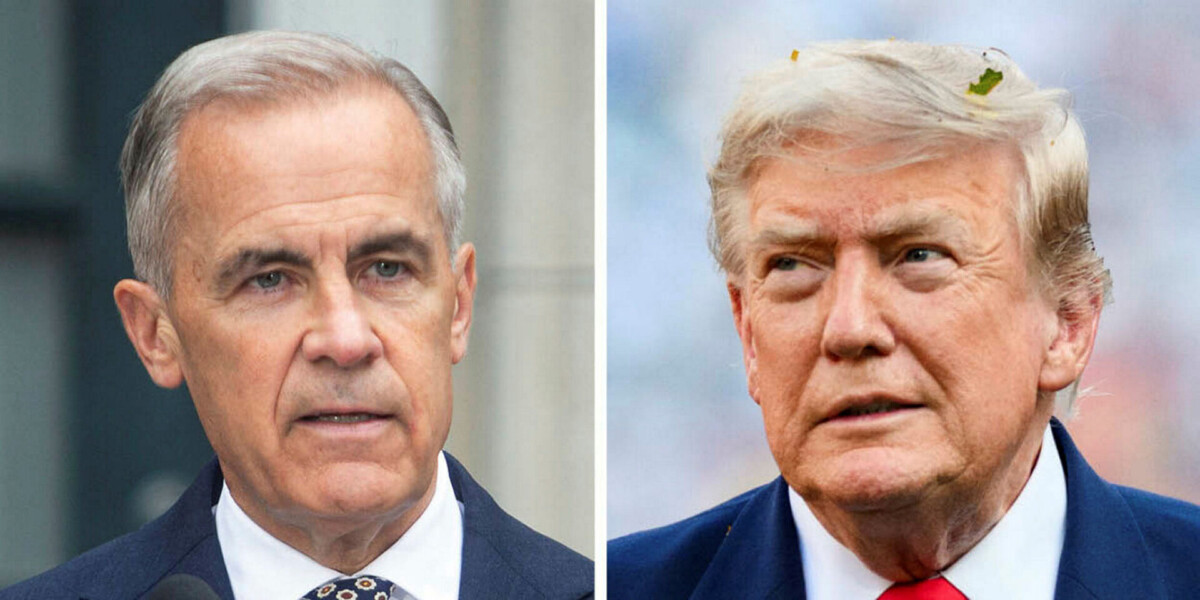
The Conservatives, Bloc Québécois, and NDP MPs are right to push for more clarity on the agreement between Canada and the United States on the $6.4-billion Gordie Howe Bridge. But stick to the facts, and leave the politics behind.

Recent Abacus Data polling suggests ‘almost half of those under 30 say a strong leader who does not have to bother with Parliament and elections would be a good way to govern.’ That’s an alarm bell.

The correction Prime Minister Mark Carney was forced to make about the Gordie Howe Bridge agreement is a reminder for the prime minister that words matter in politics. In the age of social media and instant access to information, Carney must be honest, transparent, and clear when he speaks.