

Sadly, the lesson from the Brexit referendum in the U.K. is that once the Pandora’s Box is opened by political leaders in unnecessary referendums, one may not be able to close it once expected and unexpected dangers become too difficult to manage or impossible to suppress.
Canada is highly respected, but it seems many Albertans and Quebecers don’t care, and prefer to gamble with our country’s future in a time of crisis.

‘It demands the action of democracy, and I think unless we address it, it will be like an itch that is not scratched,’ says Conservative MP Stephanie Kusie of Alberta’s separatism question.
By taking concrete action on key issues for Albertans, PM Mark Carney is trying to send a message that he wants the federation to work better for Alberta, says pollster Janet Brown. Meanwhile, Conservative Leader Pierre Poilievre says he and his MPs will campaign for Alberta to remain part of Canada.

The next step for Ottawa is clear. The Canada Health Act provides that the government ‘shall’ reduce transfer payments to provinces for extra-billing or user charges. If there are no financial consequences to Alberta, the financial pressures on other governments to follow suit will be hard to resist.

A movement openly questioning the legitimacy of Confederation is being normalized as part of democratic discourse, while First Nations asserting their treaty rights are portrayed as procedural obstacles standing in the way of the people’s will.

The implementation agreement marks another step towards the construction of a new oil pipeline running from Alberta to British Columbia’s coast.
The feds would be wrong to think that taking action to address Albertans’ claims they are mistreated by Ottawa would make much, if any, difference among separatists.

Health Canada has six sets of funding deals with provinces and territories—some of which expire next March. Marjorie Michel will only confirm she’s in talks to renew the ‘Working Together’ deals.
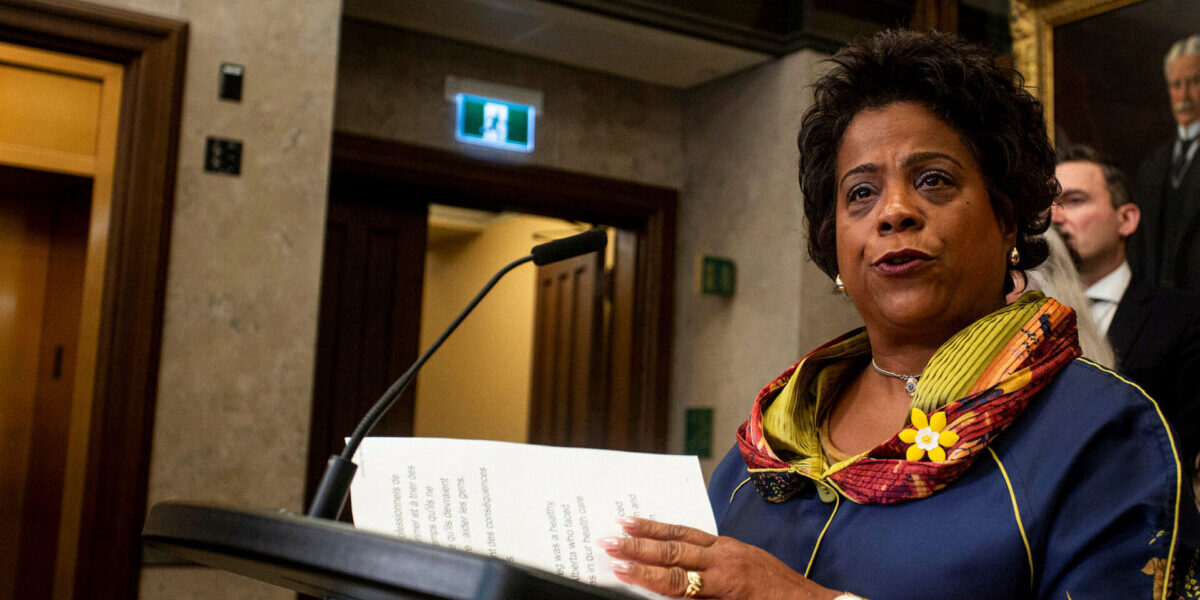
‘It’s a security concern for people like me who are in the public eye and who deal with angry constituents all the time,’ says Alberta Senator Paula Simons of an Elections Alberta data leak that exposed the personal details of nearly three million people.

What is crystal clear is conservatives flirted with far-right grievances to gain political power only for those monsters of Confederation to use their access to undermine federalism.

The non-binding policy proposals come in the wake of a new Alberta law allowing physicians to work in both the private and public systems. The law will ‘fundamentally change the structure of Canada’s health system and not just tweak the delivery of it,’ says Canadian Doctors for Medicare’s Dr. Bernard Ho.

This week, the Liberals revealed details for the $51-billion fund, which will be spent over 10 years. Of that total, $17.2-billion is a ‘provincial and territorial stream’ requiring them agreeing to slash development charges to build infrastructure for growing population.

While it might sound like good news for Alberta coffers in the short term, high oil prices actually threaten to accelerate a longer-term trend in investment that Canada and Alberta should pay close attention to as they develop an MOU that will have broad implications for Canadian competitiveness.
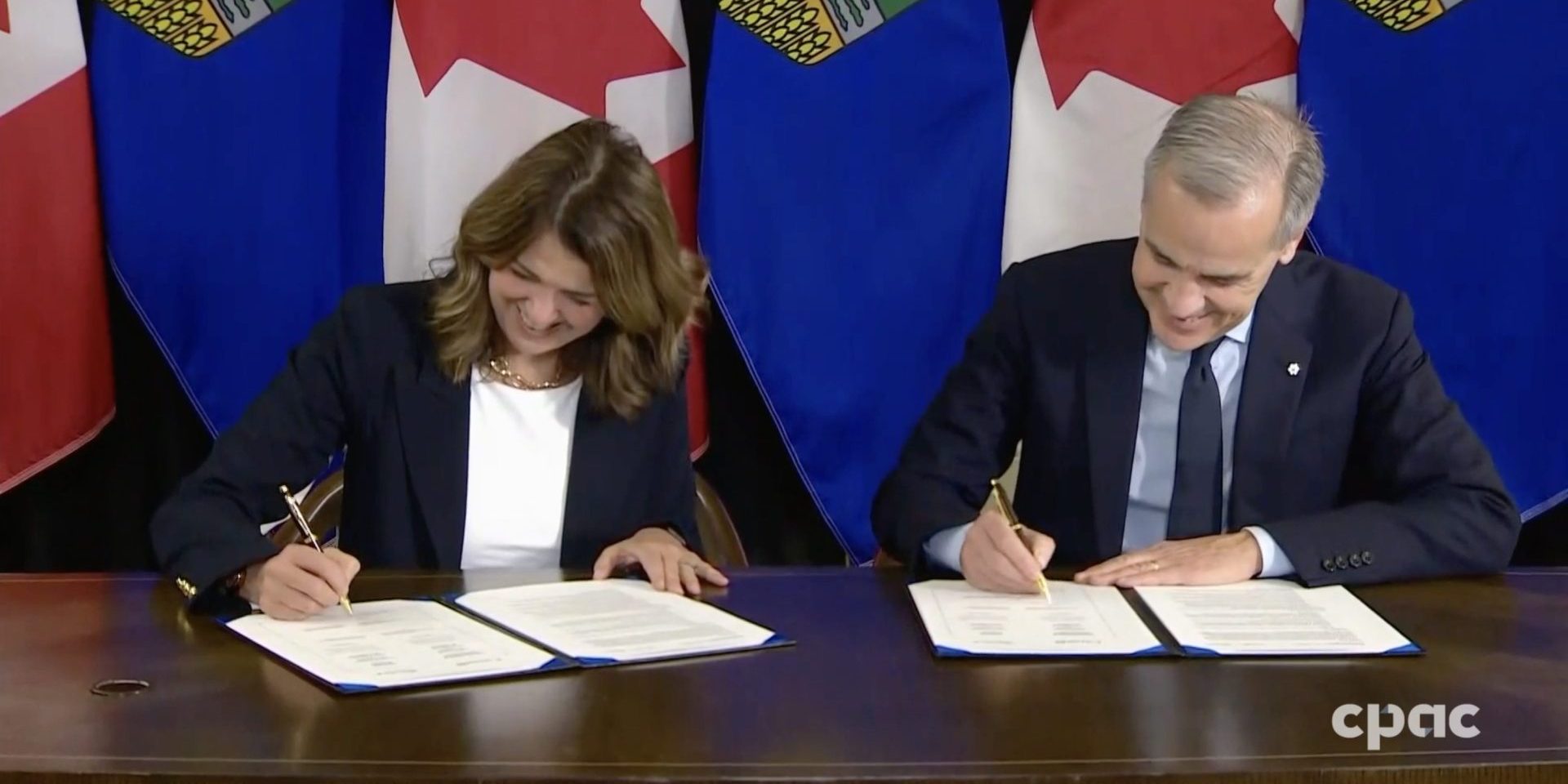
Conservatives face a ‘hard choice’ and should ‘be worried’ as the province confronts pushes for independence, says pollster Quito Maggi. ‘They can just hope that there is no election between now and when the referendum takes place.’
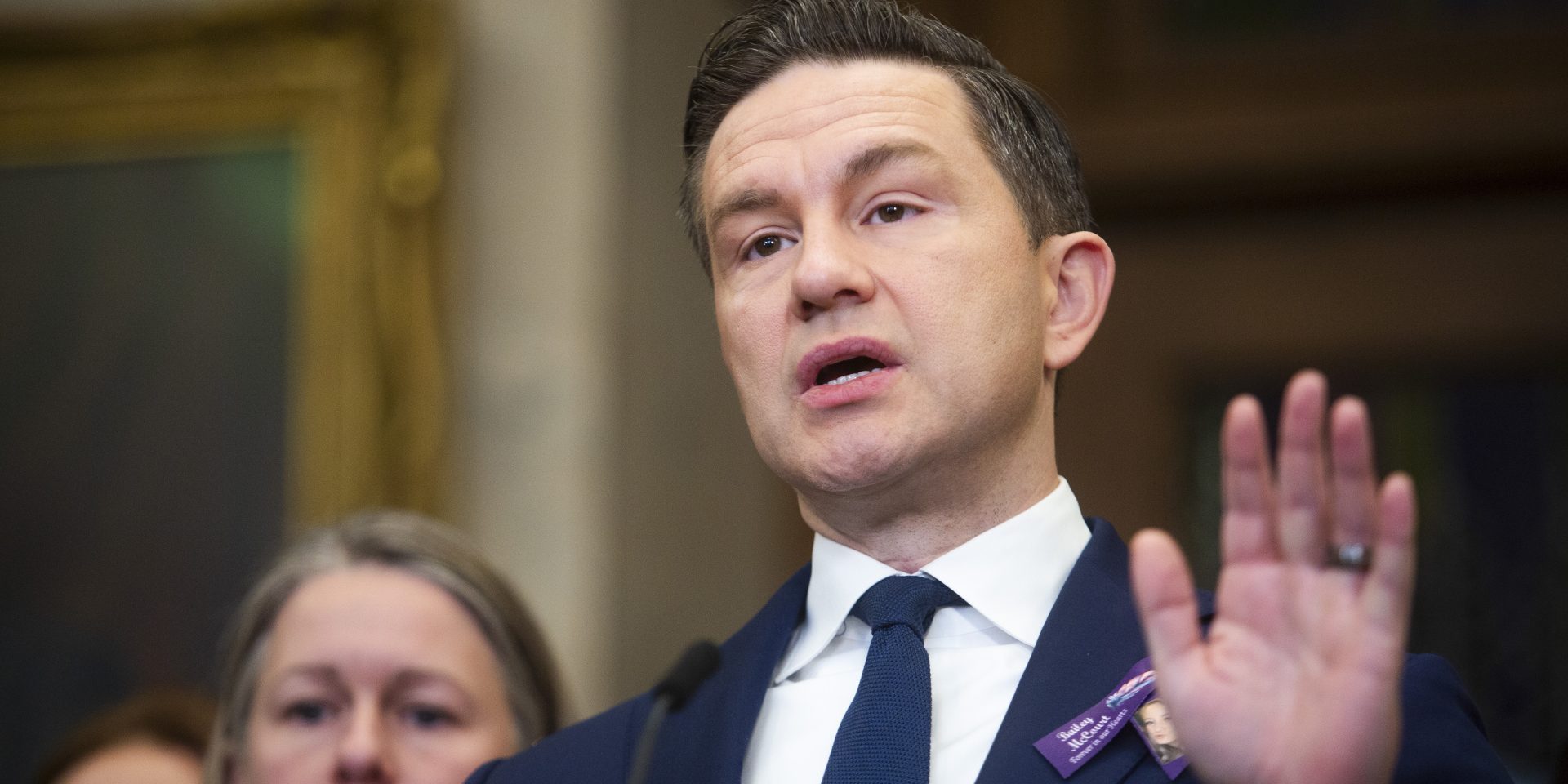
It shouldn’t only fall to Albertan public figures who no longer hold political office, like former premier Jason Kenney or past prime minister Stephen Harper, to speak up for federalism.

Nearly all Alberta Conservative MPs are declining to comment on the province’s separation talk, saying they do not want to give it more oxygen, and don’t want to undermine Conservative Leader Pierre Poilievre’s chances of forming government in the next election. Pollsters say the issue should be taken very seriously.

The Tory leader claimed his government would end separatist sentiment by renewing historic pride and delivering policies that would bring hope to disaffected youth in Alberta and Quebec.

Seven provinces and two territories don’t yet have deals even though Prime Minister Mark Carney said last fall that his government is committed to signing more agreements.

Pollster Shachi Kurl warns Ottawa against over-reading staffing tea leaves as ‘outsider’ Caroline Elliott’s star-studded campaign team competed with her official B.C. Conservative leadership launch last week.

Once political leaders learn they can dictate health policy through culture wars, the intrusion rarely ends.

Federal ministers and MPs should clearly reaffirm that equity, diversity, and inclusion are integral to public health, research excellence, and professional regulation—not optional political preferences.

When our government rewrites truth-in-advertising rules, it not only impairs consumer choice and dupes investors, but it also rigs the market to favour big polluters over genuinely green industries.
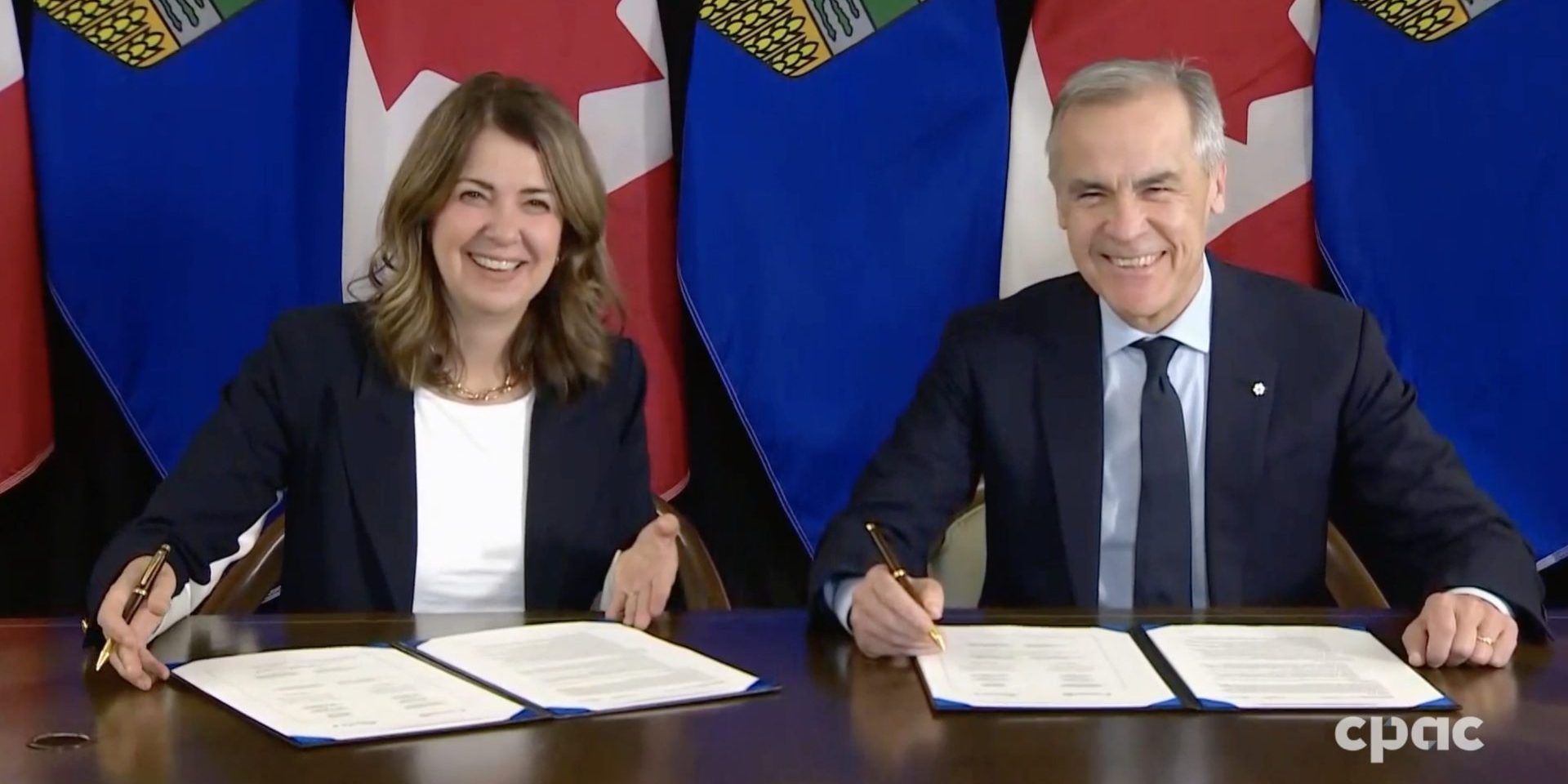
If the Smith government allowed private ‘urgent care’ and family care, it could open the door for innovation and personalization.

New Brunswick Premier Susan Holt nabbed second-most-popular premier in the December Angus Reid poll, followed by Saskatchewan’s Scott Moe. Quebec Premier François Legault was back of the pack with a 25-per-cent approval rating.
