

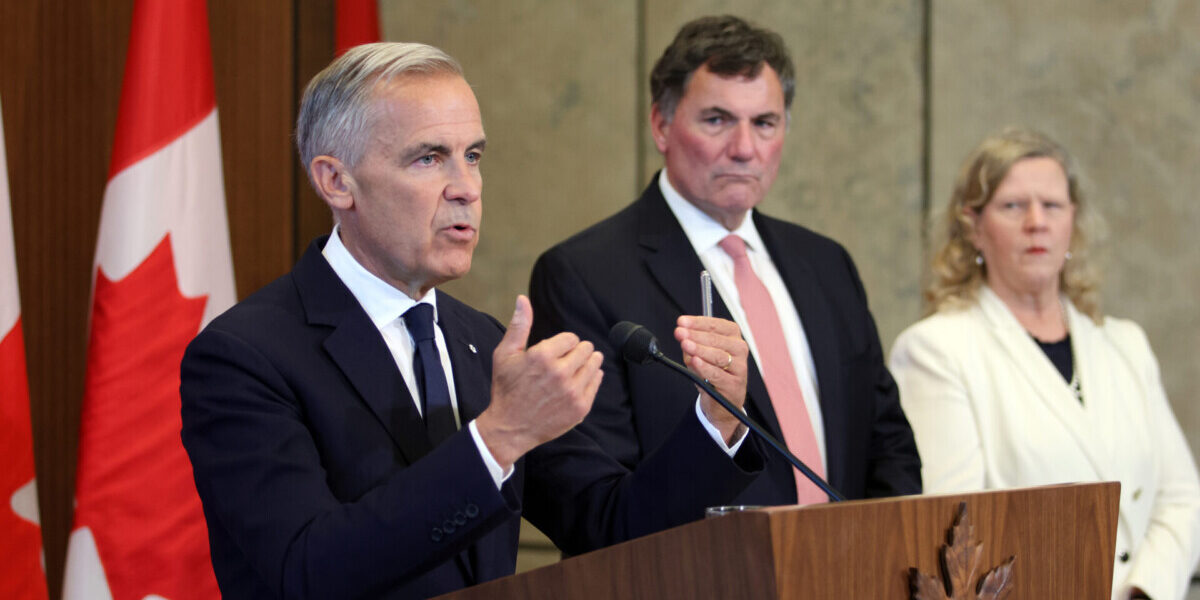
With such an unprecedented attack on our country, it is urgent for Canadians to demonstrate collective responsibility and counter what Prime Minister Mark Carney called a U.S. attempt ‘to break us, so that they could own us.’
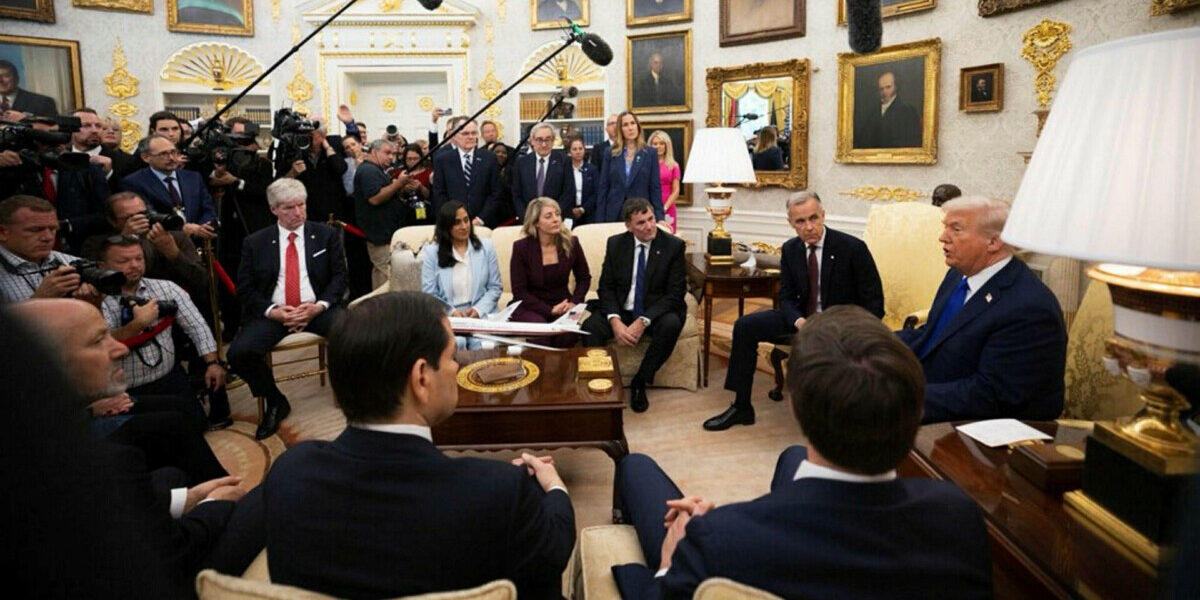
While the U.S. is most likely to demand exclusive development and supply partnerships with Canada and other individual G7 countries that have potential reserves of these minerals, Canada must resist such exclusivity while the unfair Sec. 338 and sectoral tariffs remain and urge its partners not to bind themselves exclusively to the U.S. for the very reasons that the two leaders stated in their joint Economist article.

Sadly, the lesson from the Brexit referendum is that once political leaders trigger unnecessary referendums, expected and unexpected dangers might become too difficult to manage, or impossible to suppress.

Perhaps it’s overdue for Canada to provide the kind of leadership that former prime minister Lester Pearson showed in winning the 1957 Nobel Peace Prize for his pivotal role in de-escalating and helping to resolve the Suez Crisis.

This author has deep respect and support for both leaders and their general approach to democratic governance, but there’s an unsettling difference between the two responses to what is clearly another illegal war. Spain’s response is a courageous and inspiring stand which helps to rebuild the shattered norms of global peace and security.
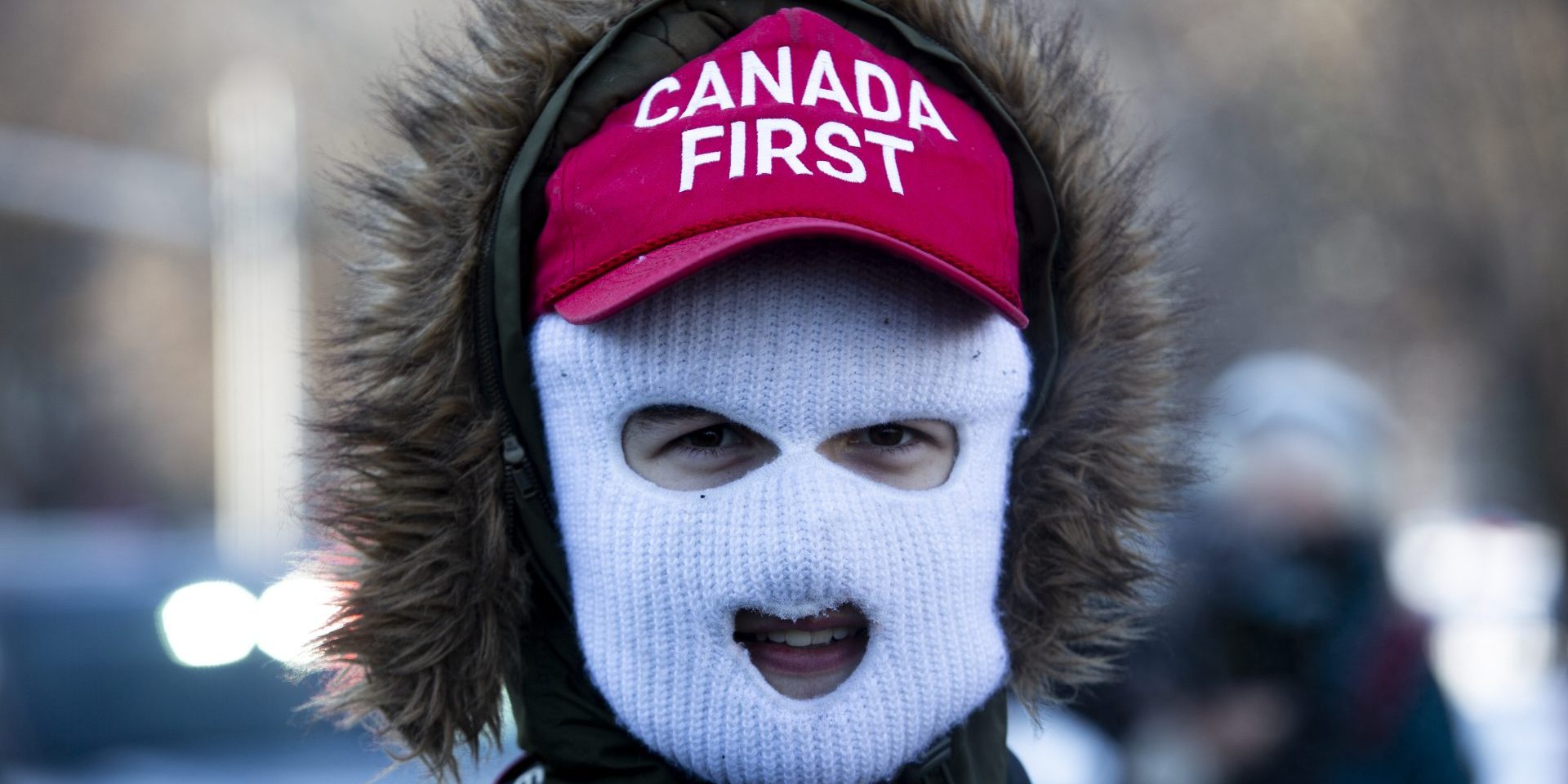
We have good reason to be concerned by the poison of misinformation and hate that willfully seeks to undermine our democratic norms and institutions.

The experts at the Quebec Chapter of the International Commissions of Jurists, Canada supported by several legal, civil society organization and Indigenous leaders insist that the potential violation of Canada’s international legal obligations by the proposed Quebec constitution requires the intervention of the United Nations Special Rapporteurs to recognize the human rights violations and call on the authorities to withdraw Bill 1.

Canada’s focus should be on cementing rules-based, new trading partnerships with the Latin American countries in the Mercosur trade bloc, seeking even closers ties with the European Union, and expanding trade with the 11 Pacific Rim nations.

We should also hope that the lawless nature of Donald Trump’s trade negotiations will be restrained not only by the actions of other major trading countries like China or the European Union, but also by the U.S. courts, capital markets, Congress and the electorate over the next three years.

Canada should continue working with European partners and others, who are also likely to face similar threats on the digital tax from the U.S. president and his billionaire friends, with the goal of finally establishing global tax reform agreements.

Senator Peter Harder’s bill would prohibit the pre-emptive use of the notwithstanding clause at the federal level.

What is at stake in both the Middle East and Ukraine is the continued survival of the norms of international law, peace, and security that if preserved and respected, will help to prevent the devastation of large parts of the human family now and into the future.

All leaders across Canada should be working with each other and the federal government to build up a strong domestic economy in the same areas Mark Carney has promoted with the U.S.

U.S. President Donald Trump has put both Canada and Europe at the children’s table in deciding on Ukraine’s fate and other global conflicts.

The goal is to have a united front at least until the results of the next election, and to show that Canada is able to withstand a bully.

We should not undermine our Charter of Rights and Freedoms by the increasingly excessive use of the notwithstanding clause against the society’s most vulnerable, unless we are willing to nurture our own versions of a northern autocracy that will destroy our democratic foundations.