

Before moving ahead, the federal government should clearly explain what problem privatization is intended to solve, what protections will be put in place for workers and communities, and how Canadians will be better served under a new model.

Canadians need more details on the feds’ proposed model, say observers, as it’s unclear how investors will generate a return on their investment—and if the buck will be passed to passengers.
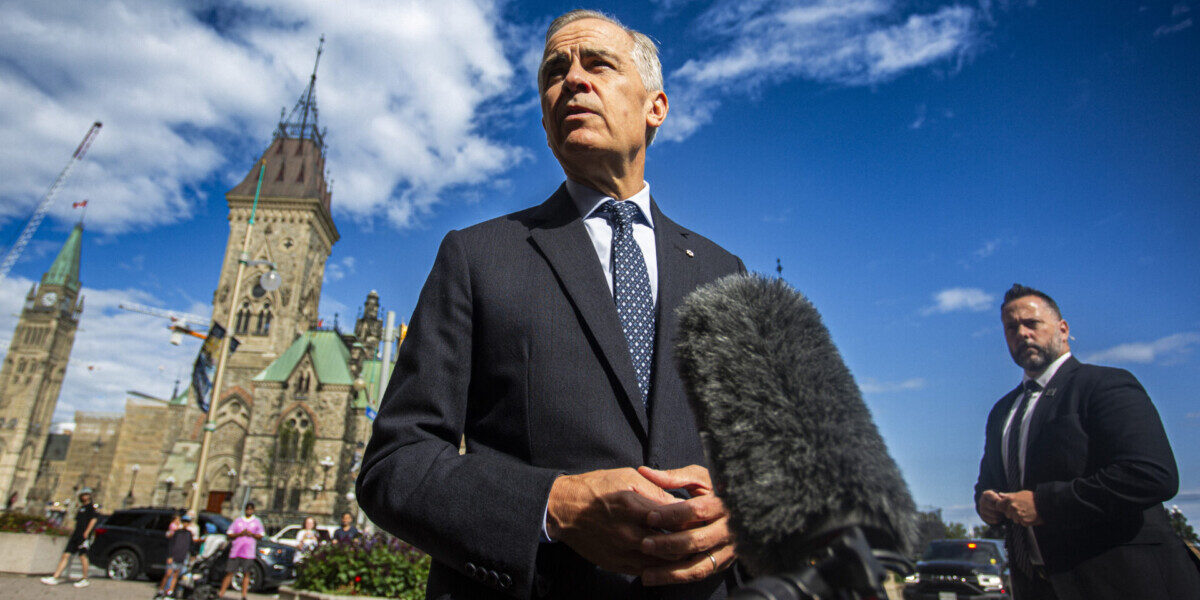
The lesson should not be about finding one person to blame. It should be about building a system of governance in which responsibility for decisions and outcomes can never again become this difficult to locate.
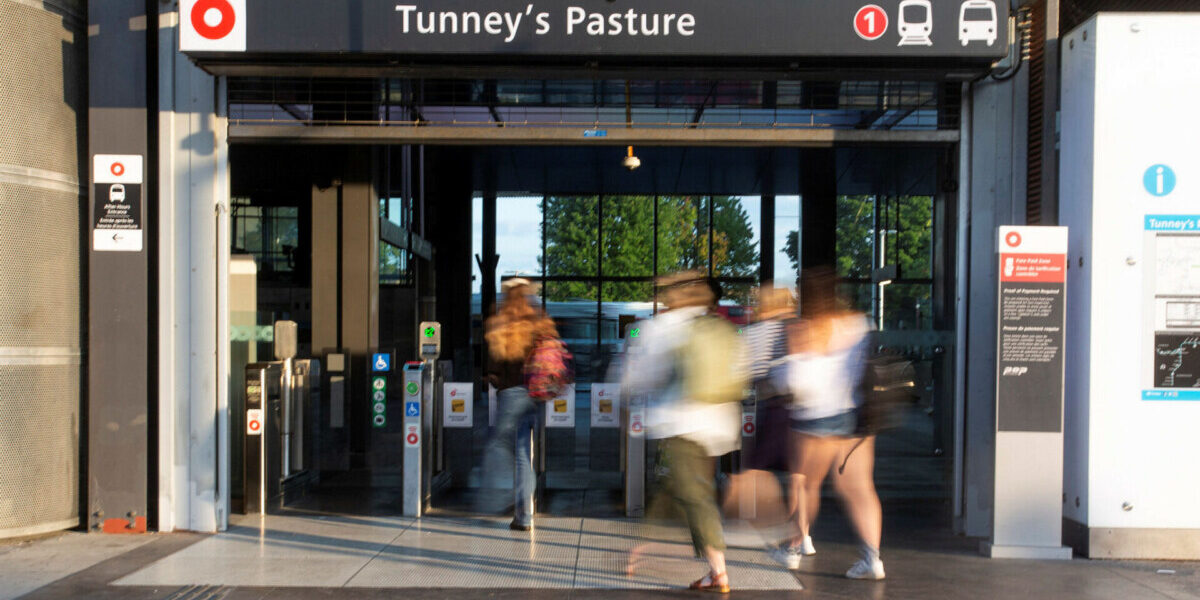
The government’s objective of financing new infrastructure is a worthy one. But selling one set of strategic public assets to finance another needs to take account of all of the economic, financial, social and community impacts.
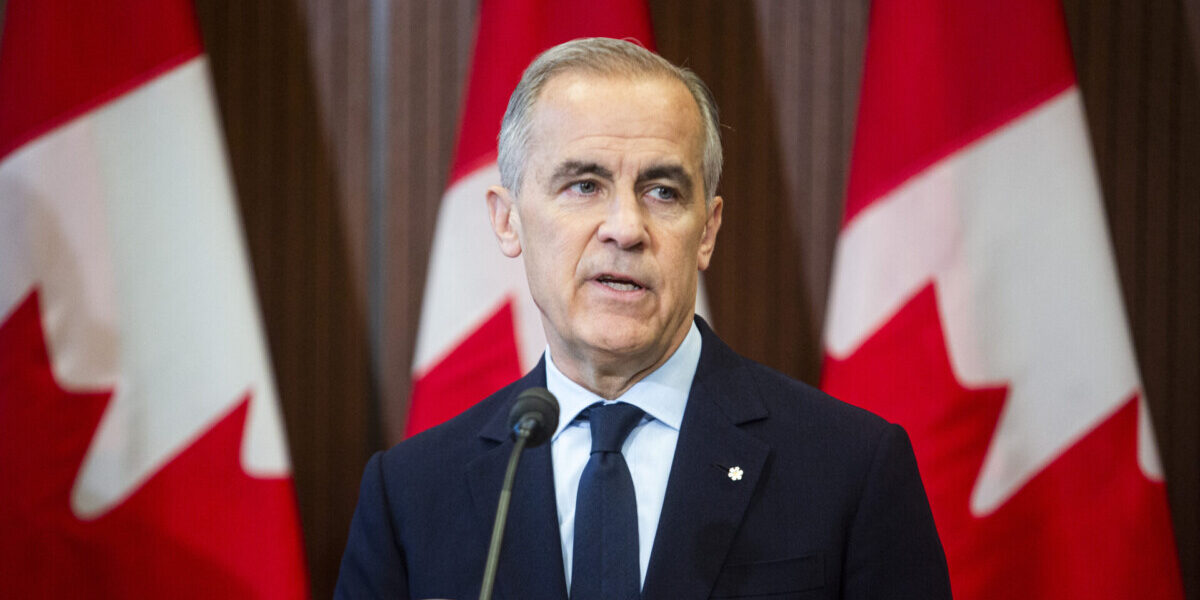
Transport Minister Steven MacKinnon recently said the proposed $90-billion Alto high-speed rail will ‘redefine travel among and in between’ Canada’s largest cities, but the feds need to be more transparent about the plan.

Canada must deliver a robust national highway strategy to secure our economic future with predictable and flexible long-term investments, clear national priorities for trade-enabling corridors, and strengthened connections to ports, rail, terminals, airports, and major industrial regions.
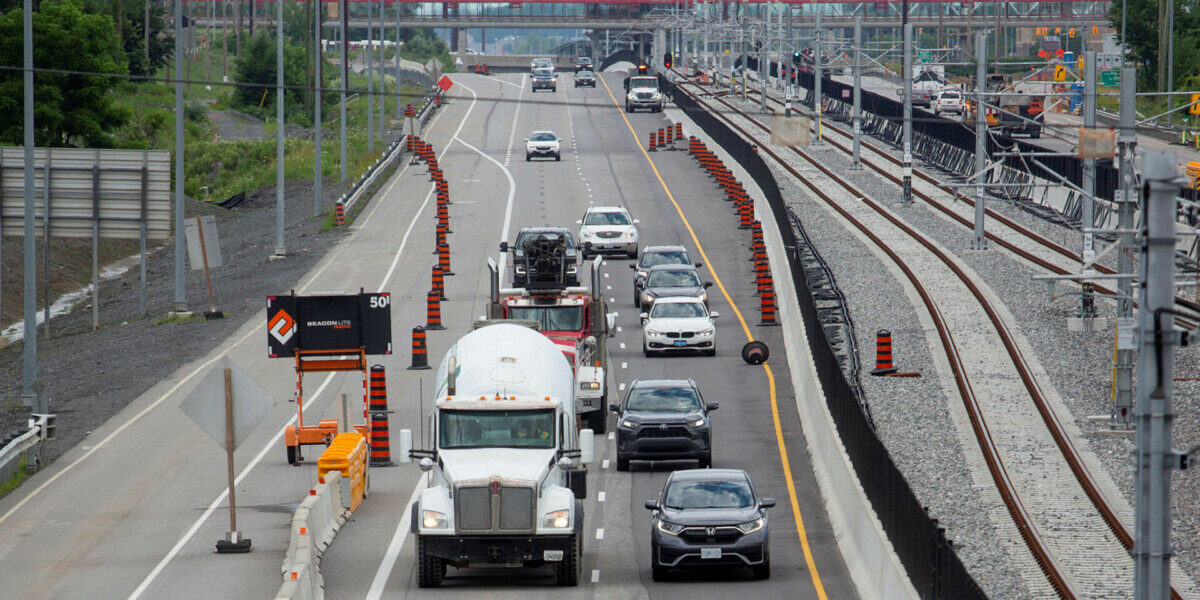
A country that needs multiple years to issue permits to retrofit an outbuilding is probably not one that is going to pull off a project that would cost tens of billions of dollars, take decades, and cross numerous jurisdictions, requiring significant land expropriation and considerable consultation with Indigenous Peoples.

‘We are deliberately being kept in the dark,’ on Alto details, says Conservative MP Scott Reid, who represents Lanark-Frontenac, Ont.

Nation-building projects should, by definition, build our nation.

The chain of decisions did not begin with former mayor Jim Watson, though he bears significant responsibility for procurement and oversight failures. The first domino fell when Watson’s predecessor, Larry O’Brien, cancelled the original north–south Siemens light-rail project, scrapping years of engineering work, environmental approvals, and federal funding agreements.

Liberal MPs from Toronto as the last line of defence for the city and its residents on the potential expansion of the Billy Bishop Airport. Unfortunately, most of these MPs are ducking residents on the issue or sharing vague, scripted responses.

Despite the current policy, Canadian content requirements wouldn’t necessarily apply to the upcoming Via Rail contract since its process began in 2024.

The government should instead focus more on transit in major urban centres as it would address residents’ immediate concerns about traffic while also delivering electoral benefits, says Innovative Research president Greg Lyle.

As our own transit systems and rail lines become increasingly automated and data-driven, they become prime targets for malicious actors. Canada needs a comprehensive strategy that aligns with our NATO allies.

Will lessons learned the hard way change the way we recalibrate our approach? Experimental sector revivals with big foreign players have not worked out, and likely never will.

Ottawa should formally define vehicle subscriptions in law, rather than forcing them into categories designed for ownership, leasing, or simple rentals.

Reducing third-party fees or the onerous air passenger rights obligations would generate large reductions in fares, increases in traffic, and ultimately benefits for the economy.

Canada does not have the luxury of moving slowly. Because the world is getting less stable—and our closest trading partner is getting less predictable.

The U.S. market is a natural home for Canadian exports. Diversification requires unwinding this integration while maintaining the economic lifeline it provides.

The Canada–U.S. trade relationship isn’t going anywhere, nor should it. But the mental model that has governed Canadian trade policy has to change.

The status quo on infrastructure could quickly compromise our ability to meet the moment and maximize our economic gain.

Reliable and efficient port operations are essential to supply chain resilience.

The grand old Ottawa Union Station should be brought back to its original purpose and glory. Our city needs a train station downtown to best serve the people of Ottawa, tourists, MPs, Senators, cabinet ministers, and staffers. Think big for this beautiful city and for the generations to come.

While Canada’s digital services exports have grown rapidly, they have not grown as rapidly as those of peers with similar levels of AI research expertise or GDP.

Diversifying our trade partners is not a slogan; it’s a practical shift in how we produce, move, and sell Canadian goods and services. It’s also a test of whether our growth agenda is inclusive especially for Indigenous peoples whose leadership and entrepreneurship are essential to long-term prosperity.
