

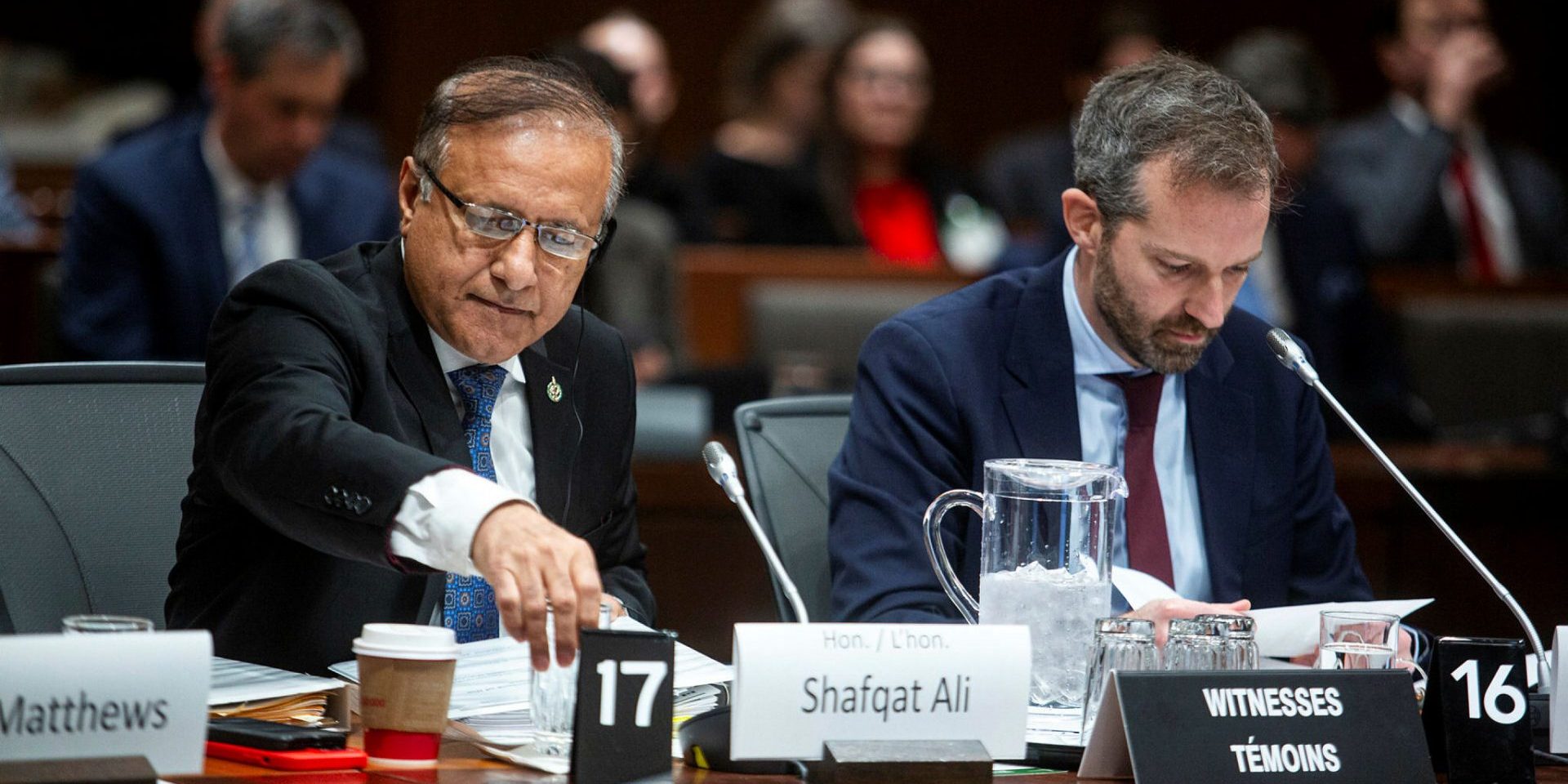
As Ottawa shrinks the public service to rein in operating spending, Shafqat Ali declines to estimate how many involuntary departures may still be needed, while PSAC urges a reassessment of the cuts.

The feds want the new organization to expand AI, rebuild in-house expertise, and help Canadian tech firms grow, raising questions about whether those goals can coexist without deepening dependence on outside suppliers.

For Canada—and the CAF—to survive the current trade war, doing the same old thing with the same old U.S. firms just isn’t cricket. And if senior officers don’t understand that is part of their duty to all Canadians, well, enjoy the lecture circuit.

Work-Sharing applications are taking an average of six business days to process, while frontline workers and unions warn that maintaining service levels will depend on staffing capacity.
The government established a two-stage competitive procurement process using a design-build delivery model where a builder who would be responsible for both the design and construction partners with architects and consultants. The competition and procurement process that will be open to eligible Canadian firms is under scrutiny for its limitations.

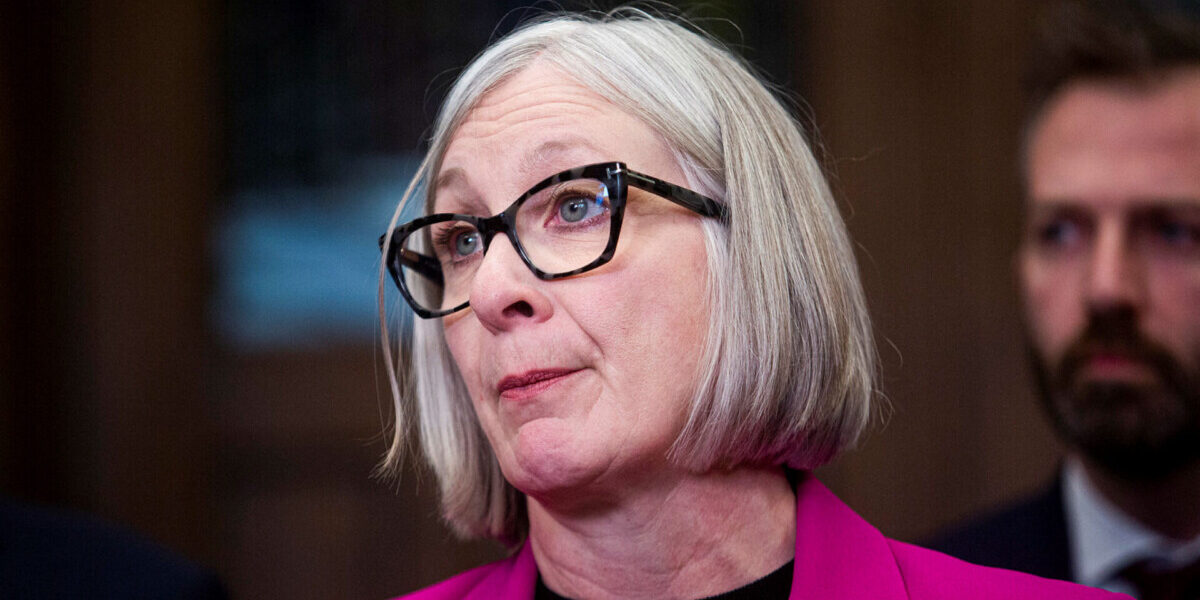
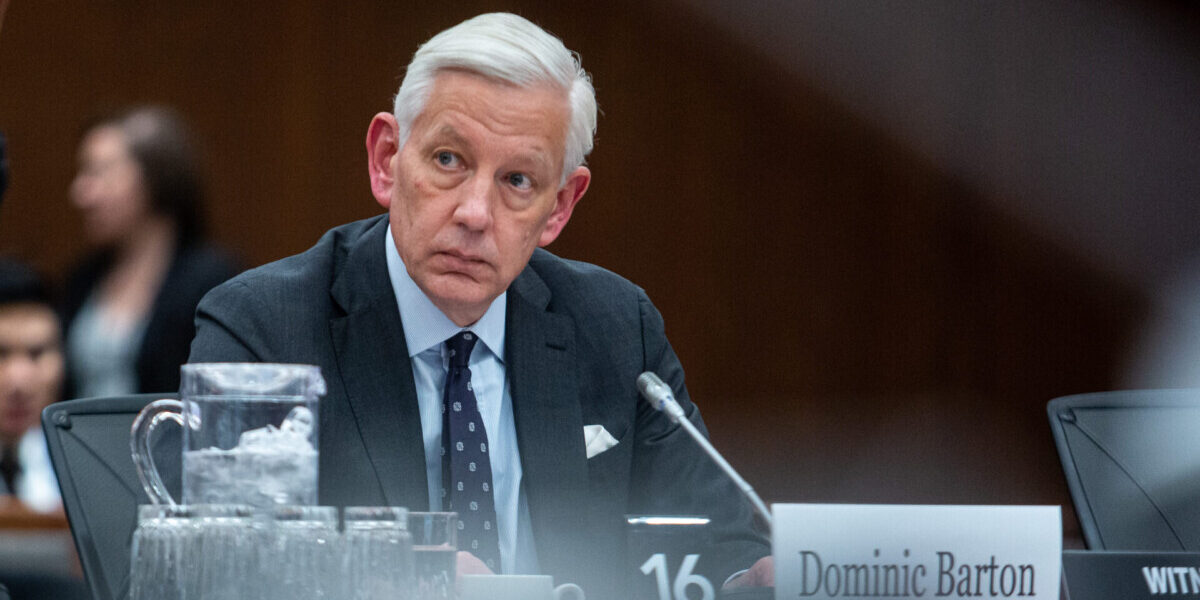
The agency’s 2026-27 departmental plan outlines fewer staff and lower spending even as Ottawa signals a more prominent role under the new leadership of Dominic Barton and Gurinder Grewal.
New federal data show early-retirement applications nearing the scale of planned workforce reductions in some departments, but former senior officials say the effect on layoffs will depend on which jobs are vacated, and whether they need to be refilled.
The commission says it is becoming more efficient, but demand continues to outpace capacity as federal spending reductions move ahead.

The union representing National Defence staff says mould remediation has either taken place or is underway in three buildings, and calls for a campus-wide assessment of humidity, moisture, and indoor-air-quality problems dating back to at least 2018.

Twenty-six of the 29 people interviewed for the report—including program officials, and employer and employee representatives—identified problems affecting inspections, including staffing and funding constraints, training gaps, turnover, and geographic barriers.

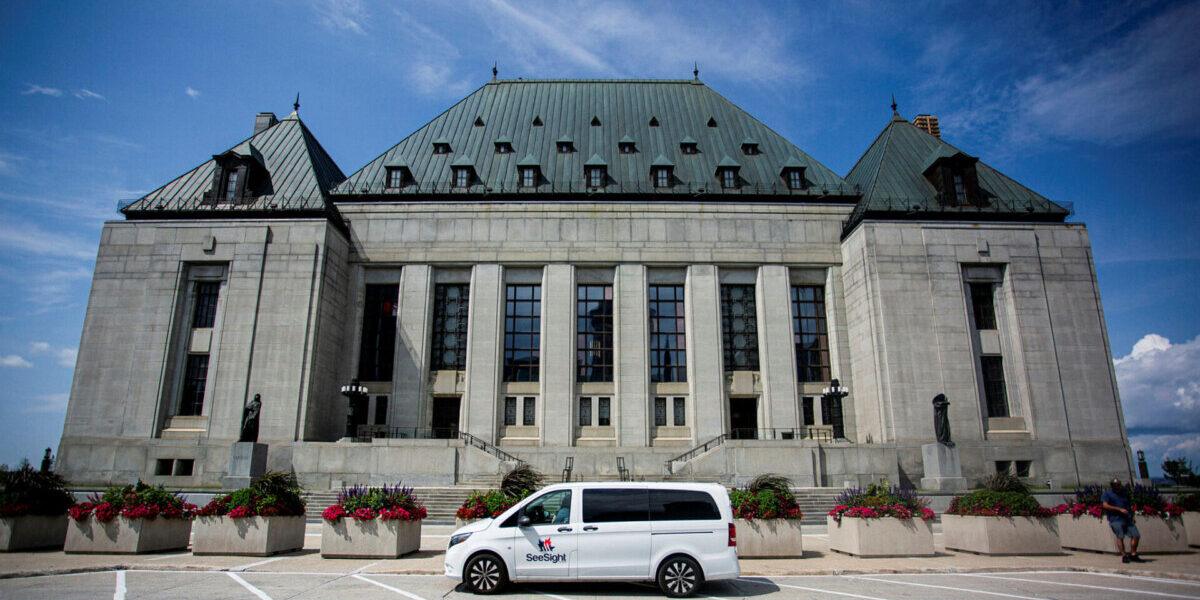
‘I have every confidence that it’ll be great, but it will be different,’ says former Supreme Court clerk Jeremy Opolsky of the top court’s new home.
The federal government has begun building guardrails for AI, but a safeguard that is never tested or audited risks becoming a good intention rather than a meaningful protection.

In the context of trade routes, mineral exploration, and U.S. President Donald Trump’s constant threats to annex both Canada and Greenland, the North is the key area of focus for our preparations.

None of the 250 new inspection and oversight roles promised under a $30-million ‘reinvestment’ have been filled, says Agriculture Union president Milton Dyck.
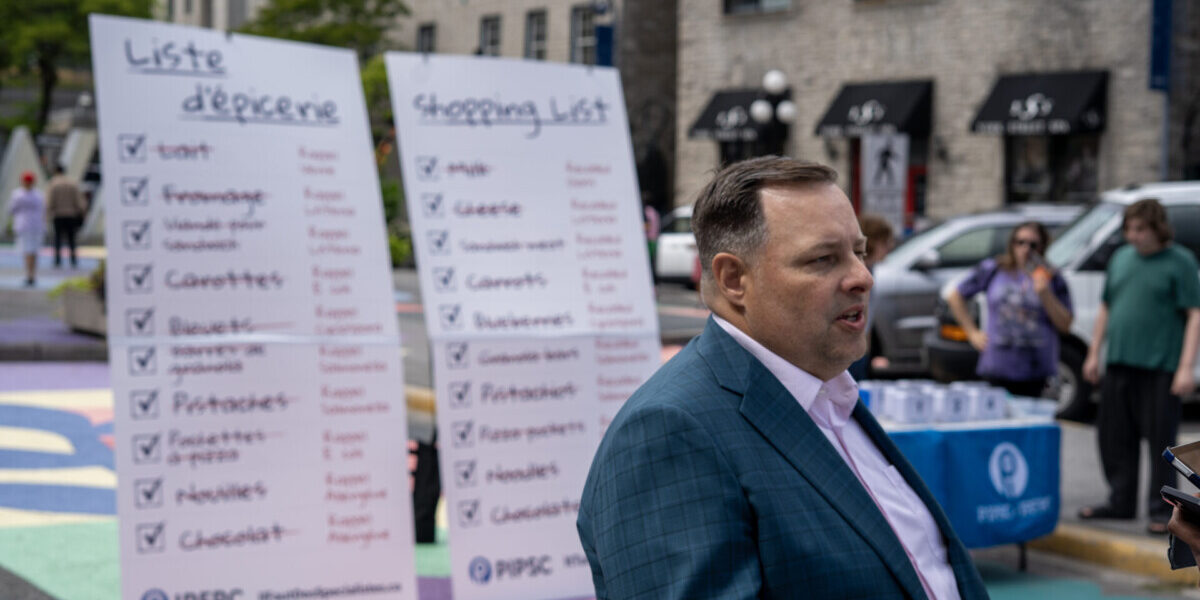
PIPSC says it has confirmed examples in six departments and agencies where in-office presence is included in performance reviews, while Treasury Board says managers may include onsite-presence expectations in performance agreements.

Among Public Service Alliance of Canada members who have received notice their jobs are at risk and who disclosed their gender, the vast majority are women. Treasury Board has not released its own gender breakdown of workers receiving affected notices.

The Canada Revenue Agency spent $4,900 on the four pilots, with experiments including generative AI in workforce adjustment, labour relations, and performance management.

The July 1 storm affected 17 federal properties in Ottawa and two in Gatineau, with roughly 100 staff affected at a CBSA laboratory and workers temporarily relocated at other west-end sites.

The government’s $12-million spend in 2025 could be partly explained by it being an election year, but ‘if that becomes a longer-term trend, I think, could be concerning, just because I think it’s useful to get that that information,’ says former PMO pollster Dan Arnold.

The new Small Business Procurement Program, part of the government’s Buy Canadian policy, creates opportunities, but ‘we need to see the details,’ says the Canadian Council of Innovators’ Daniel Perry.

Complaints rose to 227 last year while investigations and founded cases both declined, and Global Affairs Canada did not directly explain the shift in response to questions from The Hill Times.

Jocelyne Bourgon and Mel Cappe say major reductions require decisions about what government should preserve, redesign, or stop doing.

Seven in 10 employees living with disabilities who needed but did not request an assessment accommodation feared it would hurt their chances of succeeding, according to a Public Service Commission survey. Interviews suggest those concerns can also influence decisions about promotions, transfers and other career opportunities.

The dispute involving 42 Ottawa and seven Montreal security officers prompted the Bank of Canada to close its Montreal facility and move critical and time-sensitive operations to Toronto, while the CIRB has twice ordered it to stop using replacement workers to perform striking officers’ work.

A group of public and private sector leaders are offering the federal government advice on improving how it functions, hoping to fix poor service delivery, turgid decision making, and opaque accountability wherever it exists.
