

On average, women with endometriosis wait more than five years to get a diagnosis in Canada, and women with heart disease are still more likely to be misdiagnosed or dismissed compared to men.

The modern Senate is increasingly presented as ‘independent,’ expert-driven, and above politics. But democracy is not supposed to be above politics. Politics is how citizens assign responsibility. When governments fail, Canadians can vote them out. When parties overreach, the public can punish them. Visibility matters.

Under the previous model, Senators affiliated with a party were accountable to a leader and a national caucus. Their legislative behaviour was often shaped by party strategy, electoral considerations, and message discipline.

Senators’ public bills represent about one-third of non-government legislation being studied by the House. Senator Percy Downe says the Upper Chamber has ‘to be more responsible,’ taking care not to ‘flood the House of Commons’ with these bills.

A genuine process of dialogue between the two Chambers must be developed to facilitate the serious yet efficient consideration of government legislation by the Senate.

The move to a more independent Senate—now coming on 10 years—has improved the institution’s standing among Canadians but it has not solved the fundamental problem of its legitimacy deficit as an unelected Chamber.

It does hew a little more closely to the curious side of the spectrum that Prime Minister Mark Carney had nothing to say about the Senate until after he had secured a majority in the House of Commons following a spate a floor-crossings and byelection victories.
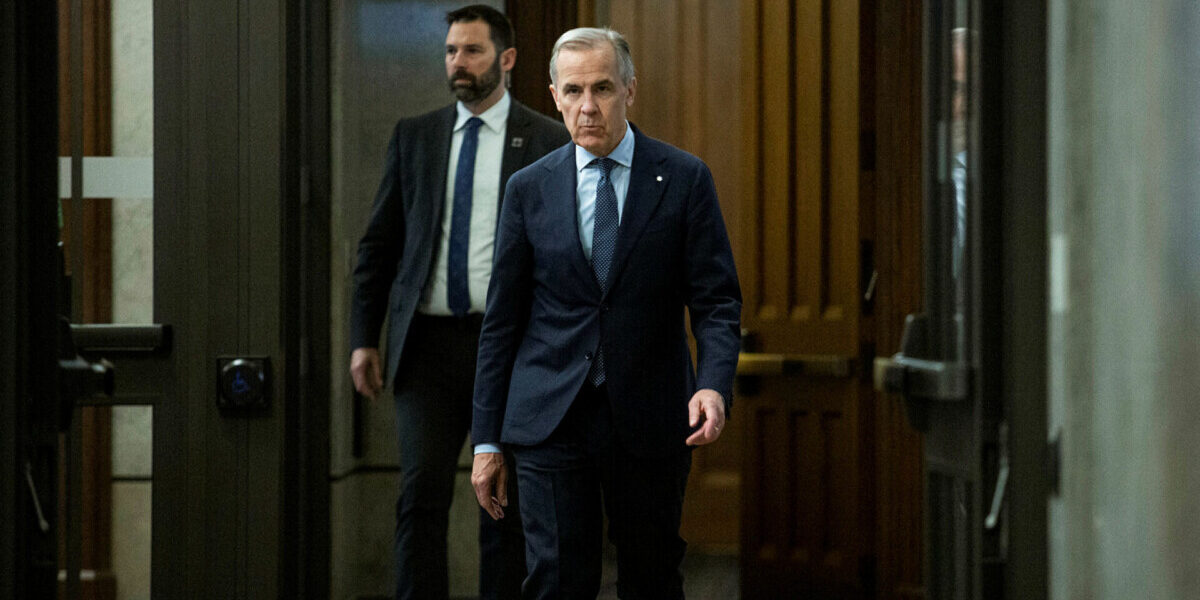
For the first time, Prime Minister Mark Carney said he will listen to the advice of the almost entirely vacant advisory body on Senate appointments, and has committed to appointing new Senators ‘in due course.’

In the past, the Senate of Canada had a special committee on the Arctic, which should be reinstated.

At times, Smith says his work as a senator felt a bit like being back on the football field, from learning the ropes as a rookie to playing defence amid the Senate expense scandal.

‘I wish I hadn’t got this sick, but I can’t choose the card that I am dealt, but I can choose how to play them,’ says ISG Senator Stan Kutcher, who is delivering his farewell speech on May 7 in the Upper Chamber.

Canada does not need a reimagined Senate. It does not need constitutional experimentation disguised as reform. And it certainly does not need an Upper Chamber that contributes to legislative backlog while criticizing the government for doing the same. It needs a Senate that understands its role and has the discipline to perform it.

A joint parliamentary committee is studying recommendations for the eligibility of medical assistance in dying for those whose sole condition is mental illness. It’s currently set for implementation in 2027, following two delays in the last three years.

A number of Senators have reportedly been weighing the idea of establishing a group more focused on prioritizing government business since the start of the new year.

The recommendation calling for a leader of the government in the Senate to be appointed to cabinet faced some opposition at the committee table.
The national and Quebec groups representing obstetricians and gynaecologists say a bill naming coerced sterilization in the Criminal Code could lead to physicians hesitating to provide critical care during emergencies for fear of prosecution. But Senator Yvonne Boyer, the bill’s sponsor, and Justice Department officials say doctors have legal protections in these situations.

The decision was reportedly made after an Indigenous Senator touring Centre Block raised questions about the decorative paintwork on the walls and ceiling of room 256-S.

Senate amendments on Bill S-2 should not be accepted as a solution for all communities. Don’t impose a one-parent rule when First Nations should have the power to enact their own laws on status and band membership.

Disregard it if the federal government says, ‘No.’ It has never had a legal right over us to say who belongs and who doesn’t.

Non-affiliated Senator Marilou McPhedran says while the report is a small step forward in recognizing challenges faced, she’s not optimistic about the ‘minimalist’ changes proposed.
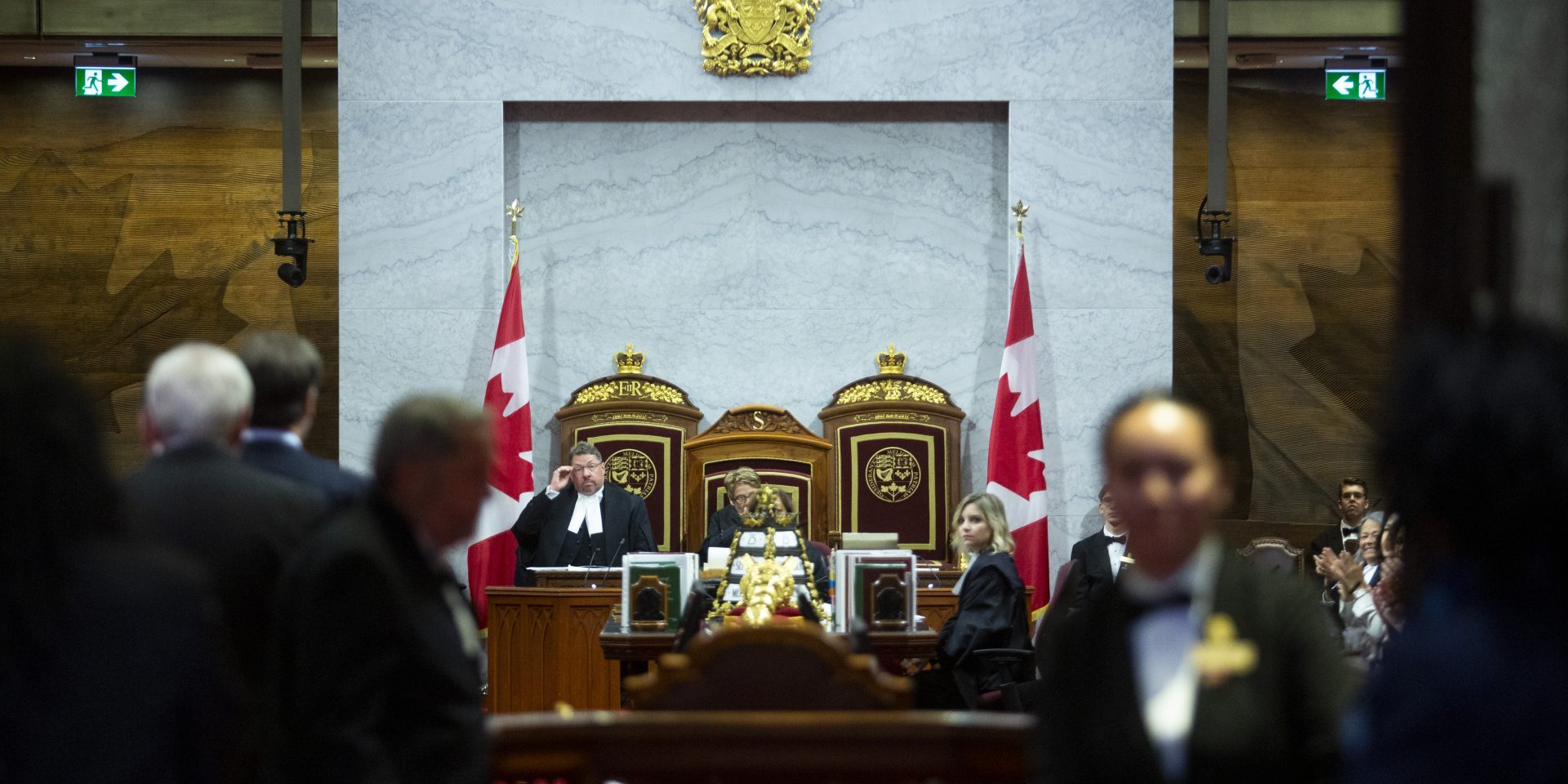
If passed as is, Bill C-12 will impede the right of people fleeing persecution and torture to access asylum in Canada, undermining our government’s obligations under international law and risking our status as a global leader in the field of refugee protection.
Members of the Senate Social Affairs and Human Rights committees say they aren’t waiting on government bills before pursuing accountability, enforcement powers, and clearer safety standards for the rapidly evolving technology.

Banning NDAs or releasing those with such agreements does not appear to be in the cards, but victims want relief.

After her two daughters’ health issues were nearly misdiagnosed, Sen. Danièle Henkel decided to focus on women’s health in the Upper Chamber. The result is Bill S-243, the National Framework for Women’s Health in Canada Act, which is now at second reading in the Senate.
The bill’s proposal for a new timeline for refugee applications that would be in effect starting in 2020—more than five years prior to the bill even being passed—and the power to cancel large numbers of immigration documents at once are causing concerns.