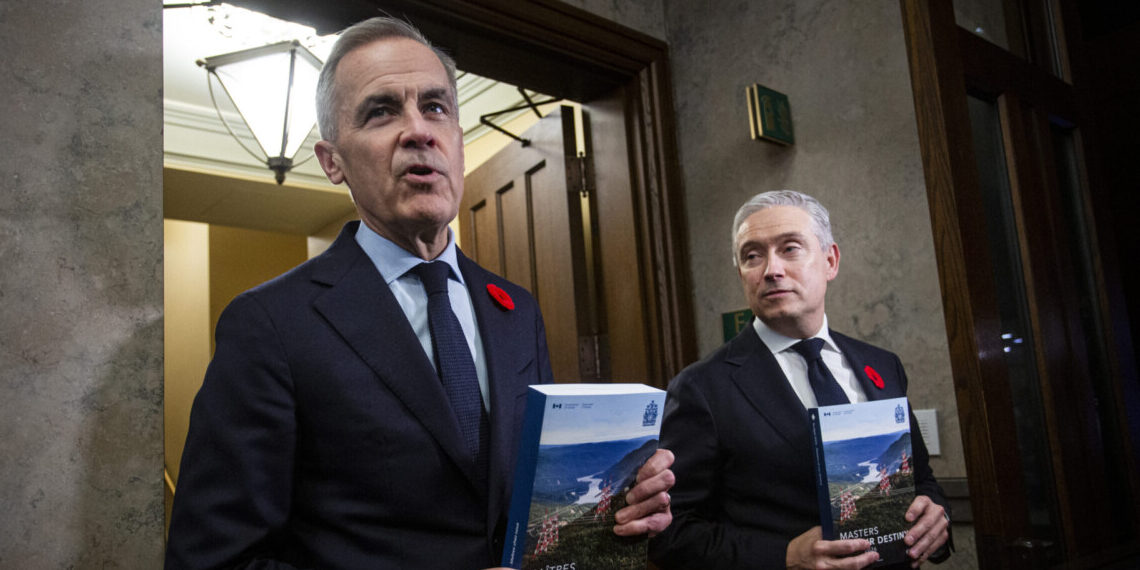
The proposed $31-billion transaction would reduce the number of national telecom carriers from four to three, and critics are worried the deal could drive up internet and cell phone prices for many Canadians already struggling with the cost of living.
Daniel Perry, director of federal affairs at the Canadian Council of Innovators, says the bar to qualify as a Canadian company is low, and MDA’s Mike Greenley says it should be defined as headquartered and controlled in this country.
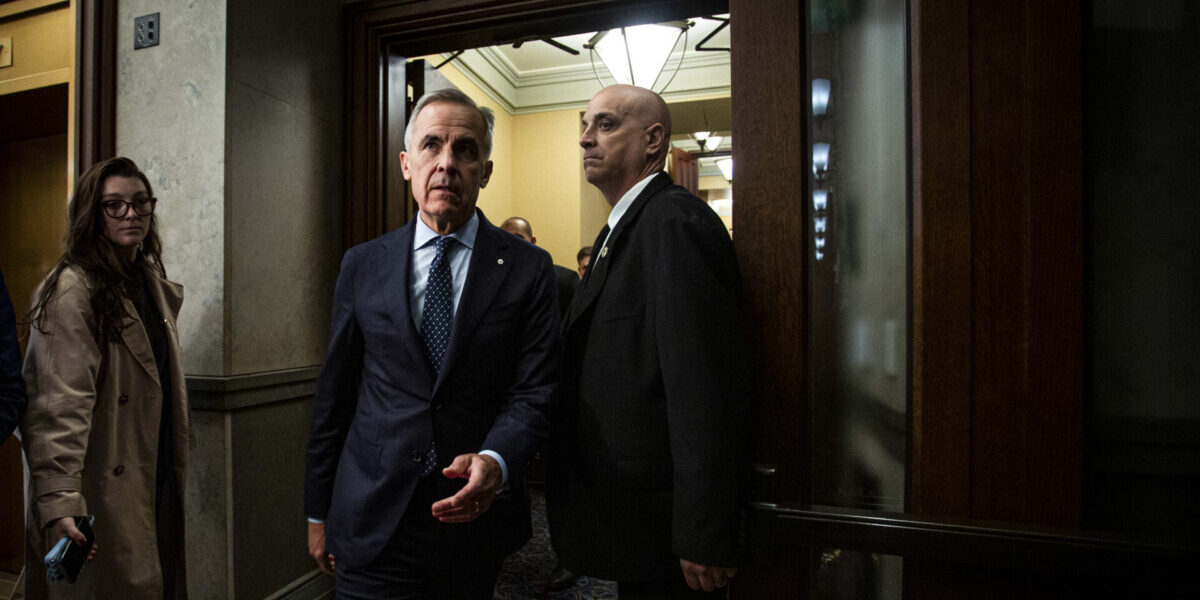
Budget 2026 lowered the 2025-26 deficit to $39.3-billion when months earlier the spring economic update projected it would be $66.9-billion. It also cut the forecast for old direct program expenses by $62-billion in the next five years, but offered little reason for these changes in a move a former Finance Canada official says is ‘unacceptable.’

Despite mixed feelings about the 2023 strike and lingering doubts about PSAC’s leadership, some public servants say they’re prepared to walk out again, while others remain undecided, weighing the financial risks against the possibility of securing better wages and working conditions.

Only 73 per cent of first Old Age Security payments met the department’s timeliness standard in 2025–26, with federal officials citing funding shortfalls and insufficient capacity.

A new Environment and Climate Change Canada report projects Canada will fail to meet its 2035 emissions target by 13 per cent, but experts say the goal is even further from reach, thanks to environmental policy walk-backs from Prime Minister Mark Carney.
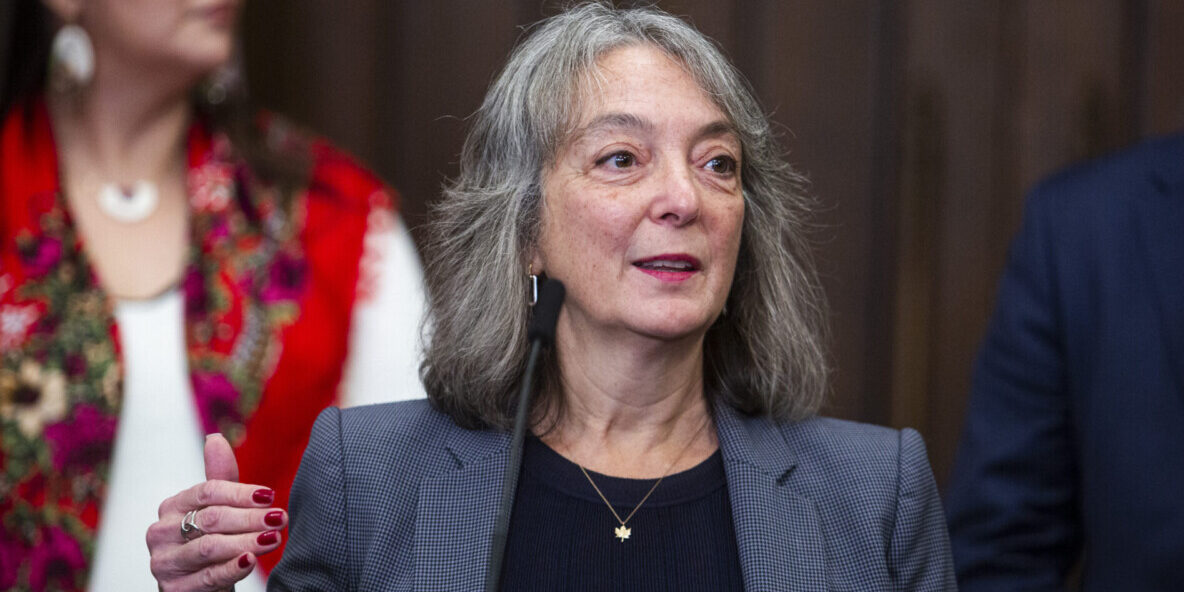
Public Sector Integrity Commissioner Harriet Solloway says the $37-million increase over five years won’t eliminate delays for public servants reporting wrongdoing, while the first $8-million will arrive too late to spend this fiscal year.

The foreign ministry is citing a ‘largely stable’ property budget amid portfolio growth and rising construction costs as the reason for missing a target of having 85-per cent of Crown-owned properties abroad in ‘good’ or ‘fair’ condition.
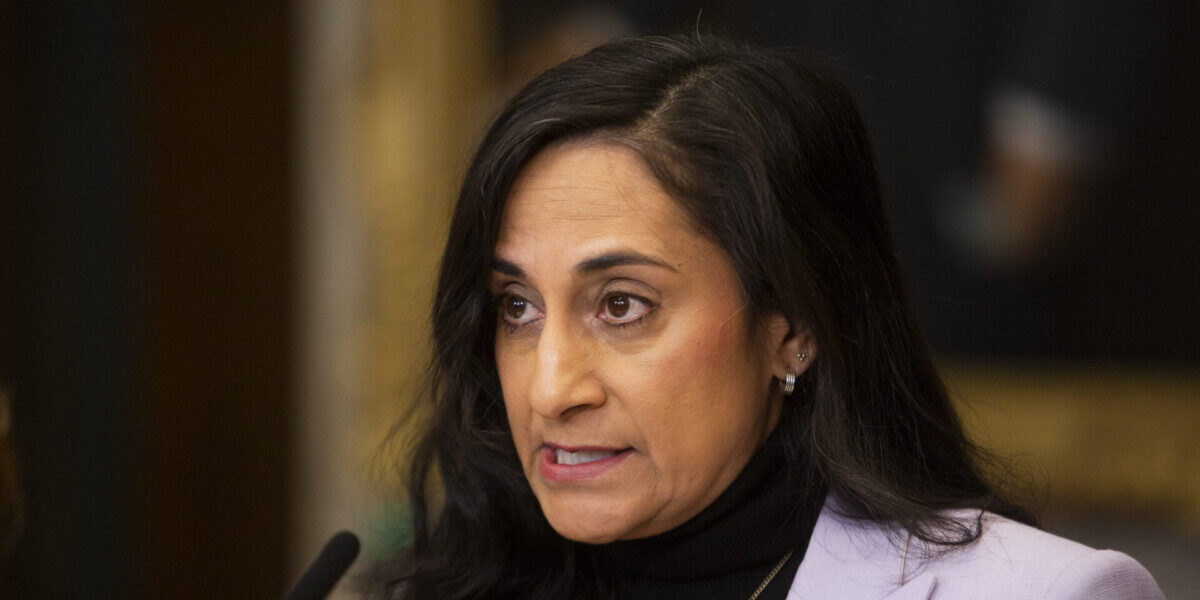
Canada should decrease its reliance on the U.S., but there may be some purchases where it makes sense to stick with American suppliers, says the Canadian Defence and Security Network’s Stephen Saideman.
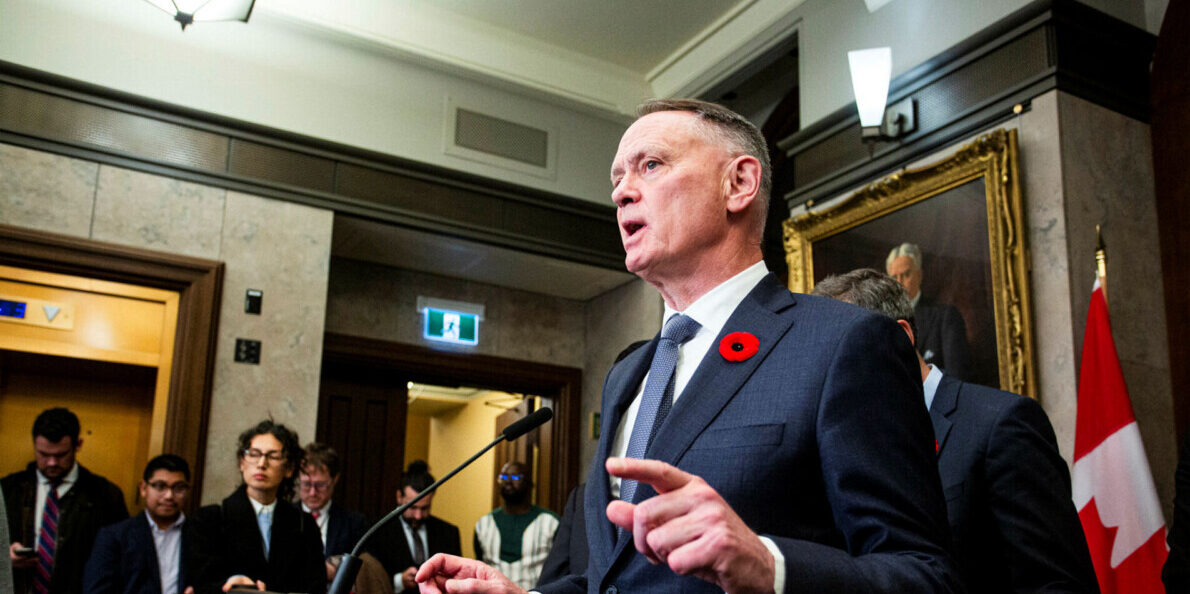
With $445-million earmarked for expanding the Journalism Labour Tax Credit eligibility to broadcasters, alongside hundreds of millions more in subsidies for publishers and producers, industry leaders say federal support is essential to keeping reporters employed, while critics warn of a growing dependence on government funding amidst an uncertain future for the Online News Act.
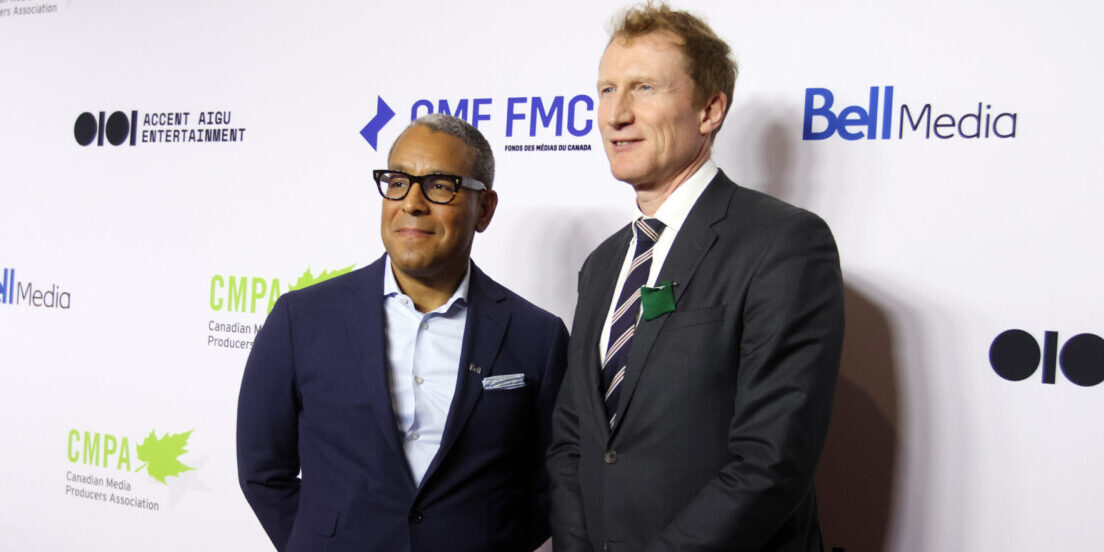
The CSE says the project is essential for national security. Senator Colin Deacon says it should also create benefits for Canadian businesses and local residents.

Veteran pollsters say a credible path forward for a party struggling to break through matters as much as accurate data, but disagree over whether the problem is bad research, low morale, or an electoral playbook in need of an upgrade.
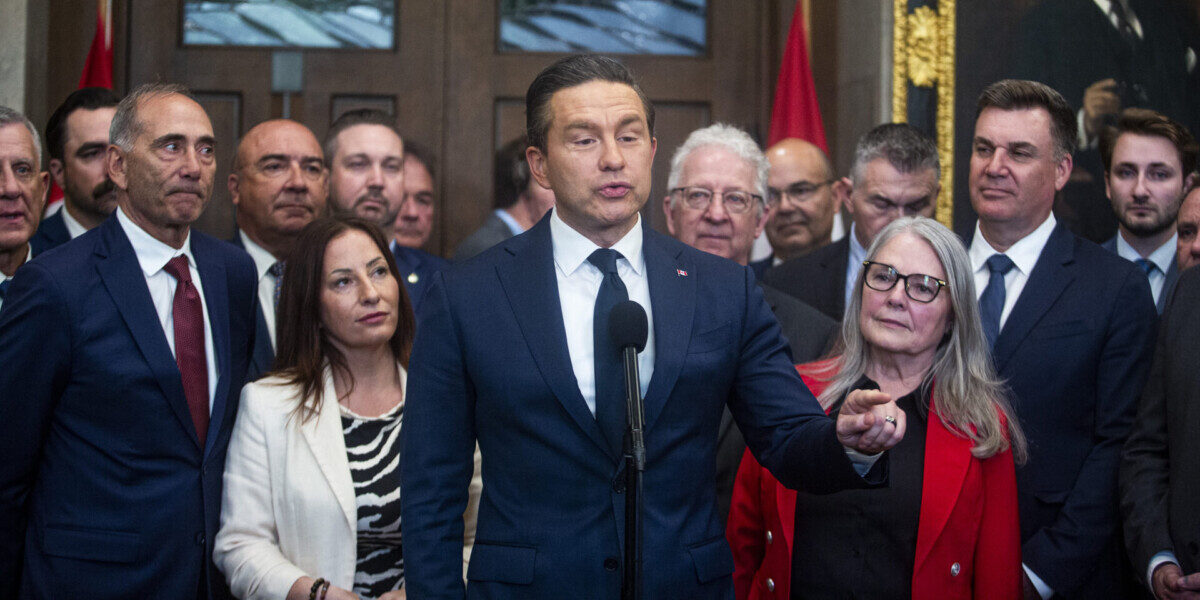
Canada’s NATO deterrence mission had a budget of more than $1-billion in 2025-26, but actual spending only reached $650-million.
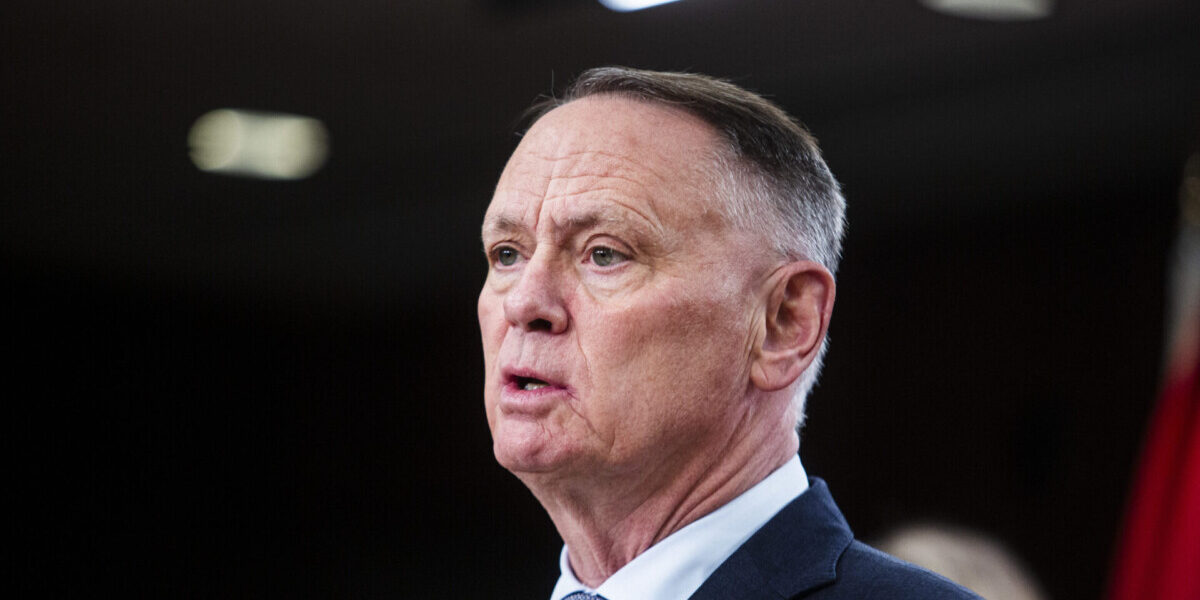
The government ‘shouldn’t condone or be facilitating any expropriation of land for the Alto high-speed rail project’ before Parliament conducts a full investigation, says Phil Mount, vice-president of policy at the National Farmers Union.
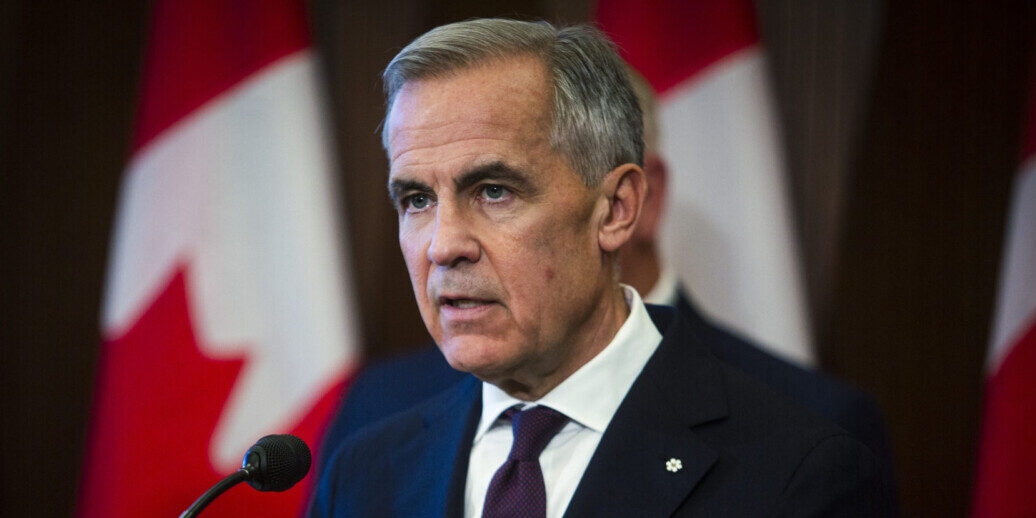
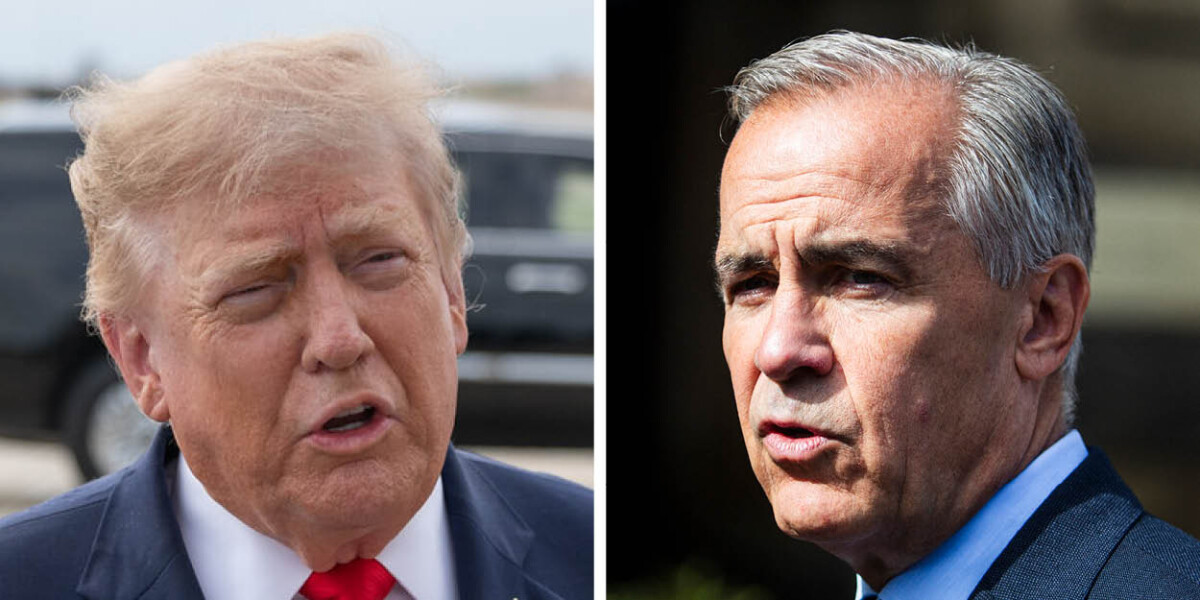
‘I don’t see how we can come to a satisfactory trade negotiation with a leader that has no respect for the international norms on trade policy, let alone the norms of agreements that he already signed,’ says former Canadian ambassador to the U.S. Derek Burney.
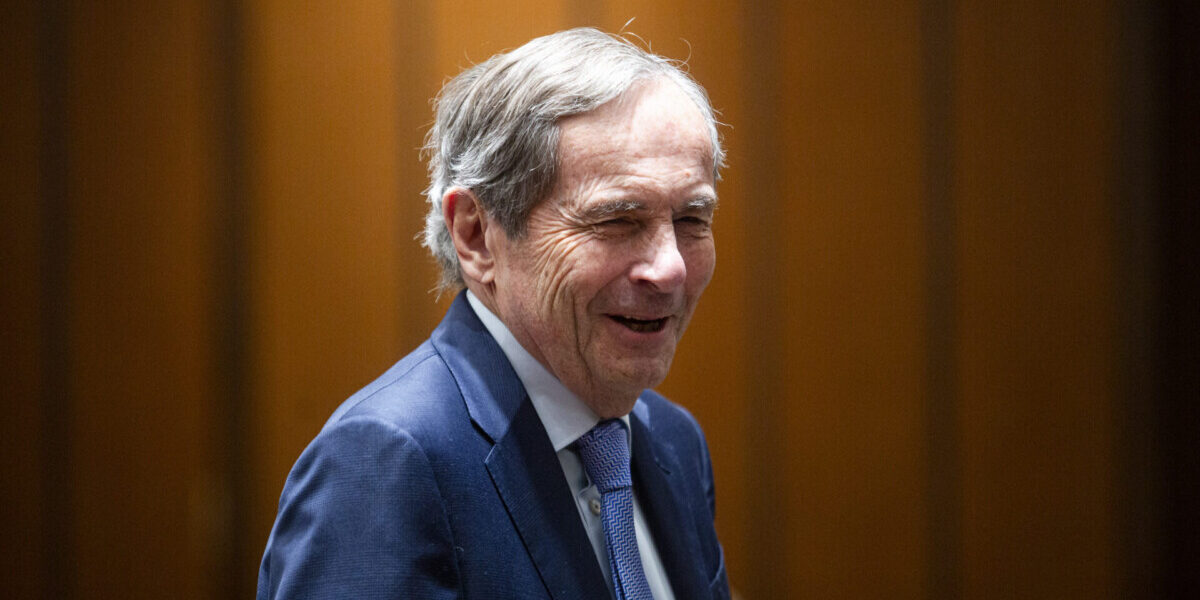
Canada is navigating a ‘very interesting and unpredictable political landscape’ at the federal level, and the recent U.S. midterm election results have added another layer of complexity, says pollster Frank Graves.
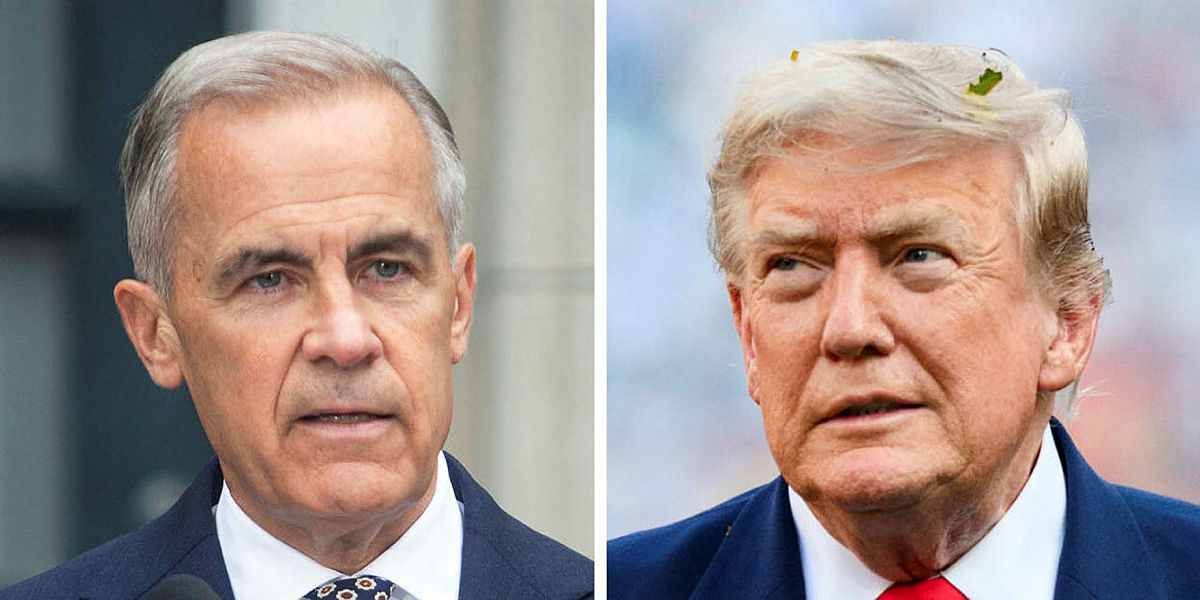
Budget 2026 referred to the July 24 report calling for major pharmaceutical policy reform, saying the government continues to review it and ‘further details’ will be announced in coming months.
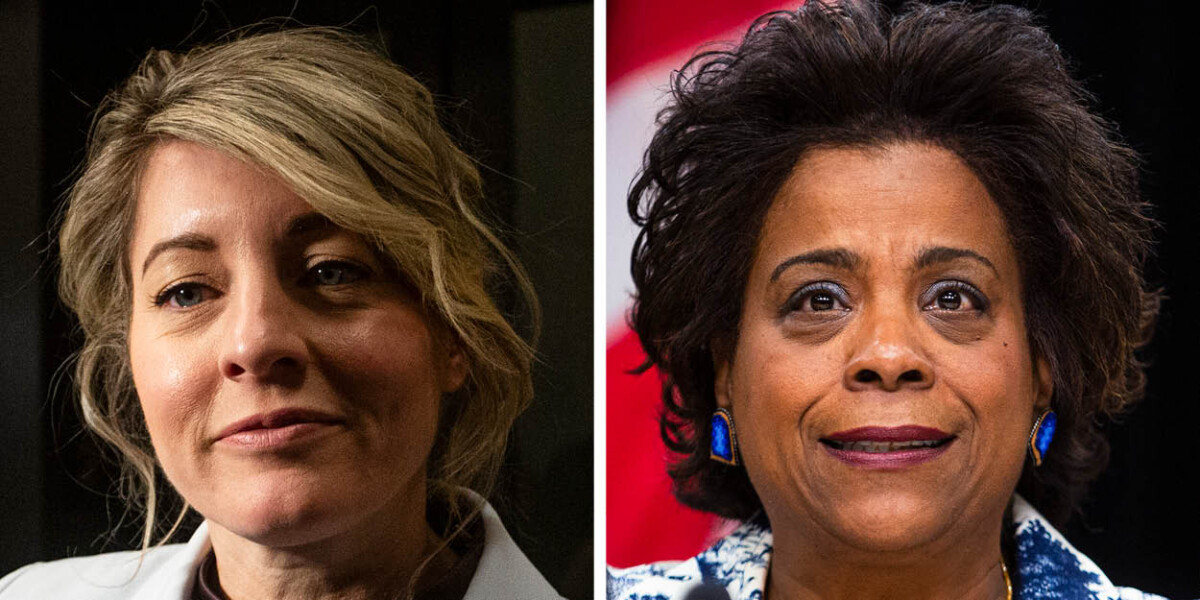
Political players say Canada’s negotiating team should be patient and give Congress time to use all legislative measures that could lead to the rollback of U.S. tariffs.
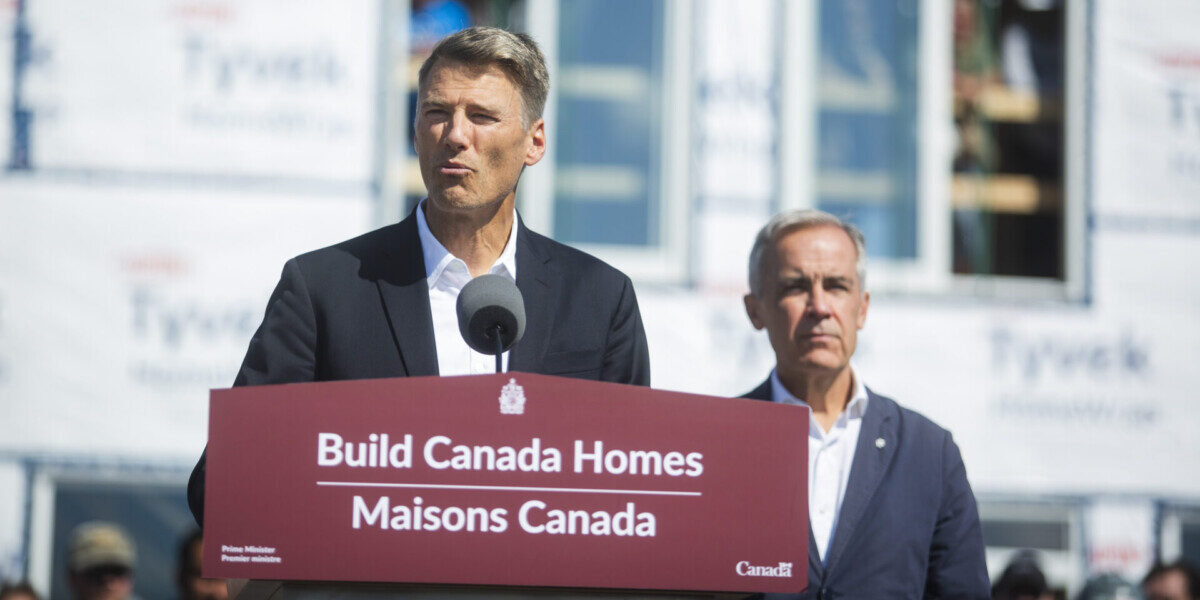
Budget 2026 emphasizes that provinces and territories will have to fund service delivery. The ‘big unknown’ in the plan is whether the jurisdictions will get on board or if this is the beginning of a ‘protracted, ugly intergovernmental, interjurisdictional battle,’ says Maytree’s Alexi White.
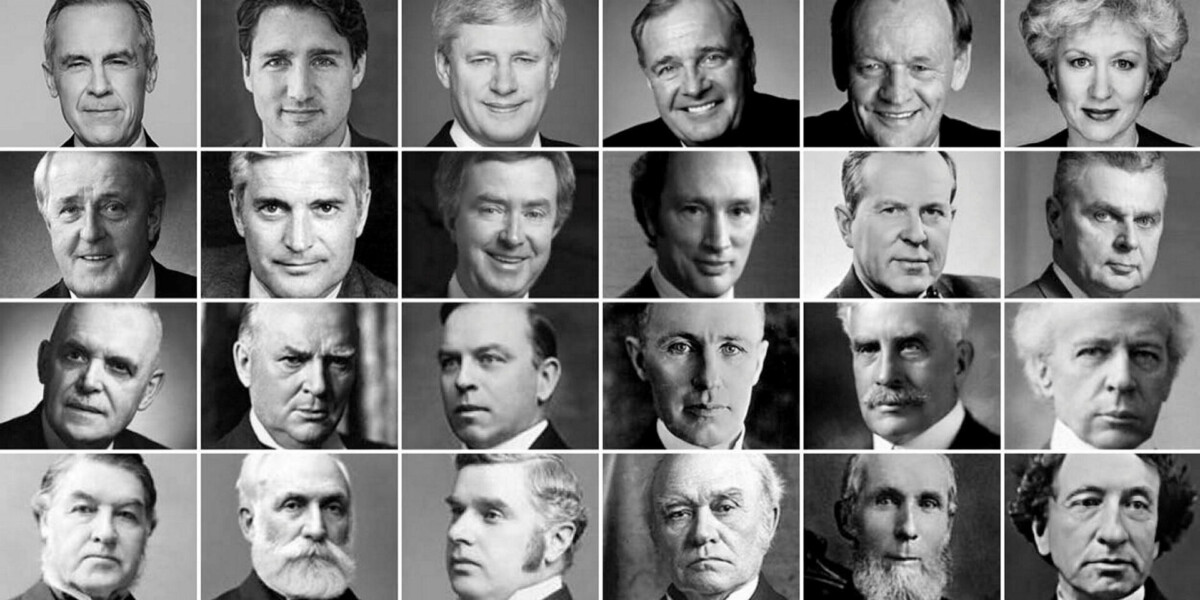
Co-founder and author J.D.M. Stewart says the initiative is launching at a moment when Canadians are growing more interested in their history amid geopolitical tensions with the U.S: ‘This was the moment right now, and we are seizing the day.’
A delegation of Canada’s CEUS members will travel to California for a Council of State Governments National Conference to be held between Dec. 3-6.

The highest spending federal ministry in 2025-26 was once again Finance and National Revenue, reporting $158.21-billion in expenses.
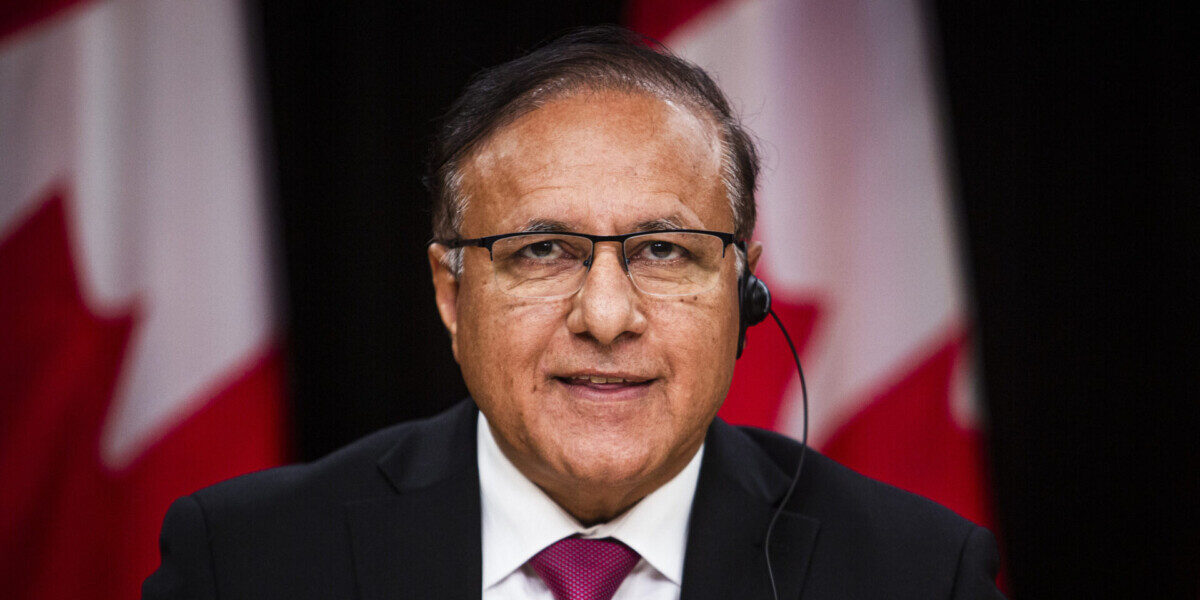
Three former longtime MPs, with more than 75 years of collective experience on Parliament Hill, say the number of MPs who have vacated their seats since the April 2025 election is unprecedented. The latest round of byelections will see six ridings send new faces to Ottawa on Dec. 7.

Defence procurement expert David Perry says the government needs to get contract dollars “flowing” towards clear commitments if the government wants to hit its ambitious defence spending goals.
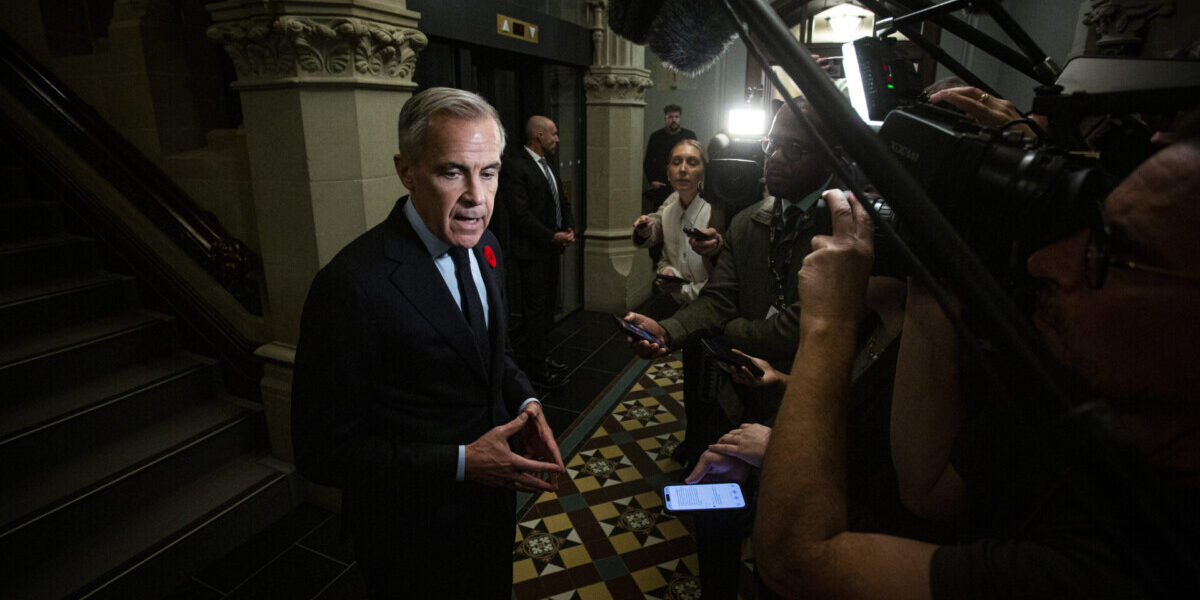
The proposal to combine Export Development Bank and Business Development Bank of Canada may have caught business leaders off guard, but is ‘consistent’ with the Carney government’s efforts to put Canada in ‘a more aggressive export development position,’ says a former PCO official.