

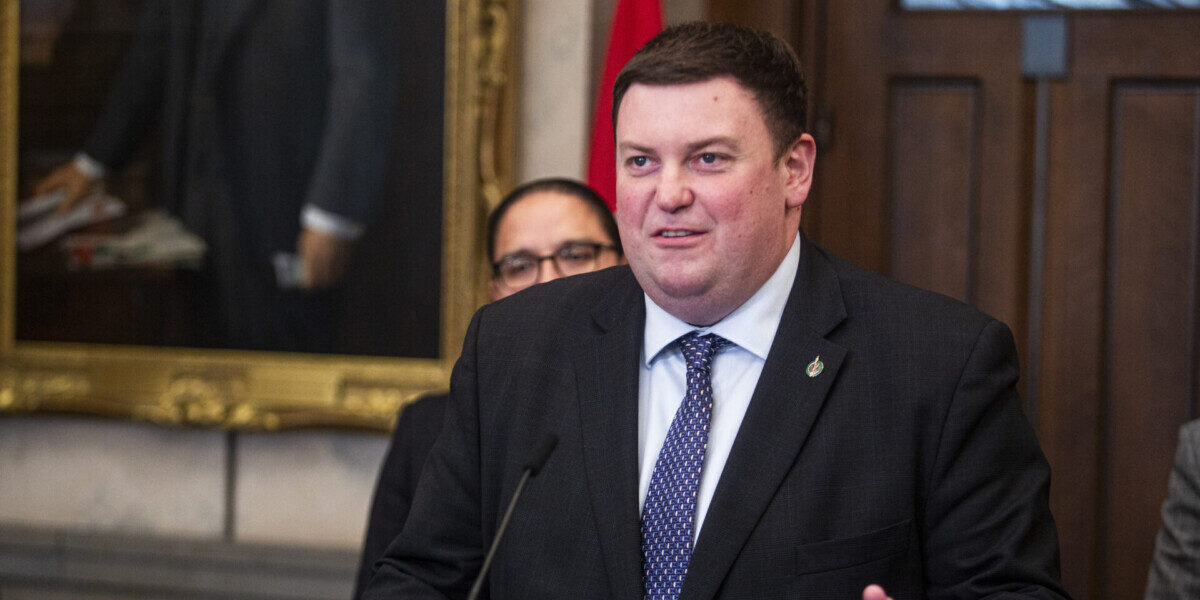
The rookie MP has launched the Cellular Connectivity Project, a crowd-sourced initiative designed to identify cellular dead zones and build a more reliable coverage map.

Ottawa’s decision to pull out of bilateral trade negotiations with the U.S. has demonstrated that Prime Minister Mark Carney has drawn a ‘red line’ around the cultural industry, according to one industry player.

The use of non-disclosure agreements on the 11-member panel has caught the attention of previous advisers and parliamentarians, several of whom have characterized the tool’s deployment as uncommon.

The advocacy blitz came after the CRTC announced in May that large streaming firms would be required to earmark 15 per cent of Canadian revenues to help fund domestic cultural programming. The government has since retreated on that policy.
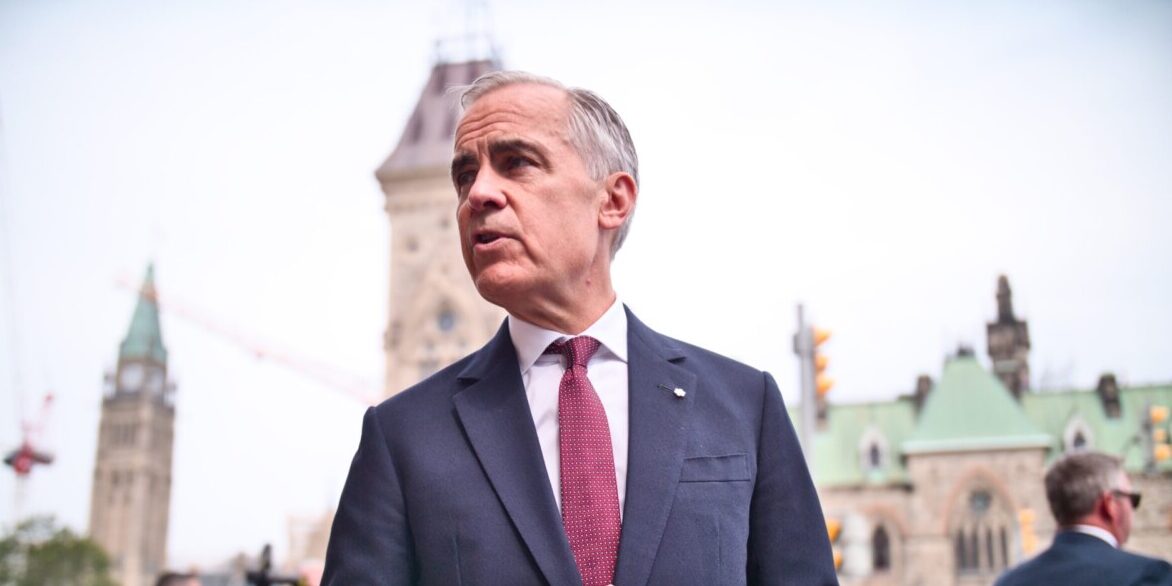
After court filing unearthed last week confirmed the government’s plans to ‘eliminate’ a five-per-cent funding requirement for Canadian content tied to the Online Streaming Act, some streamers are trying to recoup funding transferred to a centralized trust.

The Carney Liberals intend to eliminate a requirement for U.S. streaming giants to financially contribute to Canadian content, and to provide government funding to replace those contributions, according to a filing before the Federal Court of Appeal.

AI data centres have taken Canada’s city councils by storm, but where is Ottawa?

Liberal MP Robert Oliphant says it’s better if CBC and Hockey Night in Canada remain ‘married,’ but ‘if it’s divorced, I keep my friendship with both parties.’

With 97.4 per cent of Canadian households connected to high-speed broadband, Ottawa has set its sights on fully eliminating the digital divide between urban and rural areas, but some experts are concerned with how the Liberals plan to get there.

The Liberals launched the fund in 2020 with $3.225-billion for projects bringing fibre or fixed wireless internet access to rural and remote communities. ‘There will be … no money in the budget to fund an expansion of the program or another call for proposals,’ an industry veteran told The Wire Report.

In a May 21 decision, the broadcasting regulator upped the contribution rules for audiovisual streaming firms, so that 15 per cent of their annual revenues—up from the current five per cent—support domestic programming. It’s expected to bring about $2-billion into the Canadian media ecosystem each year.

Bill C-268 would require the CRTC to verify cellular coverage data reported by telecommunication and providers, and also force Ottawa to review Canada’s spectrum framework every five years.

A recent Australian bill aims to force social media firms to reach compensatory deals with domestic media outlets—or risk fines that would then be distributed to support journalism. ‘We’re not at where Australia is in their thought process,’ says Minister Marc Miller.

Conservative MP Raquel Dancho says ‘any employment gains’ from the 2023 Rogers-Shaw deal ‘have been wiped out three-fold,’ with recent news the Canadian telecom giant is offering voluntary buyouts to about 10,000 staff.

The Canadian Space Launch Act, introduced on April 21, would amend the country’s regulatory framework to allow for ‘sovereign space launch capabilities.’

The Wire Report spoke to several people who took part in the two-hour February meeting, with one industry player saying they left ‘feeling confident’ about the future of Canada’s cultural exception.