On average, women with endometriosis wait more than five years to get a diagnosis in Canada, and women with heart disease are still more likely to be misdiagnosed or dismissed compared to men.

A total of 19 riding name-change requests were included in Bill C-25, which is currently at committee stage in the House. The Senate begins its pre-study of the bill on May 27.

With all of the challenges and crises we face, eliminating PFASforever chemicals one thing we can do to stand up for our health and our heroes. Let’s not let another season go by without taking this important next step to protect ourselves and our communities.
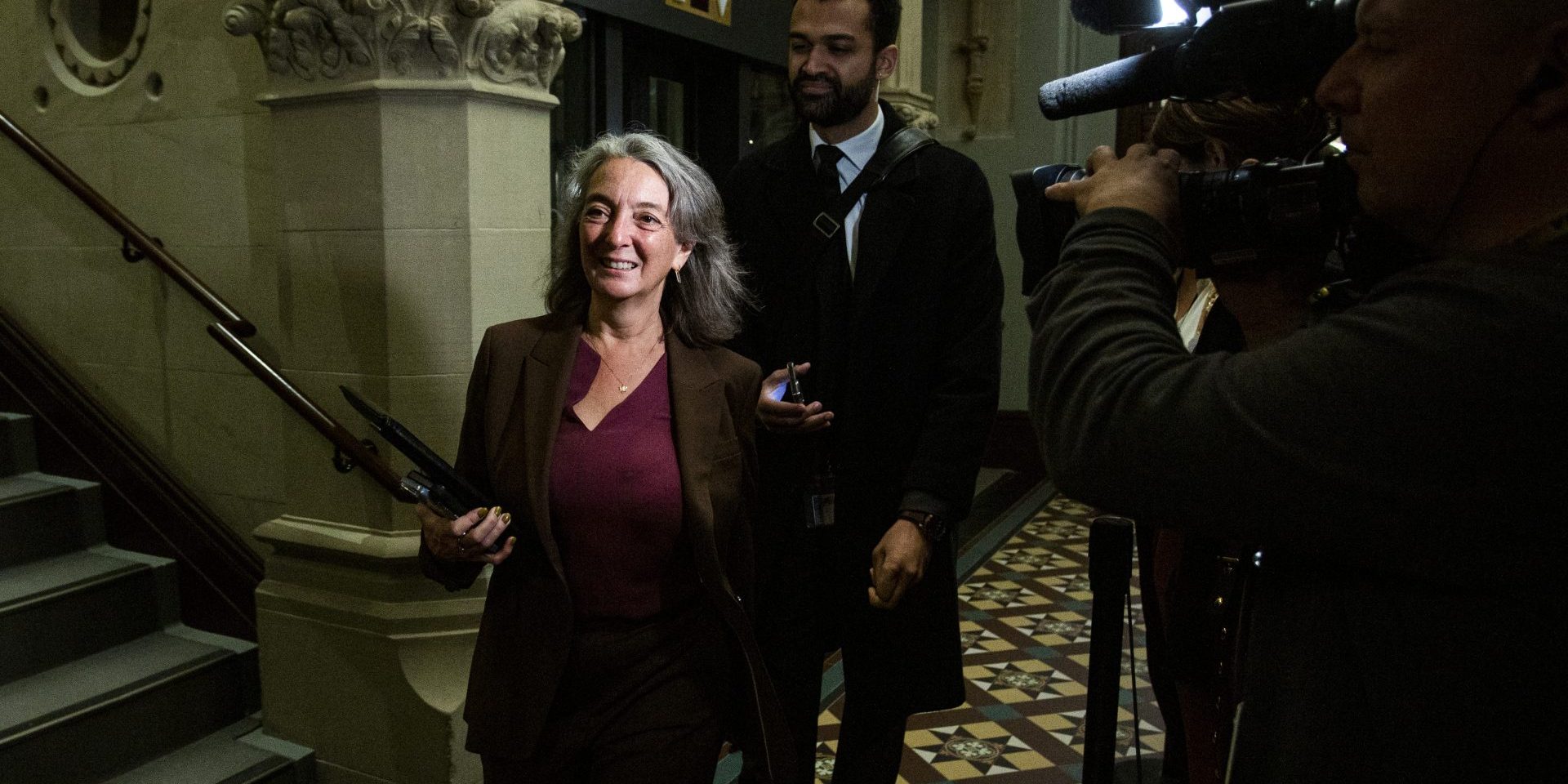
Critics warn Bill C-22 risks weakening cybersecurity as telecommunications firms and other service providers could be legally obligated to store Canadian users’ metadata for up to a year. But the public safety minister says some tech firms are ‘misinterpreting’ the bill, and that ‘safeguards’ are written in.

Stephanie Carvin and Amarnath Amarasingam say the COVID-19 pandemic unified a fragmented movement ‘that could easily snap back together’ under the right environment.

The prime minister is starting to collect evidence to help Canada reclaim its status as one of the world’s most investible, mining-friendly jurisdictions.

Carney’s Liberals have left a lot to be defined through the undemocratic regulatory process. The plan is to be vague when shoving it down our throats via Parliament.

This bill would modernize and protect Canada’s electoral processes by introducing new ways of combatting threats of foreign interference, disinformation, dark money, ballot manipulation, and the misuse of personal data. It’s not perfect. But it’s a worthwhile first step that parliamentarians should support.

Senators’ public bills represent about one-third of non-government legislation being studied by the House. Senator Percy Downe says the Upper Chamber has ‘to be more responsible,’ taking care not to ‘flood the House of Commons’ with these bills.

Bill C-268 would require the CRTC to verify cellular coverage data reported by telecommunication and providers, and also force Ottawa to review Canada’s spectrum framework every five years.

Bill C-22 would mean certain electronic service providers to retain the ability to hand over data when legally ordered by the government. This creates a backdoor that doesn’t remain neatly reserved for the good guys.

We are headed further down the golden-brick road to more privacy invasions drawn from giant personal metadata pools by both government and corporate surveillance teams.

A May 1 decision found the National Security and Intelligence Committee of Parliamentarians Act is sound, but in her dissent, Supreme Court Justice Suzanne Côté questioned the restrictions.

National messaging built around B.C.’s property rights debate risks oversimplifying a complex legal reality, while a failure to communicate has ‘ceded the stage to fear and misinformation,’ say pundits.

A recent Australian bill aims to force social media firms to reach compensatory deals with domestic media outlets—or risk fines that would then be distributed to support journalism. ‘We’re not at where Australia is in their thought process,’ says Minister Marc Miller.

Through my smoking and vaping cessation clinic, I see the impact of federal inaction. Youth who succumbed to the allure of flavoured vapes have become frustrated young adults dealing with the consequences of nicotine dependence. A strong federal ban now would help ensure fewer young people ever have to come through our doors.

Canada must pass Bill S-2 as amended by the Senate without further delay. By removing the second-generation cut-off rule, also known as the ‘disappearing Indian formula,’ it ensures there isn’t a legislative extinction date for each First Nation.

Provincial and federal privacy watchdogs say their investigation concluded OpenAI was not compliant with federal and provincial privacy laws. Heritage Minister Marc Miller said ‘AI, like any other platform for that matter, has to respect the privacy of Canadians.’

European Union politicians have voted for a ‘digital minimum age’ of 16, and banning some addictive elements of social-media sites. As Ottawa contends with these concerns, one European politician says laws should also focus on regulating platforms.

Privacy protection continues to rate high in public polling. Yet recent legislative moves are violating that trust, and throwing personal data protection out the window.

Thirty-one per cent of government bills during this Parliament had a recorded vote at third reading in the House, compared to 66 per cent in the 44th Parliament and 47 per cent in the 43rd Parliament.
A committee of 15 MPs and Senators is considering whether eligibility for medical assistance in dying should be expanded. Their work has been subject to criticism from some—including Senators—that most of the testimony has come from those opposed to the move.

Some of the laws set for amendments by the new Liberal majority government are the Employment Insurance Act, Canada Transportation Act, and Red Tape Reduction Act.

Health Minister Marjorie Michel’s office says it is ‘committed to preventing vaping,’ but does not promise to ban flavours.

‘Where is R&D flourishing right now? It’s not in the U.S. It’s not in Europe. It’s in China,’ says IMC’s Bettina Hamelin at Canada’s Drug Agency’s annual symposium.