

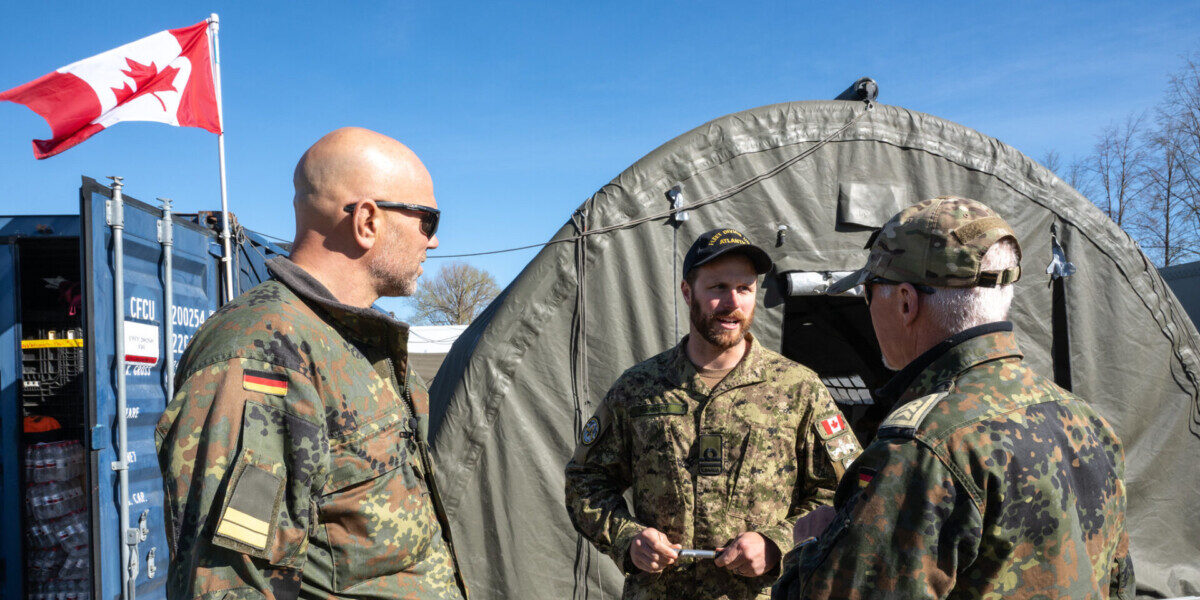
If the prime minister is serious, we should base one of the Army’s new divisions in a central European country on a permanent basis.
For Canada—and the CAF—to survive the current trade war, doing the same old thing with the same old U.S. firms just isn’t cricket. And if senior officers don’t understand that is part of their duty to all Canadians, well, enjoy the lecture circuit.
The fact that we have grown collectively numb to Donald Trump’s unpresidential antics should not excuse inaction on the part of our elected leaders.
In 2024, Canada announced that it would procure a submarine fleet with ‘under-ice’ capabilities, but Arctic experts say they believe the vessels will actually be operating in the near-ice or ice-edge waters.
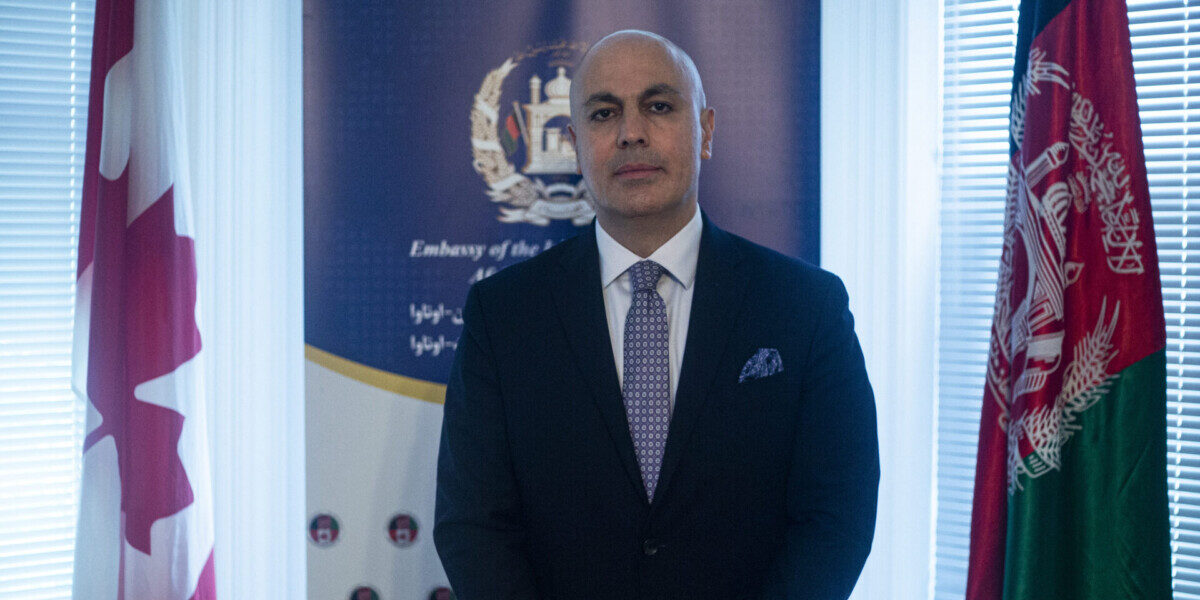
With the number of Afghan missions of the former government dwindling, its Canadian embassy—with no ties to Afghanistan’s current Taliban-led regime—hangs on.
With ingratitude of this magnitude, is it any wonder that no NATO ally has chosen to join in on the American ‘excursion’ in Iran?
For many reasons, DND’s plan to remove Canadian peacekeepers is short-sighted and counterproductive. In the current political climate, now is the time to expand UN peacekeeping globally and Canada should champion that resurgence.

Let’s truly stop buying weapon systems from the one and only country that repeatedly threatens us with annexation.

In the context of trade routes, mineral exploration, and U.S. President Donald Trump’s constant threats to annex both Canada and Greenland, the North is the key area of focus for our preparations.

The CAF does not lack mechanisms to retain departing members. The problem is that the not that we let them walk away—it’s that we actively encourage them to leave.
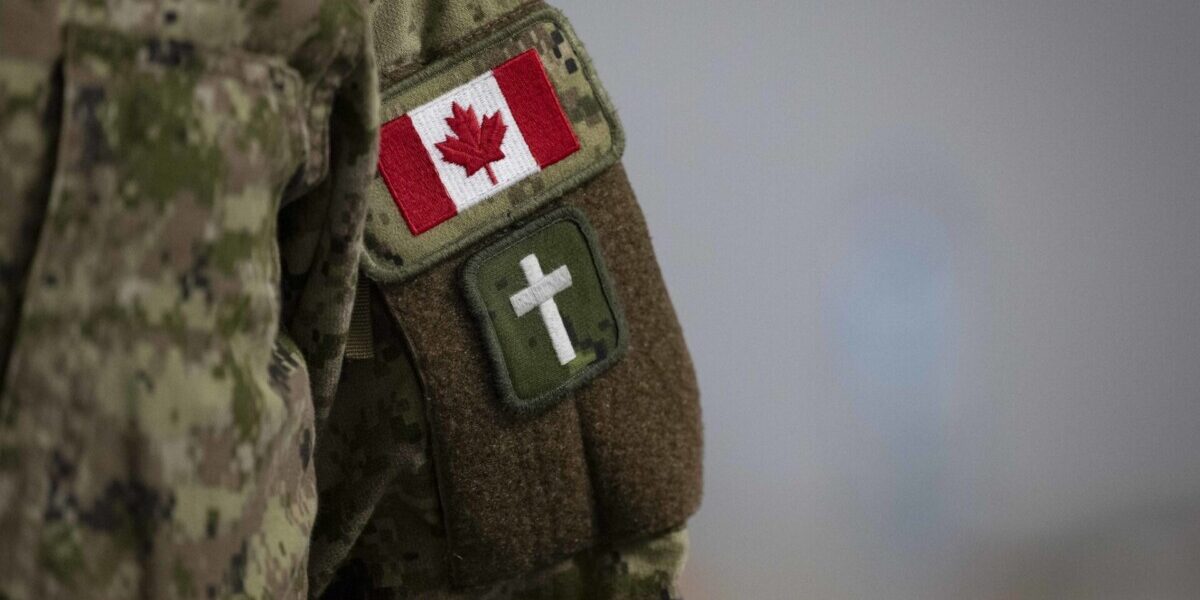
Given that their role is to preside over religious observances, on the surface it seems ludicrous to prevent military chaplains from mentioning God or using symbols representative of their own particular religion in public settings.
The decision to conduct a flypast on the Fourth of July employing two CF-18s and two U.S. F-35s begs the question of just how tone deaf the Air Force brass are in reading the mood of the Canadian public.

One has to question how a mixture of shifting the military’s priorities and budget cuts that affect Canada’s diplomatic presence as well as its international aid allocation will improve the turbulent geopolitical situation.
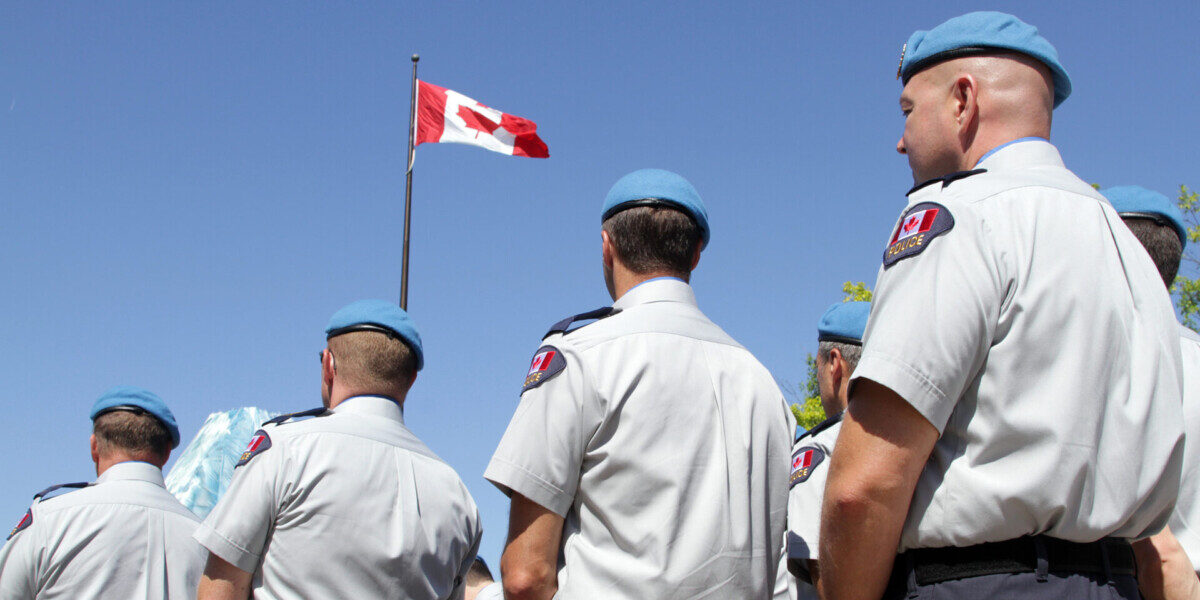
A policy change that moves the military to selective unilingualism goes against the goals of the new Official Languages Act, and delivers a gift to the separatists.

Despite being the country that helped invent modern peacekeeping, Canada now contributes fewer peacekeepers than dozens of much smaller nations.
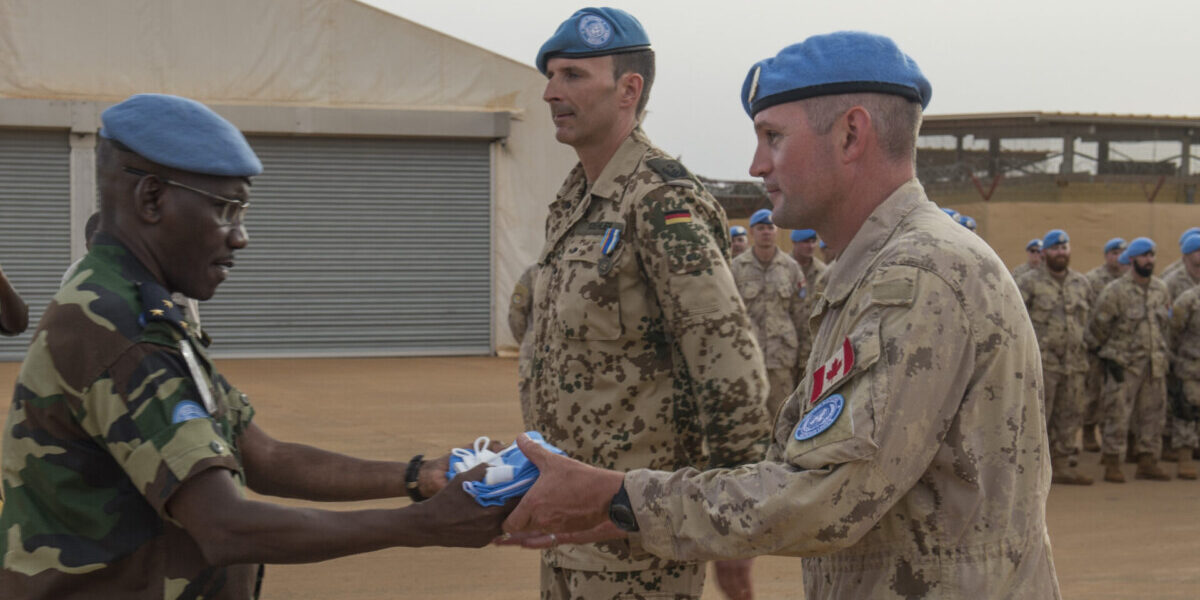
DND’s move to ‘better align CAF resources’ is effectively a death knell on Canada’s history of exemplary UN peacekeeping work.
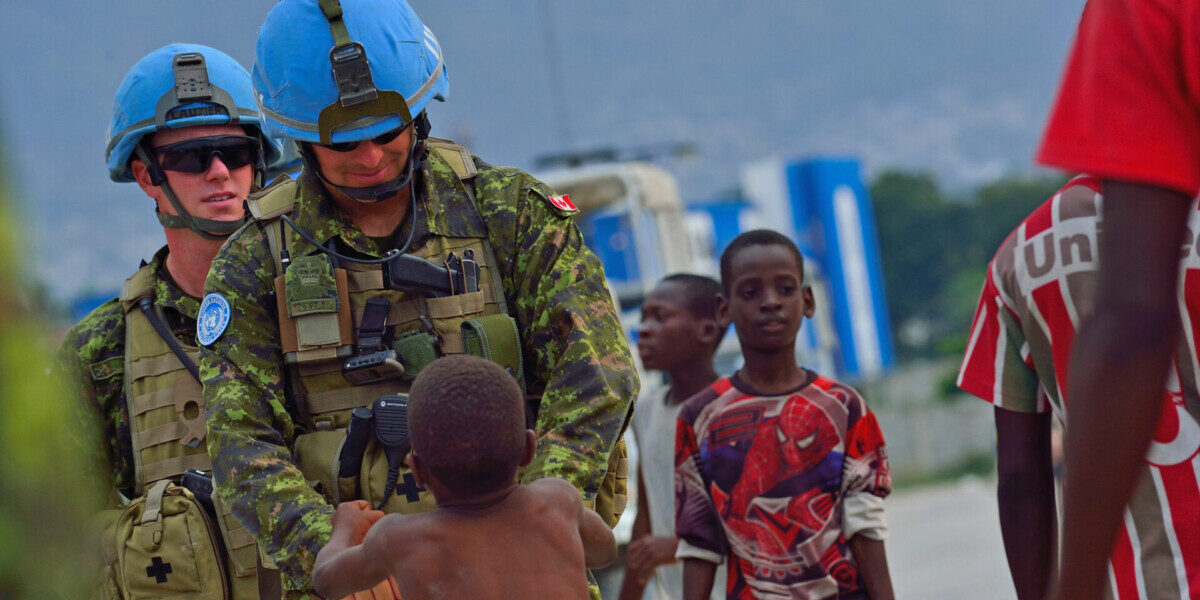
Canada’s fiscal commitment to United Nations peace operations has dropped by 45 per cent since 2015-16.
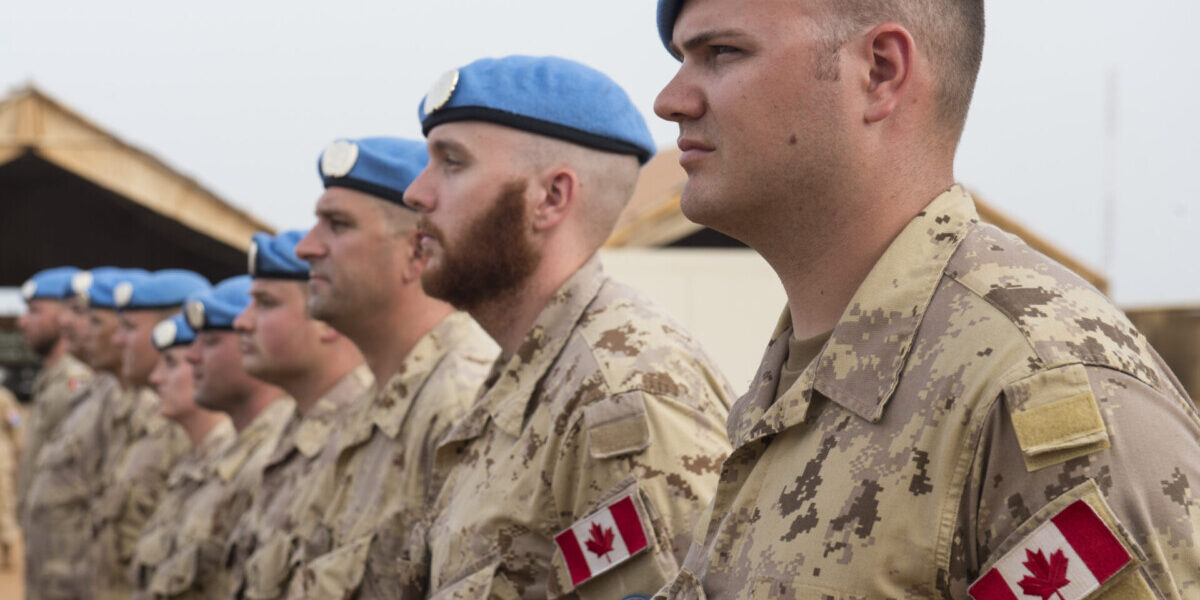
For many NATO allies, something as ubiquitous as trucks and jeeps for the army are not purchased on a batch basis every couple of decades.

As an ‘observer,’ Canada will have no decision-making role in the Global Combat Air Program, and we are not committing any resources to the deal.
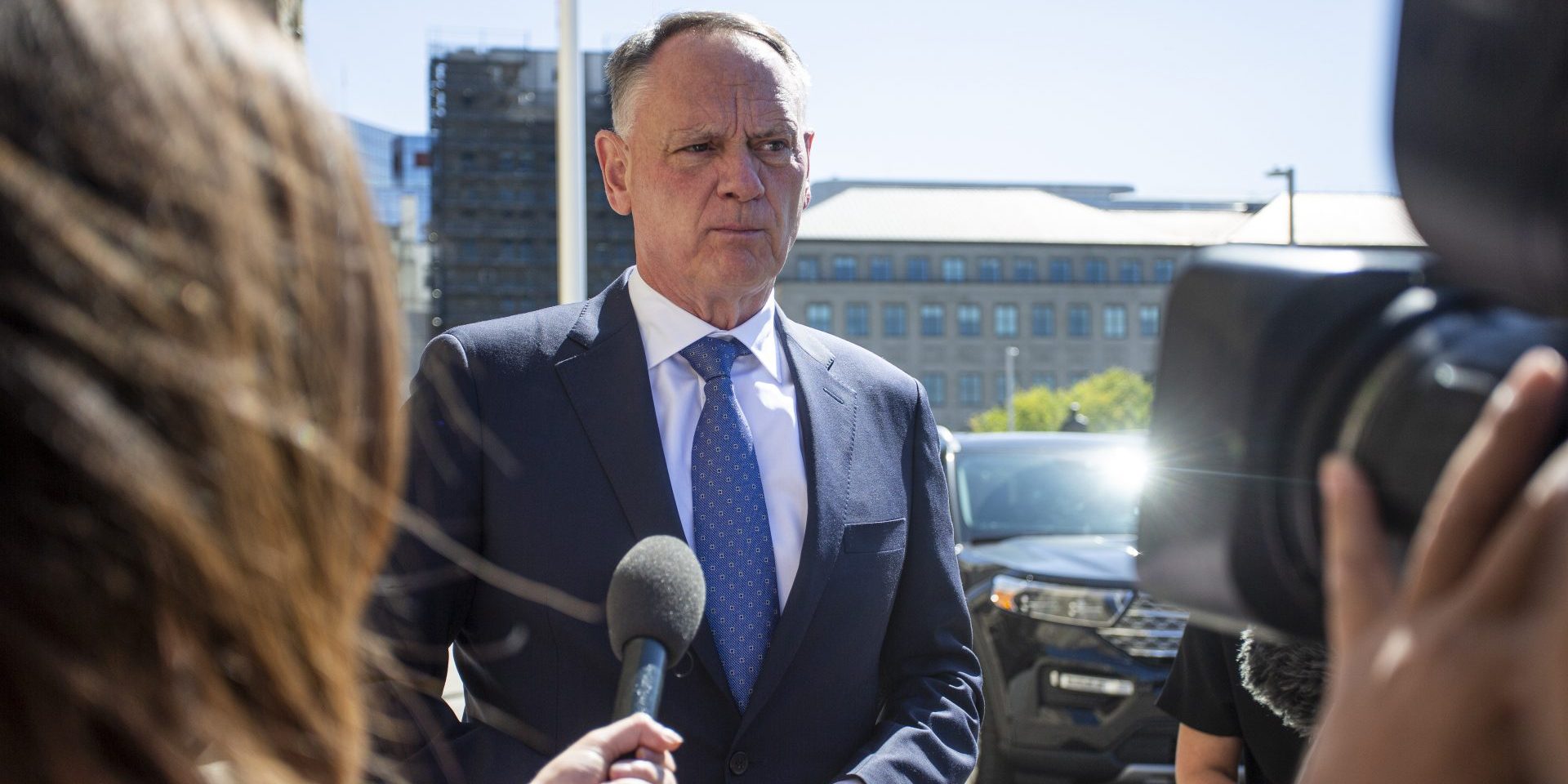
The Liberals have fixed a recruitment problem that didn’t exist, and as a result are enrolling less-capable recruits into an already over-stretched training system.
Canadian history has shown that many major acquisitions get far beyond this point in the process and end up never seeing the light of day.

‘The economic benefits are a huge consideration for the government at the end of the day because they will want to ensure they fully leverage the procurement in support of Canadian industry,’ says one former public servant.

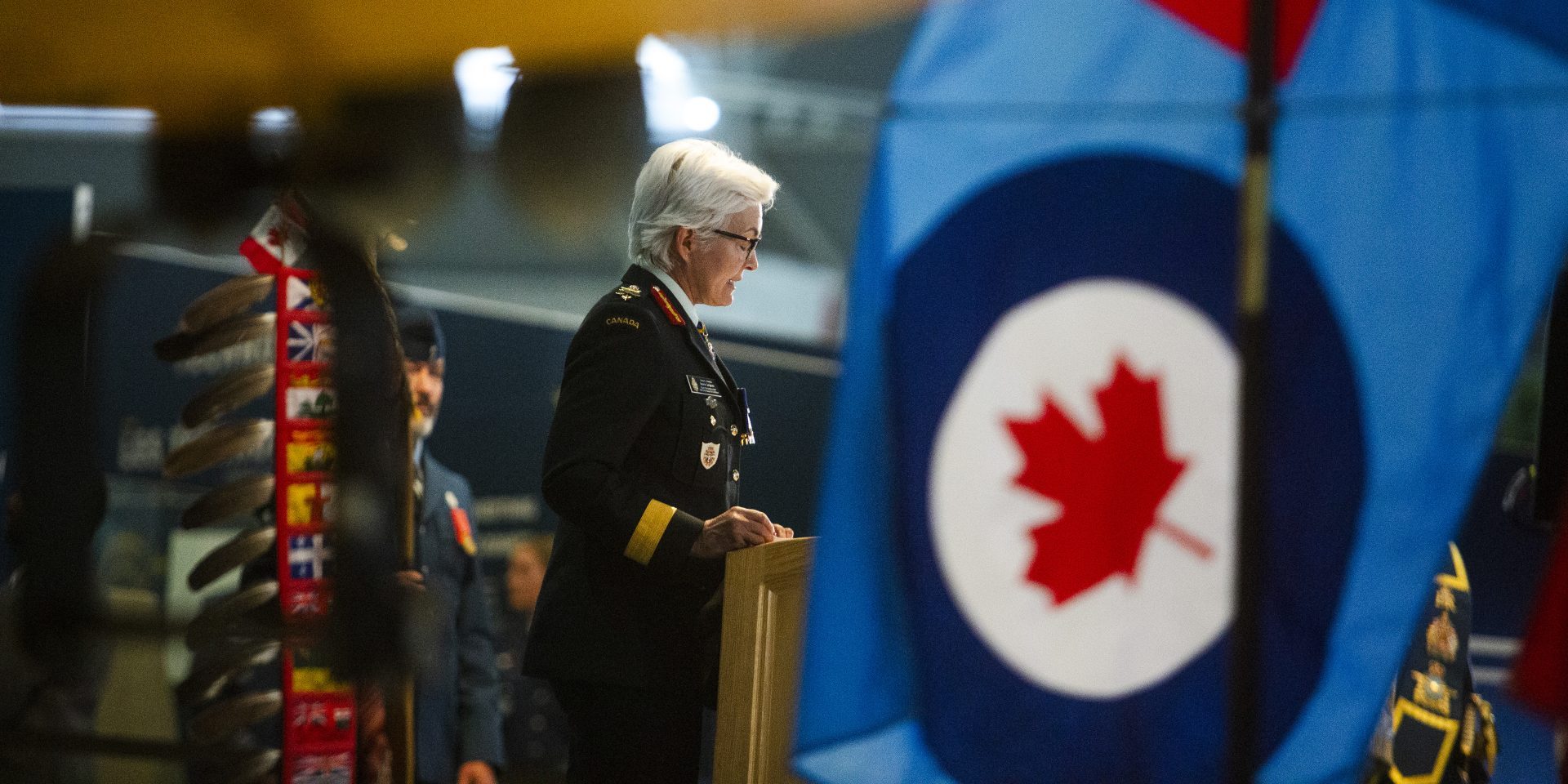
General Jennie Carignan’s recent sit-down with CTV News gave her the chance to bring up all of the old favourites, which also raised some new questions.
The brief removal and reinstatement of a pair of commanding officers is the latest in a long line of evidence that checks and balances are working.

We should take the 16 F-35s already contracted and scrap the deal for the remainder, and build the 66 Gripen fighters on offer in Canada.
