

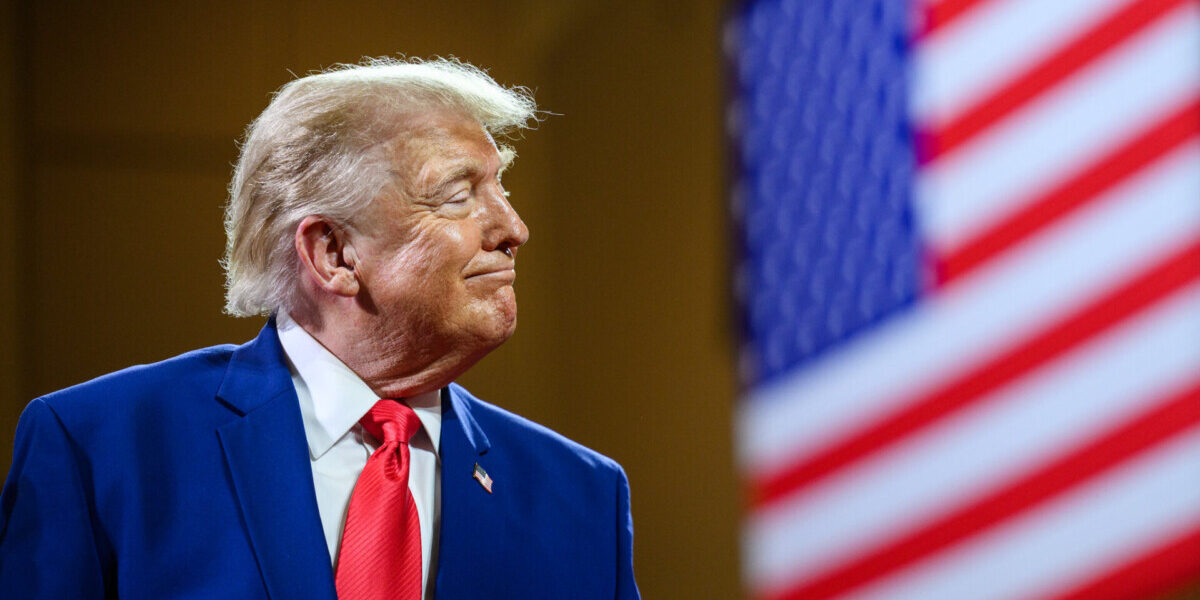
If and when countries, big and small, start defying the hegemon, the fiction starts to collapse in on itself. The fictional world of Donald Trump and his sycophants will project a fantasy world that is increasingly unhinged. Yet the world is moving on, and the U.S. administration loses ground.

Donald Trump’s economic claims are running headlong into the lived experience of American voters. His tariffs are functioning as an enormous tax on American consumers, while the economic consequences become increasingly difficult to disguise.
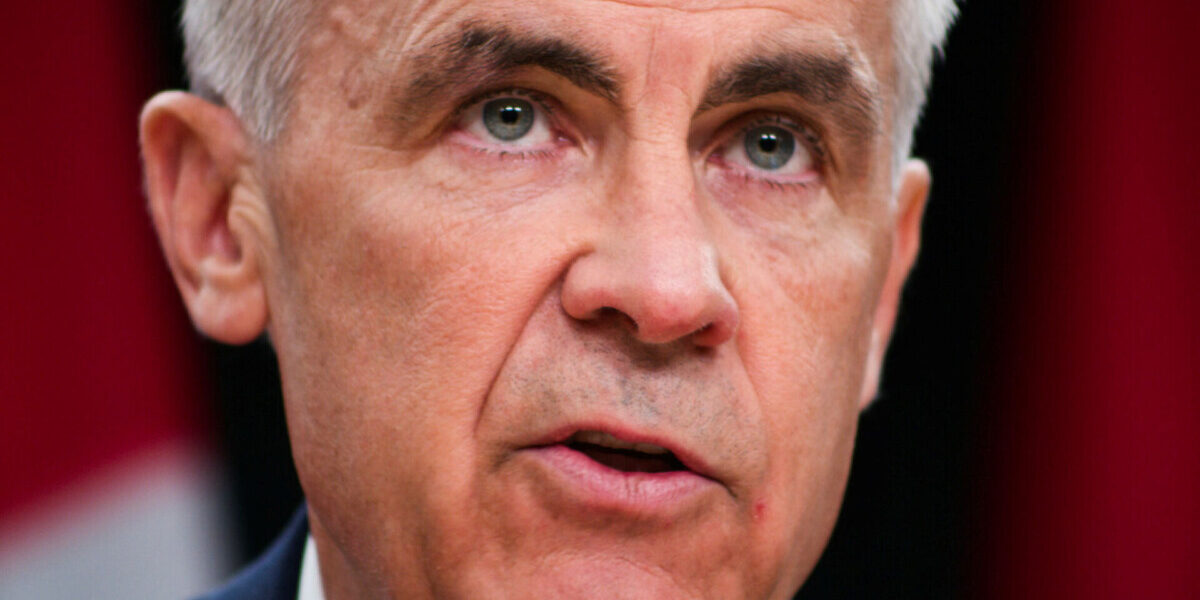
Canadians do not need more economic jargon about forward guidance. They need to hear, clearly and regularly, that the choices they are making every day are strengthening Canada’s hand and defending the country’s economic sovereignty. That message is not simply good communications. It is good leadership.
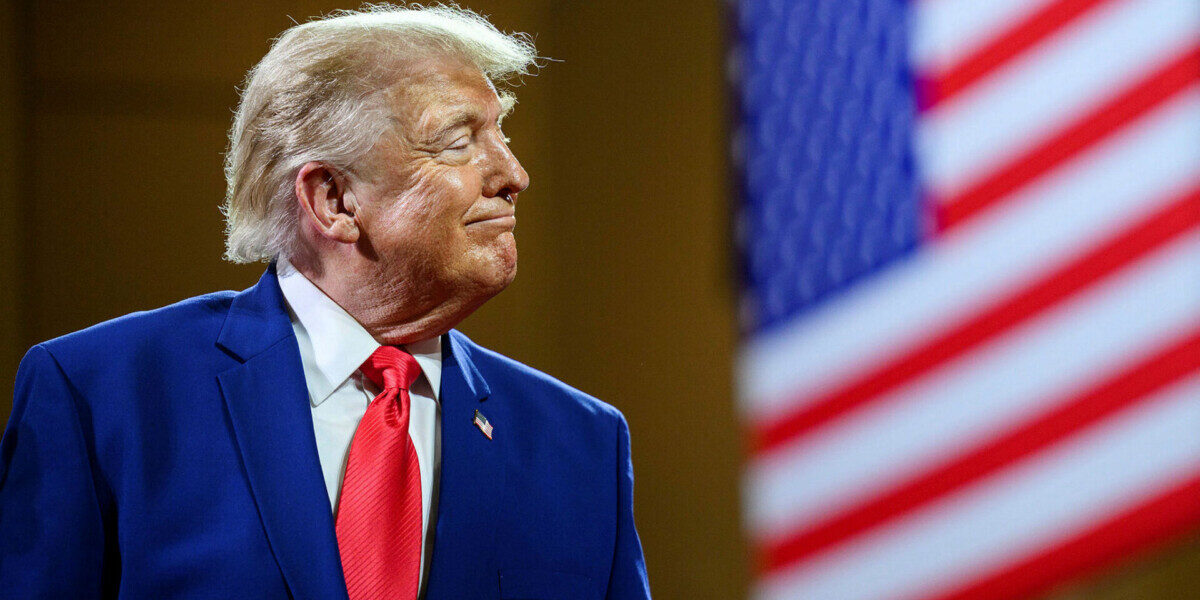
Regardless of the political calculations behind its introduction, Bill C-35 presents a chance for Canada to move from transparency to accountability. If that opportunity is seized, it may prove to be the most refreshing development to emerge from this latest chapter in the tariff war.

Last week, in a prime-time address to the nation, we got a glimpse of the Trump administration’s potential strategy for the November midterms: heads I win, tails you lose. Blame the Chinese and cast doubt upon the integrity of the electoral process. The arithmetic of elections may change. The corruption does not. Because nobody cares.

When he lost the so-called ’emergency tariffs’ case, U.S. President Donald Trump quickly seized on forced labour as a new mechanism for applying pressure on trading partners. Not because he has any particular interest in eradicating forced labour, but because it serves as a useful tool in trade negotiations with more than 60 countries, including Canada.

Bill C-35 would provide CBSA with a broader and more flexible enforcement mandate. Whether that mandate is actually used remains to be seen. The government’s failure thus far to make any meaningful use of an already-passed bill on forced labour does not provide an encouraging precedent.

Many Canadians fervently hope that the next midterm elections will return the United States to a state of political normalcy. But there is simply too much money, too much fear, and too much potential for political retribution embedded in the system to expect a rapid correction.

Yet, in the affairs of men, the movement of multiple billions of dollars inevitably invites practices that enrich individuals at the expense of the nation. Every major conflict has yielded corruption scandals that hindered the national interest.

Alliances will shift, trade talks will stall, and military procurement decisions will be reconsidered all because one party is no longer interested in hearing the other’s views.

Both countries possess the capacity to work in concert to protect ethical trade practices and fair competition across the continent. If this dispute is genuinely about forced labour, then there is much constructive work to be done together. But is it?
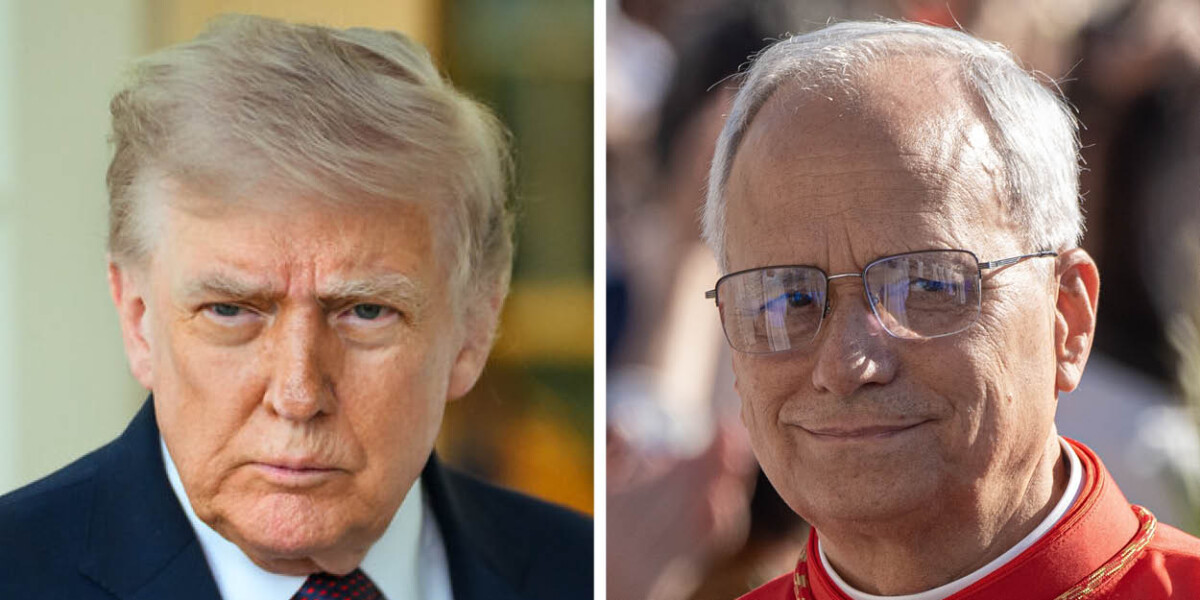
What we are witnessing is not the triumph of religion or secularism, but the cynicism of power using both.

If we fail to act with coherence and conviction, Canadian firms will bear the cost. But if we get this right, this country can do more than withstand the pressures of others. We can stand up and stand out.

Annual filings under S-211 contain a wealth of data that could assist border officials in identifying suspect shipments. We must fully operationalize our supply-chain legislation, and strengthen Canada’s position in future negotiations.

The U.S. seems to have either no strategy or several competing ones. The principal one seems to be to bomb everything. This didn’t work in Vietnam, Afghanistan or in either the Gulf War or the Iraq War in the sense that matters most: winning the political game. Whatever happened to learning curves?

The economic approach emerging under Prime Minister Mark Carney recognizes that competitiveness increasingly depends on effective risk governance. Business and human rights are not peripheral to that agenda. They are among the tools that will determine whether Canada succeeds. Now is the time to make that clear.