

This is a good lesson for communication strategists trying to garner media attention for a client: if you want to make news, either pick a fight or raise lots of money.

If the No. 1 issue in the next election is protecting Canada from Donald Trump, and if Mark Carney is seen as the most capable one to do that, that’s a huge advantage for the Liberals. The Conservatives’ only glimmer of hope is if the economy becomes more of a concern.

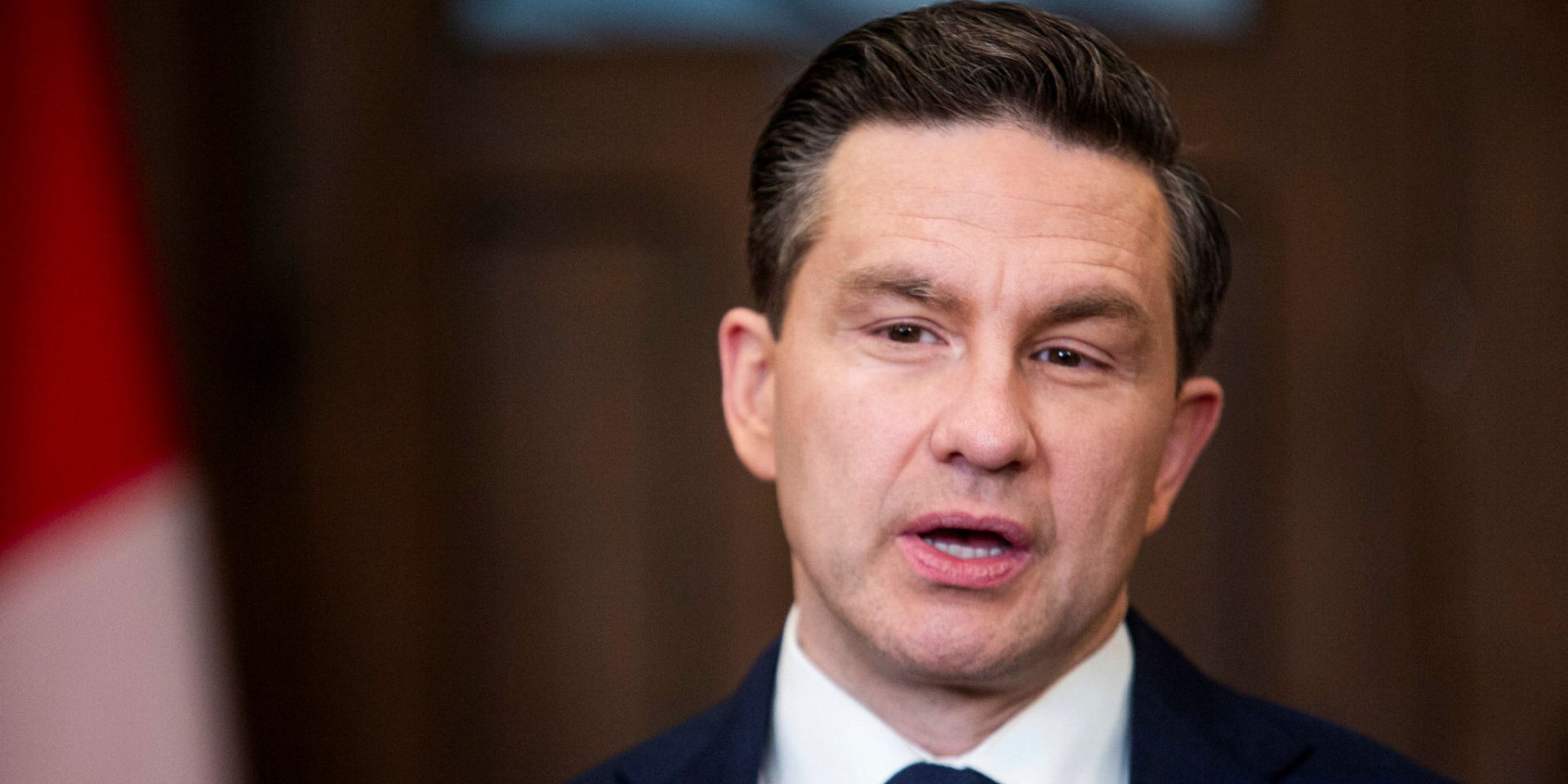
Will Pierre Poilievre use the convention to showcase a new political persona? Will we see a new and improved Poilievre, one perhaps who is less confrontational?

If the Carney Liberals sense there’s a threat emerging on their left-wing flank, they might themselves move to the left, which would give Pierre Poilievre a better target to attack. So yes, in a way, Poilievre’s best political friend might be his ideological enemy.
Watch for provincial governments to attack Carney for not doing enough in the budget. Mind you, none of this means Carney won’t survive the onslaught. It just means, after the budget, he can no longer be all things to all people. He’ll need to decide how to redefine himself.
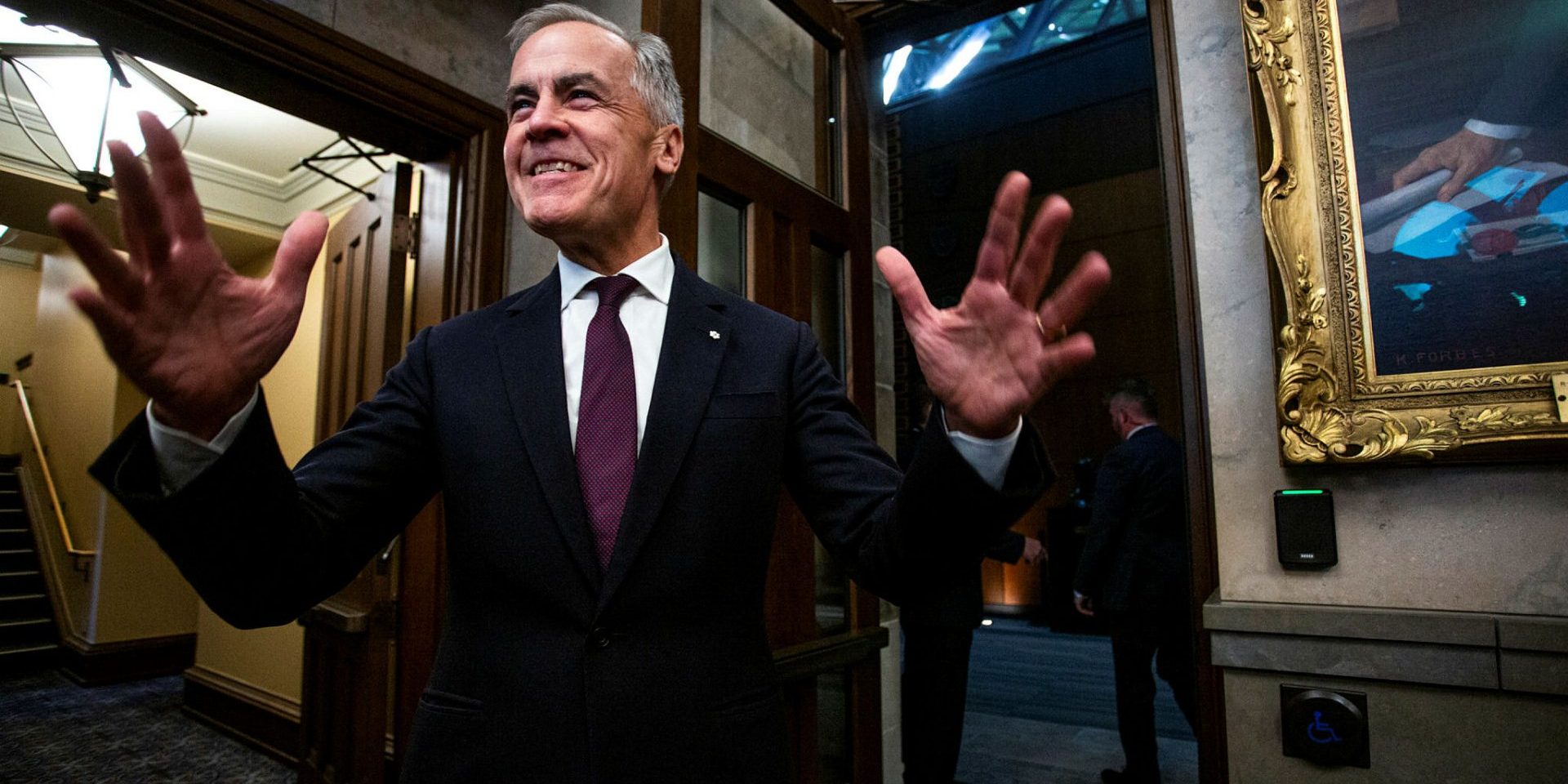
By putting his elbows down, Mark Carney could end up paying a political price.

The Ontario premier seems to lack any ideological connection to his political base. Although his approach to politics might come across as supremely cynical, it seems to be working.

In my view, more funding of local news or the regulation of ‘Big Tech’ won’t really help either journalism or democracy.

Musk’s America Party lacks a regional base, it doesn’t represent a defined demographic group, and its ideology is vague.
But new parties in the United States can sometimes make electoral waves if they become political vehicles for charismatic and powerful people. The jury’s still out on Musk’s America Party.

Just because a ‘new American left’ might be surging in the U.S., that doesn’t mean it’ll also happen here in Canada.

It’s unclear how much money Project Ontario will spend to advance its cause. But one thing we do know is that some conservatives are unhappy with Doug Ford.

Mark Carney might only be a rookie politician, but it looks like he knows how to play the game.

Social media puts emotion much more front and centre. Unfortunately, for Pierre Poilievre, the vibes surrounding him for the past few weeks have been largely negative.

It’s hard to see how Jagmeet Singh can overcome this no-win scenario. Of course, Captain Kirk beat the Kobayashi Maru test, but he cheated.

Bad economics sometimes makes for good politics.

With Trump’s return and the Liberals’ sagging poll numbers, that brand of progressivism seems to be a spent force. This is why the party will need to do what they always do: adapt their ideology to reflect changing trends.

When anxiety is the population’s dominant emotion, voters want leaders who show strength instead of empathy, toughness instead of sensitivity. Trudeau’s political fragility is a byproduct of his personality.

What does all this joy-versus-anger stuff teach us? If you’re going to campaign solely on emotion, make sure that it’s in sync with the public mood.

The NDP’s fundraising numbers have been stagnant lately, and maybe Singh thought a little uncertainty would help.

Conservatives will employ negative ads to get their message across even though the polls indicate they are well ahead in the race. This is a little surprising since the ‘book’ says if your party is way out front, you should probably stick to positive messaging.

J.D. Vance is uniquely situated to speak to those Americans who might have hated or feared Trump, but who are now considering supporting the Republican candidate. He is giving them permission to change their minds.

Conservatism is increasingly all about opposing the three main ‘isms’ of the 21st century: globalism, wokism, and elitism.

Will Pierre Poilievre emulate Ronald Reagan and try to split Canada along ideological lines, perhaps by setting populists against elites? Or, like Justin Trudeau, maybe he will focus on a particular divisive issue: crime, immigration, COVID.


