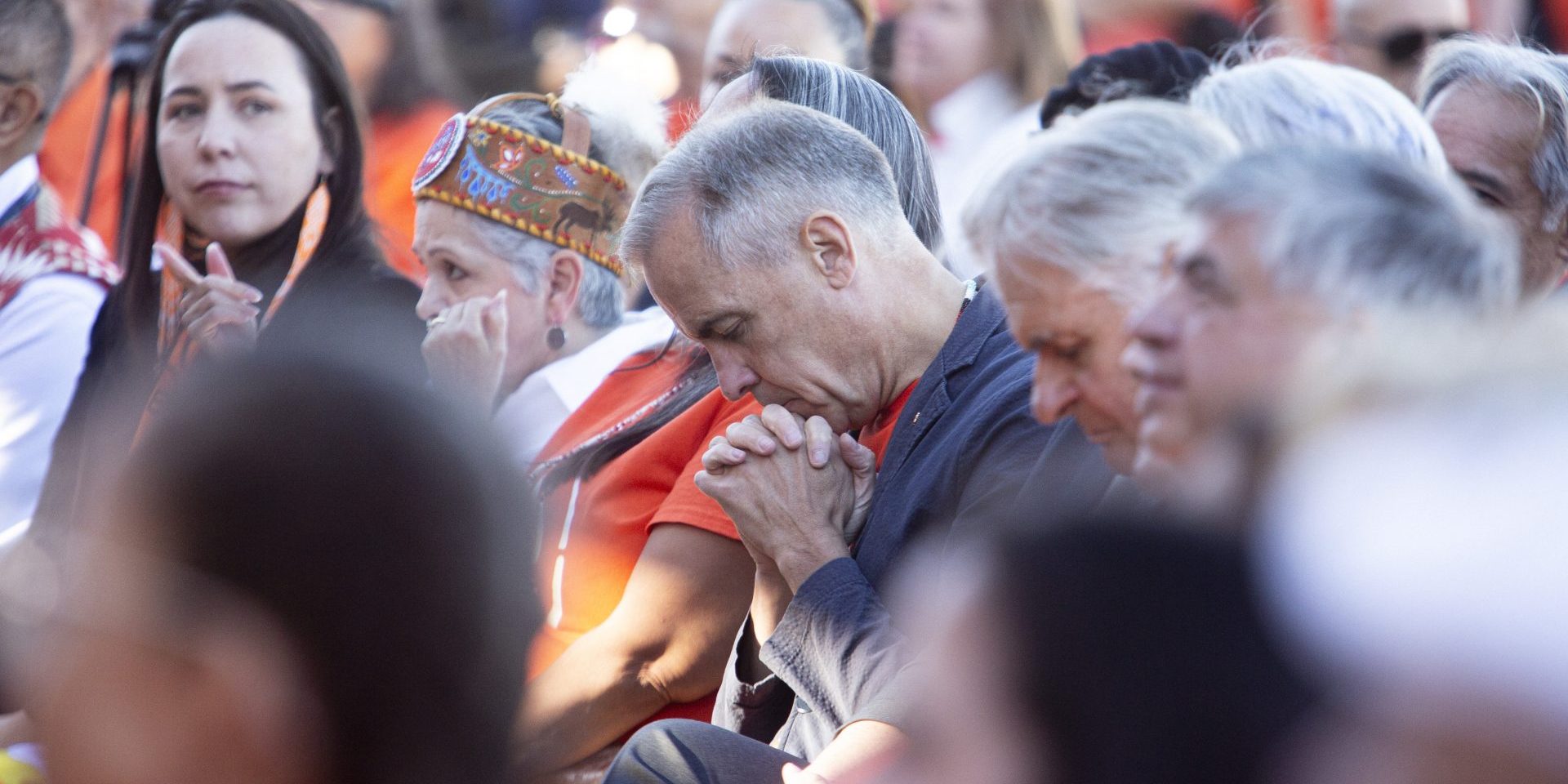
Canada must pass Bill S-2 as amended by the Senate without further delay. By removing the second-generation cut-off rule, also known as the ‘disappearing Indian formula,’ it ensures there isn’t a legislative extinction date for each First Nation.

Three decades after RCAP and 10 years after the Daniels decision and the recommendations of the TRC, the frameworks for implementation already exist.

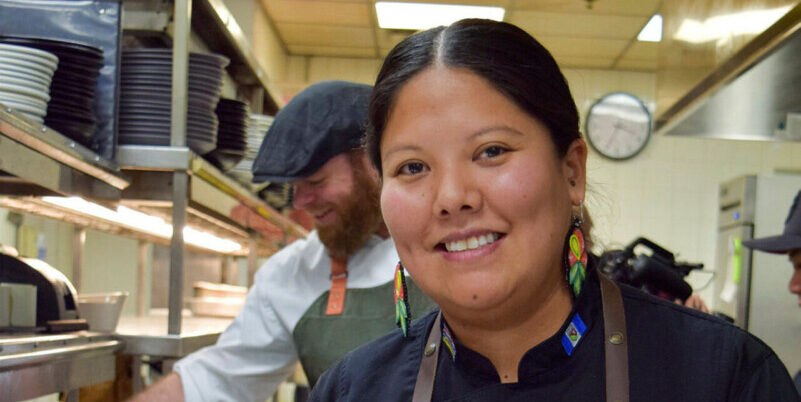
At 1Elgin, chefs say the program is creating space for education, representation, and storytelling through food.
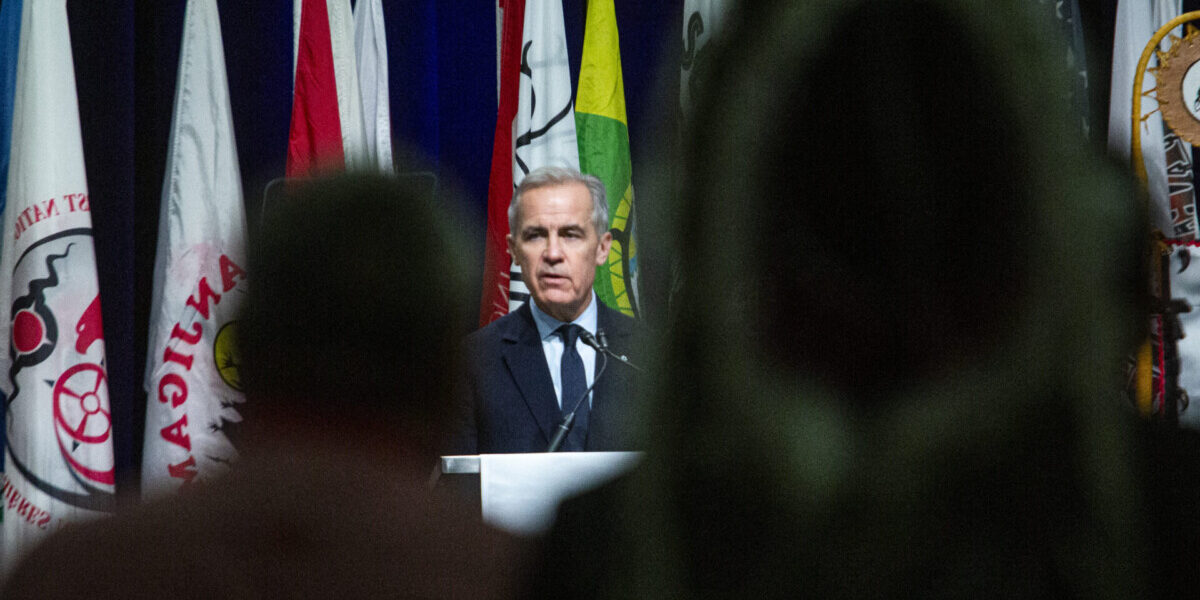
Carney’s joke that he could ‘outlast’ a Grassy Narrows First Nation woman has sent a negative message to our youth that their concerns do not matter, and that mercury poisoning will not be taken seriously by government.
The gaps made by colonial governments continue to be lived realities, and progress is fragile without sustained commitments and investment.

As Indigenous Services Minister Gull-Masty defends the recent funding renewals as ‘progress at the pace of government,’ former Liberal MP Robert-Falcon Ouellette says respect for Indigenous priorities requires red lines.

When engagement is co-ordinated early and grounded in practical realities, governments are better positioned to design programs and policies that deliver meaningful results.

Senate amendments on Bill S-2 should not be accepted as a solution for all communities. Don’t impose a one-parent rule when First Nations should have the power to enact their own laws on status and band membership.

The feds appear to be taking an economic approach to reconciliation, but ‘socioeconomic issues are not the only issues’ facing Indigenous communities in Canada, says political science professor Chadwick Cowie.

The five artifacts that have now been made public are pieces of a collection of 62 Indigenous artifacts that were returned to Canada from Vatican City back in December.

The Musqueam Nation and Crown-Indigenous Relations Minister Rebecca Alty have both issued statements following the agreements’ signing that the documents do not impact private property rights.

Program money for urban Indigenous communities is set to expire at the end of the month, and expected cuts of more than 50 per cent to renewed funding will ‘result in the loss of life,’ says NDP MP Leah Gazan.

Education in the North not only keeps people in their communities and takes advantage of local and traditional knowledge, but also drives investment in infrastructure.

As governments meet to address the crisis of missing and murdered Indigenous women and girls, excluding off-reserve and non-status Indigenous Peoples weakens both justice and public safety.

The Yukon, Northwest Territories, and Nunavut premiers were recently in Ottawa to discuss the need for funding for housing, electricity, and transportation infrastructure as the federal government works to ramp up its security presence.

When former prime minister Jean Chrétien says we have to stop looking back at the problems in Canada instead of looking forward at the potential, his statement smacks of denial instead of a sense of history.

Housing is deeply interconnected with health outcomes, community safety, and economic participation.

Gina Wilson, recognized by her peers as Canada’s first woman Indigenous deputy minister, often ‘set the ball in motion’ from behind the scenes to get action on important issues, says Senator Kim Pate.

Despite how fearmongering politicians and pundits are framing the landmark Cowichan decision, the legal test for proving Aboriginal title is extremely difficult for most First Nations to meet.
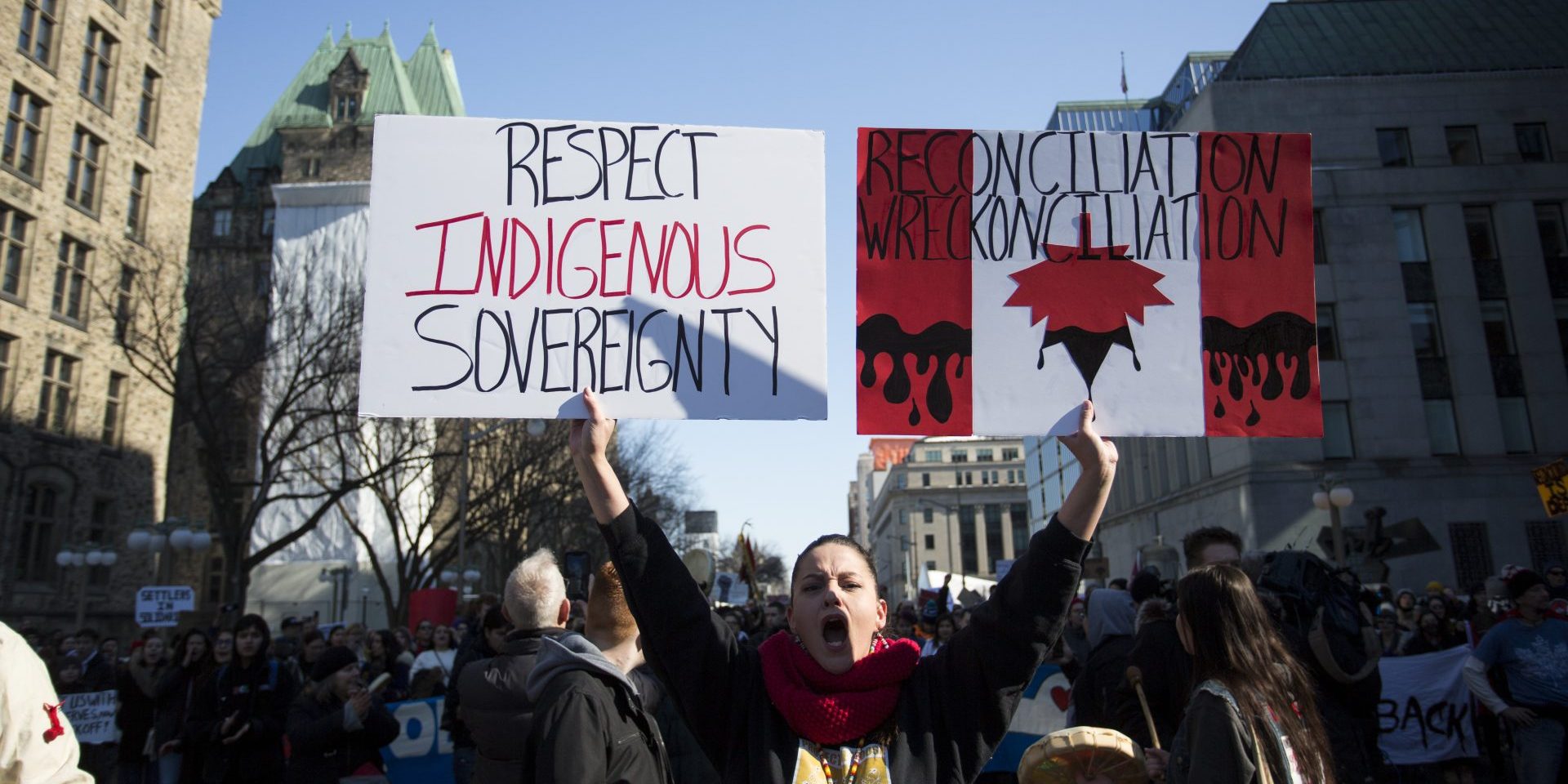
With the Conservatives opting to keep Bill C-10 in House debate, Green Leader Elizabeth May warned against making it a ‘political football’ when it represents a ‘small step for reconciliation.’
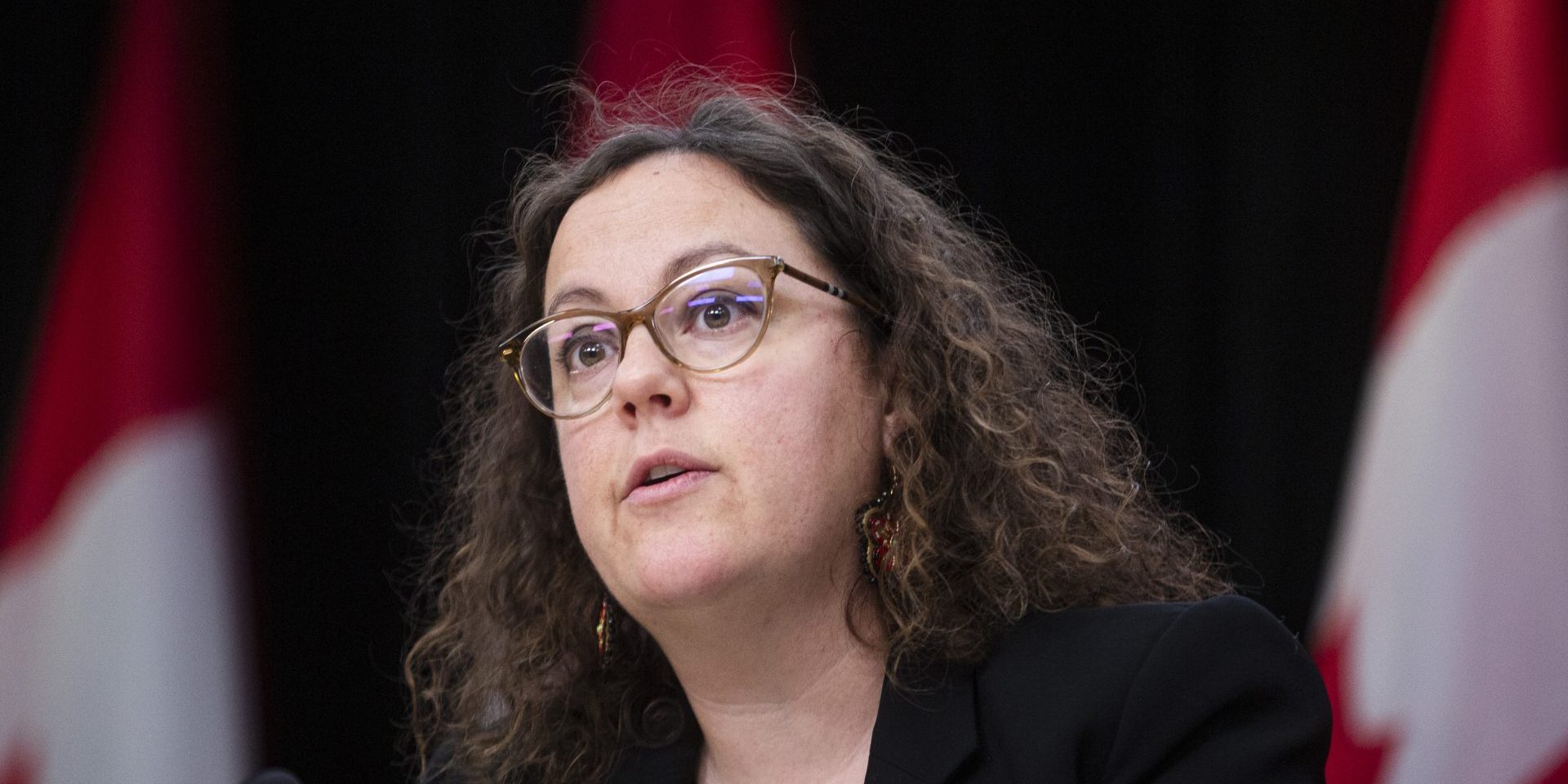
‘If First Nations need to challenge some of these processes, we will do that if necessary,’ says Assembly of Manitoba Chiefs Grand Chief Kyra Wilson.
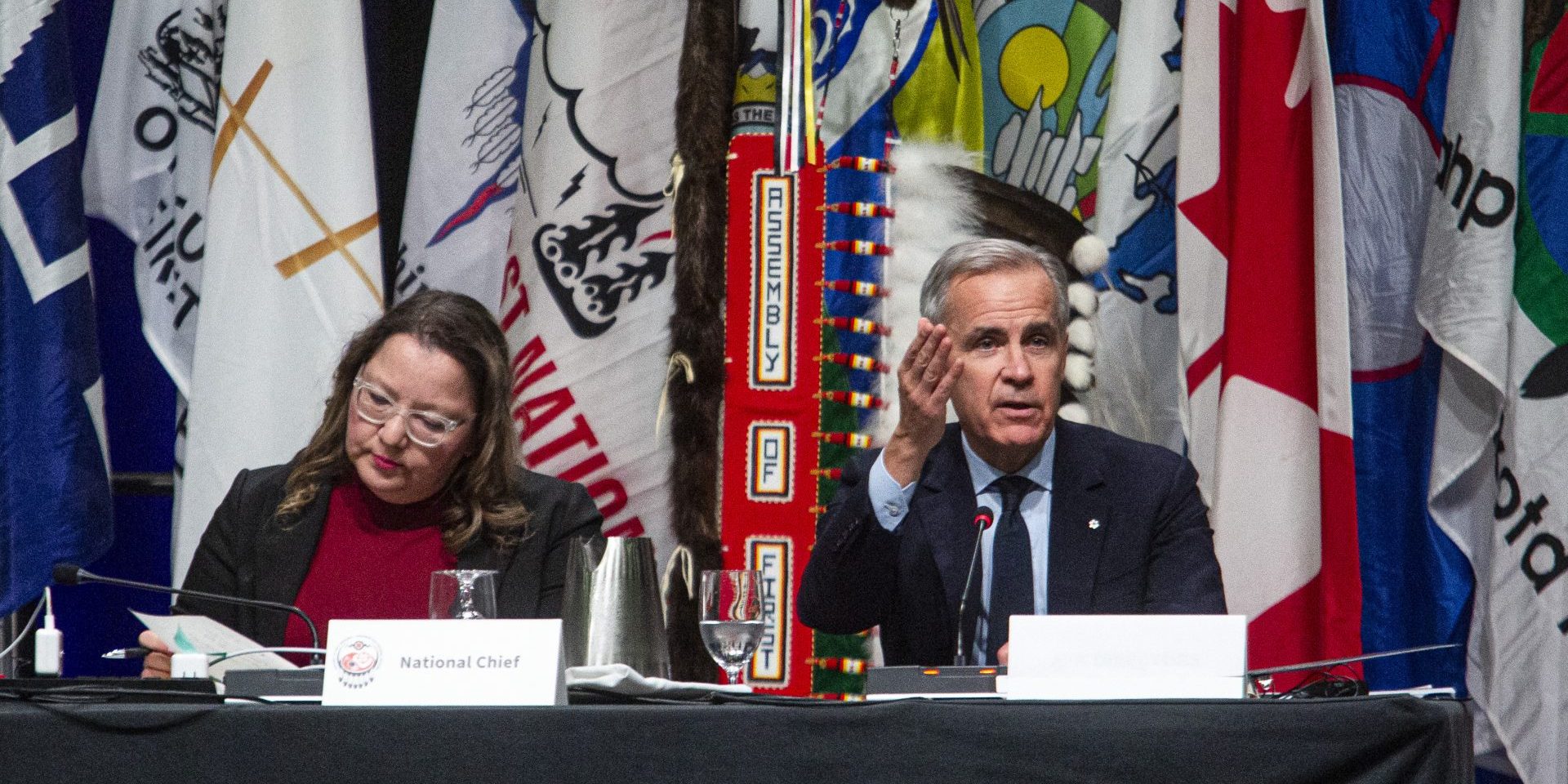
Sixty-eight per cent of Indigenous respondents say Indigenous approval should be essential before a project proceeds; only 42 per cent of the general population agree.
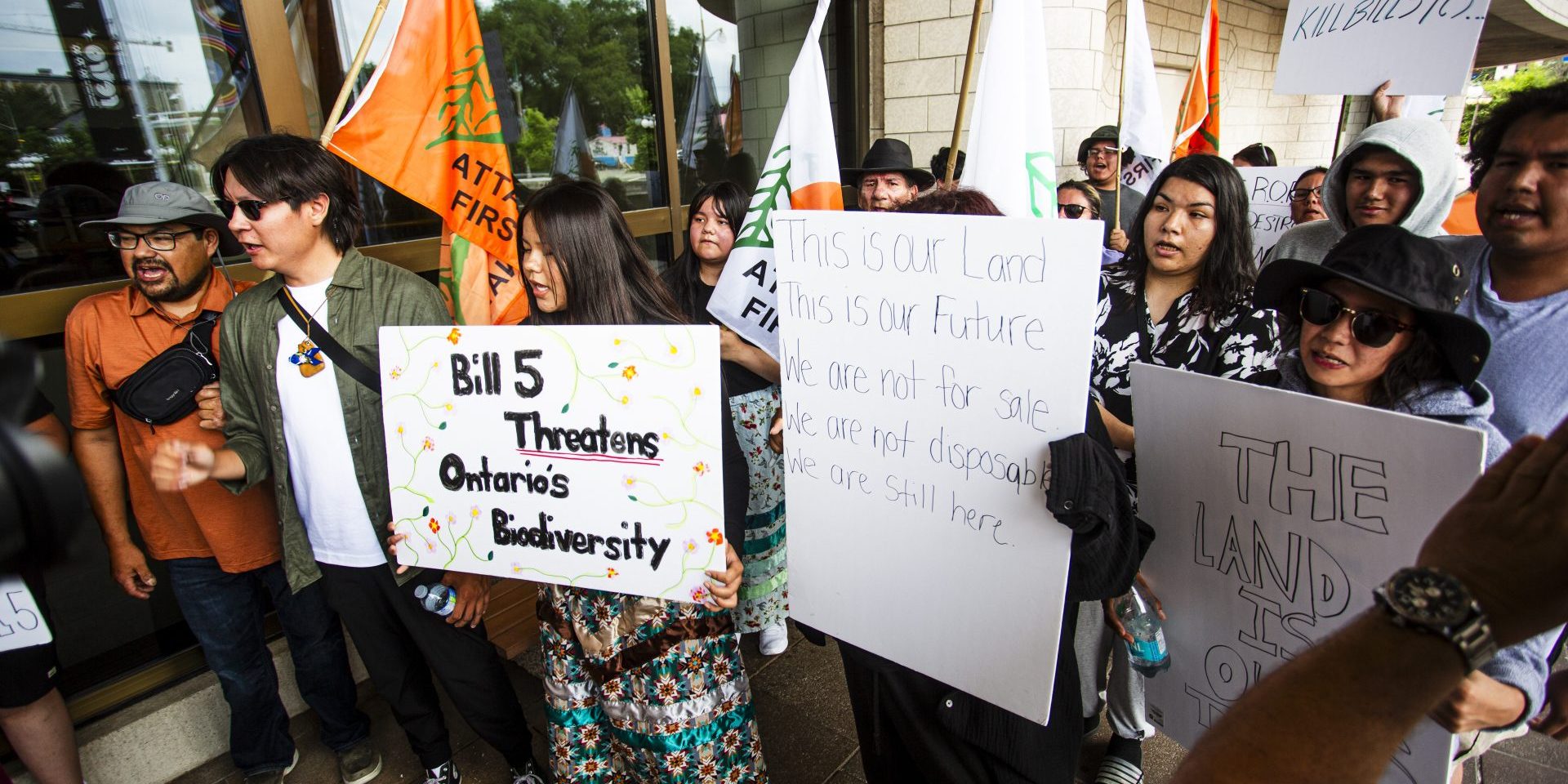
The CAF must position itself as an employer of choice for Indigenous Peoples by improving cultural safety, and supporting long-term career development and leadership.
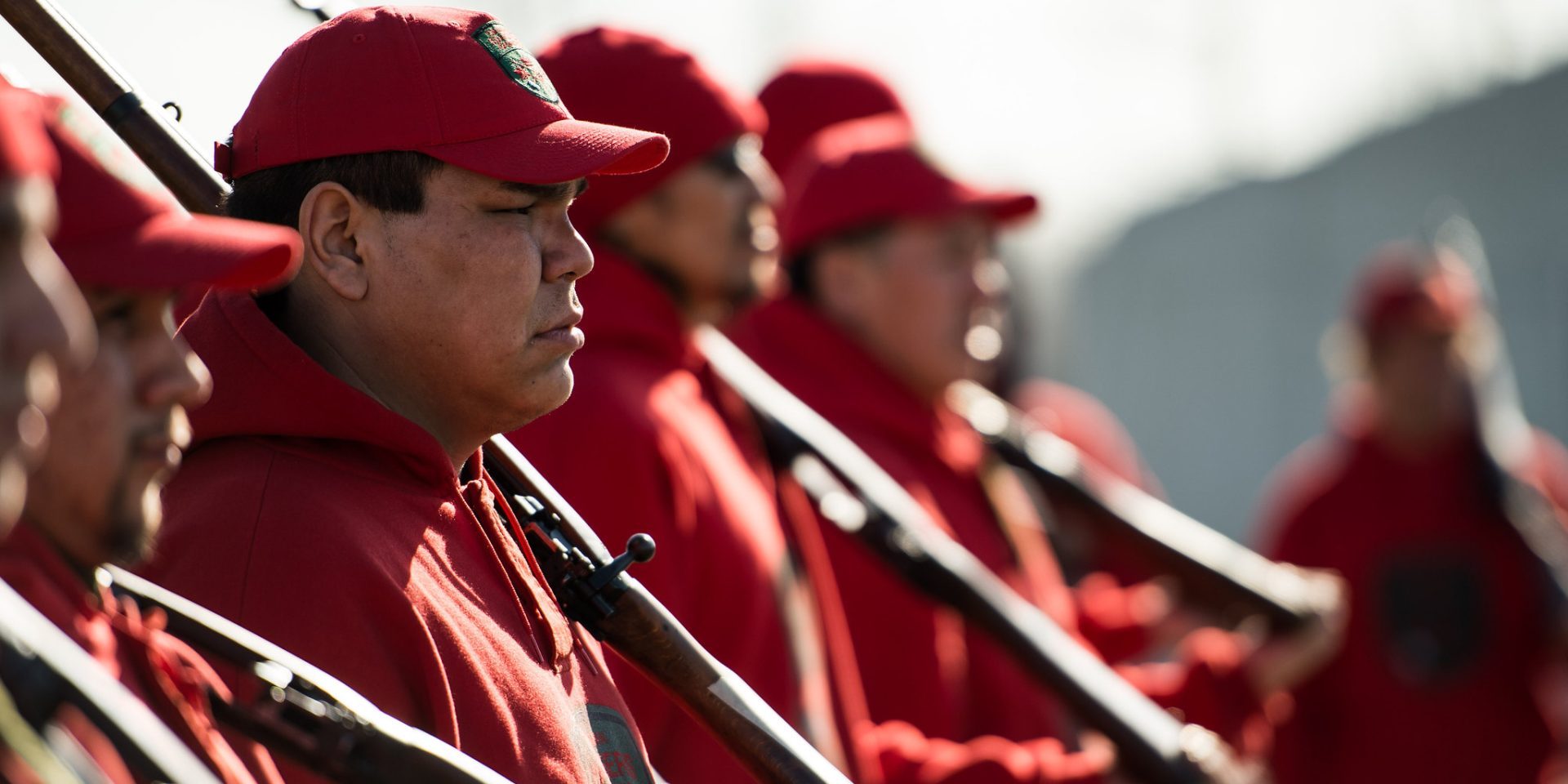
First Nations and Inuit leaders say the 2025 budget is a ‘missed opportunity’ with financial sunsets looming for critical education, health-care, and urban programs.