Canada’s budget watchdog projects federal borrowing to rise to $1.7-trillion in 2030-31, at 42.6 per cent of the GDP, with funding plans for a new pipeline and other major projects still to be chalked out.

At the Canada Investment Summit, it became clear that the government’s plan to unlock greater critical mineral investment could be accomplished with a simple tax change backed by five provincial and territorial governments.

Institutional investors have a mandate to maximize returns for their shareholders and members, not to deliver universal public services. When they acquire stakes in infrastructure, it is because they see opportunities for profit.
The prime minister needs to ‘come out with a big bang’ and dispel concern Canada is a hard place to do business, says one economist, while others say the investment summit raises questions about ‘who’s in the room,’ and which participants are ‘missing.’
Public funding alone will not be sufficient to build, repair, and modernize the infrastructure Canada needs. Private capital must play a larger role, leveraging public dollars for the greatest return for Canadians.

Canadians should ask what remains after drawing investor dollars, and what is exchanged: wealth we still own, or a bigger ledger built on corporate subsidies and asset sales?
Canada’s current flag-waving is a dramatically novel phenomenon. Trump’s tariff tirade and his talk of this country’s destiny as the 51st state changed everything.

A comprehensive community finance strategy would move Canada to a connected national system capable of mobilizing billions in private and community investment to create jobs and housing solutions, support entrepreneurs, advance reconciliation, and boost local economies.
It’s time for tools that finance and build infrastructure at scale, rather than forcing nations to rely on a one-project-at-a-time, pay-as-you-go system.

Too often, smaller companies lack the same ability to influence financial infrastructure and policy outcomes as larger incumbents. The consumer-driven banking framework Canada implements can make or break their future.

After court filing unearthed last week confirmed the government’s plans to ‘eliminate’ a five-per-cent funding requirement for Canadian content tied to the Online Streaming Act, some streamers are trying to recoup funding transferred to a centralized trust.
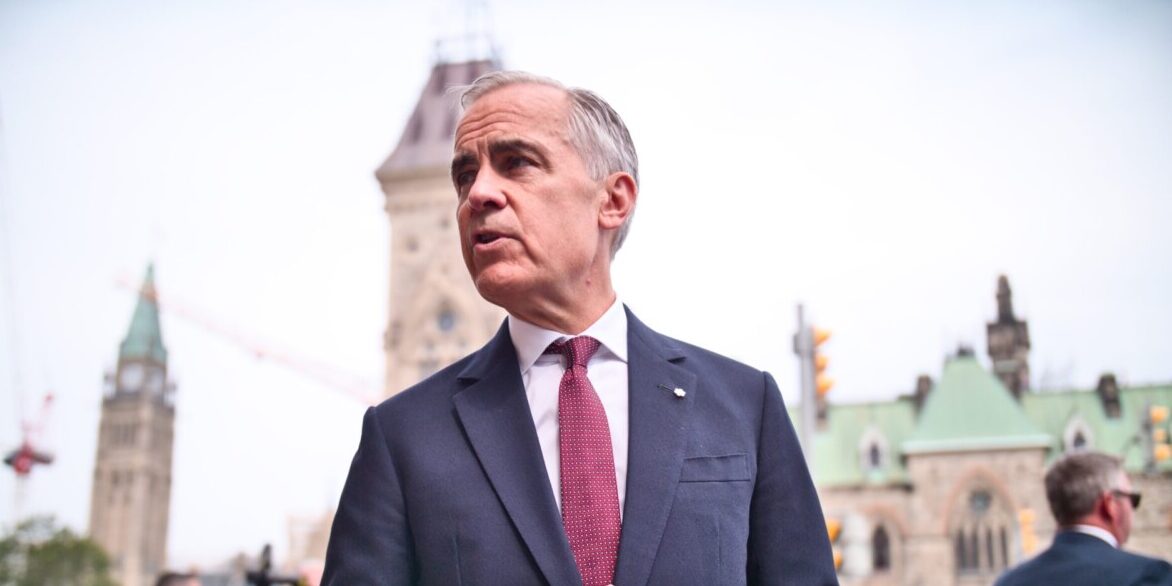
Publishing the bank’s projected policy rate path would show more clearly how it intends to reach its inflation objective.

Policymakers still hesitate to treat it as a mainstream economic driver despite a broader government focus on productivity, investment, and internal trade.

Canada’s tax and transfer system is encrusted with decades of piecemeal policy initiatives. Cavalierly touching just one part creates risk, and is a failure to understand the full nature of Canada’s tax and transfer system.
It’s through innovation that we can build a more productive economy. With a more productive economy, we can generate higher incomes and, as a country, afford to do things we cannot afford to do today.

The large private sector union is calling on the Liberals to apply the new policy requirements retroactively for strategic nation-building, and high value procurements not yet awarded—such as contracts worth more than $1-billion.

Rising debt burdens affect not only today’s taxpayers, but also future generations. Governments will likely raise taxes in the future to pay for today’s borrowing.
The current sitting has been ‘critically important’ and a ‘game changer’ for the Liberals, according to pollster Nik Nanos.

Rather than parsing individual Senator expense claims, Senator David Wells says AOVS has focused on ensuring that the systems that approve such claims are ‘sound.’
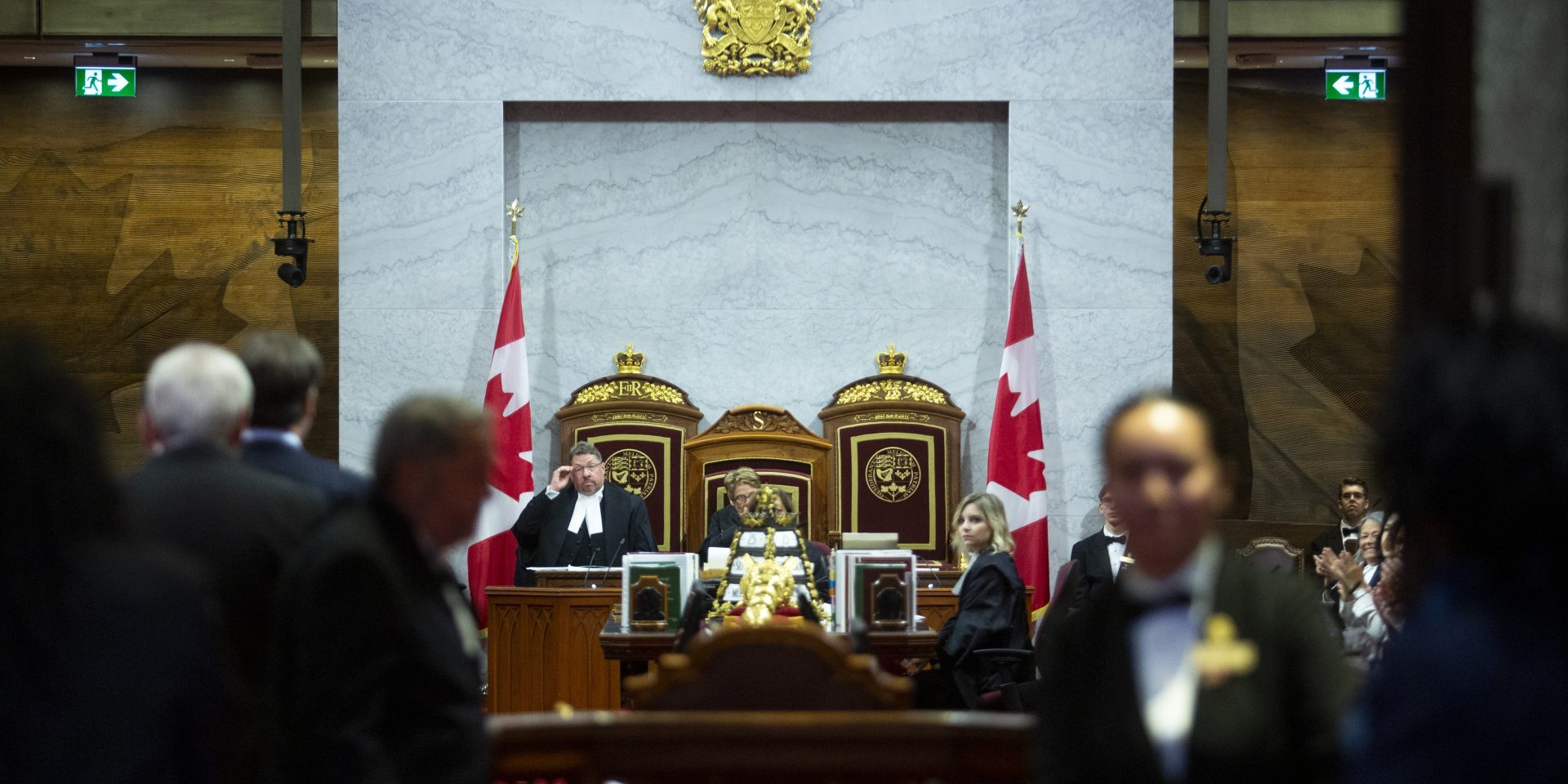
The spring economic statement’s $755-million for the Canadian sport system is long overdue.

Tory Treasury Board critic Stephanie Kusie recently said she had high hopes the April 28 update would ‘finally outline progress made’ with the Liberals’ spending review, which aims to cut billions of dollars and thousands of jobs from the public service.

Some of the laws set for amendments by the new Liberal majority government are the Employment Insurance Act, Canada Transportation Act, and Red Tape Reduction Act.

The government’s deficit in 2025-26 was lower by $11.4-billion than anticipated in Budget 2025, partly because of better government revenues impacted by higher oil prices.