While one Greenpeace campaigner says the legislation grants cabinet ‘unchecked discretion’ to circumvent environmental laws, for CSG Senator Clément Gignac, it’s ‘a very large positive step in the right direction’ for the economy.
As some pollsters caution that AI bots can invade online surveys, skewing data used for public policy, others say they have safeguards in place to verify respondents are humans.
The committee, where Liberal MPs hold a majority, is recommending that the government keep the policy it plans to walk back, and protect the payment structure in any future trade discussions with the United States.

As Ottawa shrinks the public service to rein in operating spending, Shafqat Ali declines to estimate how many involuntary departures may still be needed, while PSAC urges a reassessment of the cuts.

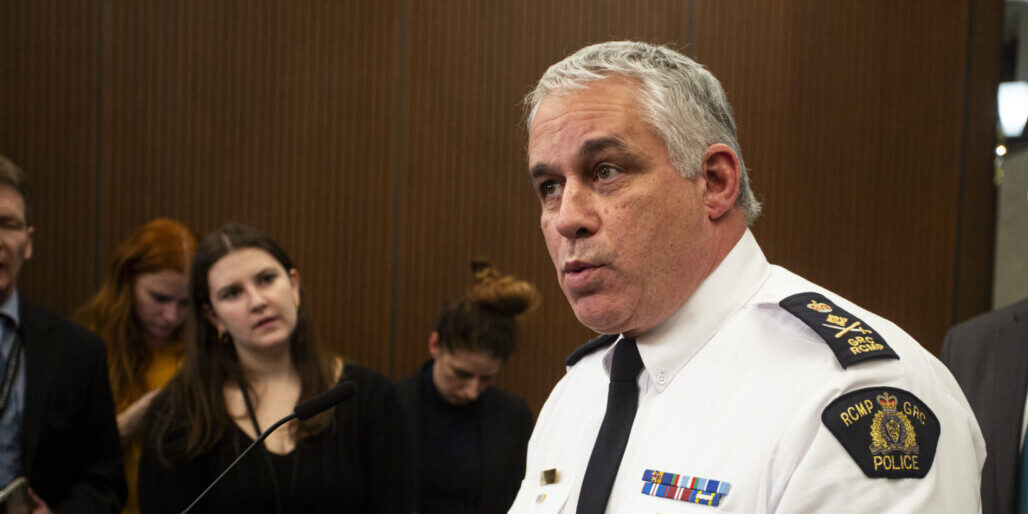
RCMP Commissioner Mike Duheme told MPs that his mandate is to hire 750 new police officers over three years, as well as 250 public servants to support federal policing. This includes a hiring target of 350 for the first year, he said.
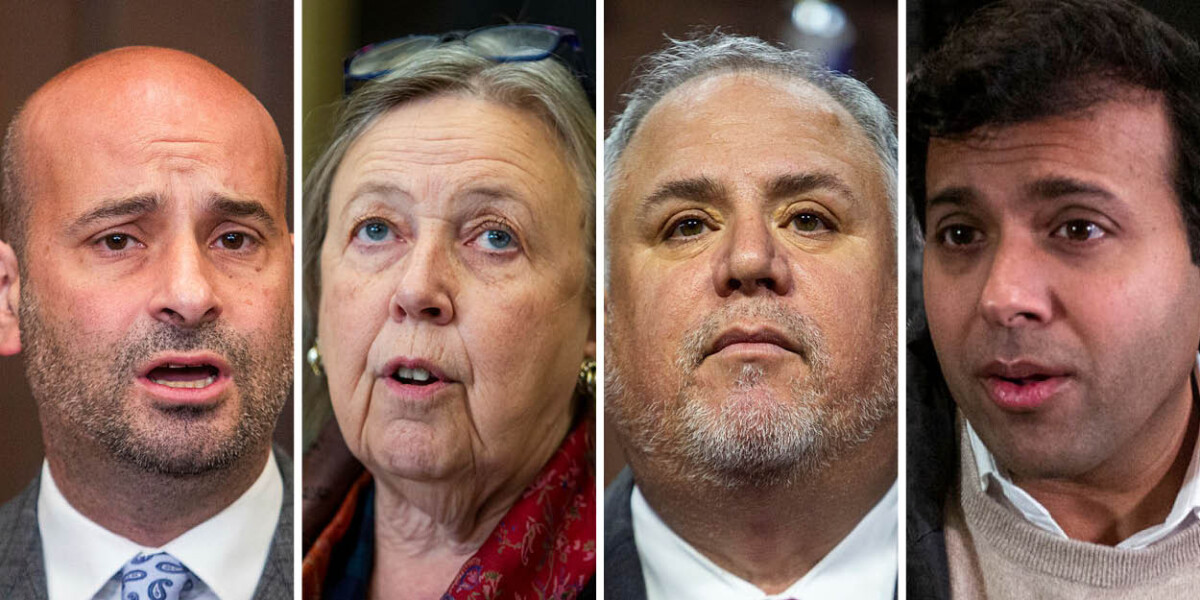
Green Leader Elizabeth May said she hopes David Eby is ‘punished’ by voters for his snap election call, Conservative MP Frank Caputo called the move ‘100 per cent opportunistic,’ while Liberal MP Taleeb Noormohamed said any premier has the right to call an election.
Plus, there’s been a turnover of communications staff in the defence minister’s office, and an upcoming comms-related change affecting two ministers’ offices.
Institutional investors have a mandate to maximize returns for their shareholders and members, not to deliver universal public services. When they acquire stakes in infrastructure, it is because they see opportunities for profit.
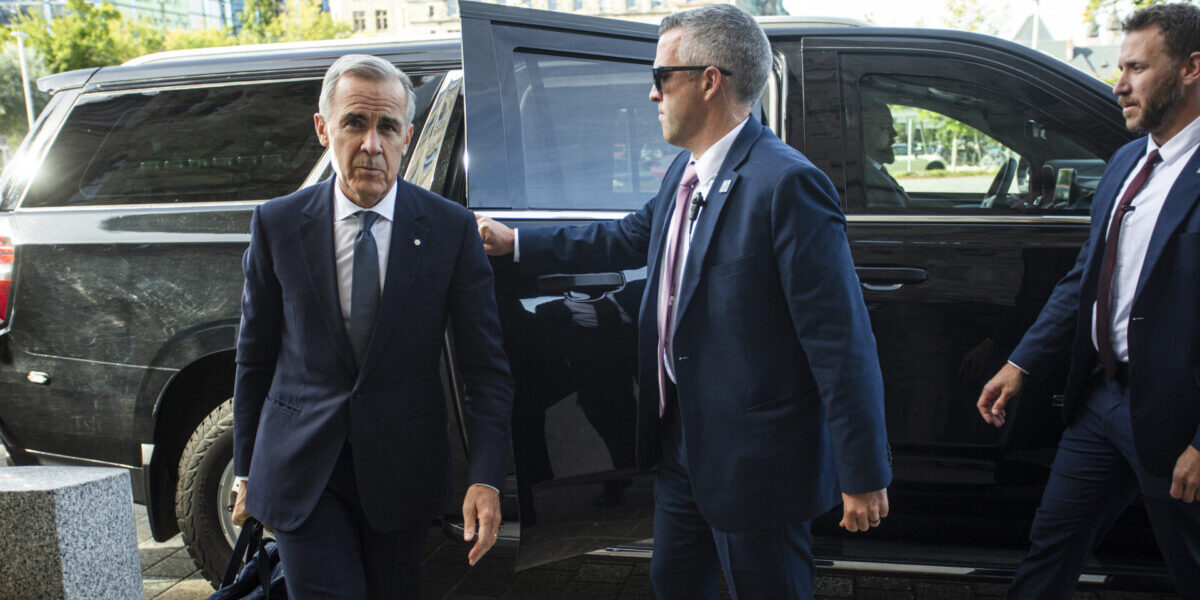
The ‘impressive’ estimated fundraising haul of more than $841,000 makes it hard to argue tactics, but public view of transparency and ‘cash for access’ concerns have a higher standard than the legal threshold, says Liberal strategist Dan Arnold.
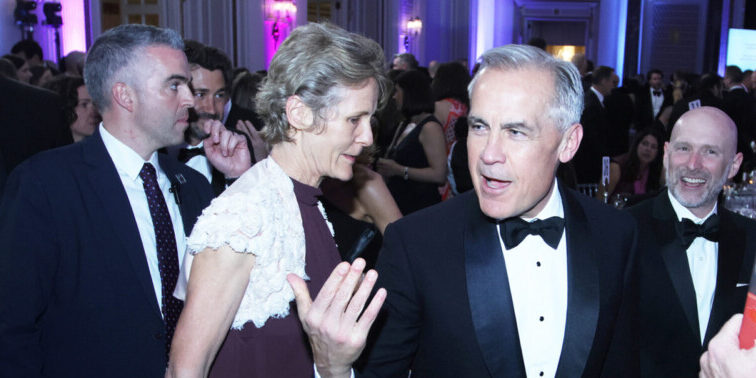
Pierre Poilievre still has time to right his ship, but he needs to take a deeper dive into Kerry-Lynne Findlay’s car crash if he wants to fare better than she did.
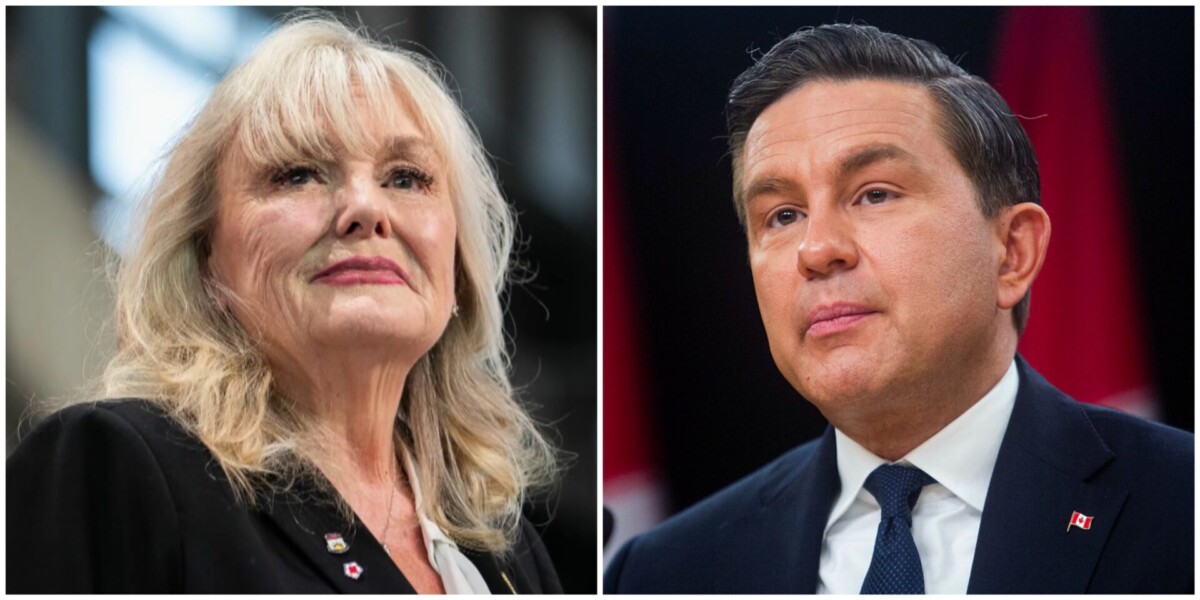
Those of us in this country with some level of discernment have seen through the Alberta premier’s remain-in-Canada act, and now she needs to pivot.

The feds are opting to diminish the public’s access to information and privacy, ending any pretence of consumer and taxpayer protection, and introducing data centres that generate too much misinformation.
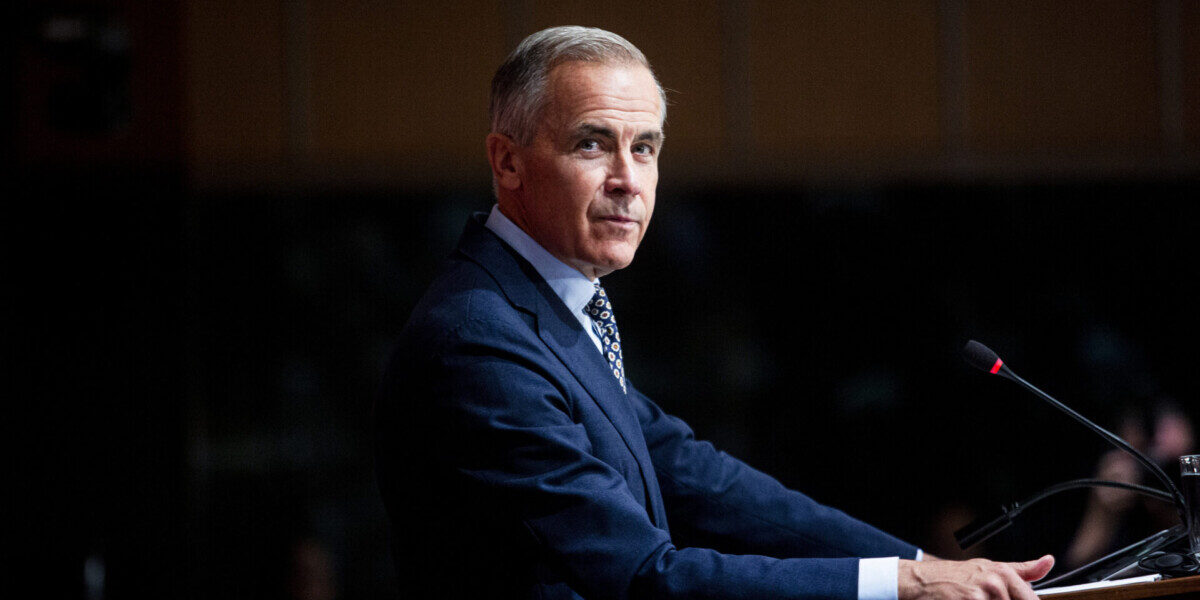
The feds want the new organization to expand AI, rebuild in-house expertise, and help Canadian tech firms grow, raising questions about whether those goals can coexist without deepening dependence on outside suppliers.
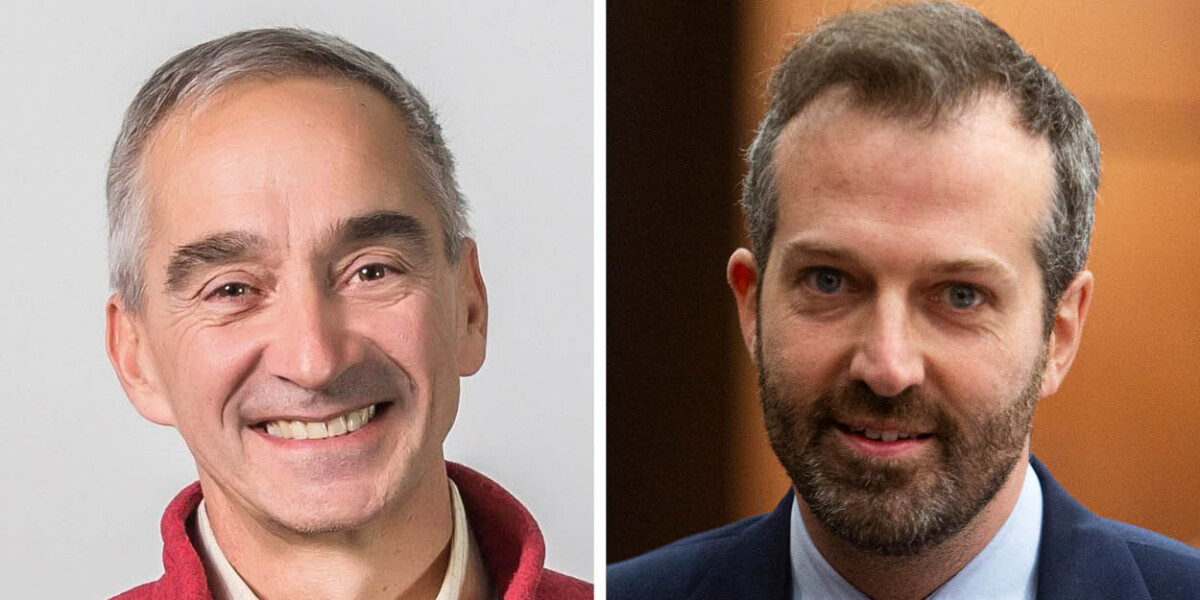
The Building Canada Strong Act, introduced on the first day of the fall sitting, aims to streamline project approval timelines across the country by completing project reviews within a year.
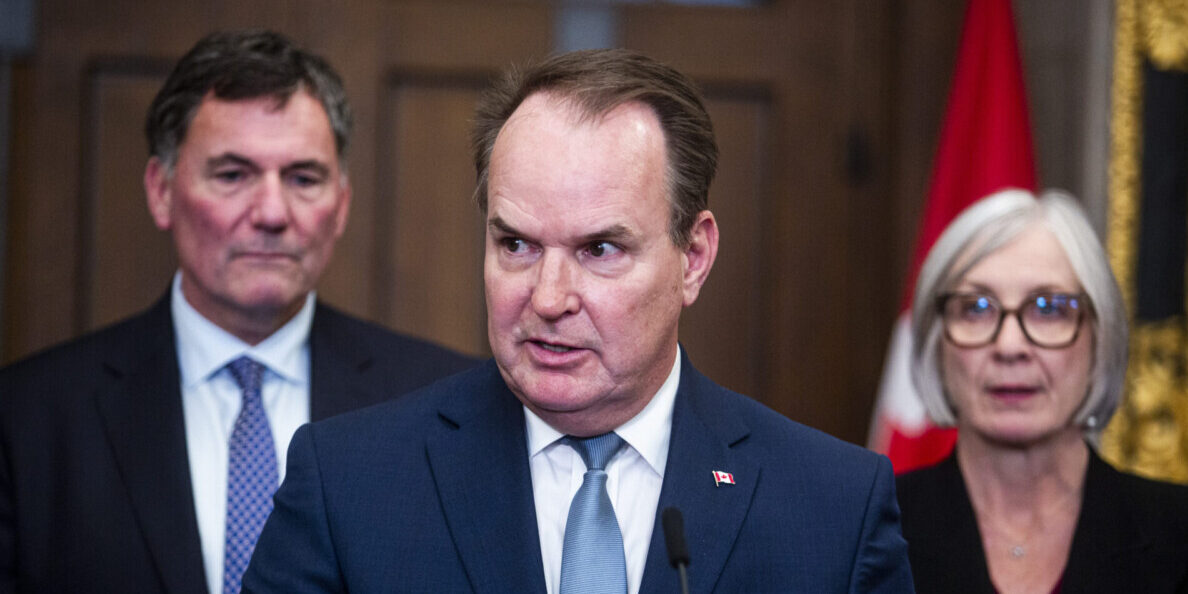
The prime minister has the right personal qualities and experiences, but more importantly he governs the middle power most vulnerable to subjugation in the short run. Most Canadians realize this country’s peril may be existential.

Some Canadian politicians are keen about closer ties to the 27-nation bloc, while others critiqued Prime Minister Mark Carney’s speech for lacking details on taxation, regulations, and the cost of pursuing ‘associate’ membership.
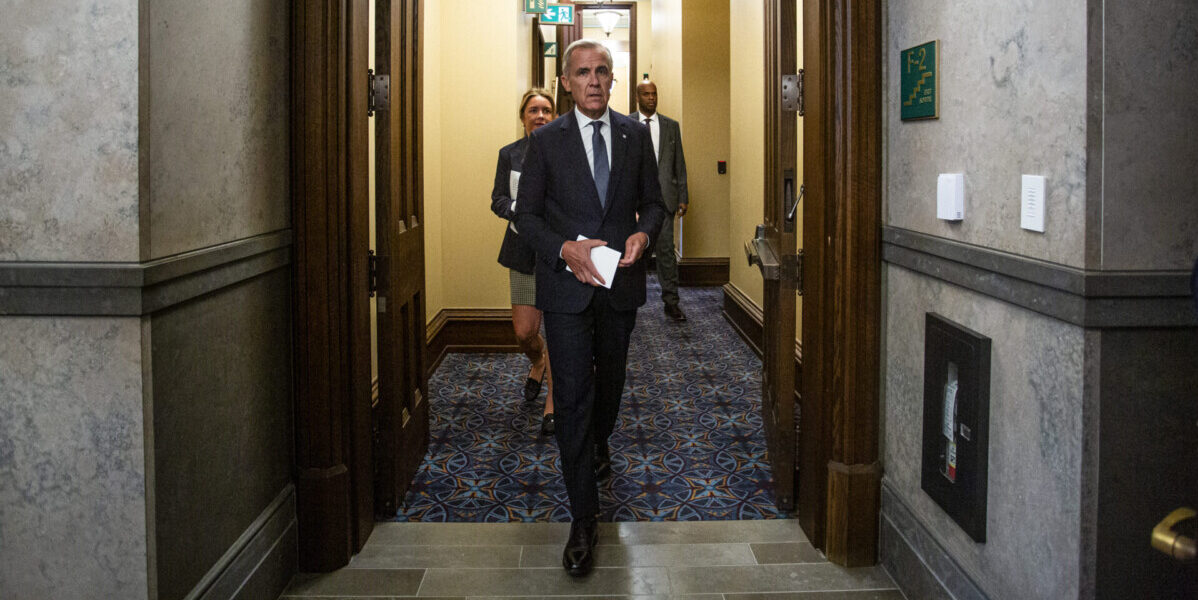
Mexico’s experience shows fair representation is hard to achieve, even with legislation. But it’s almost impossible without it because political parties control nominations.
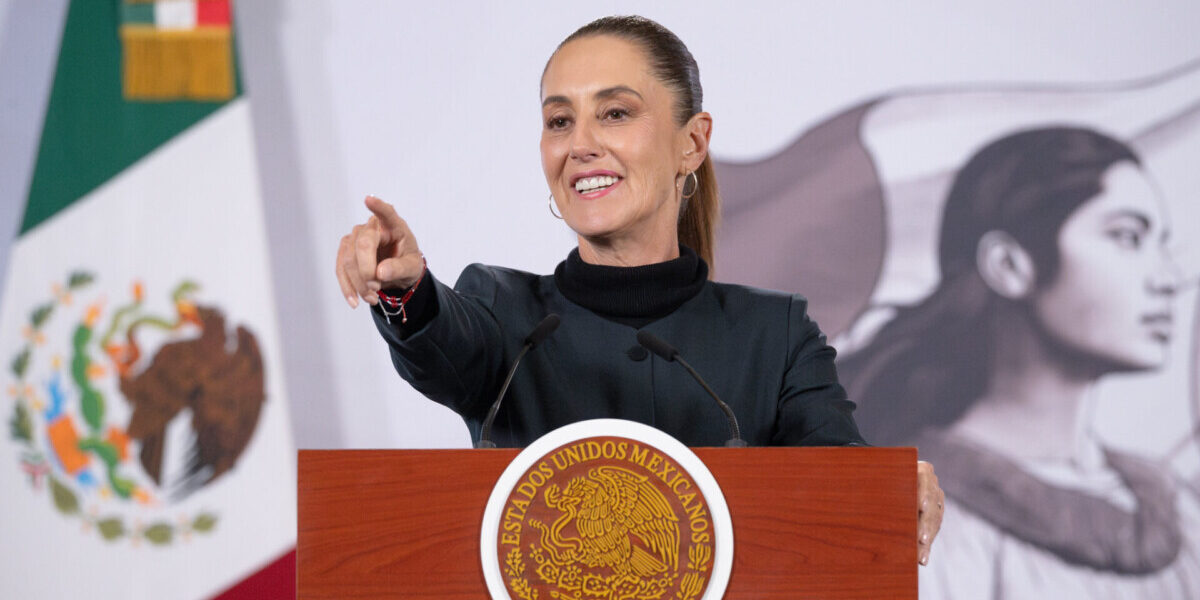
At the very least, a public break by the federal Conservatives’ full Quebec caucus would force the entire party to undergo fundamental introspection.
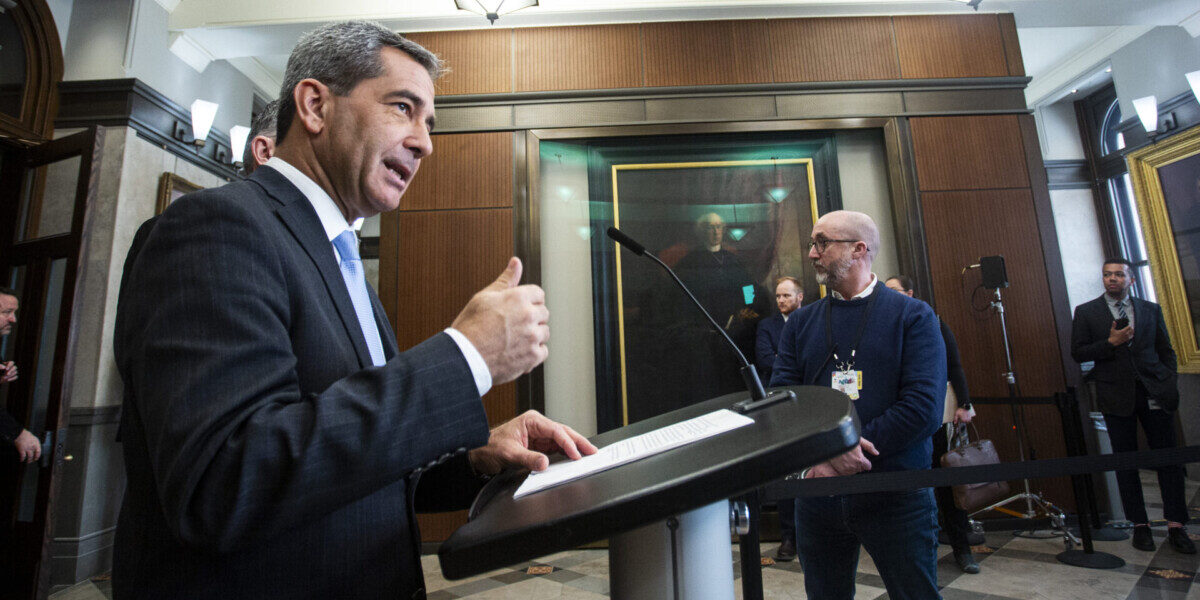
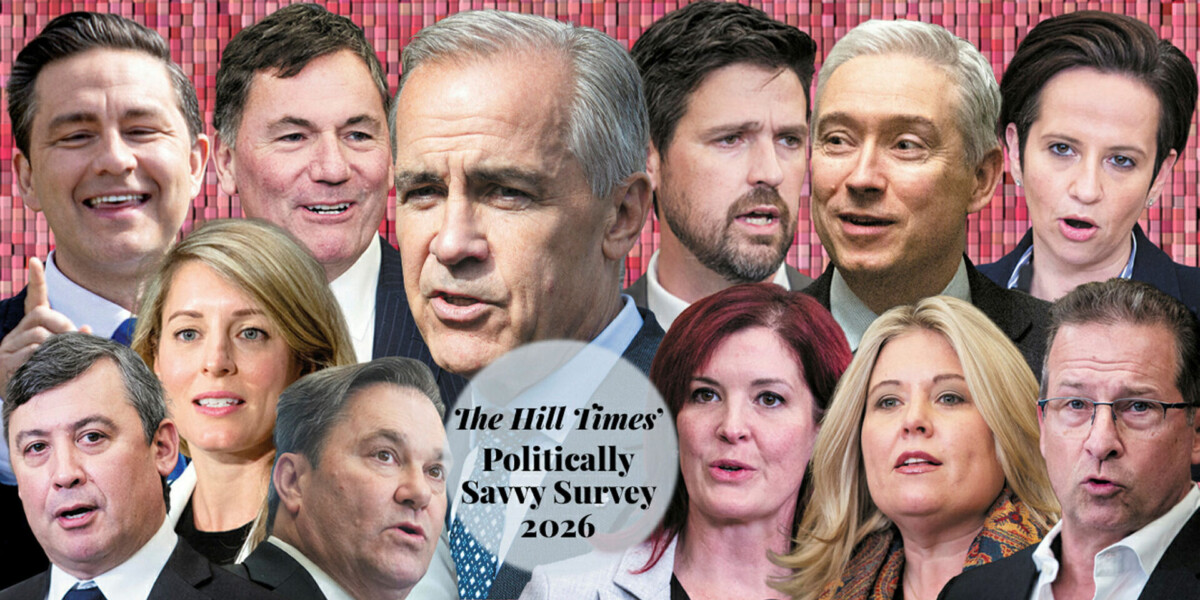
Pierre Poilievre voted most effective Conservative QP MP, best opposition MP in scrums, best fundraiser, and biggest self promoter. Dominic LeBlanc picked as best cabinet minister, most influential cabinet minister, and MP with the best sense of humour.
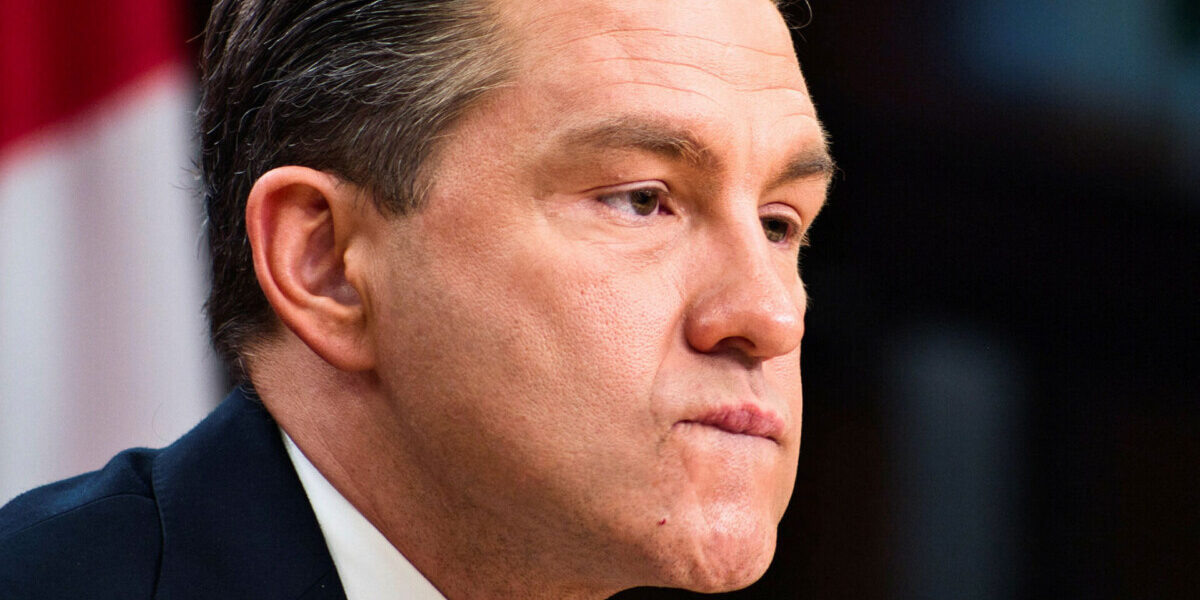
The political reality is that Canadians don’t want to bend the knee to Donald Trump, no matter what the economic costs; hence they fully support Mark Carney’s aggressive response. The other political reality is that this public attitude puts Canada’s opposition parties in a quandary.
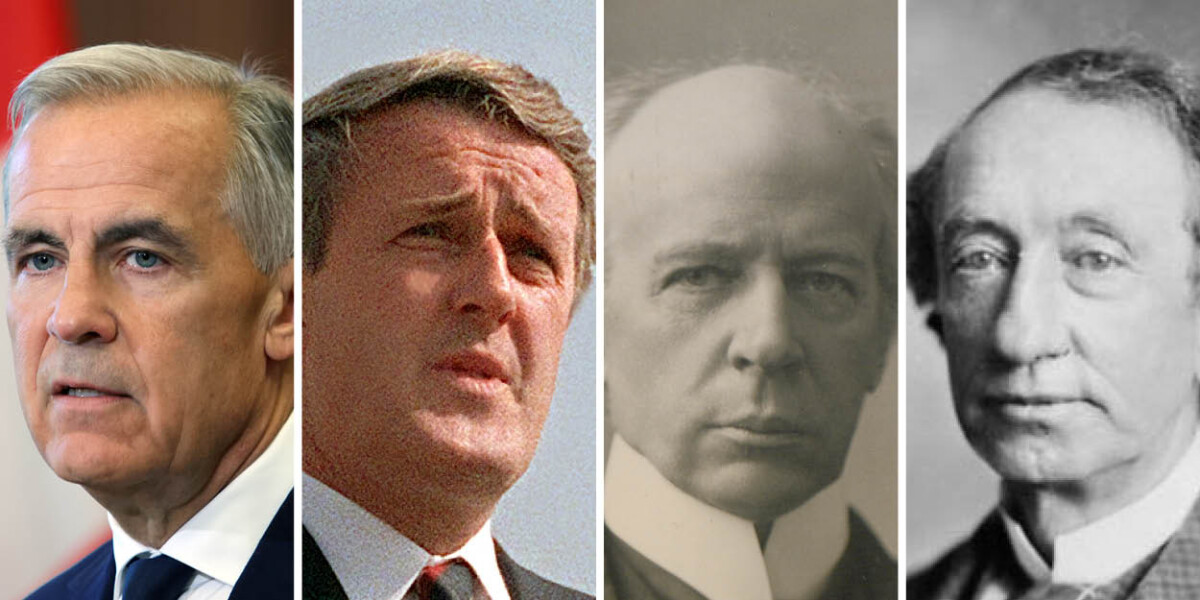
The challenge facing Canada is simply the latest chapter in a debate that stretches from former prime ministers Sir John A. Macdonald and Sir Wilfrid Laurier, to Brian Mulroney and now Prime Minister Mark Carney. The circumstances have changed. The underlying question has not.
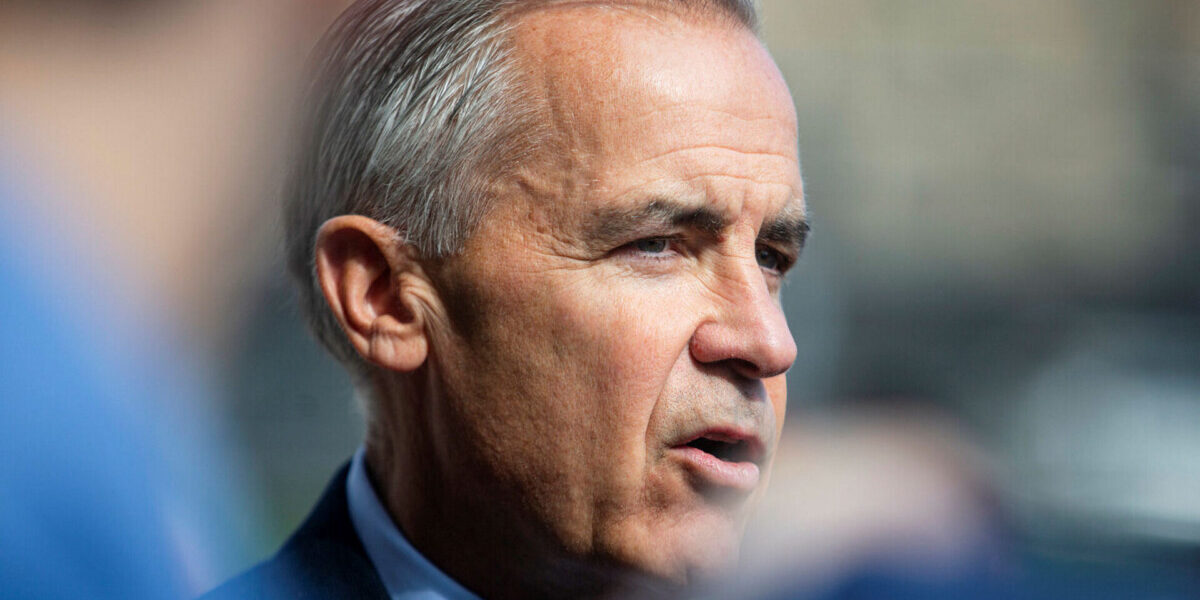
Mark Carney’s Investment Summit was a good idea. It put Canada more squarely on the map for foreign investors who will now be watching to see how we proceed in our ‘Build Canada’ agenda. Consider the summit a first step. Much more must be done. But there is hope.
On the surface, the electoral waters appeared quite calm as five of the six confirmed the status quo. However, below the surface, much swirled.

Even a popular prime minister needs to answer questions. But MPs need to resist the urge to turn another House sitting into yet another partisan circus. Canadians need real answers. The stakes could not be higher.