

It has been heartening to see many of Canada’s politicians park their ideological differences for the greater national good. Voters will long remember those who tried to exploit the crisis for their own gain, and those who grabbed an oar and started rowing.
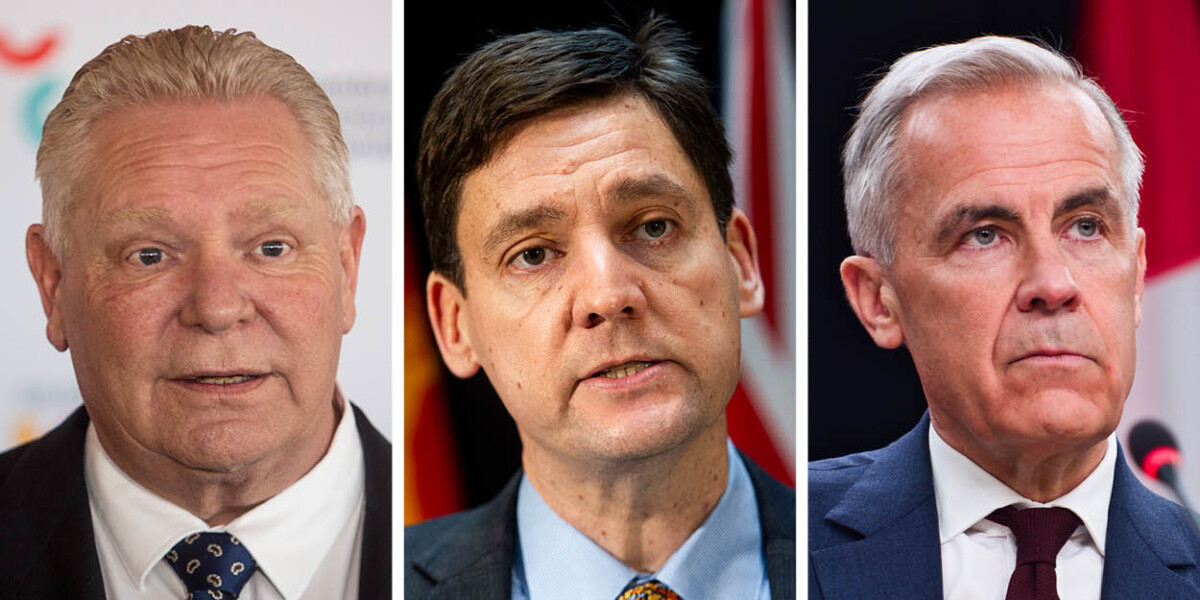
In its environmentally backward way, the Ontario government has clearly failed to adjust to the mounting threats of global warming.

A dozen First Nations leaders held a press conference to detail the lack of involvement of First Nations in managing the crisis, and they called out Ontario Premier Doug Ford’s communications as propaganda attempting to spin the wildfire response as entirely positive. Just who is running this disaster, anyhow?

More than 200 PIPSC members are affected at each of NRCan, Environment and Climate Change Canada, and Fisheries and Oceans Canada, PIPSC vice-president Stéphanie Fréchette said. Across government, the union says more than 6,500 members have been impacted.

Health Minister Marjorie Michel’s office says governments don’t typically make decisions on funding deals until the year they expire. But CMHA B.C. CEO Jonny Morris says the lack of clarity is creating risk about the future of programs, staffing, and maintaining the positive impacts of funded programs.

Ontarians are the least likely Canadians to identify themselves in regional terms. Many, particularly immigrants, have never lived in another part of Canada, where consciousness of regional marginality is hard to escape. That is a difference between residents in outer and inner Canada.

Going back to the Second World War, the pattern has generally tended to put the Tories in office at Queen’s Park when the Liberals hold power in Ottawa, and vice versa.

A three-member Ontario Liberal Party arbitration committee is scheduled to meet May 20 to review Nathaniel Erskine-Smith’s appeal against the provincial Scarborough-Southwest nomination election result, according to Liberal sources. In the meantime, Ontario Liberals are pushing back.

The Ontario government’s proposed changes tear apart the foundation of the 1988 Freedom of Information and Protection of Privacy Act, but, federally, we may not be too far behind.

The federal and Ontario governments have pledged a combined $8.8-billion over a decade, but said some of the falling revenues from cuts to development charges must be funded by the municipalities.

Seven provinces and two territories don’t yet have deals even though Prime Minister Mark Carney said last fall that his government is committed to signing more agreements.

Premier Doug Ford is tearing down everything we’ve ever loved about Ontario—starting with the things poor people need most to live.

Two recent surveys find that a significant portion of Canadians do not have access to a primary care provider as governments across Canada attempt to tackle the long-time health human resources shortage.
The Ontario premier’s pitch to poach Quebec doctors will be exploited by the separatists to undermine Quebecers’ sense of belonging to Canada.

Three questions flow from the mess: Was it helpful? Was it co-ordinated? How is it possible that Ford beat the Democrats to it?
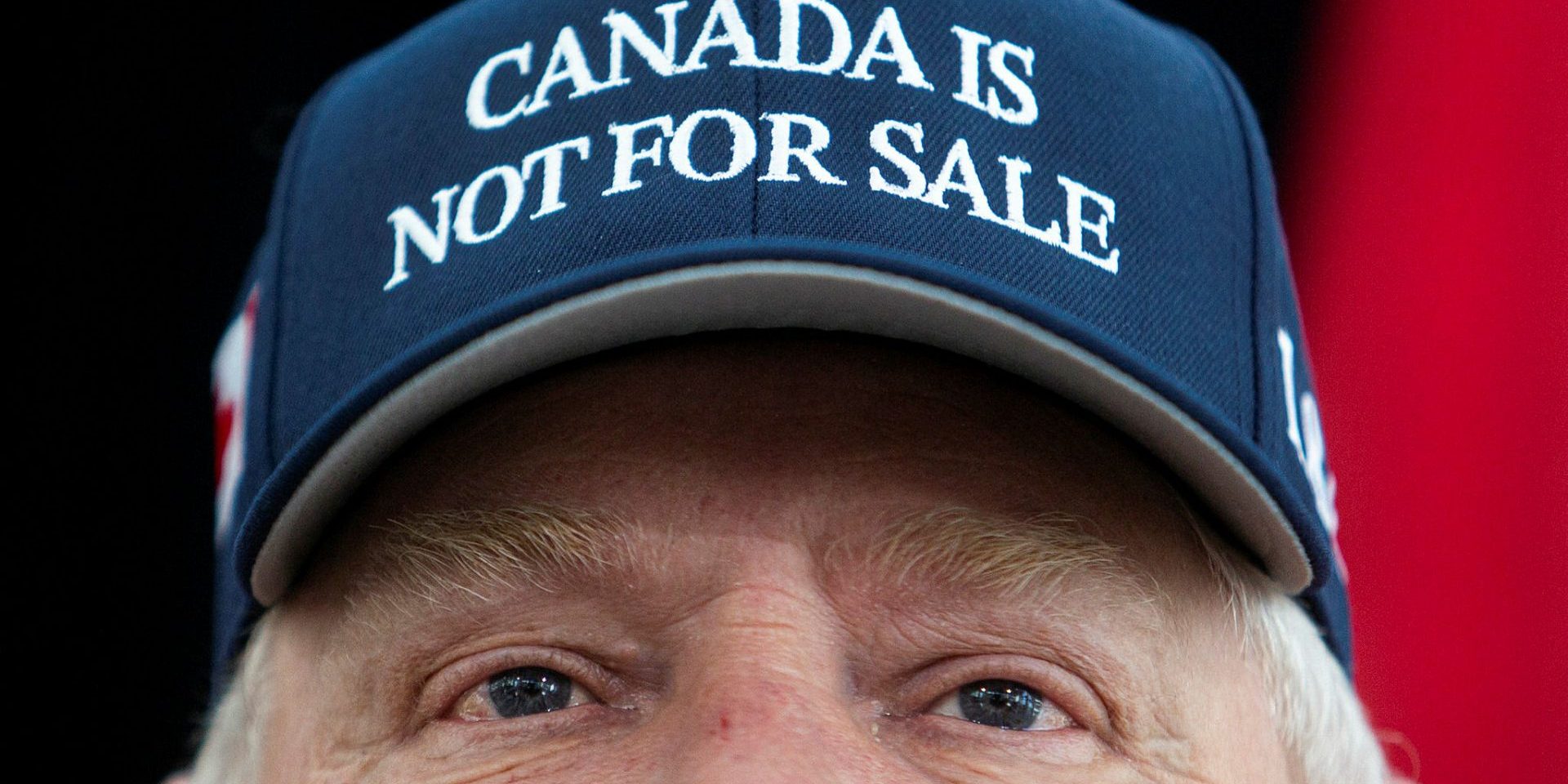
Despite receiving the largest share of the promised $1-billion over five years, Ontario ranks second last in provincial spending per student on school food programs.

The Ontario premier seems to lack any ideological connection to his political base. Although his approach to politics might come across as supremely cynical, it seems to be working.
Progressive Senator Andrew Cardozo says politicians shouldn’t be telling judges what to do, as judges are only applying laws passed by Parliament.

The push to oust Ontario Liberal Leader Bonnie Crombie in September is heating up as her supporters go on the offensive, accusing the still-budding New Leaf Liberals of colluding with Liberal MP Nate Erskine-Smith.

NDP challenger Joel Harden is emphasizing local representation in his second bid to unseat Liberal Yasir Naqvi—this time federally.

Of the 343 ridings to be contested, 34 have historically chosen the party that takes power at every election since at least 2011.

Only 45 per cent of eligible voters cast a ballot in last month’s provincial election, up only slightly from the record-low turnout in 2022.

Local Liberal MP Terry Sheehan says there were lessons from the 2018 tariffs and Canada’s response. ‘They were lobbing grenades at us—like they’re doing now—and we came back with lasers and hit them.’

But nominated federal candidates and senior Conservatives say they have no plans to ‘put down tools.’

Newfoundland and Labrador Premier Andrew Furey says Donald Trump’s ’51st state’ pitch for Canada as ‘incredibly insulting’ and an ‘assault on our democratic institutions and our sovereignty.’
