


In the context of trade routes, mineral exploration, and U.S. President Donald Trump’s constant threats to annex both Canada and Greenland, the North is the key area of focus for our preparations.

What does it mean for Canada? Well, with one—or maybe two—referendums happening on our country’s future, we should probably be taking pretty good notes, no?

As we ramp up from two per cent of GDP to 3.5 per cent over the next decade or so, we should all keep successive governments focused on not just buying the kit we need, but continuing to leverage these dollars for both domestic and geopolitical gains.

The prime minister appears to have effectively threaded the needle by convincing both B.C. to accept a series of funding agreements for projects they actually want and Alberta to accept the pipeline route they least wanted.

The technology itself is actually brilliant. Heavily encrypted, portable and permanent, blockchain seems to me to be an obvious part of the solution to the digital morass.

I don’t believe that Alberta will vote to have a binding referendum, let alone vote to separate. I really don’t. But this can’t be taken as a certainty. And if the result in October is anything other than a clear, massive rejection of separation, this isn’t going to go away.

There could be no truer epithet to describe the body of work Louise Arbour has contributed to both Canada and the world, and no better symbol of the renewed vision of Canada that Carney is selling other principle-seeking nations than Arbour as proxy for our head of state.
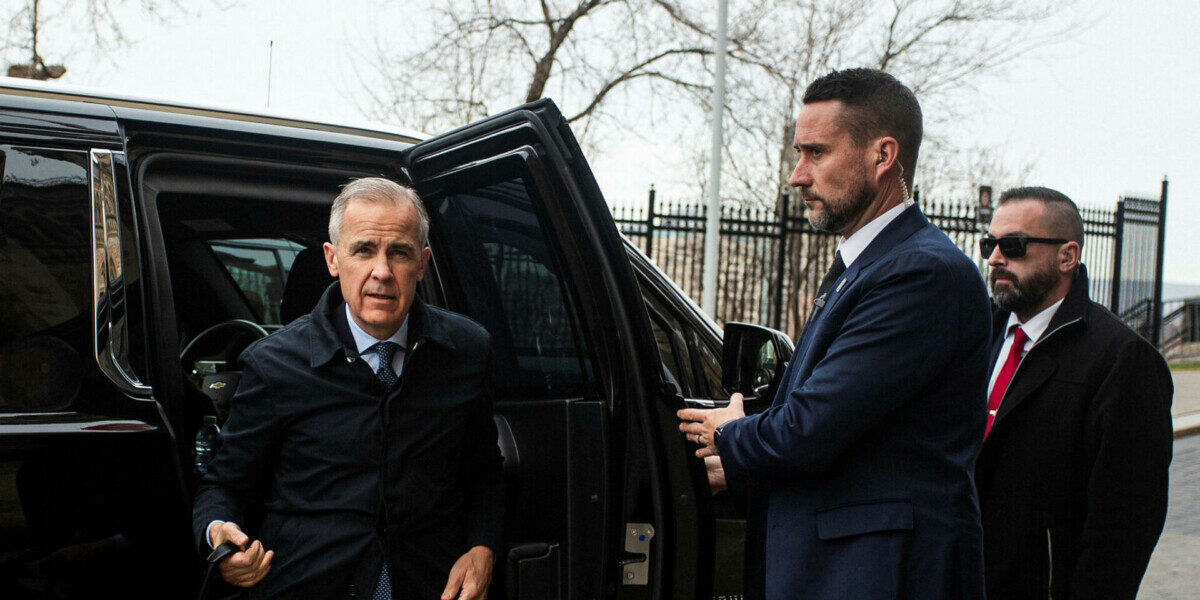
Between July 1, 2026, and Jan. 3, 2027, when the new Congress is sworn in, Canada is going to be extremely exposed: with the expiration of CUSMA, it’s reasonable to assume that Donald Trump will impose far wider tariffs on Canadian goods. This is likely what Mark Carney is preparing us for. But what if there is more?

There are an estimated 365,000 public servants who work for the federal government. There are fewer than 650 exempt staff in total. That’s 0.18 per cent of all the people paid by the feds. The political staff cost less than $90-million, compared to about $80-billion for the public service. Hardly a creeping majority.

If the PM were to call an election now, he would almost certainly be punished. Despite some stellar polling, what certainly feels like a collapsing opposition leader and the foundations of some policy wins, Mark Carney must not give in to those advising him to go the polls to secure his majority.

By accusing Democrats of cheating in past elections, it’s basically a guarantee that the U.S. president is planning to cheat now and in 2028 (at least).
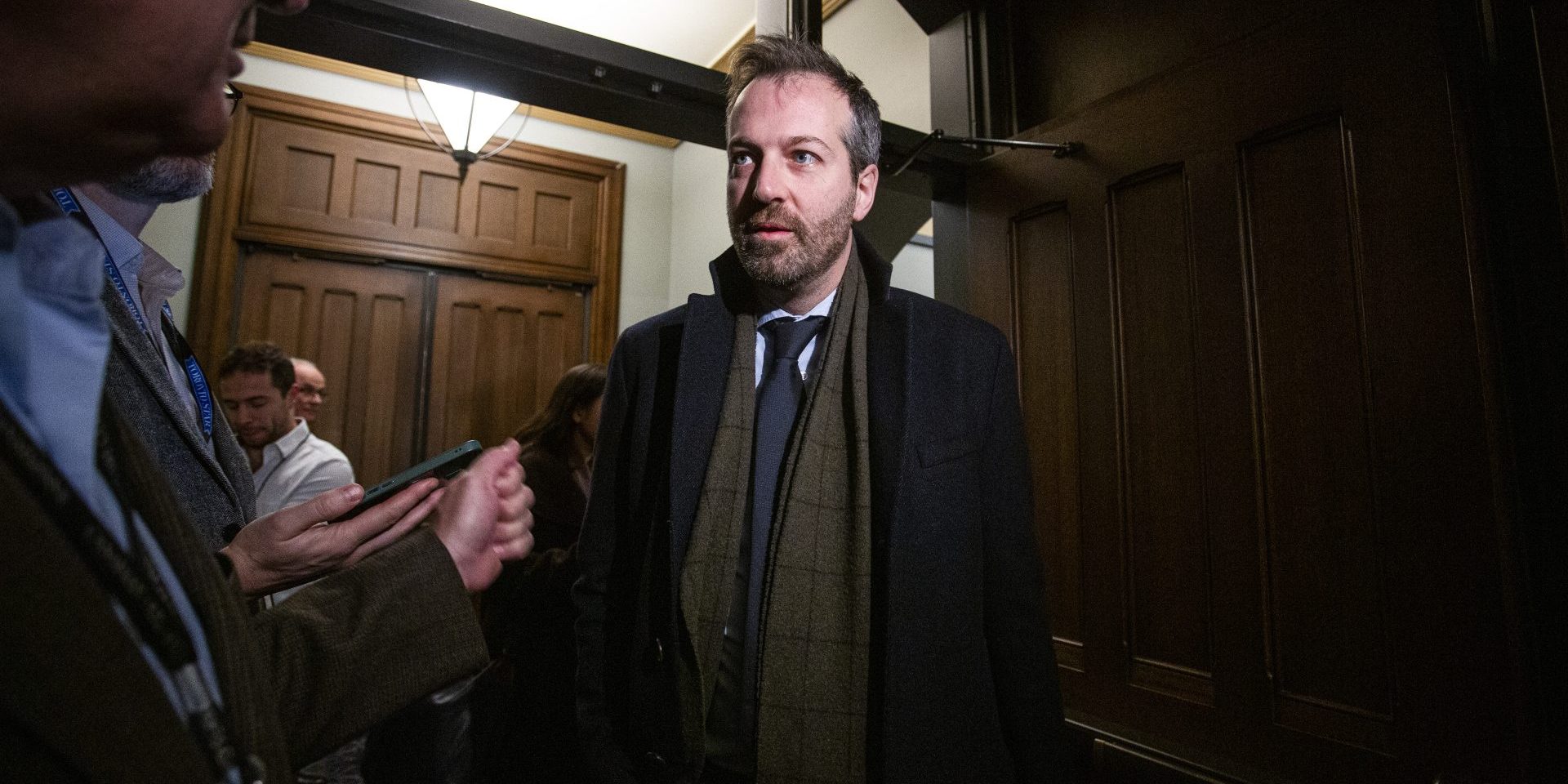
Canadians have made the choice in droves to abstain from American alcohol and travel, and it is having a big impact. The least we can expect from our governments at all levels is the same level of commitment.
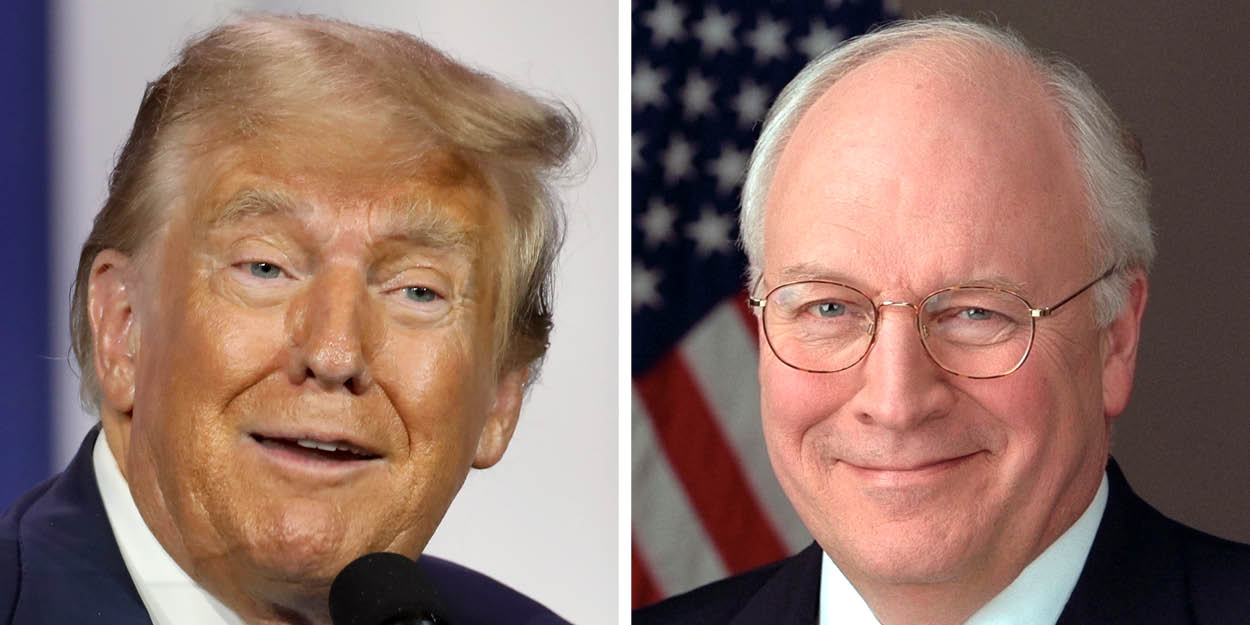
It’s all so venal and terrifying. So much so, we are reduced to making declarations out of statements that should be a priori in nature, but may very well be the overwhelming foreign policy debate of 2026.
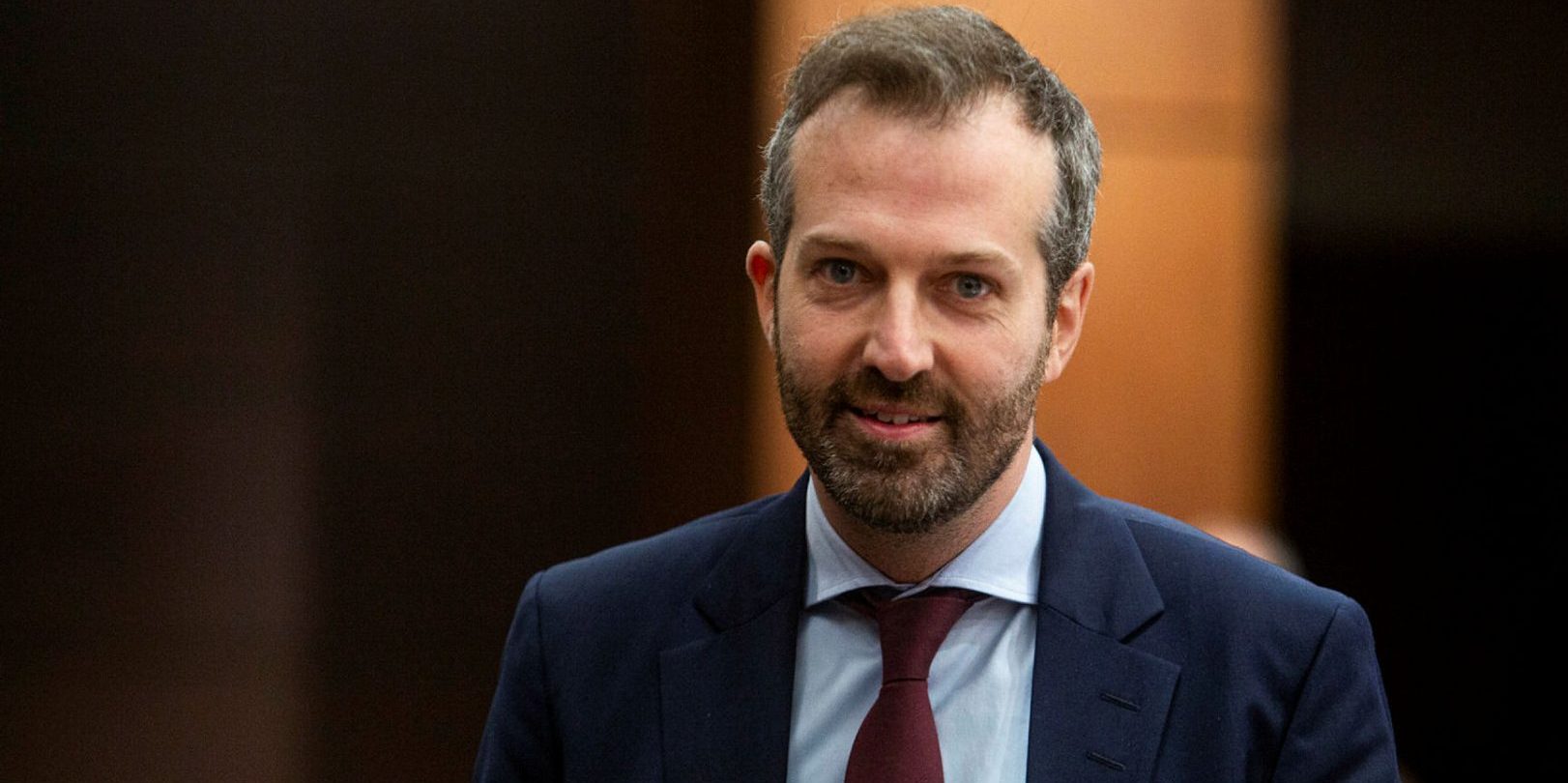
Quebec is the only province to have a recognized ‘lieutenant’ or regional minister. We think this is a mistake. It was a mistake under Justin Trudeau and it’s a mistake under Mark Carney. If all politics is local, having a focused source of advice about local politics is a no-brainer.
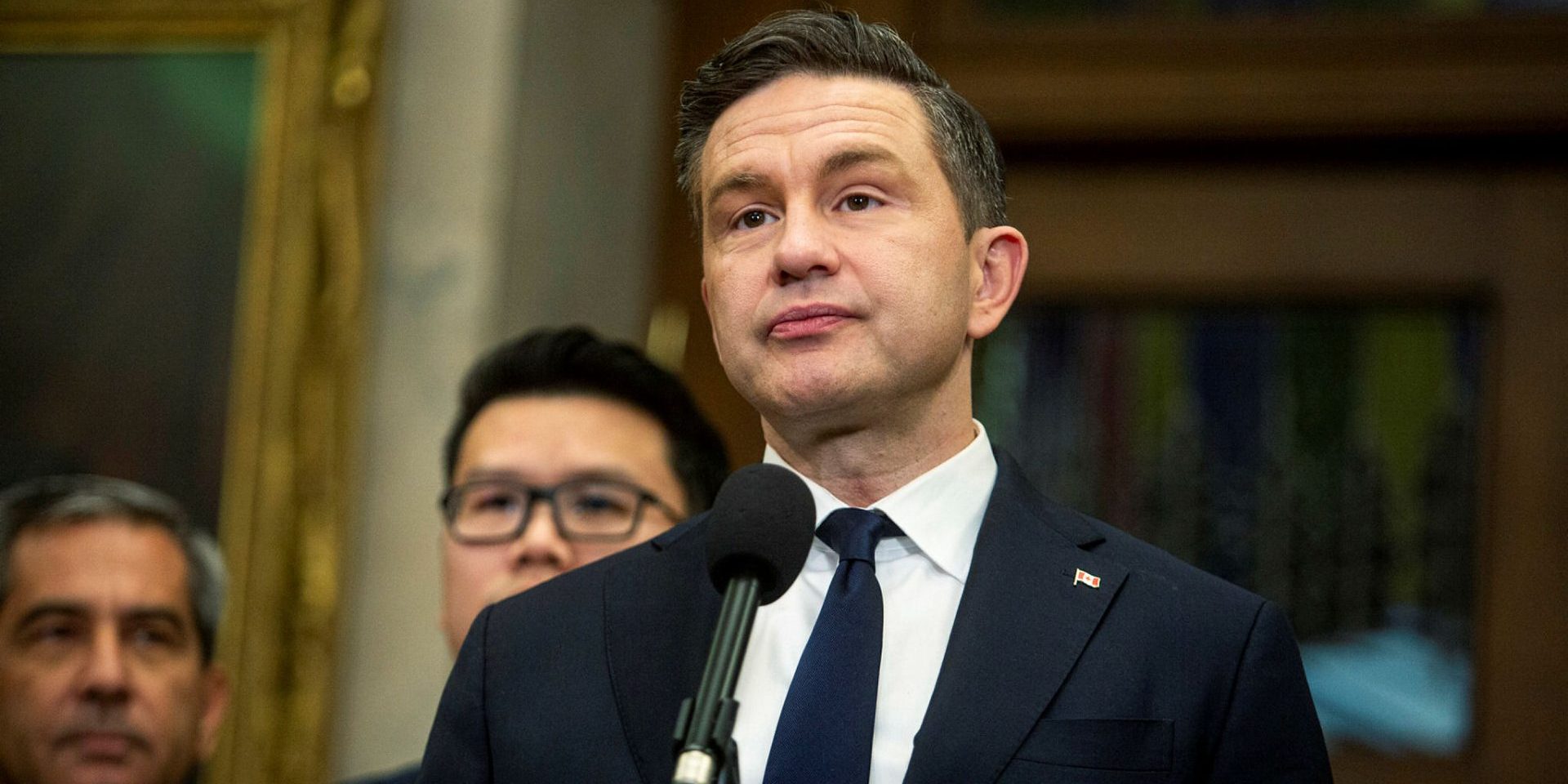
Pierre Poilievre’s Conservative Party prefers ideological purity tests and true believers over votes.
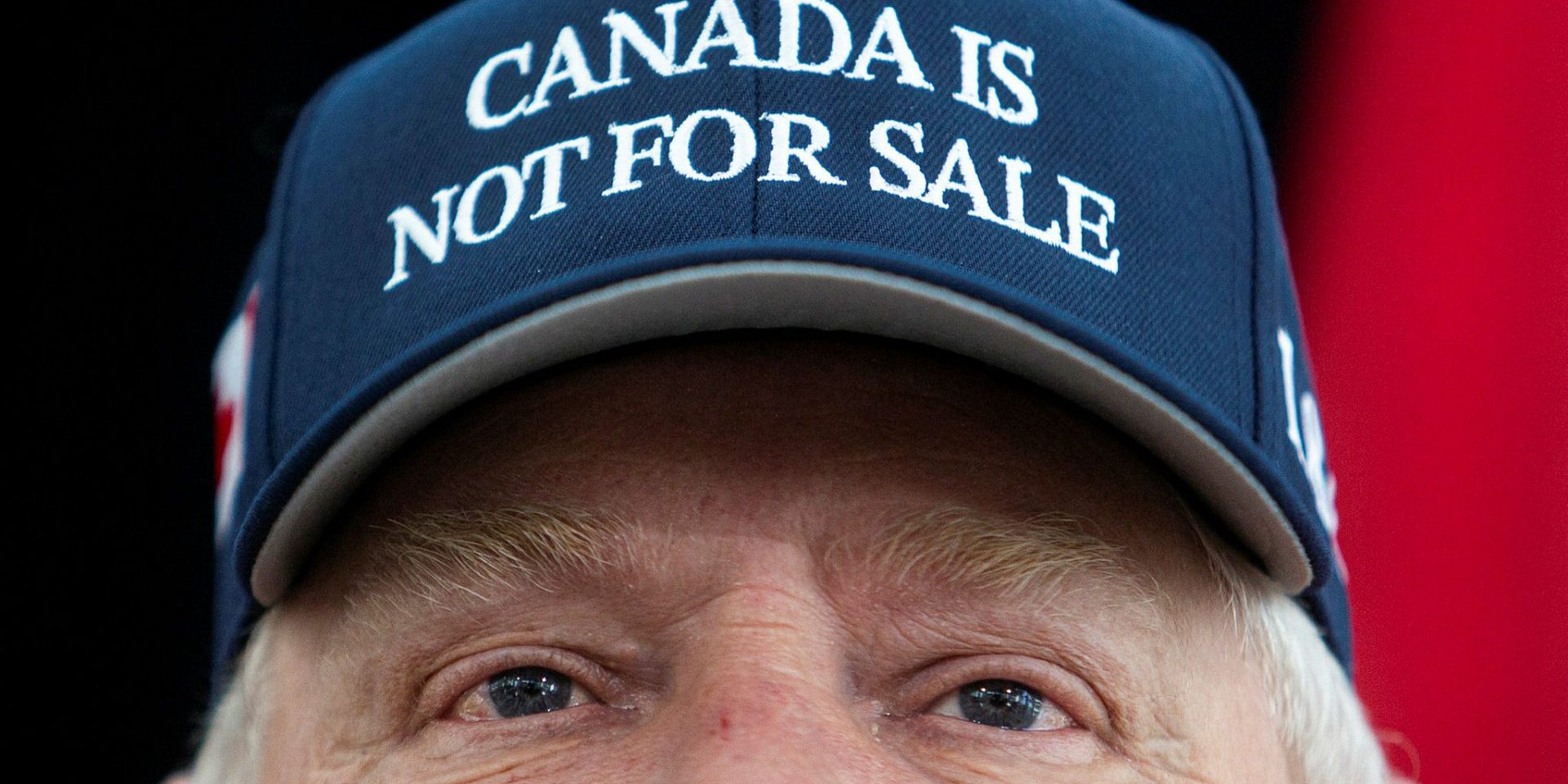
Three questions flow from the mess: Was it helpful? Was it co-ordinated? How is it possible that Ford beat the Democrats to it?