The rookie MP has launched the Cellular Connectivity Project, a crowd-sourced initiative designed to identify cellular dead zones and build a more reliable coverage map.
The cancellation of the tax was originally a concession to the U.S., with Ottawa promising to protect Canadian content through government funding. But those dollars would be taxpayer money, and their future uncertain depending on budgetary needs.
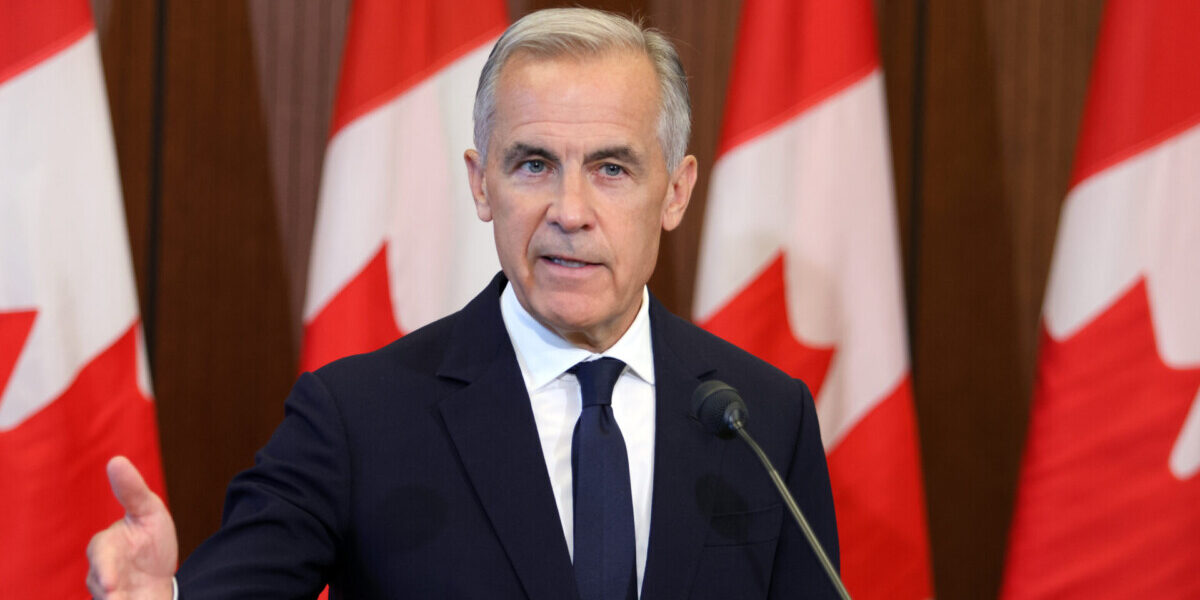
Ottawa’s decision to pull out of bilateral trade negotiations with the U.S. has demonstrated that Prime Minister Mark Carney has drawn a ‘red line’ around the cultural industry, according to one industry player.

The ultimate lesson is that age verification is an insufficient policy response on its own. Canada needs to rethink how we approach addressing online harms—not simply with launching a flat social media ban, but by building the infrastructure needed to design and regulate safe spaces for youth online.

To help transform Canada Post as a key vehicle to promote a Canadian digital economy, Ottawa could enlist a small group of savvy Canadian digital entrepreneurs to identify opportunities and help propose a restructured corporate organization.

As the federal government charts Canada’s economic future, it should stop treating investment in arts and culture as optional spending. Film, music, literature and the performing arts are economic drivers. They create jobs, strengthen communities, encourage innovation and project Canadian identity to the world.

The government spent $172.8-million on traditional and wireless phone lines in 2024-25, and the BCE Inc. subsidiary’s share of the pot was almost $122-million.

Liberal MP Robert Oliphant says it’s better if CBC and Hockey Night in Canada remain ‘married,’ but ‘if it’s divorced, I keep my friendship with both parties.’

With substantial progress on rural and remote broadband access, the policy question now changes. The hardest places to connect are often the most dependent on digital connections: some lack all-season roads, regular air service and nearby hospitals, schools or emergency responders.

It is time to engage partnerships between service providers, government social service agencies, and training facilities to drive adoption, ensuring no Canadian household is left offline.

With 97.4 per cent of Canadian households connected to high-speed broadband, Ottawa has set its sights on fully eliminating the digital divide between urban and rural areas, but some experts are concerned with how the Liberals plan to get there.

As Amazon and Telesat prepare to launch low-earth orbit constellations in the coming years, industry leaders worry over-reliance on satellites won’t solve all connectivity issues for rural and remote communities.

As Canada pushes toward its goal of connecting every household to high-speed internet by 2030, exorbitant infrastructure costs and geographical challenges risk leaving Indigenous communities behind.

In terms of lobbying, the issue now extends beyond departments dealing with rural and remote communities, but also those concerned with national defence and security.

Critics warn Bill C-22 risks weakening cybersecurity as telecommunications firms and other service providers could be legally obligated to store Canadian users’ metadata for up to a year. But the public safety minister says some tech firms are ‘misinterpreting’ the bill, and that ‘safeguards’ are written in.

Conservative MP Raquel Dancho says ‘any employment gains’ from the 2023 Rogers-Shaw deal ‘have been wiped out three-fold,’ with recent news the Canadian telecom giant is offering voluntary buyouts to about 10,000 staff.

Online platforms like social media and AI tools are undeniably driving kids’ future. Legislation ensuring safety, privacy, and meaningful participation is the seatbelt. For every day that Canada chooses to delay online safety legislation, it is making a choice, which our children shouldn’t be paying for.

The NDP leader is pushing for ‘a public network for food, phones, and internet.’ Political dynamics will make it hard to achieve, say politicos, and even those fighting for a more accessible industry wonder if the idea is realistic.

The government’s ambitious infrastructure plan aims to strengthen Canada’s long-term economic foundations, but that won’t happen unless digital infrastructure is treated as a core nation-building asset alongside transportation corridors, energy systems and ports.

Leading researchers believe 6G technology could be the key to unlocking high-speed cell service in every corner of the country.

After Prime Minister Mark Carney inked a new trading arrangement with China during his state visit last week, stakeholders are advising against revisiting the government’s 5G ban on Huawei.

In 2026, 98.8 per cent of Canadian homes are expected to have access to high-speed broadband, surpassing the Liberal government’s goal of 95 per cent set in 2019. But only 16.7 per cent of Nunavut homes are projected to meet that mark next year.

The national interest in telecommunications could be a viable, secure, and resilient infrastructure that delivers services with leading technological capabilities.

Researchers are hard at work on a constellation of technologies that could help to provide reliable internet access in rural and remote areas.
Without telecom, nation-building projects risk being outdated before they even begin.