

The committee, where Liberal MPs hold a majority, is recommending that the government keep the policy it plans to walk back, and protect the payment structure in any future trade discussions with the United States.

Following news of the breach, experts are amplifying pre-existing concerns over Bill C-34, the Safe Social Media Act, saying the incident could be a presage of what’s to come under the proposed legislation’s social media ban for children under 16 years.

A country that cannot sustain the institutions that report on its communities, governments, and elections is surrendering something more consequential than market share.

The rookie MP has launched the Cellular Connectivity Project, a crowd-sourced initiative designed to identify cellular dead zones and build a more reliable coverage map.
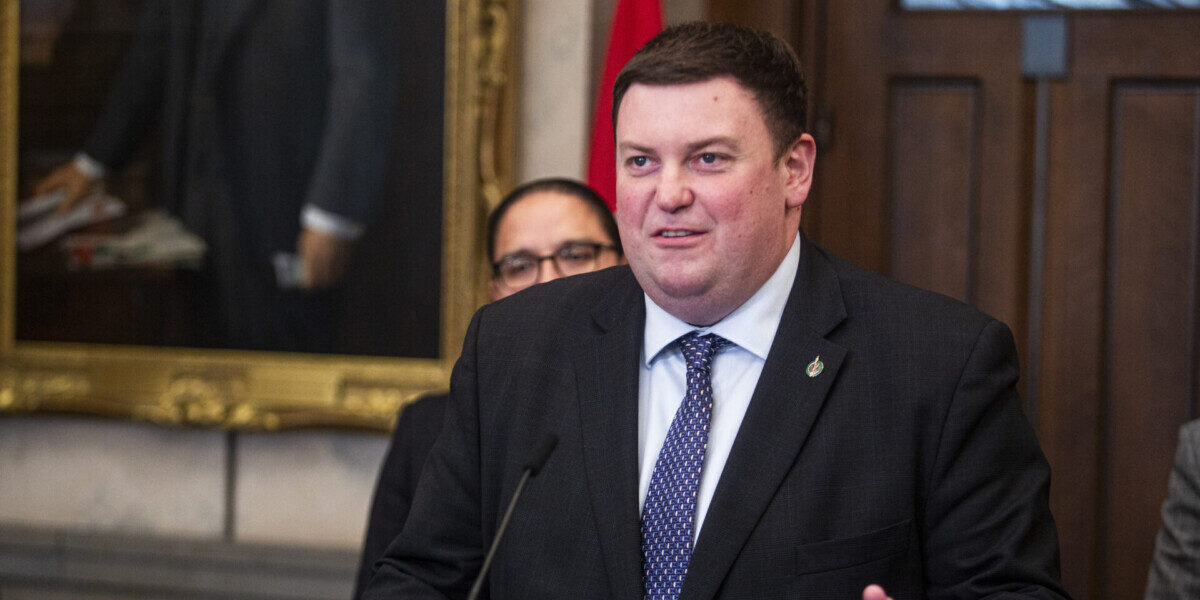
The advocacy blitz came after the CRTC announced in May that large streaming firms would be required to earmark 15 per cent of Canadian revenues to help fund domestic cultural programming. The government has since retreated on that policy.

After court filing unearthed last week confirmed the government’s plans to ‘eliminate’ a five-per-cent funding requirement for Canadian content tied to the Online Streaming Act, some streamers are trying to recoup funding transferred to a centralized trust.
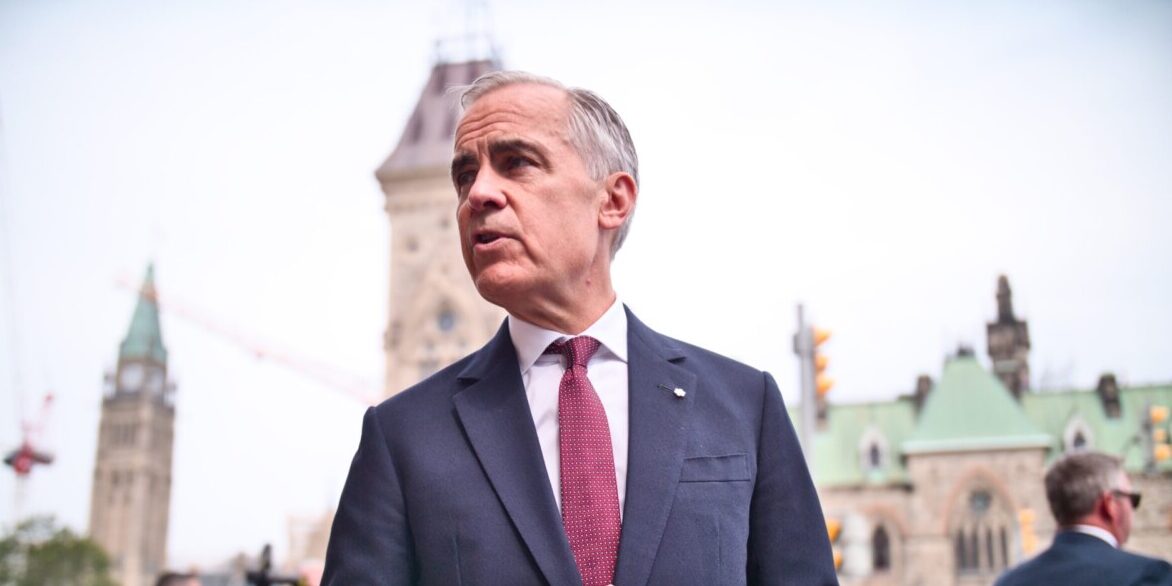
The Carney Liberals intend to eliminate a requirement for U.S. streaming giants to financially contribute to Canadian content, and to provide government funding to replace those contributions, according to a filing before the Federal Court of Appeal.

The government spent $172.8-million on traditional and wireless phone lines in 2024-25, and the BCE Inc. subsidiary’s share of the pot was almost $122-million.

What’s missing from recommendations in a recent Senate committee report is any investment in independent local news outlets. These are the broadcasters and publications deeply rooted in their regions.

Liberal MP Robert Oliphant says it’s better if CBC and Hockey Night in Canada remain ‘married,’ but ‘if it’s divorced, I keep my friendship with both parties.’

With 97.4 per cent of Canadian households connected to high-speed broadband, Ottawa has set its sights on fully eliminating the digital divide between urban and rural areas, but some experts are concerned with how the Liberals plan to get there.

Before reopening the CRTC’s decision about streaming, the government should consider carefully what message it sends about regulatory certainty, cultural policy, and the future of Canadian media.

‘This is catastrophic for Canadian and Québécois media and creators,’ said Bloc Leader Yves-François Blanchet, calling the Liberals’ new policy direction on the CRTC implementing the Online Streaming Act as putting ‘down our arms before even starting a negotiation.’

The Liberals launched the fund in 2020 with $3.225-billion for projects bringing fibre or fixed wireless internet access to rural and remote communities. ‘There will be … no money in the budget to fund an expansion of the program or another call for proposals,’ an industry veteran told The Wire Report.

In a May 21 decision, the broadcasting regulator upped the contribution rules for audiovisual streaming firms, so that 15 per cent of their annual revenues—up from the current five per cent—support domestic programming. It’s expected to bring about $2-billion into the Canadian media ecosystem each year.

Bill C-268 would require the CRTC to verify cellular coverage data reported by telecommunication and providers, and also force Ottawa to review Canada’s spectrum framework every five years.

Conservative MP Raquel Dancho says ‘any employment gains’ from the 2023 Rogers-Shaw deal ‘have been wiped out three-fold,’ with recent news the Canadian telecom giant is offering voluntary buyouts to about 10,000 staff.

Several companies are in court fighting a CRTC order that would require all firms with annual revenues over $25-million to allocate five per cent of Canadian revenues to cultural and broadcasting groups that create domestic news and entertainment.

Streaming platforms already give Canadians the tools to seek out the content they want, in the language they want, and the success stories speak for themselves.

The national interest in telecommunications could be a viable, secure, and resilient infrastructure that delivers services with leading technological capabilities.

The Canadian Media Producers Association is urging Prime Minister Mark Carney to ‘rethink’ any potential of using the Online Streaming Act as a ‘bargaining chip’ in his negotiations with U.S. President Donald Trump.

Rather than enhancing transparency, a mandatory label risks becoming a costly distraction from the issues that matter most to consumers.

Before the election, the Liberals outlined proposals to reform the broadcaster. CBC/Radio Canada has since been asked to take part in the government’s spending review.

Intervention is needed when competition falters, and monopolies become entrenched.

