

A total of 19 riding name-change requests were included in Bill C-25, which is currently at committee stage in the House. The Senate begins its pre-study of the bill on May 27.

As the Carney government increases defence spending and rolls out its ambitious Defence Industrial Strategy, it’s making decisions that will shape Canada’s defence capacity for decades. Yet, there is still no clear plan to ensure Indigenous firms are part of the sovereign supply chain being built.

A third-party review of the food affordability program for northern and remote communities was due on March 31. Over a month later, Ottawa is still waiting. Northern Affairs Minister Rebecca Chartrand says she has her own data to guide future action.

Mary Simon changed the world for Indigenous youth who for the first time saw ‘one of us’ take on such a role and succeed. No more airtime on languages. Instead, let’s highlight how this Governor General raised the profile of Indigenous success and contribution, and about mental health. And even though she will be leaving the job, reconciliation continues.

National messaging built around B.C.’s property rights debate risks oversimplifying a complex legal reality, while a failure to communicate has ‘ceded the stage to fear and misinformation,’ say pundits.

Canada must pass Bill S-2 as amended by the Senate without further delay. By removing the second-generation cut-off rule, also known as the ‘disappearing Indian formula,’ it ensures there isn’t a legislative extinction date for each First Nation.

Both sides of B.C.’s salmon aquaculture dispute are demanding answers from Ottawa about Prime Minister Mark Carney’s commitment to his predecessor’s 2029 open-net pen farming ban.

If a similar proportion of women in the city of Ottawa were missing or murdered over the past 20 years—let’s say 700—it would be a crisis. That’s close to the proportion compared to the overall Indigenous population. But Indigenous women?

Those who operate in northern supply chains see firsthand the structural realities that drive high food costs.

Three decades after RCAP and 10 years after the Daniels decision and the recommendations of the TRC, the frameworks for implementation already exist.

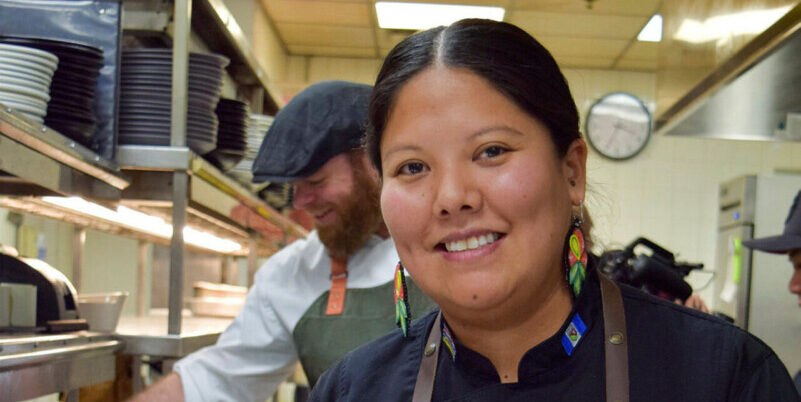
At 1Elgin, chefs say the program is creating space for education, representation, and storytelling through food.
Making necessary investments is a winning formula that will not only reduce critical health staffing shortages, but also advance broader Indigenous policy objectives.

First Nations communities from two of the three affected federal ridings told The Hill Times they were not consulted and do not support the proposed name changes.

Carney’s joke that he could ‘outlast’ a Grassy Narrows First Nation woman has sent a negative message to our youth that their concerns do not matter, and that mercury poisoning will not be taken seriously by government.
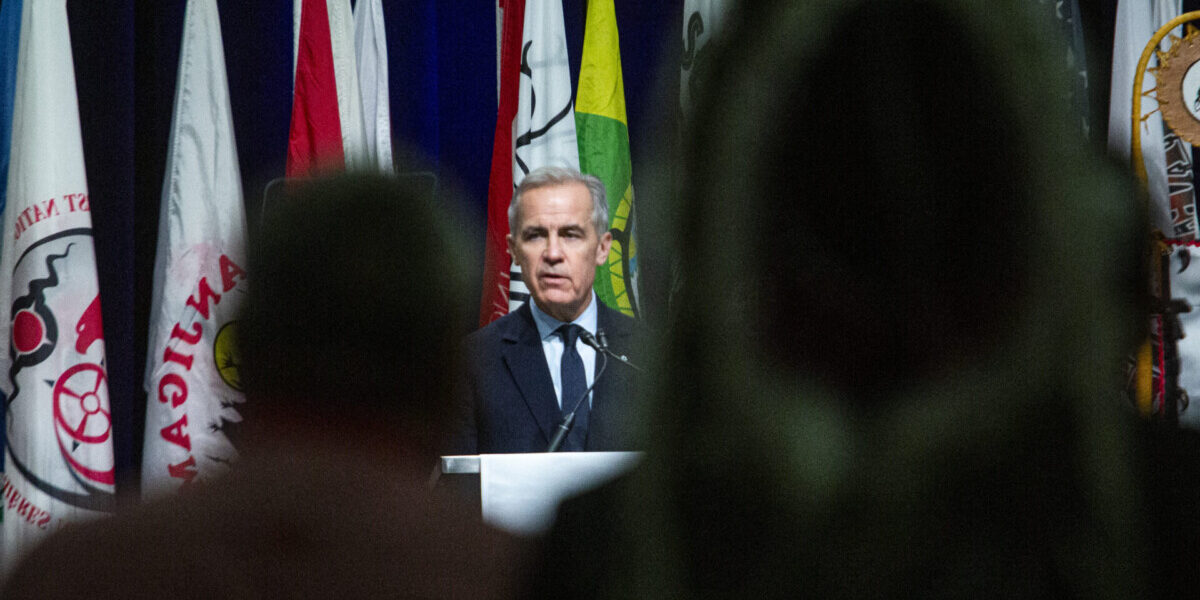
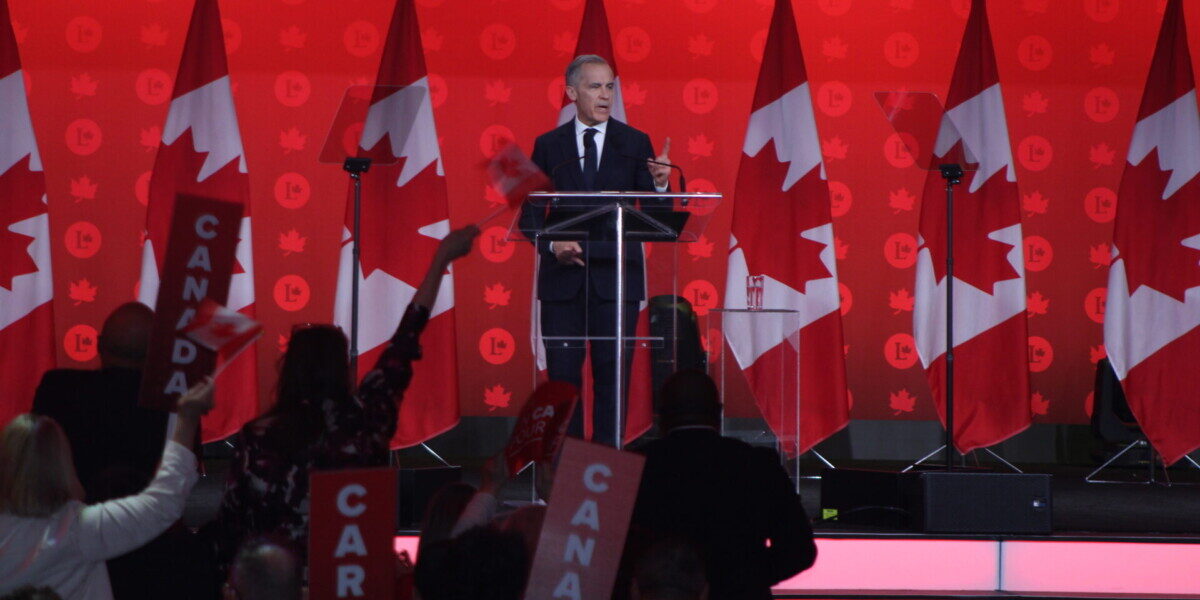
Liberal Party members deserved a party. Convention speeches are always a bit of hyperbole. But don’t allow your celebration and a majority government get in the way of reconciliation. If you are truly allies for Indigenous Peoples, one of your jobs is to ensure the party demands that accurate history is reflected.
Procurement Ombud Alexander Jeglic told MPs on April 16 that revisiting the issue in the usual two-year timeline would make his office ‘part of that failure’ already plaguing the Procurement Strategy for Indigenous Business.

The gaps made by colonial governments continue to be lived realities, and progress is fragile without sustained commitments and investment.

As Indigenous Services Minister Gull-Masty defends the recent funding renewals as ‘progress at the pace of government,’ former Liberal MP Robert-Falcon Ouellette says respect for Indigenous priorities requires red lines.

First Nations Elders and chiefs say the Earth is speaking to us, and it seems we have not heard the message. Climate change is already an existential threat to infrastructure, communities, and our sense of safety. Perhaps the federal government might reflect this in its budgets.
The national and Quebec groups representing obstetricians and gynaecologists say a bill naming coerced sterilization in the Criminal Code could lead to physicians hesitating to provide critical care during emergencies for fear of prosecution. But Senator Yvonne Boyer, the bill’s sponsor, and Justice Department officials say doctors have legal protections in these situations.

The decision was reportedly made after an Indigenous Senator touring Centre Block raised questions about the decorative paintwork on the walls and ceiling of room 256-S.

When engagement is co-ordinated early and grounded in practical realities, governments are better positioned to design programs and policies that deliver meaningful results.

Reduced spending described in the 2026-27 departmental plan is attributed to the scaling back of COVID-19-related measures and the potential expiry of programs including the national suicide crisis helpline and the Canadian Drugs and Substances Strategy.

Senate amendments on Bill S-2 should not be accepted as a solution for all communities. Don’t impose a one-parent rule when First Nations should have the power to enact their own laws on status and band membership.

