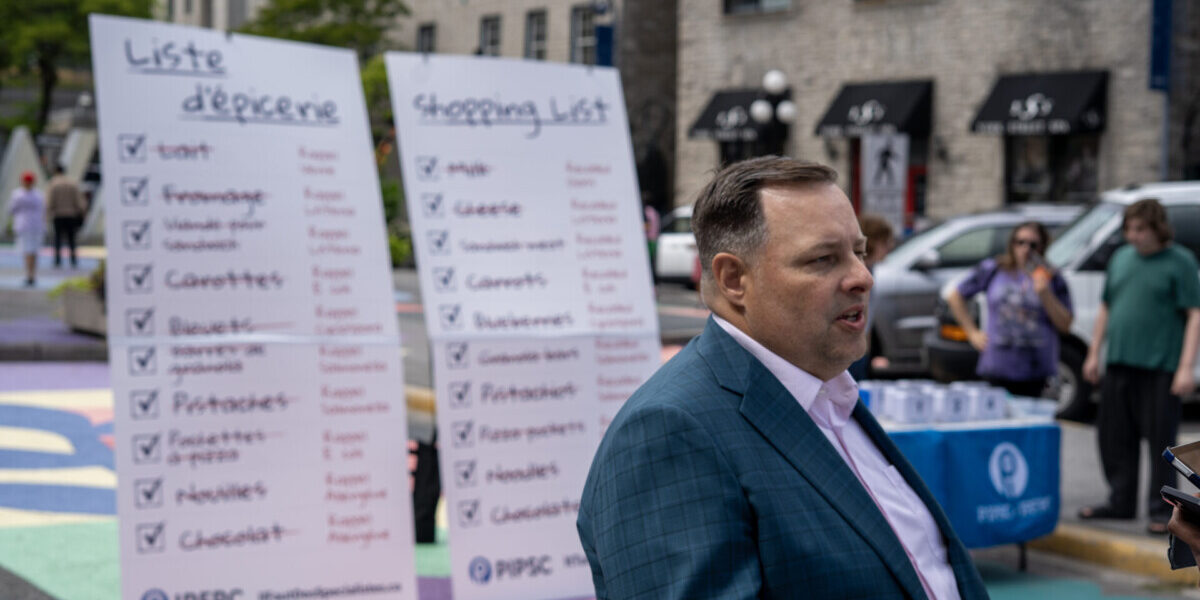
NDP health critic Gord Johns says the lack of news about the fund’s future—which helps communities with their response to the toxic drug crisis—past next spring is an ‘insult’ to groups that are building programs.
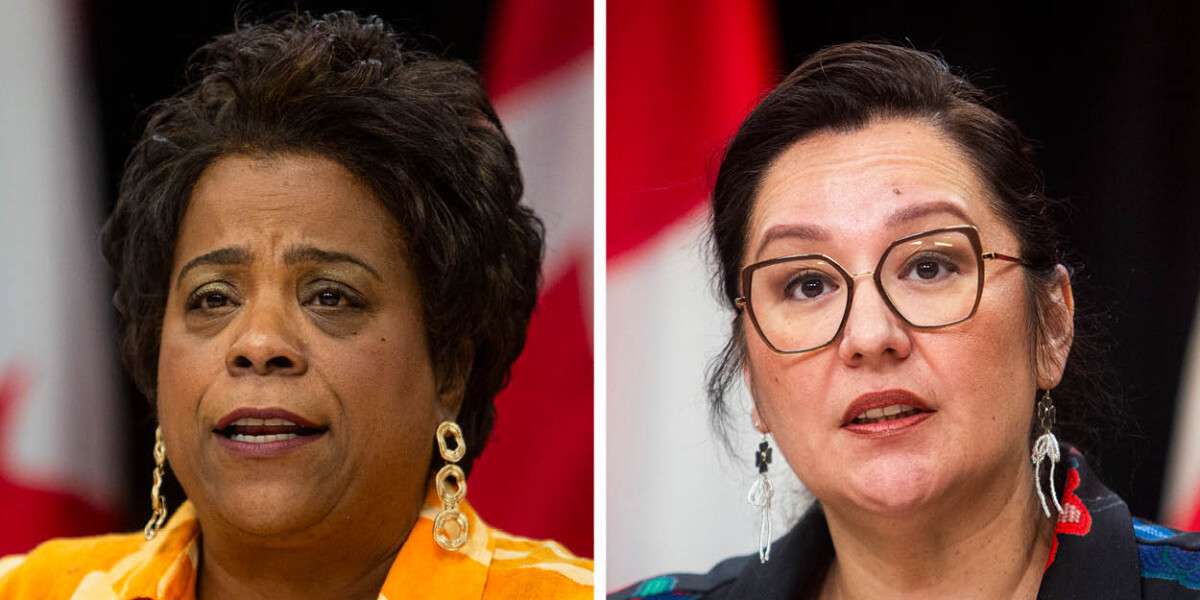
With the health file not a priority for this government, the question becomes how will Health Minister Marjorie Michel and Canadians ensure that health system needs ‘are still cutting through the noise’ of U.S. trade problems, says consultant Danielle Flieler.

Healthcare workers have the same right to a safe workplace as anyone else. Parliament can support them by passing Bill S-233.

This data should be treated as a strategic public resource, securely governed in Canada, and used first and foremost for the benefit of Canadians.

Recruiting talent is only the first step, and the pathway is broken at the grant level as funding fails to keep up with recruitment.

Maximizing the opportunity will depend on ensuring employers can access the skilled workforce needed to commercialize, scale, and strengthen Canadian capacity.

Companies and investors need confidence that discoveries made in Canada can continue to be developed and commercialized here.
We should create and fund early-stage startups while allowing acquisitions—foreign or otherwise—to recycle capital, experienced executives, and technical expertise back into the ecosystem.
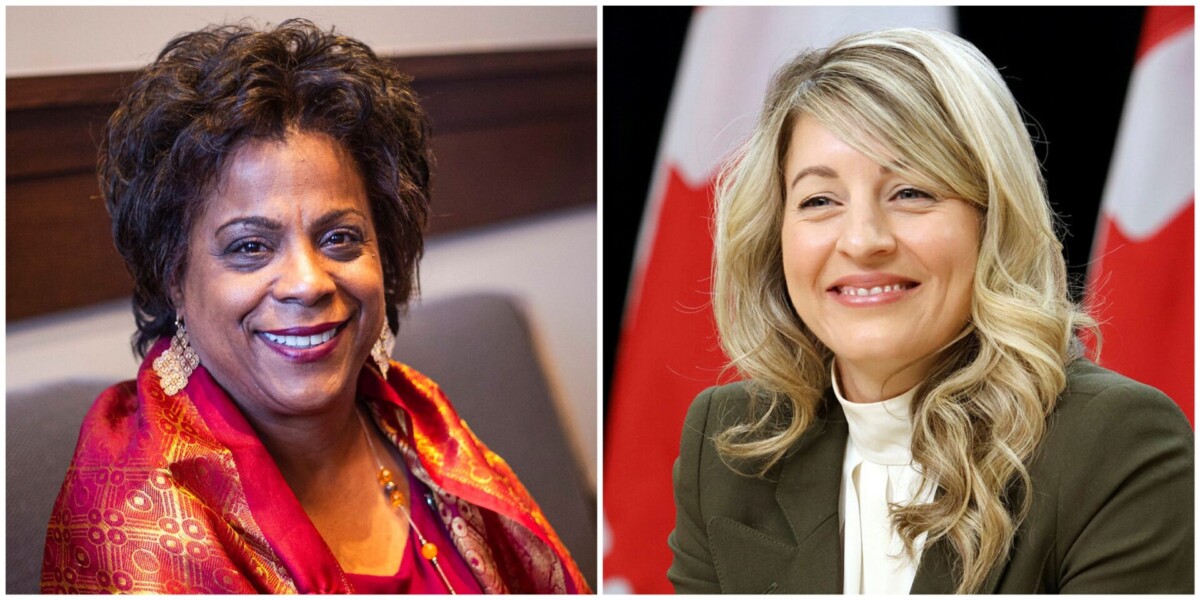
A promised $1-billion in the 2025 budget for the Venture and Growth Capital Catalyst Initiative—a program that includes a life sciences stream—has yet to begin flowing, according to Wendy Zatylny, president of BIOTECanada.
Our health-care system should not be a patchwork where some Canadians can access the medicine they need while others are left behind.

Government has an urgent opportunity to act so Canadian innovations can reach Canadian patients.

The challenge now is to turn our strengths into globally competitive companies that retain more intellectual property, jobs, and economic value in Canada.

The country excels at generating research and patents, but too often falls short in commercialization, scale-up, and retaining ownership of intellectual property.

Celiac disease patients are required to keep and submit hundreds of food receipts for their gluten-free items in order to receive financial relief from the federal medical expense tax credit, according to Celiac Canada’s Melissa Secord.

A health-care system should not make people sicker while they wait to receive care. Nor should it train people to avoid seeking care because they dread the ordeal of accessing it. Universal health care shouldn’t mean universal waiting. It should mean universal access to care that is timely, connected, efficient and humane.

Part of that change means challenging the idea that resilience is measured by how much someone can carry on their own.

The Albertan government argues that private care will relieve pressure on the public system. Yet, where a parallel private care system operates, both health outcomes and access to care are worse overall.
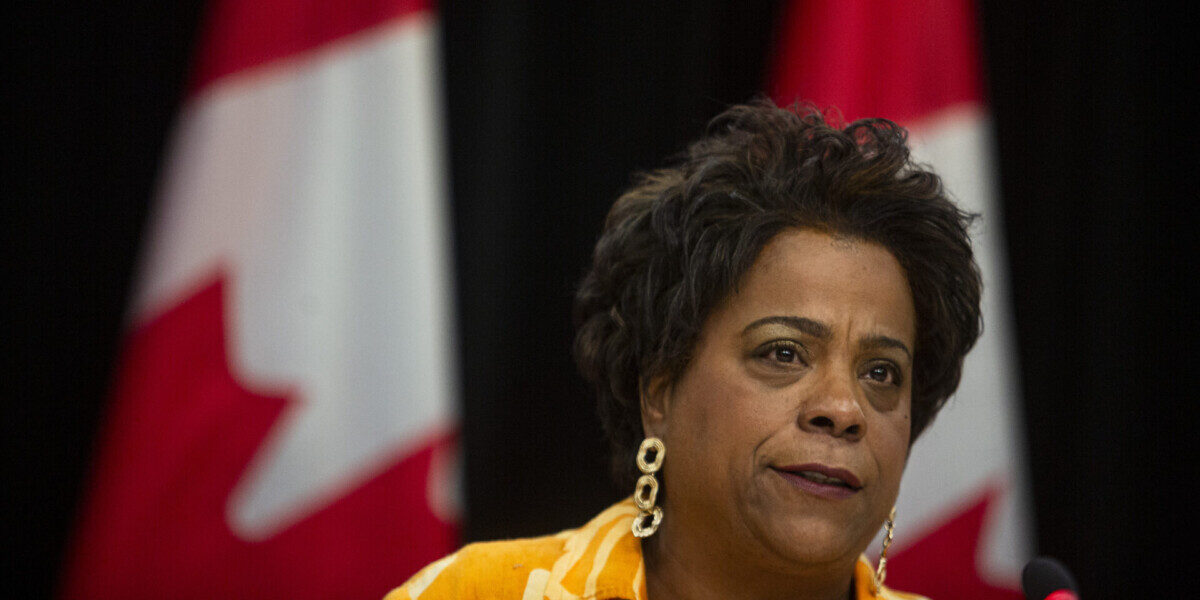
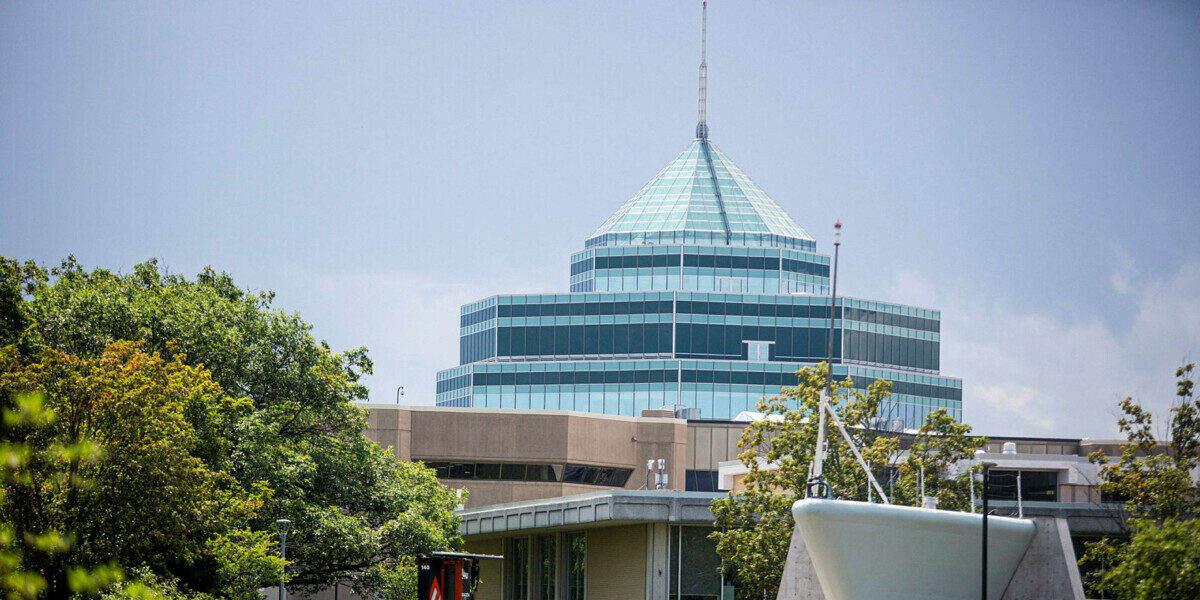
The union representing National Defence staff says mould remediation has either taken place or is underway in three buildings, and calls for a campus-wide assessment of humidity, moisture, and indoor-air-quality problems dating back to at least 2018.
Tariffs do not automatically mean higher prices for every food item. But they can increase costs and uncertainty across the food supply chain, from ingredients and packaging to transportation and distribution.

Canadians deserve both innovation and a sustainable health system. Evidence is not a barrier to providing new treatments; it is how we ensure that innovation delivers real value for patients today and for future generations.
Twenty-six of the 29 people interviewed for the report—including program officials, and employer and employee representatives—identified problems affecting inspections, including staffing and funding constraints, training gaps, turnover, and geographic barriers.

It’s beyond paternalistic to tell adults with decades of psychiatric histories that their understanding of their own lives is inherently suspect.

Local agencies identified a pressing need and well-trained Syrian pharmacists were ready to respond. This not only helps a group of people move forward with their lives; it means pharmacies stay open providing essential medicine to residents. It’s a local solution to a global problem.
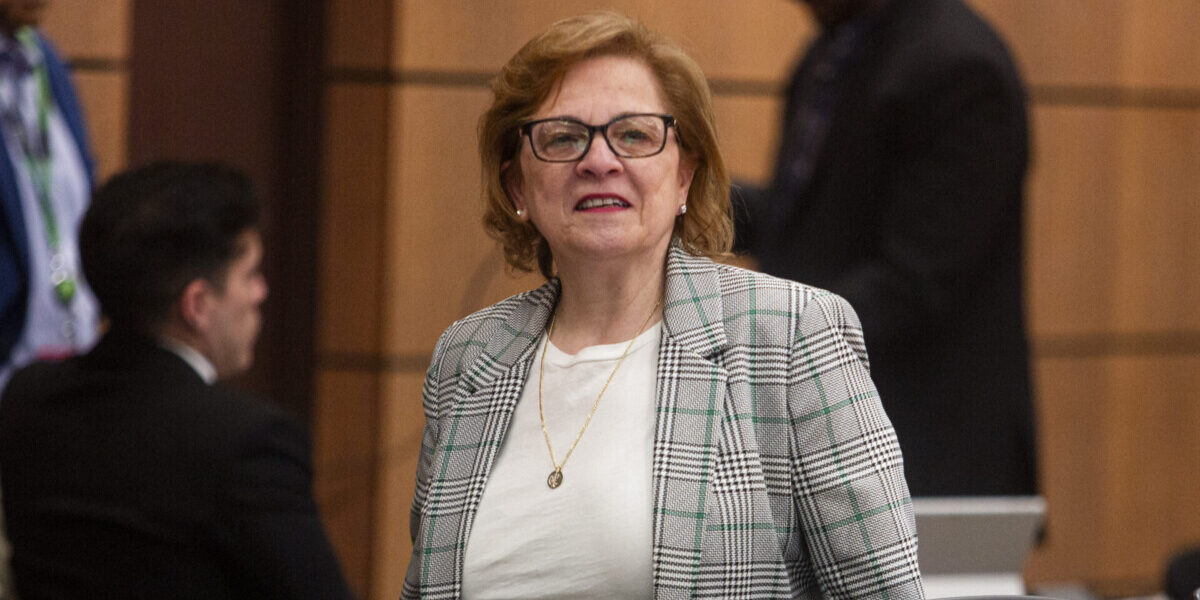
None of the 250 new inspection and oversight roles promised under a $30-million ‘reinvestment’ have been filled, says Agriculture Union president Milton Dyck.