

It is vital that Canada and Mexico work together in the face of military aggression and egregious violations of international law by our mutual neighbour, the U.S.

Prime Minister Mark Carney has suggested that the new world order will be built out of Europe, but analysts have their doubts.

Both countries possess the capacity to work in concert to protect ethical trade practices and fair competition across the continent. If this dispute is genuinely about forced labour, then there is much constructive work to be done together. But is it?

Conservative Whip Chris Warkentin says it ‘seems’ that the budget of the Canada-U.S. Inter-Parliamentary Group will be slashed by 40 per cent.

The greatest threat to auto workers is the active U.S. trade war shuttering plants, not hypothetical Chinese competition.

Mark Carney is currently in a ‘sweet spot’ because it’s still relatively early in his government. The time when Canadians could start getting hungry to see results from the prime minister on major projects, such as oil pipelines, might not be until next year, says Nik Nanos.

Ecuador holds significant untapped potential in the high-demand critical minerals and rare earth elements as the global economy moves toward clean energy and advanced technologies.
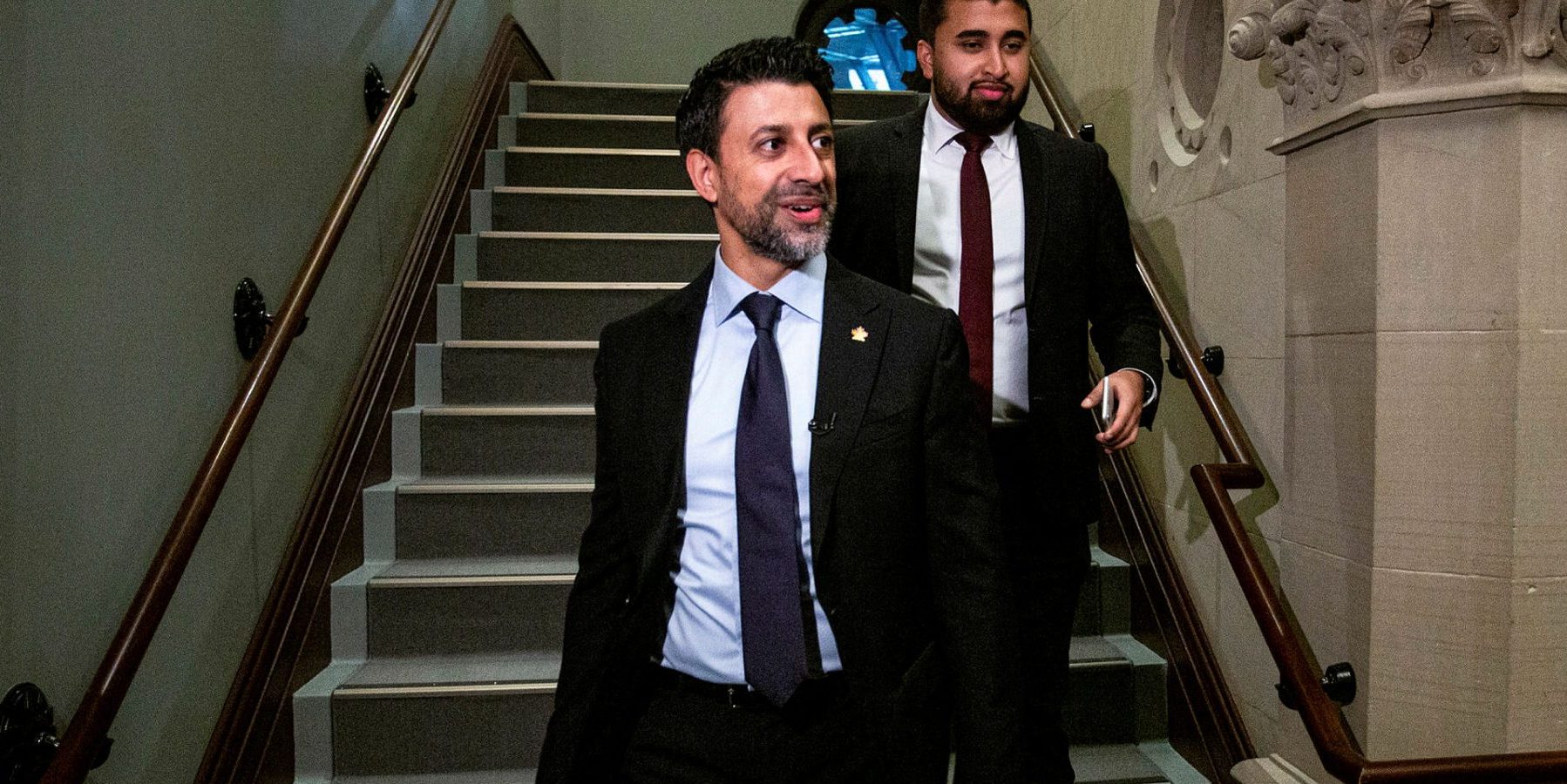
In a wide-ranging interview, Lithuanian Economy and Innovation Minister Edvinas Grikšas talks growing trade, work with the EU, the push for diversification, and boosting domestic defence industries.

The increase in Canada’s exports to the United Kingdom has amounted to 67 per cent of all non-U.S. export gains since 2024.

Most caucus members are not pressing the issue, recognizing that Canada has limited leverage and little ability to meaningfully influence the U.S. position, say some Liberal MPs.

In a broad ranging interview, a delegation of visiting Latvian MPs talk friendship with Canada, a continued deployment on NATO’s eastern flank, and the future of the military alliance.

Reducing internal trade barriers is more important than ever. Encouragingly, Canada is taking positive steps.

Internal trade reform requires not only dismantling entrenched regulatory silos, but engaging thousands of public servants across 14 governments and innumerable departments and ministries to rethink decades of divergent regulatory practice where there can be good reasons for the status quo.
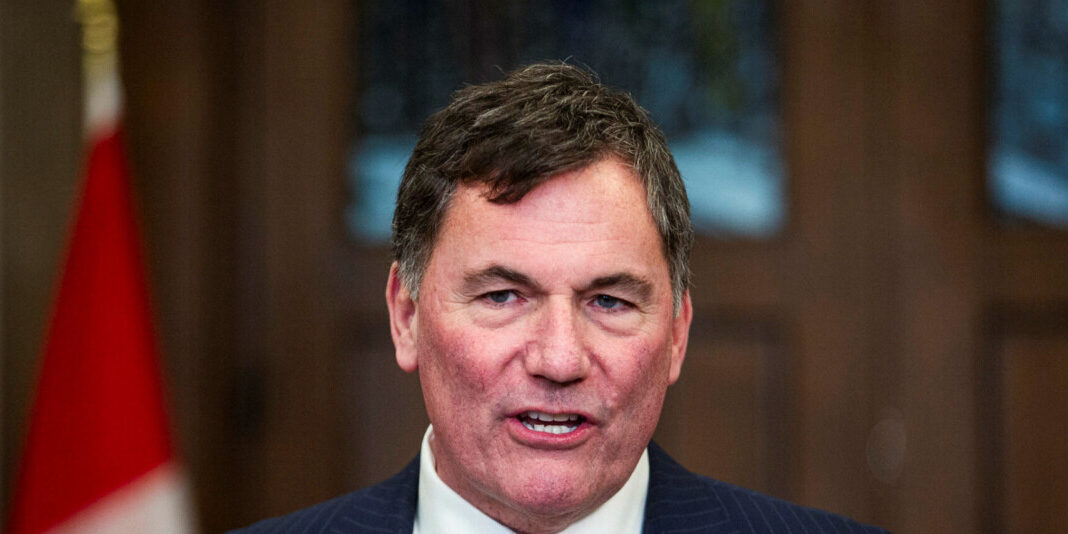
Although provincial and federal political actors broadly agree on the value of a more integrated Canadian market, the biggest obstacle standing between political will and a fully optimized market is our federal system itself.
In this moment, when geopolitical uncertainty is high and the stability of our most important trading relationship is no longer a given, it is critical for our provincial, territorial and federal governments to continue the hard and valuable work and get the job done.
Prime Minister Mark Carney is a ‘better political practitioner’ than he’s given credit for, and the committee’s makeup could be another ‘proof point’ of that, says Conservative strategist Cole Hogan.
On April 21 the prime minister named a new 24-member Canada-U.S. advisory committee, which include former Conservative leader Erin O’Toole, ex-Conservative minister Lisa Raitt, and former Quebec premier Jean Charest.

Prime Minister Mark Carney says he plans to directly address Canadians’ concerns using the new format, but one Tory MP says his address was ‘conditioning’ citizens for tougher times ahead.
This is the first time since Donald Trump returned to power that the U.S. has said CUSMA is worth saving and can form the basis of a revised three-country trade deal.
Bills C-13 and C-18 each had only three meetings of review at the House Committee for International Trade, and no recorded votes at third reading.

The Wire Report spoke to several people who took part in the two-hour February meeting, with one industry player saying they left ‘feeling confident’ about the future of Canada’s cultural exception.

In its current form, the bilateral pact negotiated by the Trudeau government would accelerate Canadian mining expansion in Ecuador while privileging investor protections over the rights of affected communities.

As non-tariff barriers continue to rise, the case for practical, business-friendly traceability upgrades becomes even stronger.

Will lessons learned the hard way change the way we recalibrate our approach? Experimental sector revivals with big foreign players have not worked out, and likely never will.
Unifor has a ‘front line view’ of the consequences of the trade war with the U.S., which is thousands of jobs lost or ‘on hold’, according to Lana Payne, Unifor national president.
