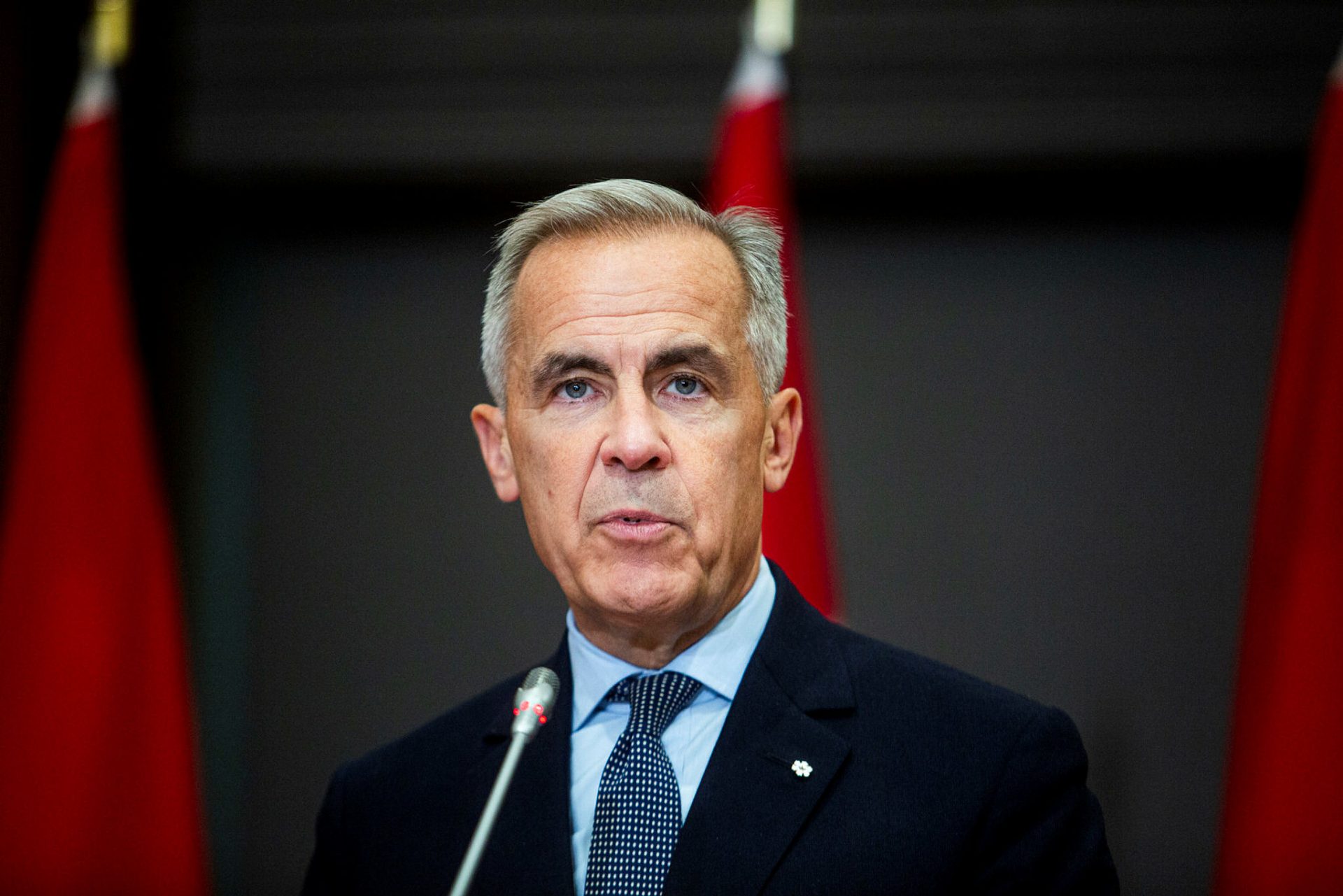
Our cut-and-run approach to foreign aid goes beyond slashing funding to the lowest level since 1969, and includes closing missions in key regions, and withdrawing peacekeeping operations, argues former diplomat Nick Coghlan.
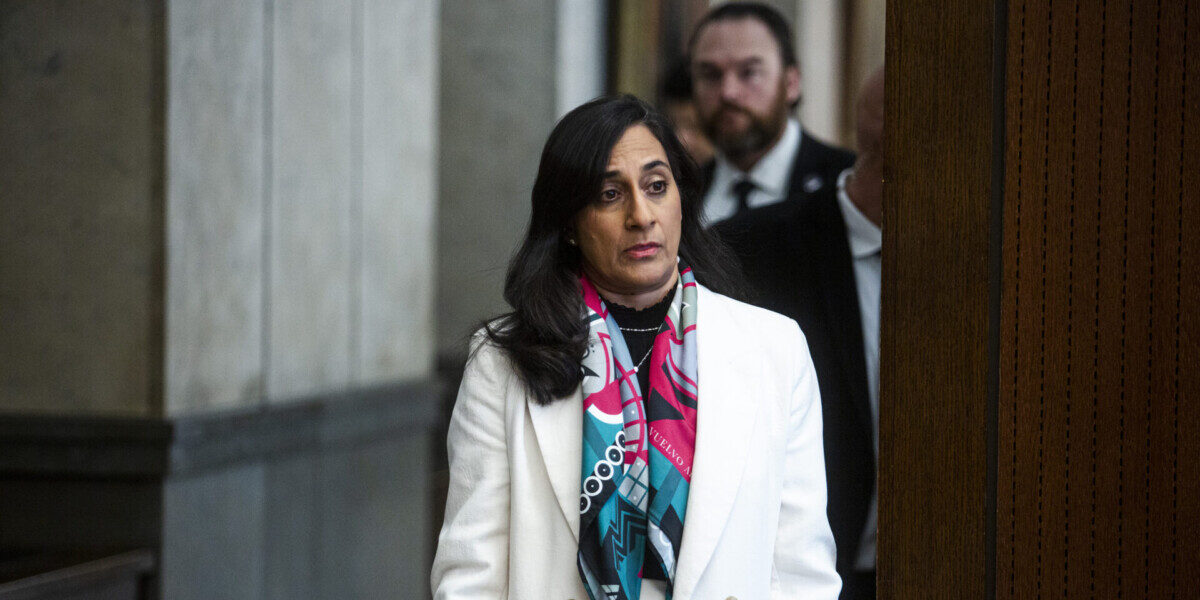
For many reasons, DND’s plan to remove Canadian peacekeepers is short-sighted and counterproductive. In the current political climate, now is the time to expand UN peacekeeping globally and Canada should champion that resurgence.

As global health threats become more complex and interconnected, Canada can strengthen health security at home and abroad by investing in locally led research and scientific partnerships.
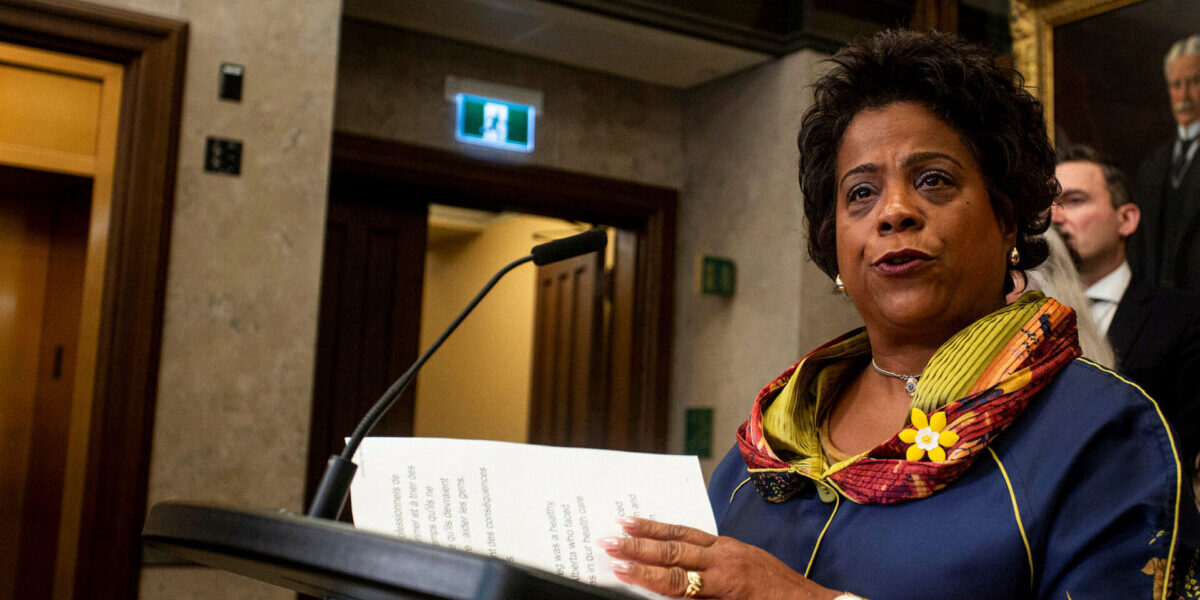
The U.S. president is forcing change in this country, and the real question is whether Canadians can respond with what’s needed to limit the destructive impact.

But the funding follows a recent trend of governments across the world, including Canada, cutting global health funding. ‘Your response to a crisis like this is only going to be as effective as your long-term investments have been,’ says World Vision Canada’s Martin Fischer.

The scale and complexity of today’s hunger crisis demand sustained leadership, and a commitment to invest in resilient food systems that address the root causes of hunger.

A bid for the UN Human Rights Council was first announced in 2023. Canada last had a spot on the body in the 2006-09 term.

A new treaty will not get every child into school overnight, but treaties can be powerful catalysts for change. Free education helps break cycles of poverty, reduce inequality, and empower girls.

The latest departmental plans for Global Affairs Canada report a projected budget of $7.22-billion in 2026-27, down from its forecasted budget of $9.05-billion for 2025-26.

Women peacebuilders support communities affected by conflict and ecological disasters, are on the frontlines of protecting human rights, and are vital to the development of sustainable local economies.

The path forward for democracy promotion is being reimagined in face of U.S. cuts to agencies that drove initiatives for decades.

America’s retreat on global humanitarian assistance has undermined every aspect of delivery, including logistics and infrastructure, and means the support will focus almost entirely on emergency response.

The absence of peace continues to drive people from their homes on a massive scale across the world. In Sudan, more than 12 million people have fled violence, the largest displacement crisis in the world today.

Both the MP, a practising physician, and infectious disease specialist Dr. Isaac Bogoch warn that progress made in reducing the prevalence of various diseases, including HIV, could stall.

The Africa strategy was released last March without any new funding or timelines attached. In the months since its release, the Senate Foreign Affairs Committee still has questions about how that’s viable.

The question is no longer whether deeper engagement with Africa makes sense. Parliament has answered that. The question now is whether Canada is prepared to act with the consistency, seriousness, and confidence that true partnership requires.

A credible Canadian approach would protect budgets for nutrition and food security, maintain support for regions facing hunger, and place human rights at the centre of decision-making.

Instead of acknowledging the moral imperative of reducing global inequality, the government has chosen to further cut an already paltry foreign aid budget by $2.7-billion over the next four years.
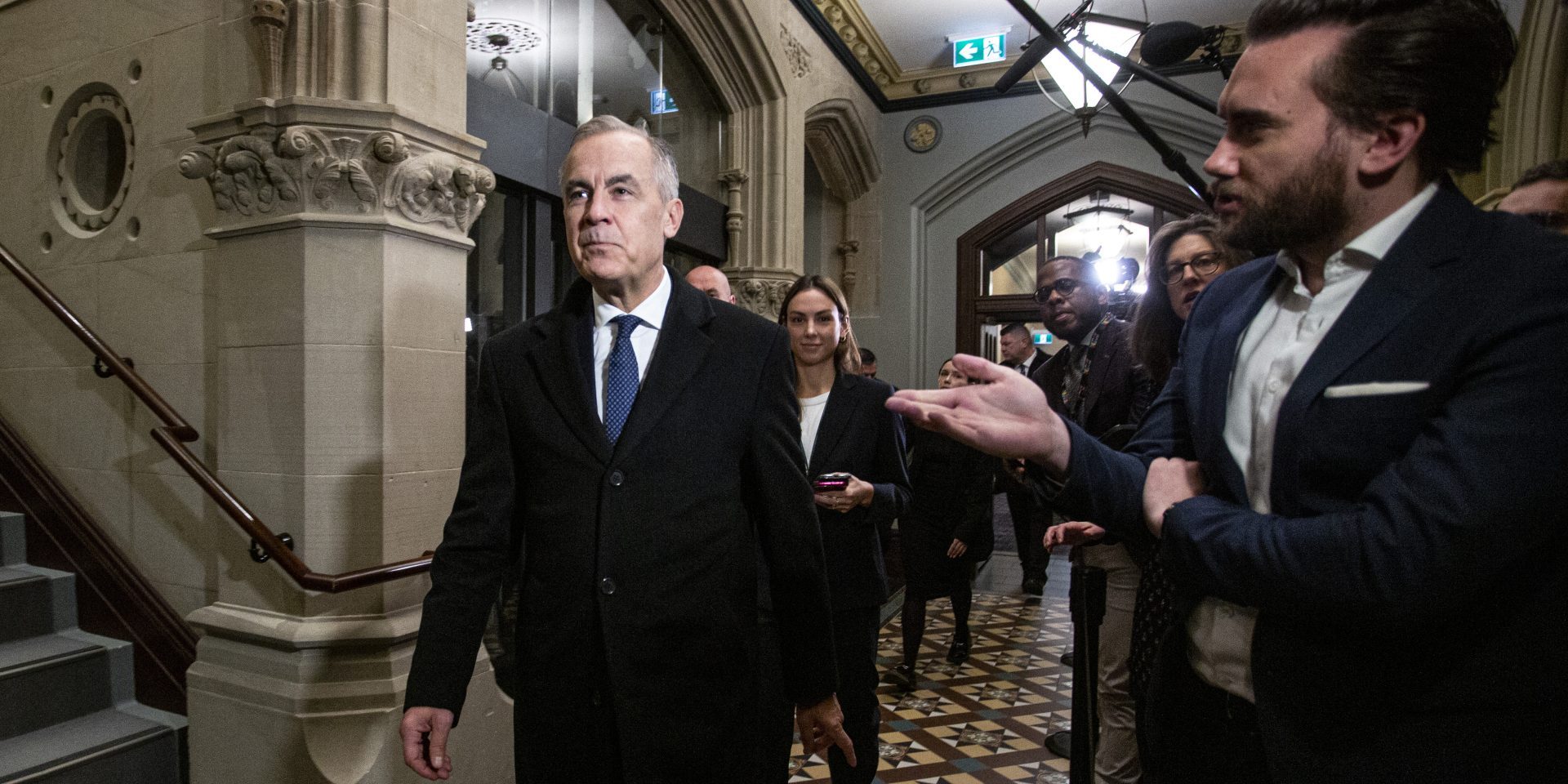
Canada’s G7 presidency was more about convening than setting a thematic agenda, says foreign policy observer Adam Chapnick.
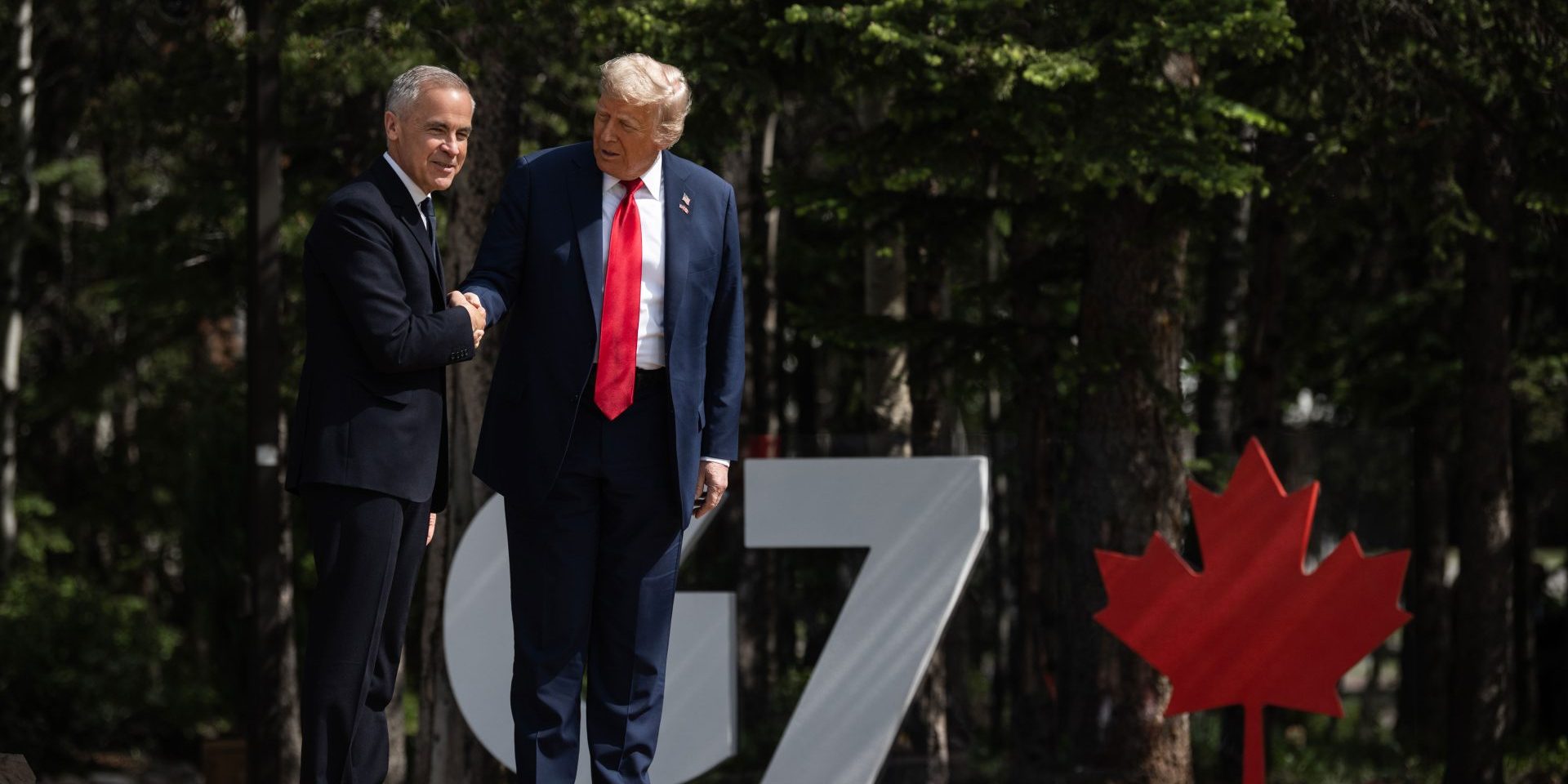
The $2.7-billion cut places Canada’s reputation in jeopardy on the world stage, and will leave the most vulnerable to simply fend for themselves.
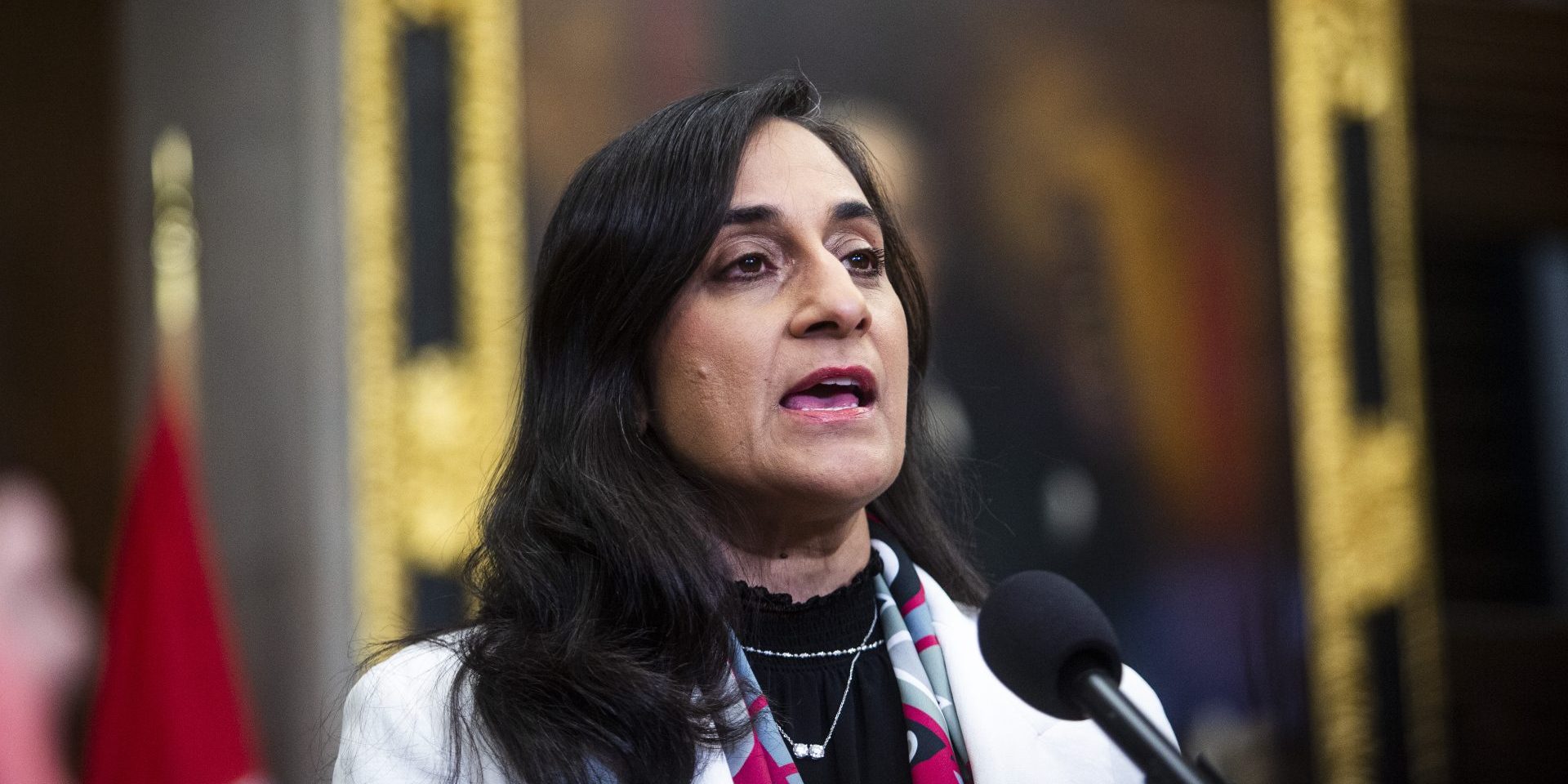
The federal budget tabled on Nov. 4 proposed cuts of $2.7-billion from Canada’s humanitarian aid envelope.

If we are serious about tackling the climate crisis and ending global hunger, we must invest in solutions that work. Canadian Foodgrains Bank’s CA+ model is one of them.
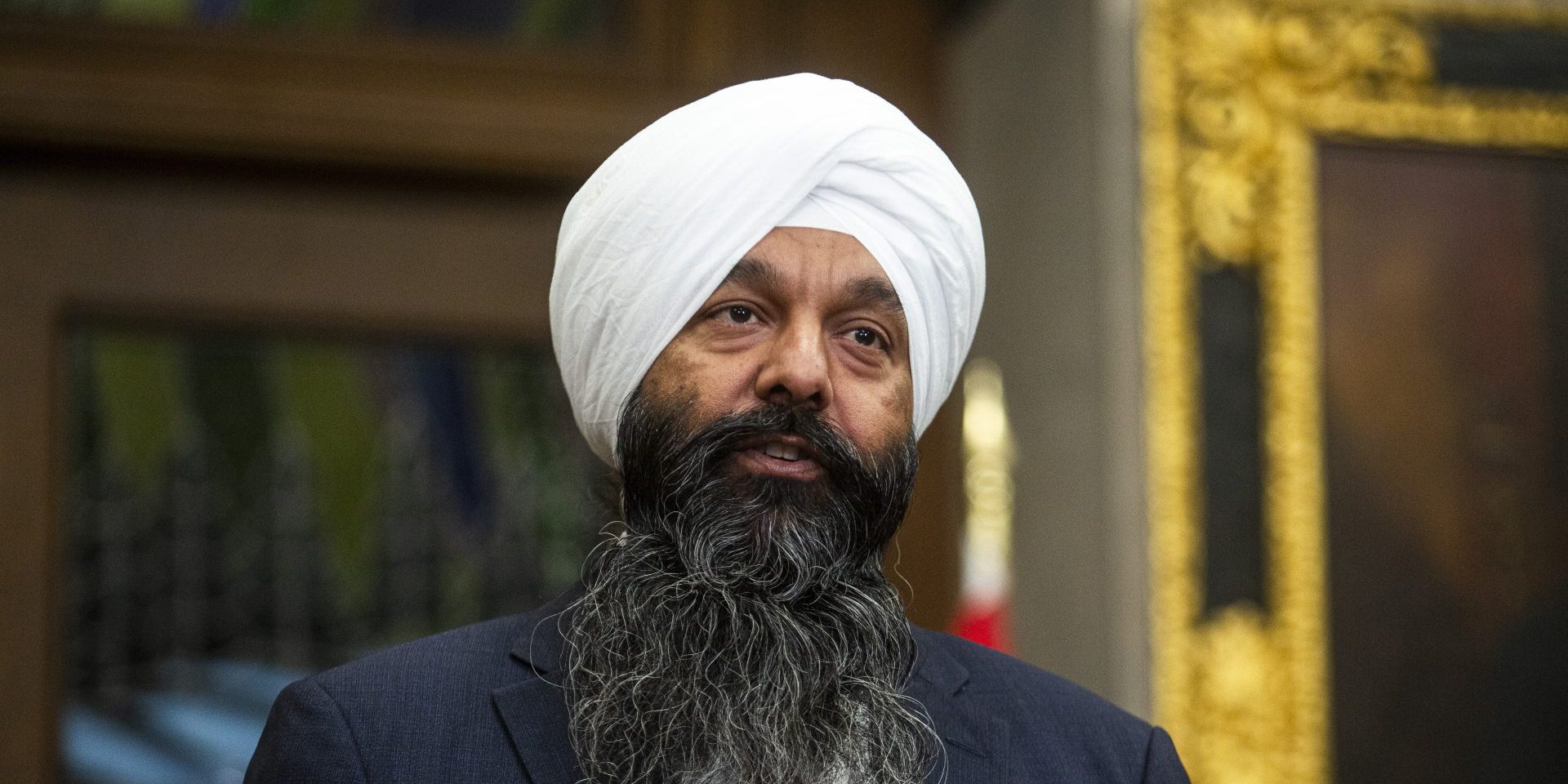
‘This will mean placing greater emphasis on supporting economic growth, trade readiness, and private-sector engagement to build prosperity and resilience in developing countries,’ says Randeep Sarai of the new approach.
If Canada’s promise to enforce peace is to carry meaning, it must be matched by an equal determination to enforce access—the lifeline that makes any peace durable and real.