

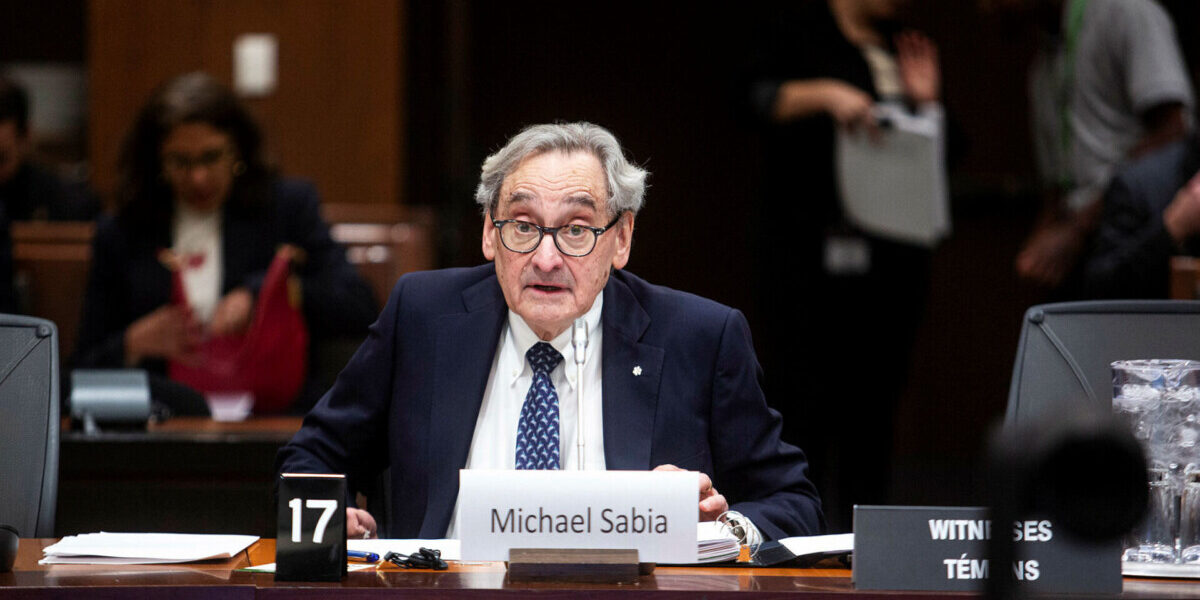
Michael Sabia is already a year into his tenure as clerk. Removing outliers, the average term for a modern clerk is under four years. It is not a lot of time to make good on any attempt to alter the trajectory of government. Will Sabia, the clerk with more private-sector experience than his predecessors, make a difference? Will his succinct three-word mission statement endure?
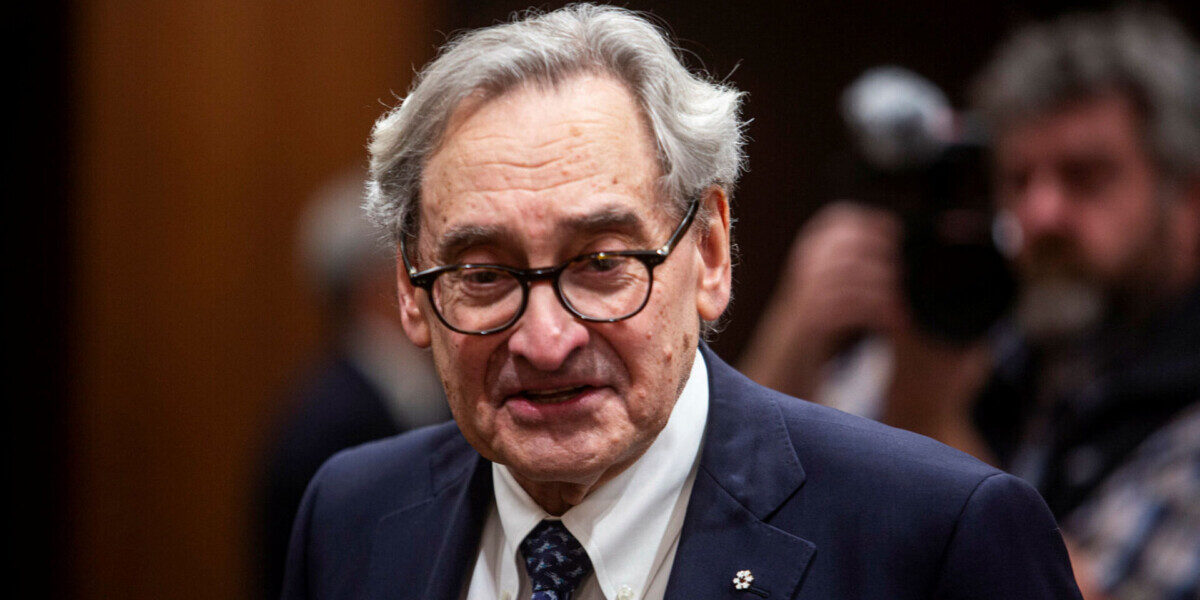
Michael Sabia says the current moment ‘calls for an entrepreneurial mindset, with measured risk-taking and a willingness to seize opportunities to drive meaningful, long-term change.’ The 50 deputy ministers have until next March to deliver bold ideas.
‘As a central agency with the essential role of supporting the prime Minister and cabinet … PCO ought to demonstrate a clear and sustained commitment to transparency,’ says Information Commissioner Caroline Maynard in her recent annual report.

The bureaucracy lost about 12,600 jobs last year, with term, casual, and student positions cut at a higher rate in the core public administration, while indeterminate roles dropped by 1.7 per cent.

The investigation concluded ‘the true intent’ of Christiane Fox, then-deputy minister at the department, was to help Bjorn Charles ‘find new employment, and this occurred under her watch through the creation of a position in her department to fit [his] needs.’

Despite the differing styles of previous officers, the government should make this appointment a top priority when Parliament returns this week because, as the Organisation for the Economic Co-Operation and Development pointed out in its first-ever review of the PBO (which was conducted at Jason Jacques’ request), this office is the best in the world.

It’s an open question as to whether the prime minister will treat the Senate as a strategic asset or leave the institution under-utilized in a national moment when it is most needed to rebuild national cohesion.

Prime Minister Mark Carney has not made it clear how he will move ahead with appointing Senators. But others say he’s got ‘bigger fish to fry’ right now.

Gina Wilson, recognized by her peers as Canada’s first woman Indigenous deputy minister, often ‘set the ball in motion’ from behind the scenes to get action on important issues, says Senator Kim Pate.

Although a return to appointing Liberal members of the Red Chamber could be possible under the current government, PSG Leader Brian Francis says, ‘I think many Senators have made it clear that they would not want to return to a duopoly.’

The government’s effort to find savings by scrapping duplication risks undermining the country’s limited analytical capacity, says Stephanie Carvin.

The Privy Council Office’s departmental plan outlines $278-million in spending this fiscal year—easily a four-year high—while forecasting cuts down to $214-million by 2027-28.

Top public servants might straighten up and self-correct if they know the prime minister isn’t afraid of swift discipline, say former bureaucrats, who welcome Carney’s ‘sound management practices.’

The 2.7 per cent dip as of March 2025 represents the first time the public service hasn’t grown since 2015, which experts say isn’t surprising given the Liberal government’s 2024 budget forecast the population to shrink by attrition.

Jocelyne Bourgon, former PCO clerk during the Jean Chrétien era and the architect of the 1990s program review, says delivering on Mark Carney’s agenda will require rethinking government, not just trimming it.

Mark Carney’s Liberal government had few cabinet orders during the election despite criticism that he wasn’t adhering to the caretaker convention.

No matter who wins the next election, the government will need a bureaucracy that is politically savvy and quick to adapt to evolving situations and challenges.

Donald Trump’s month-long delay pushes talks closer to the date of the Liberal leadership contest, the end to prorogation, and a potential federal election.

Plus, PCO deputy secretary Mollie Johnson adds clean growth responsibilities to her existing role.

There will likely be a change in government in the near future, and a new laser focus on fiscal restraint. This will undoubtedly drive a conversation on the role of government: what should it be doing, and what can be better—and more cost-effectively—done by others?

Public service union walks back calls to boycott downtown Ottawa business.

As federal public servants return to the office three days a week, the battle over remote work will head to full court hearings.

The federal student program remains ‘a key recruitment priority’ says the government, as it looks to shrink Canada’s public sector.

A public backlash on the horizon if the growing federal civil service doesn’t deliver the goods, says Donald Savoie in his new book.

