While one Greenpeace campaigner says the legislation grants cabinet ‘unchecked discretion’ to circumvent environmental laws, for CSG Senator Clément Gignac, it’s ‘a very large positive step in the right direction’ for the economy.
Institutional investors have a mandate to maximize returns for their shareholders and members, not to deliver universal public services. When they acquire stakes in infrastructure, it is because they see opportunities for profit.
The Building Canada Strong Act, introduced on the first day of the fall sitting, aims to streamline project approval timelines across the country by completing project reviews within a year.
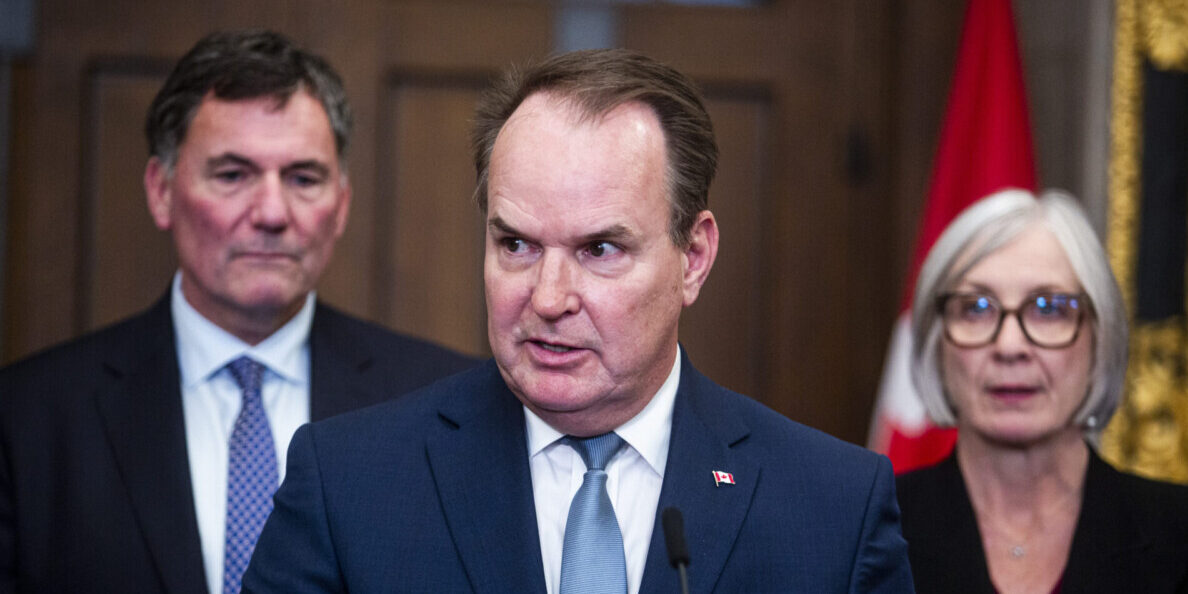
The prime minister has the right personal qualities and experiences, but more importantly he governs the middle power most vulnerable to subjugation in the short run. Most Canadians realize this country’s peril may be existential.

Some Canadian politicians are keen about closer ties to the 27-nation bloc, while others critiqued Prime Minister Mark Carney’s speech for lacking details on taxation, regulations, and the cost of pursuing ‘associate’ membership.
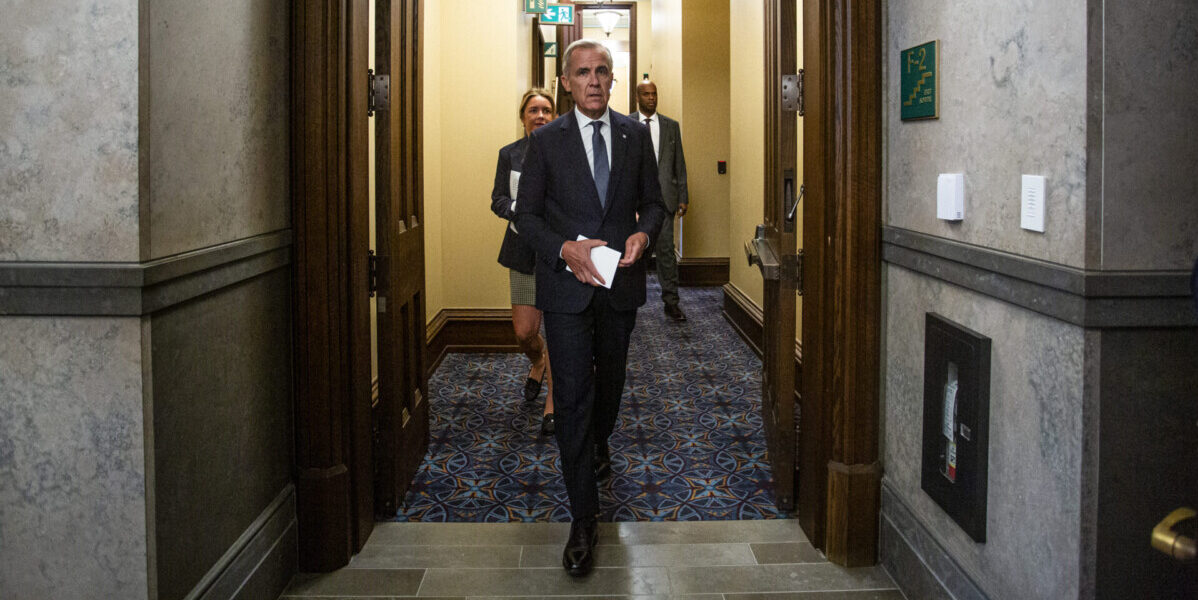
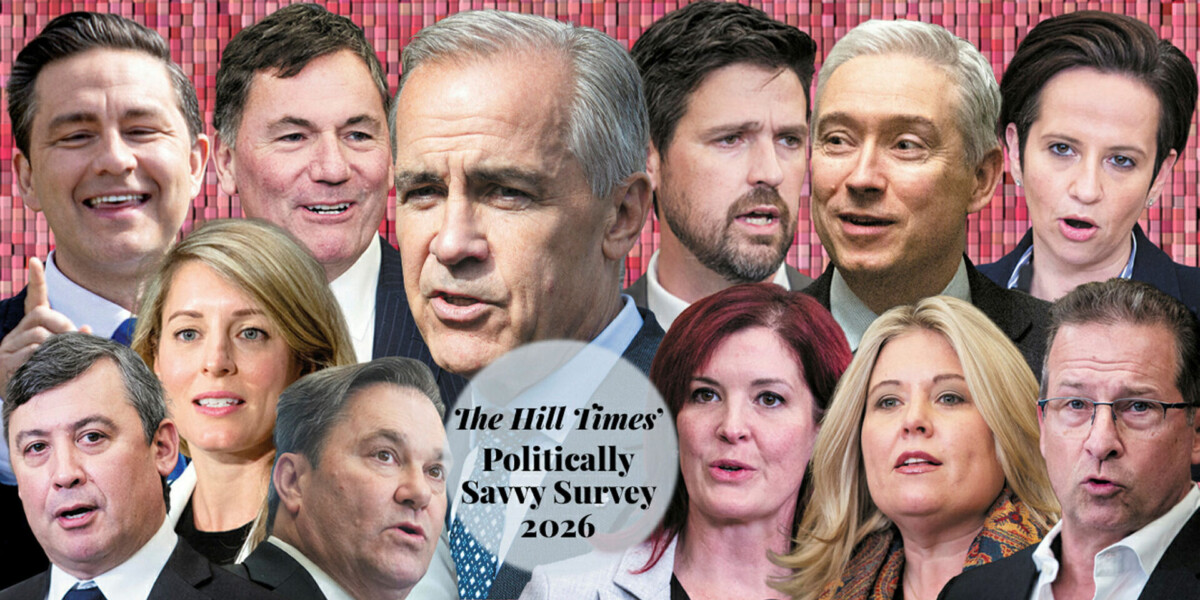
Pierre Poilievre voted most effective Conservative QP MP, best opposition MP in scrums, best fundraiser, and biggest self promoter. Dominic LeBlanc picked as best cabinet minister, most influential cabinet minister, and MP with the best sense of humour.
Mark Carney’s Investment Summit was a good idea. It put Canada more squarely on the map for foreign investors who will now be watching to see how we proceed in our ‘Build Canada’ agenda. Consider the summit a first step. Much more must be done. But there is hope.
Even a popular prime minister needs to answer questions. But MPs need to resist the urge to turn another House sitting into yet another partisan circus. Canadians need real answers. The stakes could not be higher.
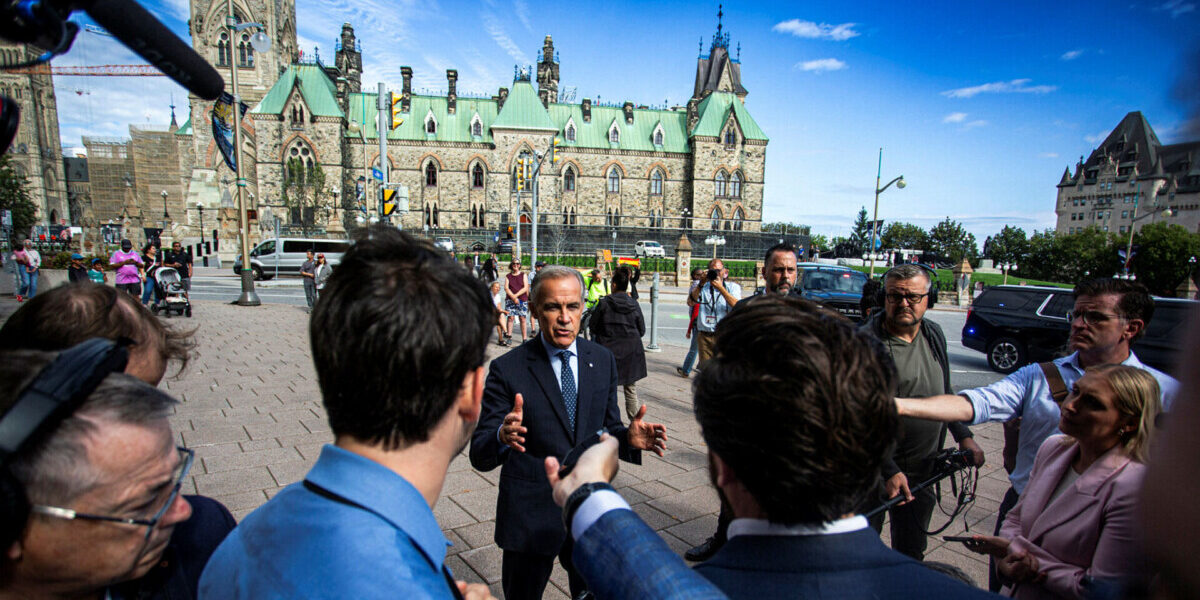
But the PMO says Mark Carney keeps in ‘close and regular contact’ with MPs, and holds caucus coffee chats and meals with MPs while travelling in their regions. And another Liberal MP says those frustrated by the lack of direct access to the PM want to ‘audition’ for a promotion to cabinet.
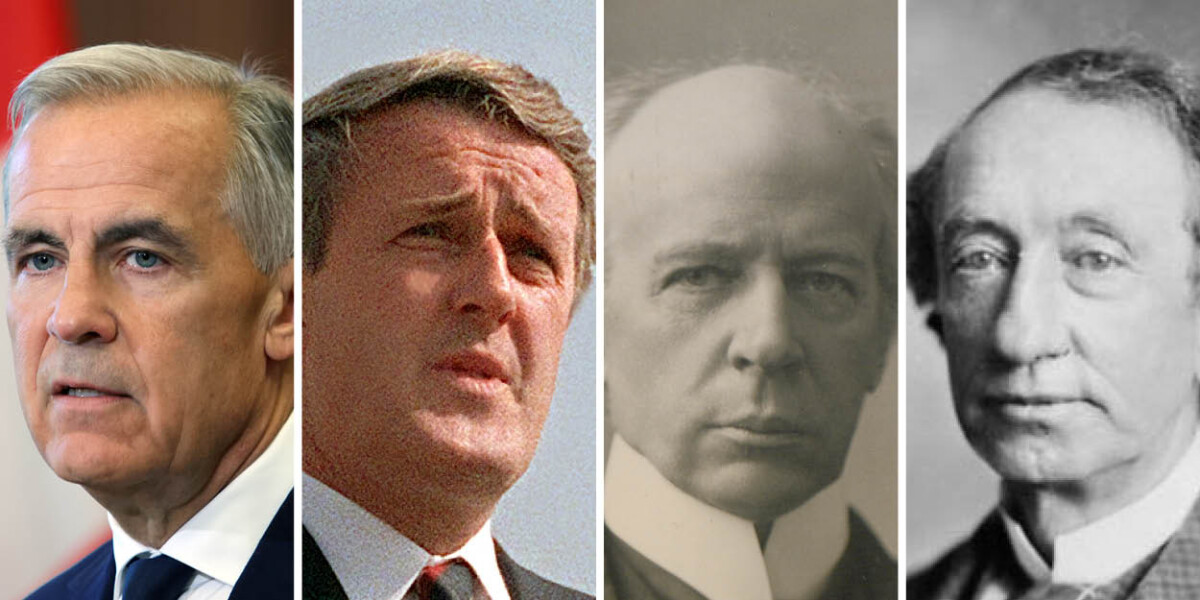
The challenge facing Canada is simply the latest chapter in a debate that stretches from former prime ministers Sir John A. Macdonald and Sir Wilfrid Laurier, to Brian Mulroney and now Prime Minister Mark Carney. The circumstances have changed. The underlying question has not.
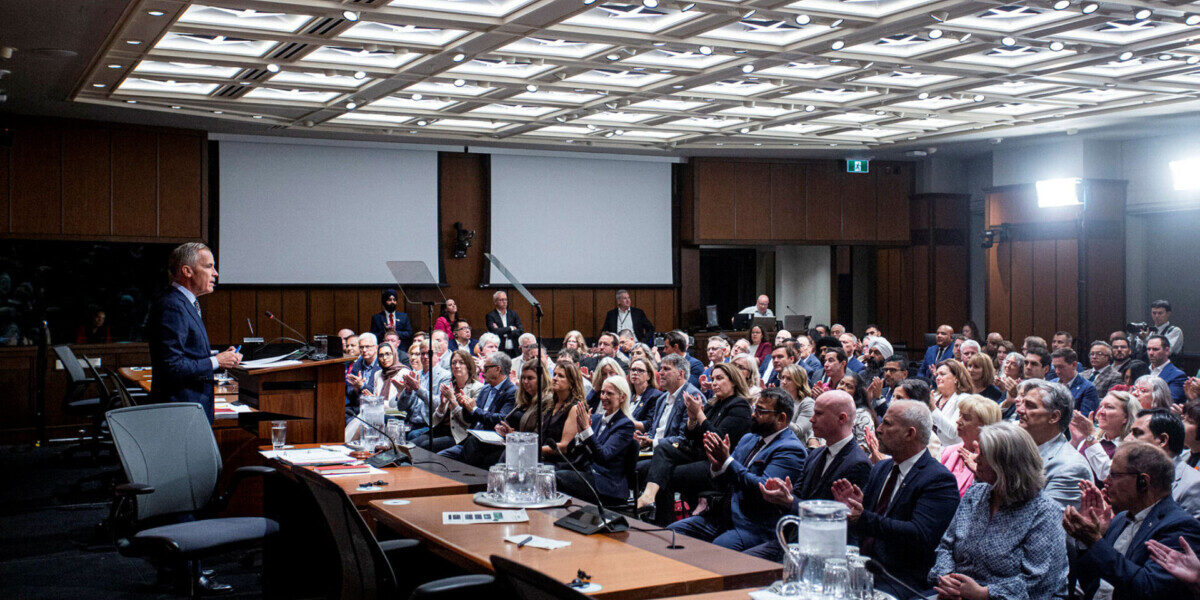
‘There were so many questions in June that have now been answered that do fundamentally alter the state of, not only the House, but also the Senate,’ says one former PMO policy head.
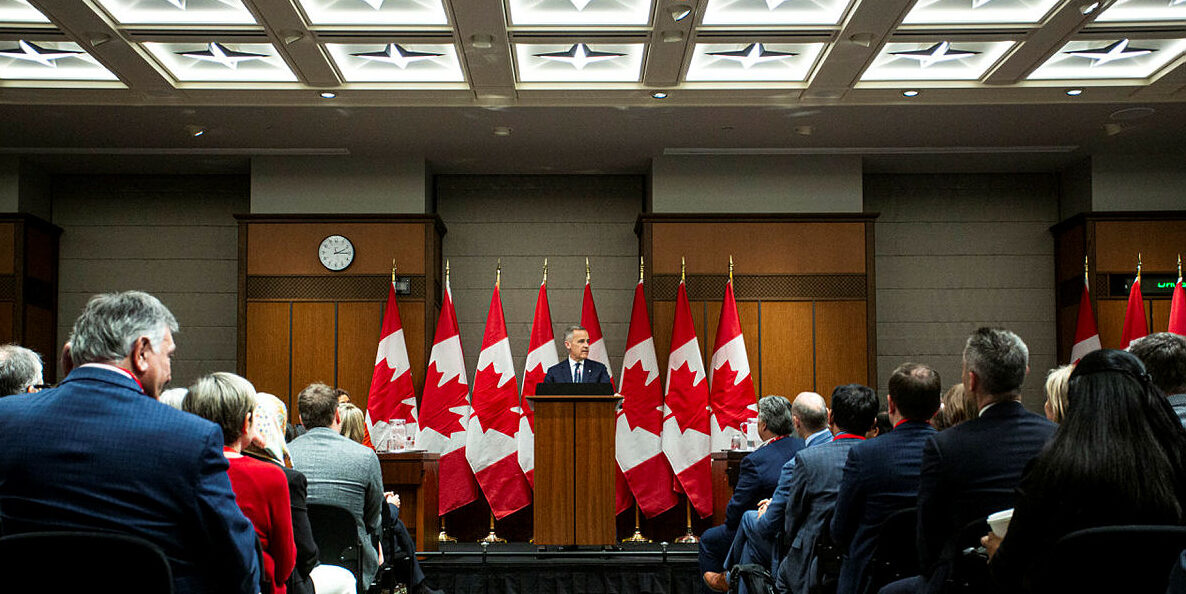
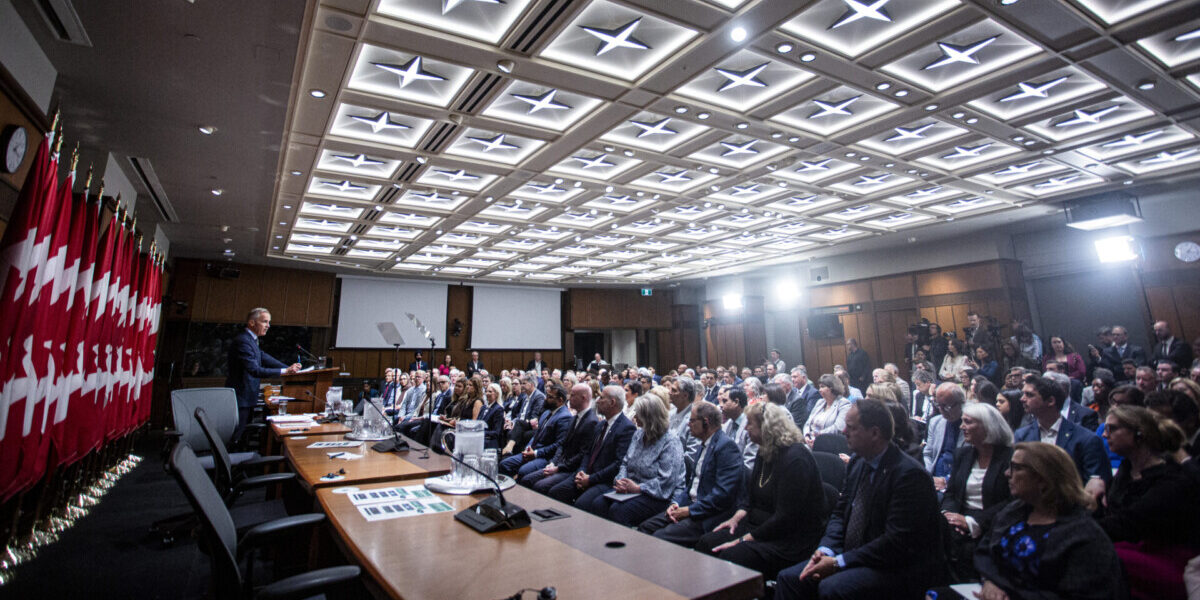
At the two-day Toronto gathering, the federal government announced a major investment tax benefit, forthcoming legislation to fast-track more project approvals, and a plan to open up airports to private investment.
Canadians need more details on the feds’ proposed model, say observers, as it’s unclear how investors will generate a return on their investment—and if the buck will be passed to passengers.
NDP environment critic Leah Gazan says the feds are ‘trying to legislate away constitutionally protected rights,’ a move she calls ‘insulting to the Canadian public’ who are facing extreme weather events exacerbated by climate change.
It is only with the enmity of the American administration that we are now seriously embracing new thinking and pursuing new priorities. We are still very much a work in progress. But there is a reasonable chance we are heading in the right direction. Short-term pain for long-term gain.
As Prime Minister Mark Carney and this country face these challenges with the United States, he should also be talking more to Canadians and to Parliament. It would go long way to better engaging with Canadians and empowering federal lawmakers. Carney needs Parliament, too.
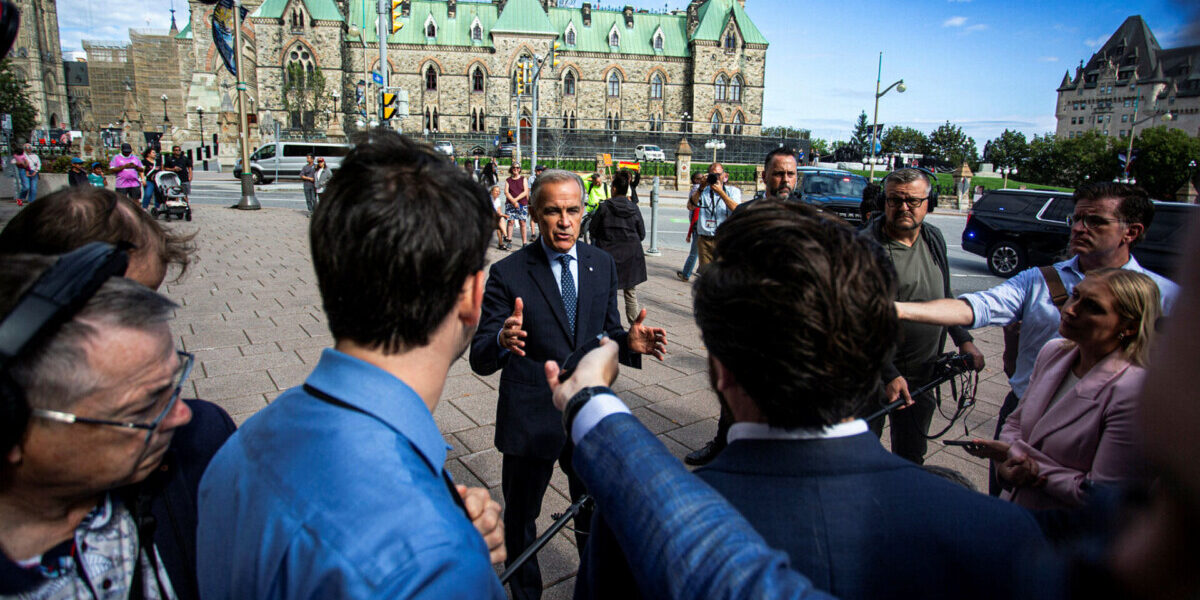
The prime minister needs to ‘come out with a big bang’ and dispel concern Canada is a hard place to do business, says one economist, while others say the investment summit raises questions about ‘who’s in the room,’ and which participants are ‘missing.’
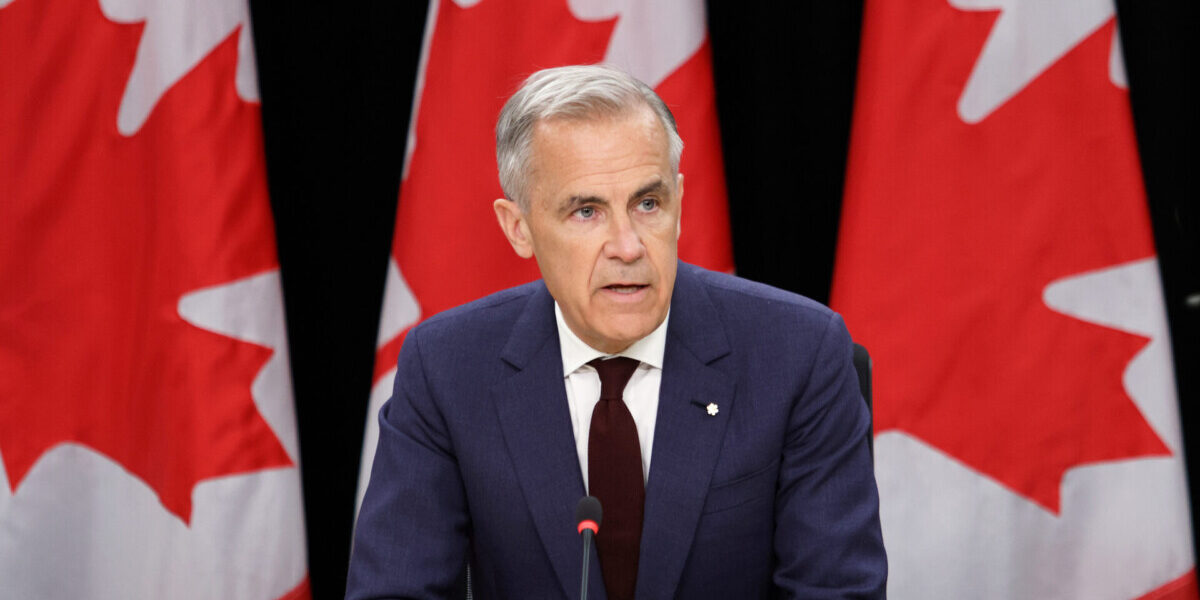
Rightly or wrongly, the public’s perception is that Mark Carney deserves credit for the good economic news, and in politics the perception of truth always trumps the actual truth.
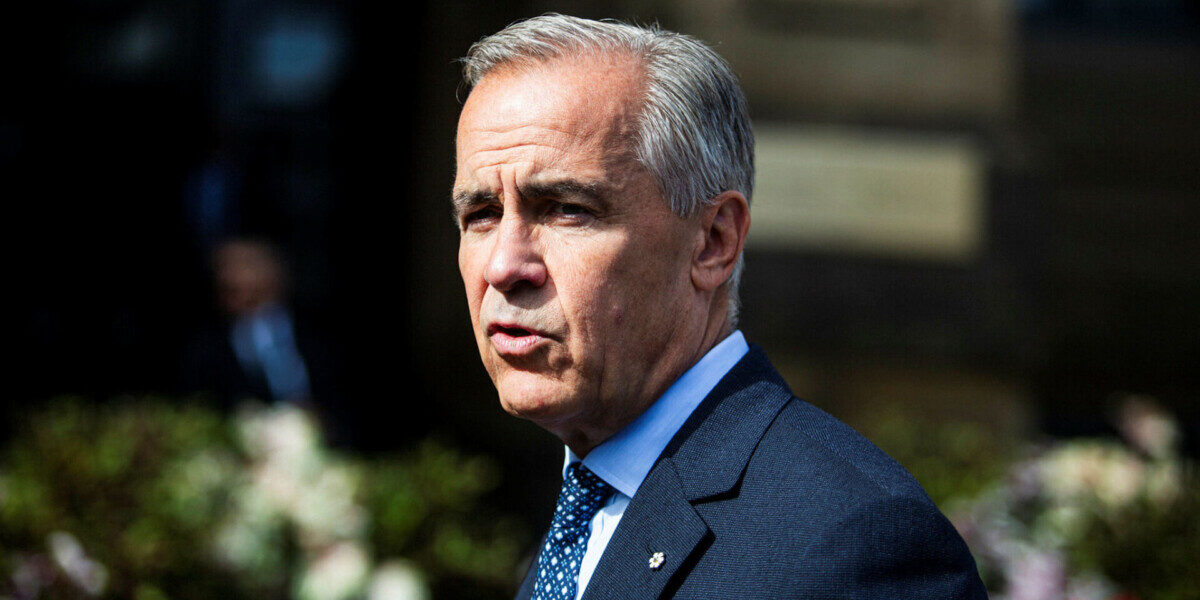
We can make a difference if every single Canadian decides that our purchasing power can trump U.S. President Donald Trump.

Canadians should ask what remains after drawing investor dollars, and what is exchanged: wealth we still own, or a bigger ledger built on corporate subsidies and asset sales?
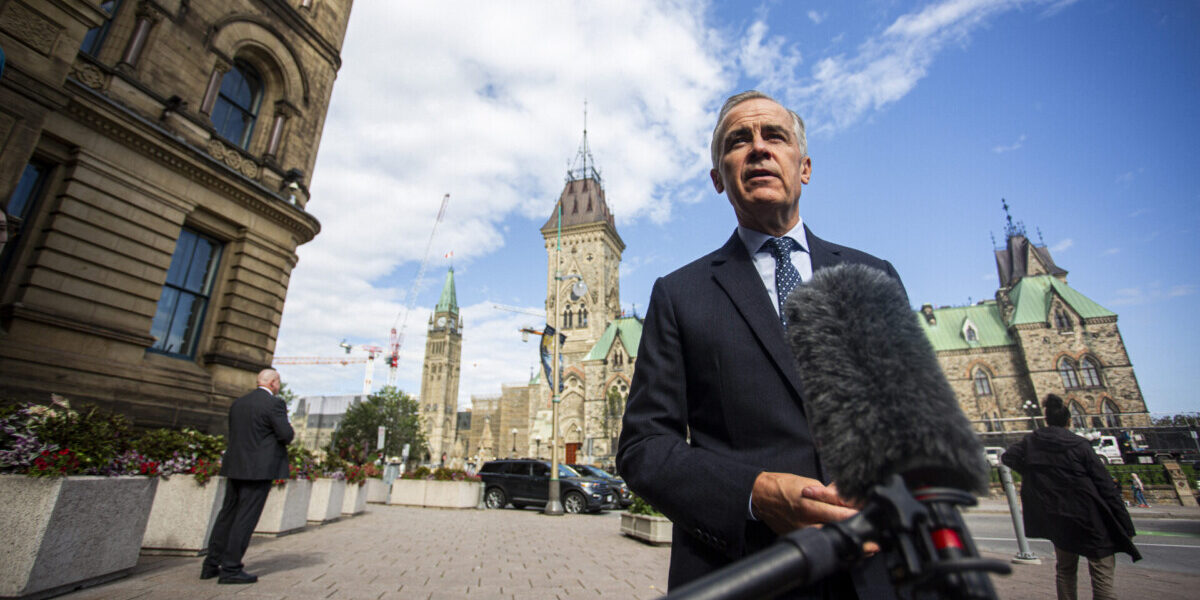
The prime minister is ‘contrasting himself very clearly’ between the American president’s ‘juvenile approach to politicking and a mature one’ says Trudeau-era staffer Marci Surkes.
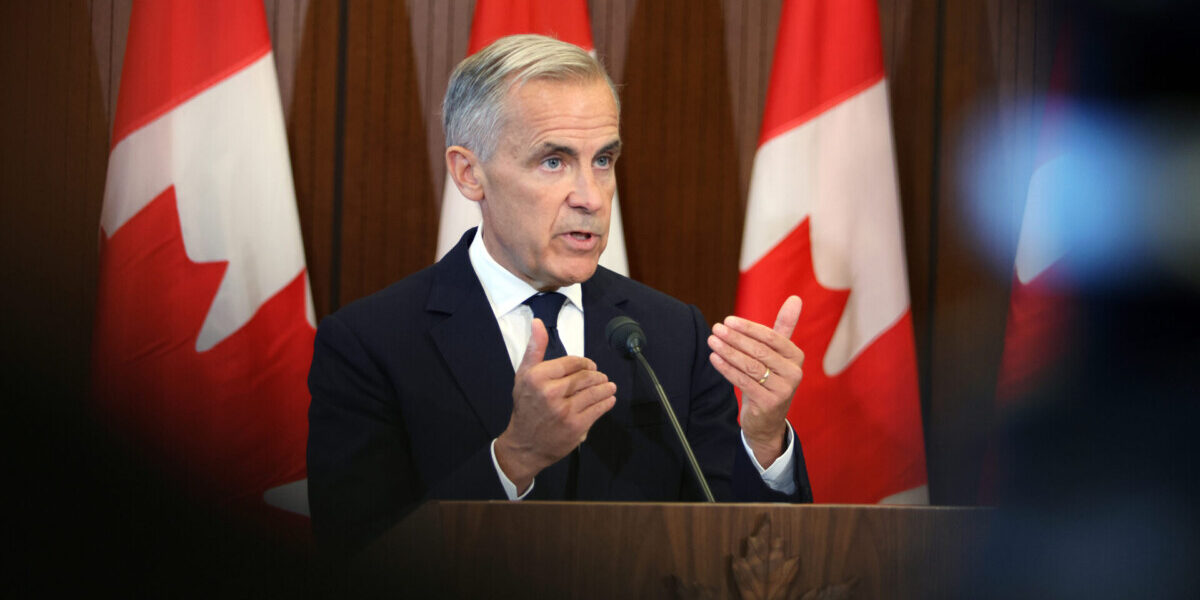
Canada’s current flag-waving is a dramatically novel phenomenon. Trump’s tariff tirade and his talk of this country’s destiny as the 51st state changed everything.
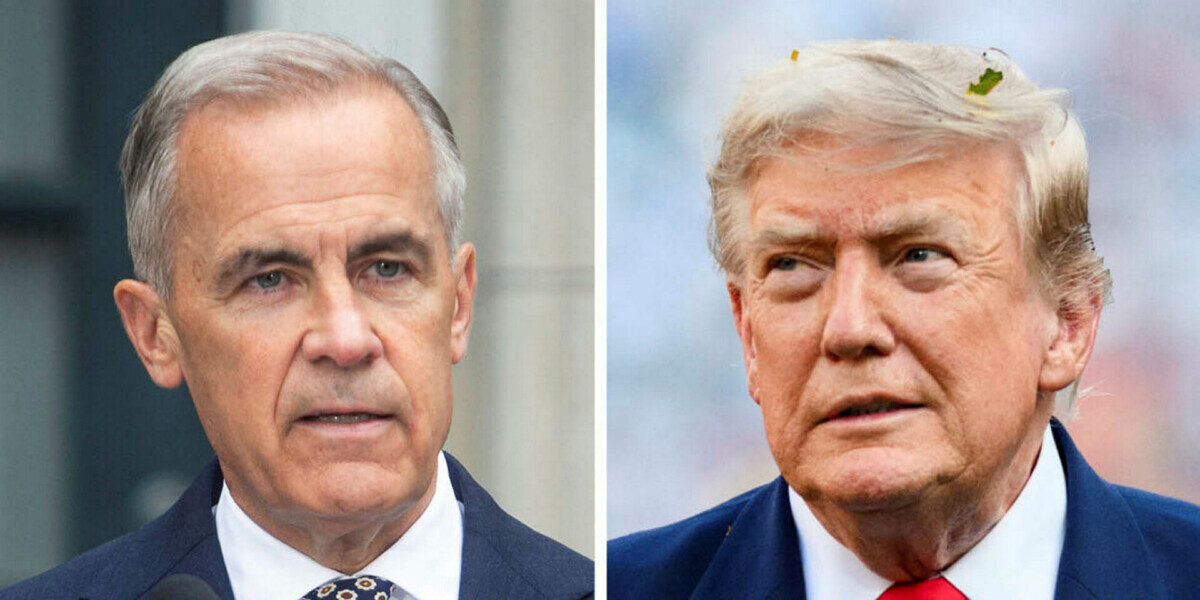
Ottawa shouldn’t enable the U.S. president. That includes not being slavish about trade with our southern neighbour.
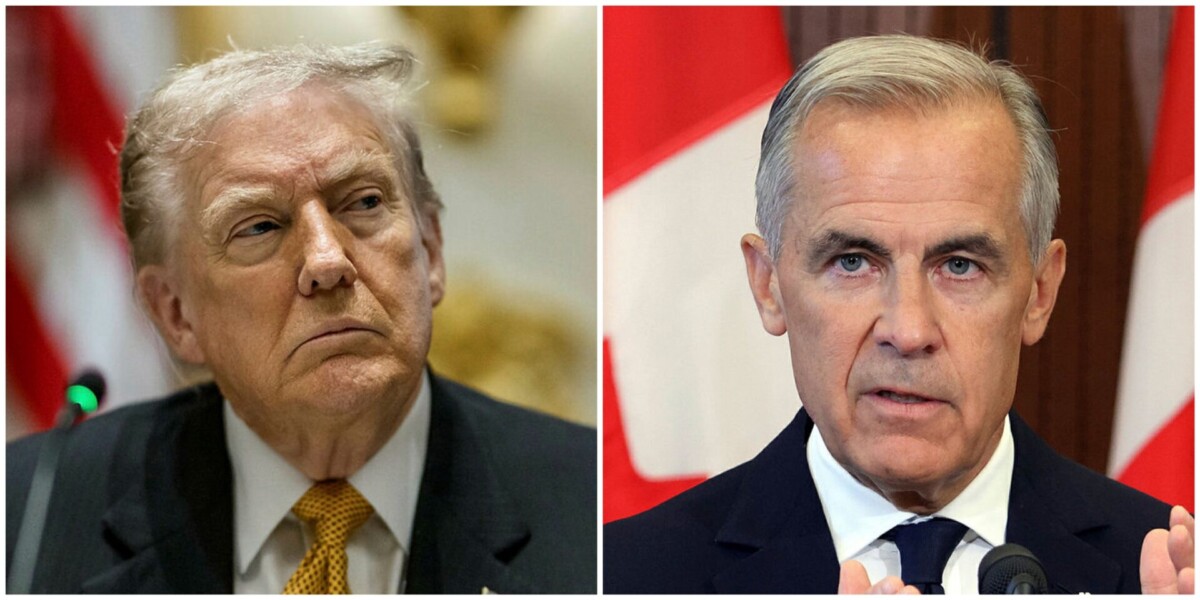
The ongoing trade dispute with the U.S. is an ‘existential threat’ for the Canadian economy, and Prime Minister Mark Carney should consider starting this fall’s parliamentary sitting with a Throne Speech, says former Liberal MP Joe Jordan.