

It is time for leaders to answer to their earlier selves—not out of nostalgia, but because they once understood something essential: the climate emergency does not wait. Every decision that prolongs fossil dependence narrows the margin of manoeuvre available to future generations.
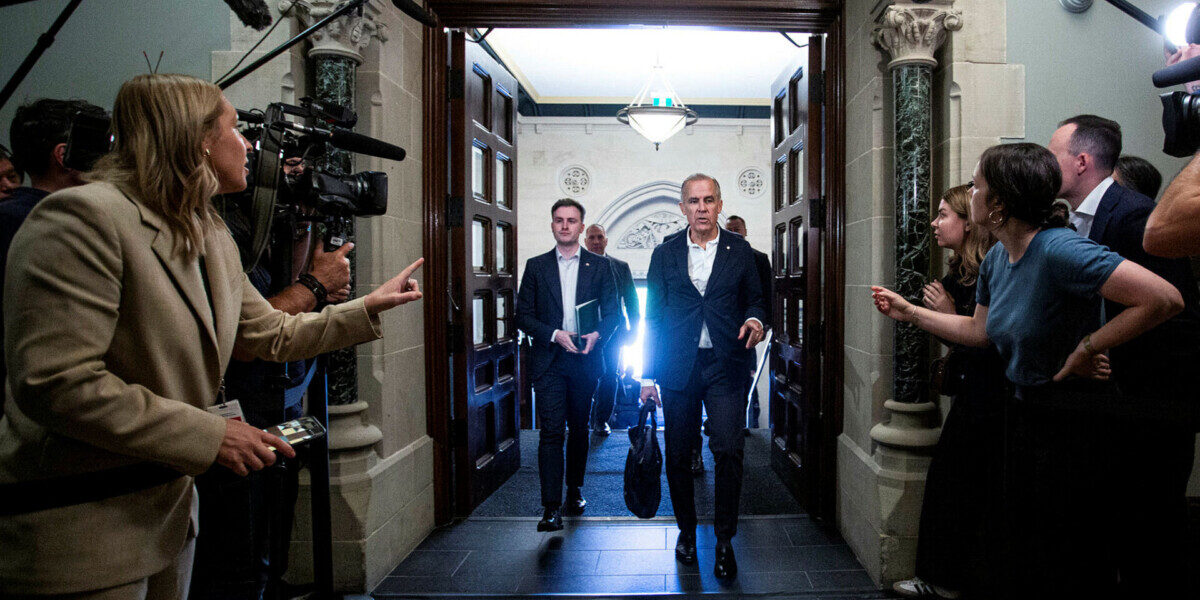
Within a year of receiving the Nobel Prize in 2019, Ethiopian Prime Minister Abiy Ahmed was at war with Tigrayan militia. That war ended in 2022 with the militia defeated and some 600,000 Tigrayans dead, but the country is already sliding back into another war.
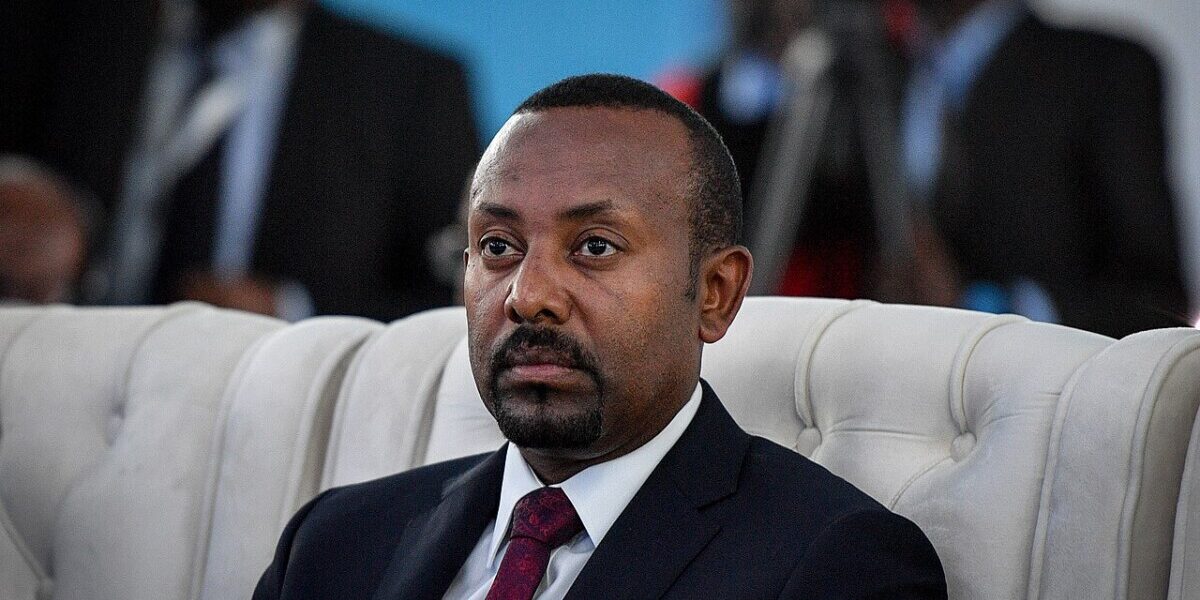
If Canada wants a stronger domestic technology sector, home-grown firms have to build. Governments have to create the conditions for them to succeed. And when credible Canadian alternatives exist, our institutions and leaders have to be willing to use them.

Projects are not just about capital and approvals. They depend on lands, rights, and the people behind the project. Before backing a project, investors should ask whether the work has been done with Nations and within communities, and whether the investment will build growth and lasting value.
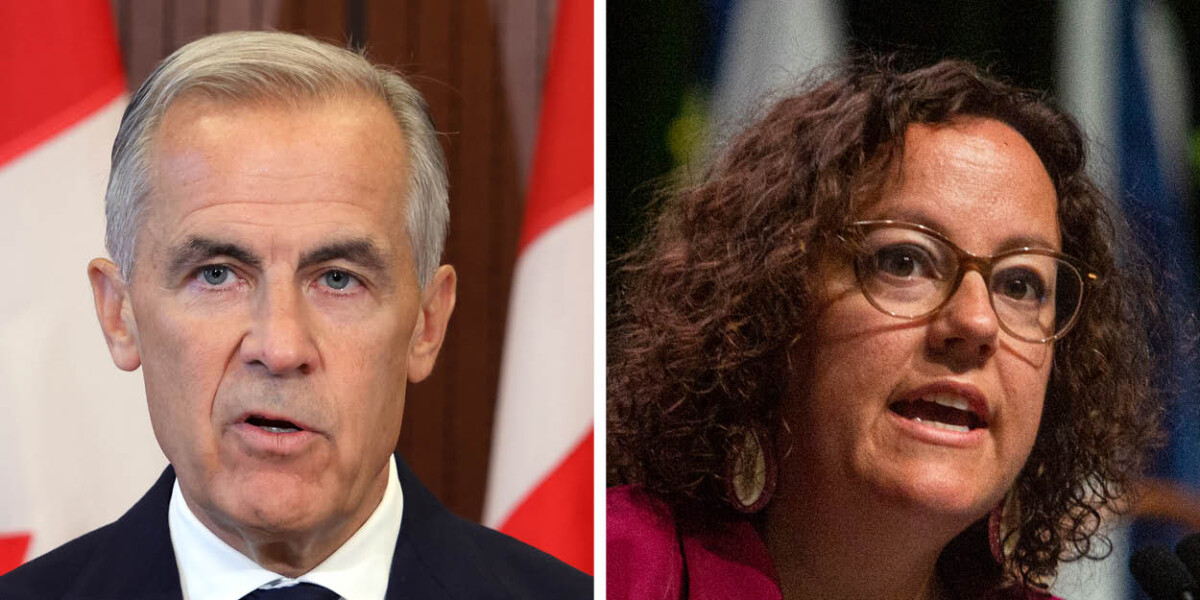
The expansionary actions of the fossil-fuel industry, governments and private and public-sector investors, in Canada and around the world, amount to ecocide. While not yet technically a crime, their actions are morally unacceptable.

The prime minister’s response to Canada-U.S. tensions is a legitimate act of economic self-defence. But the crisis footing is doing double duty: it lets the Liberals obscure the fact that they are making policy choices with winners and losers.
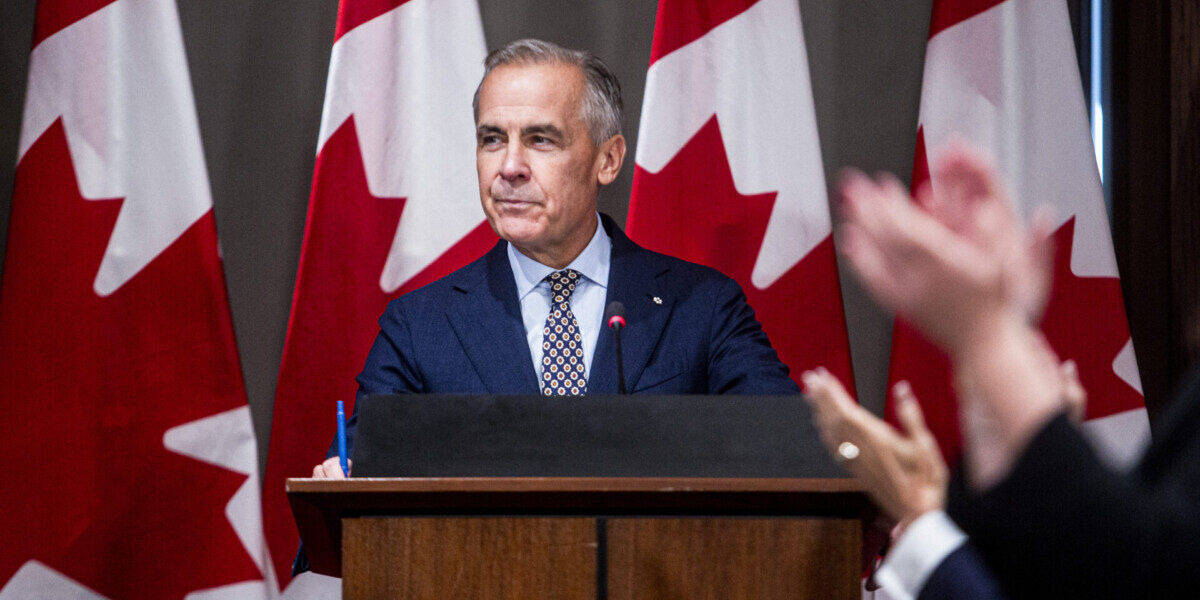
Institutional investors have a mandate to maximize returns for their shareholders and members, not to deliver universal public services. When they acquire stakes in infrastructure, it is because they see opportunities for profit.

Too often, bilingualism is framed as a constitutional obligation, a cultural commitment, or an administrative requirement. In reality, it is a strategic asset, giving Canada the ability to communicate, collaborate, and lead across linguistic boundaries.

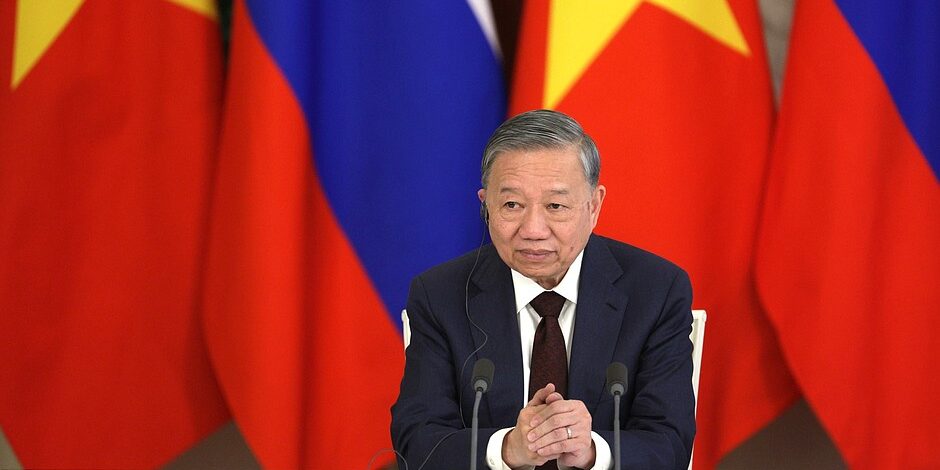
The Vietnamese president’s visit comes as Ottawa and Hanoi are both searching—from very different geopolitical positions—for greater resilience, diversified partnerships, and room to manoeuvre in a more contested world.
Large firms remain important, but they must sit alongside a dense ecosystem of agile domestic companies that solve niche technical problems, and scale into trusted suppliers at home and abroad.
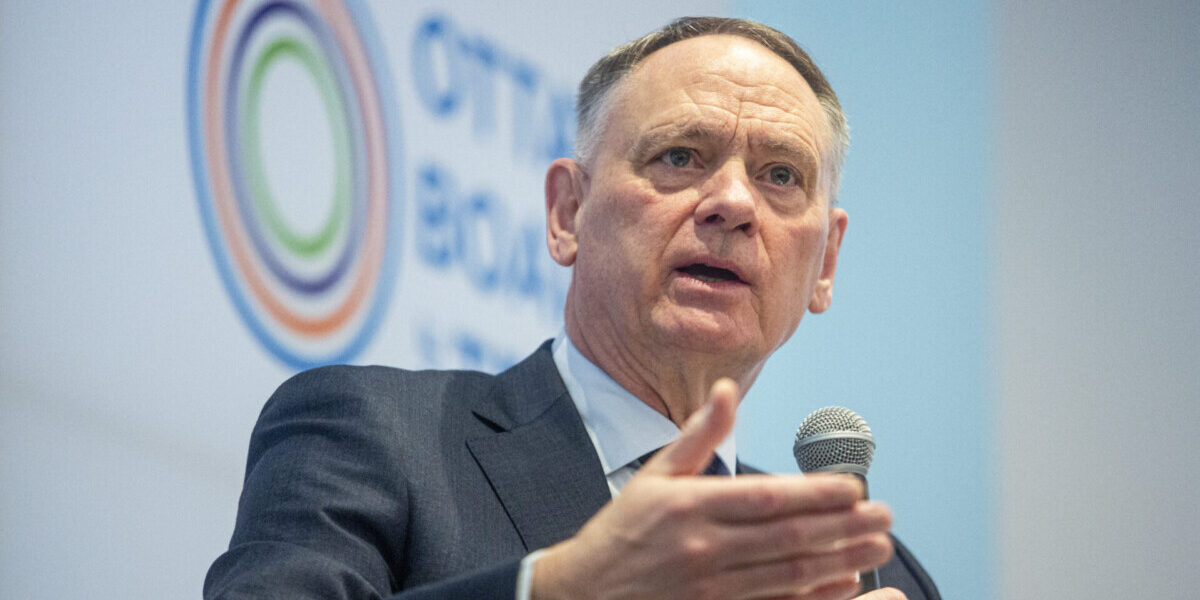
Pierre Poilievre still has time to right his ship, but he needs to take a deeper dive into Kerry-Lynne Findlay’s car crash if he wants to fare better than she did.

Advanced expertise takes years to develop, and these capabilities cannot simply be created when a crisis emerges or a new priority appears.

Perhaps this just the inherent tension between what is ostensibly an employer and organized labour playing out, but fomenting mistrust at this juncture seems like the Liberals setting themselves up for an own goal.
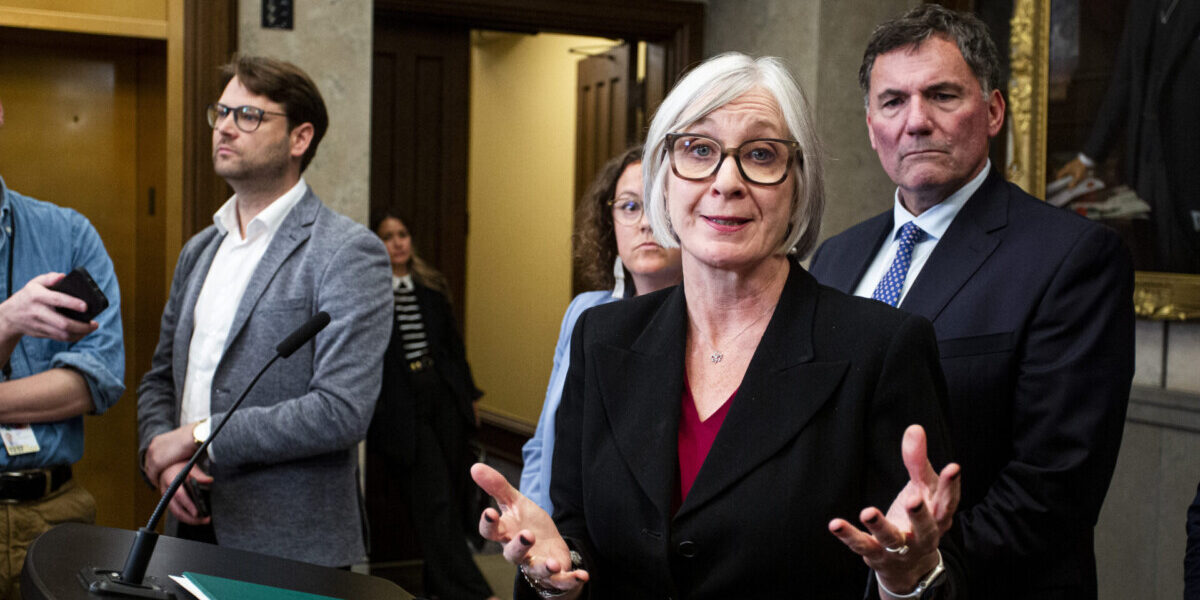
Those of us in this country with some level of discernment have seen through the Alberta premier’s remain-in-Canada act, and now she needs to pivot.

The feds are opting to diminish the public’s access to information and privacy, ending any pretence of consumer and taxpayer protection, and introducing data centres that generate too much misinformation.
Now, funding agencies need to create new structures, pathways, and policies that better reflect the interconnected nature of Indigenous Knowledges.

We have no shortage of talent or ideas, but we need greater entrepreneurial momentum and smoother pathways to convert more of them into products, processes, and jobs.

We need to get better at turning ideas into impact without weakening the fundamental research that makes those discoveries possible in the first place.
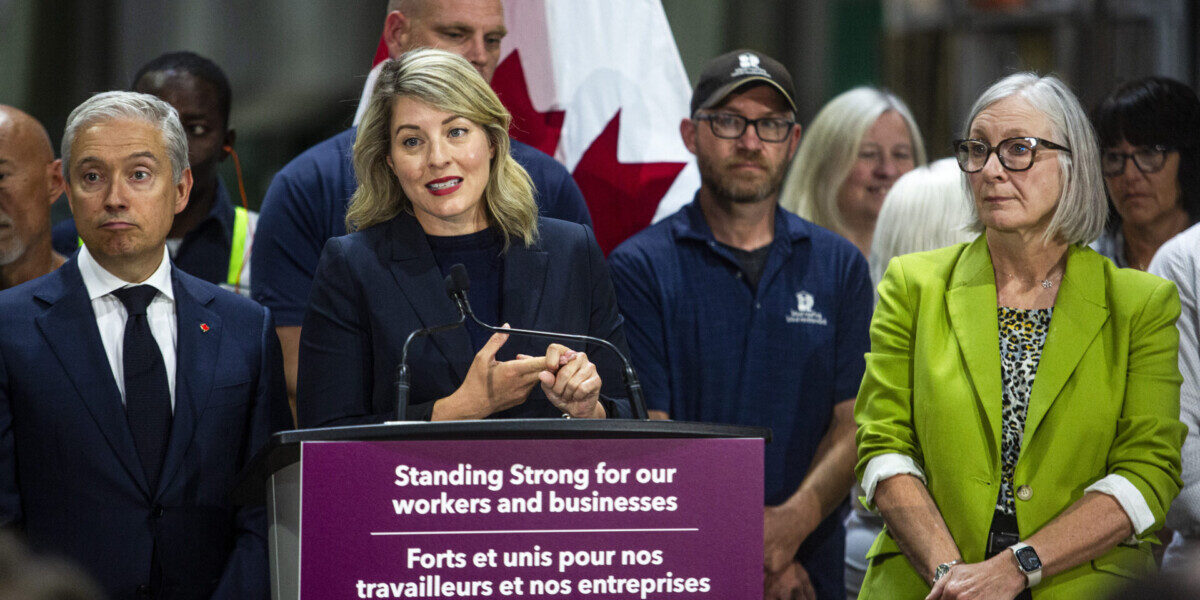
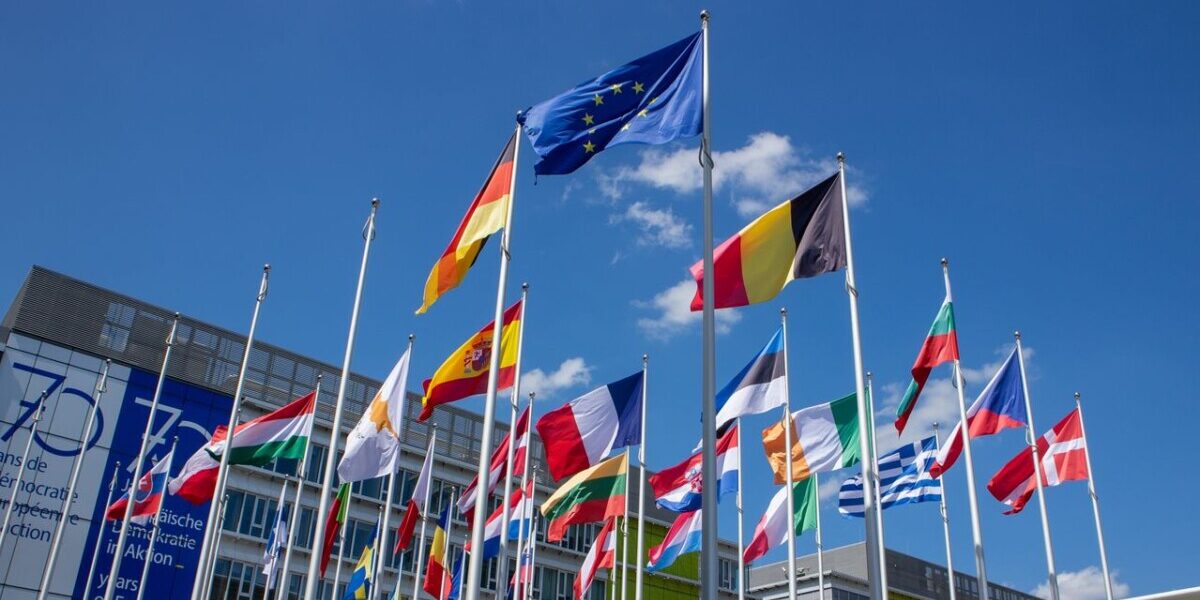
A note to Canadian to clarify misconceptions pertaining to the European Commission president’s invitation for Canada to have ‘associate European Union membership.’
In addition to importing star talent, a successful talent strategy must also develop, retain, and support researchers already here and those just starting their careers.

The keys to building our next anchor companies lie in our university labs and incubators. It’s time to unlock Canada’s potential.

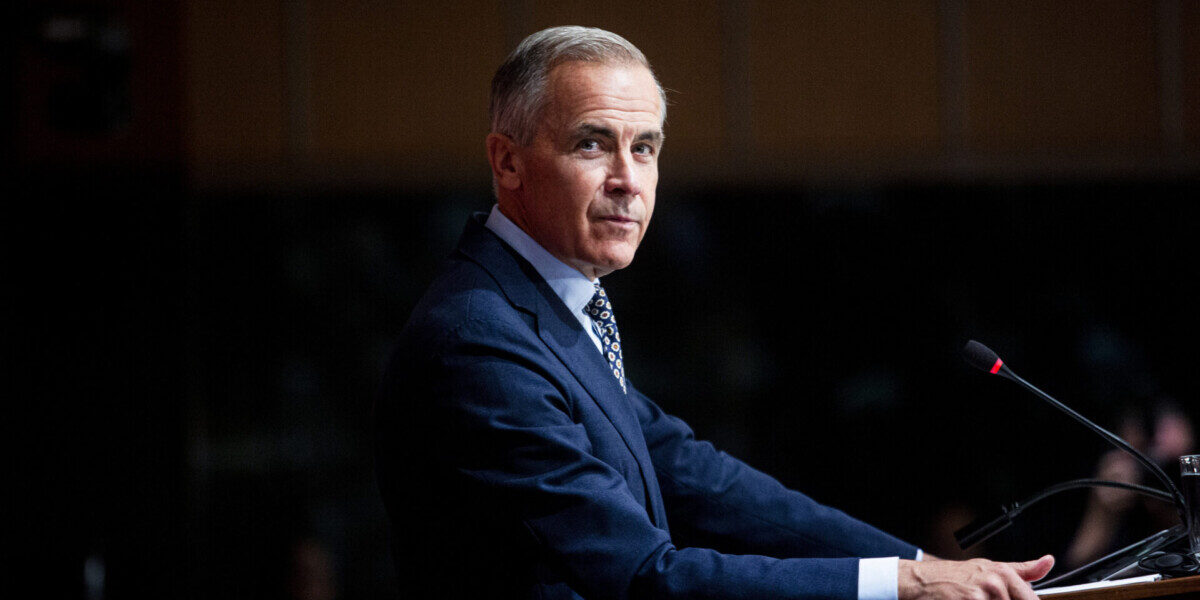
The prime minister has the right personal qualities and experiences, but more importantly he governs the middle power most vulnerable to subjugation in the short run. Most Canadians realize this country’s peril may be existential.

Canada and other democratic partners can help by continuing to clarify Resolution 2758, by resisting its misuse, and by supporting Taiwan’s meaningful participation in relevant UN bodies and activities.


