If Canada wants a stronger domestic technology sector, home-grown firms have to build. Governments have to create the conditions for them to succeed. And when credible Canadian alternatives exist, our institutions and leaders have to be willing to use them.
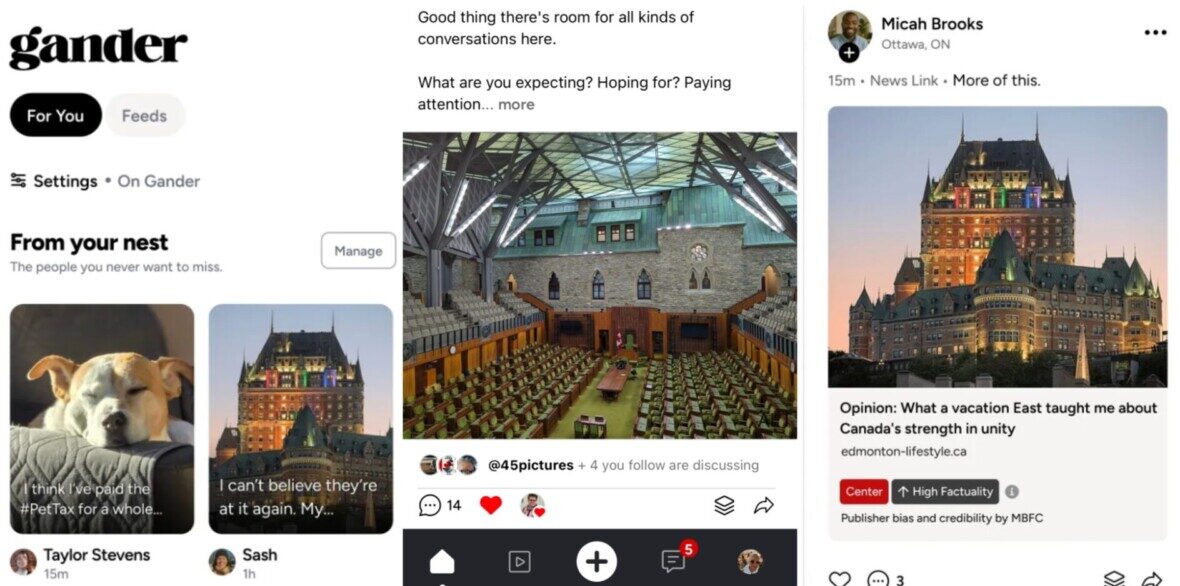
The feds want the new organization to expand AI, rebuild in-house expertise, and help Canadian tech firms grow, raising questions about whether those goals can coexist without deepening dependence on outside suppliers.

Following news of the breach, experts are amplifying pre-existing concerns over Bill C-34, the Safe Social Media Act, saying the incident could be a presage of what’s to come under the proposed legislation’s social media ban for children under 16 years.

A country that cannot sustain the institutions that report on its communities, governments, and elections is surrendering something more consequential than market share.

Access to government is a legitimate privilege of democratic advocacy, but it should never become leverage over journalists.

The use of non-disclosure agreements on the 11-member panel has caught the attention of previous advisers and parliamentarians, several of whom have characterized the tool’s deployment as uncommon.

The question of whether reporters will need to be counted in the new database also ‘gets at the debate over who is and isn’t a journalist,’ says former Carleton Journalism School director Chris Waddell.
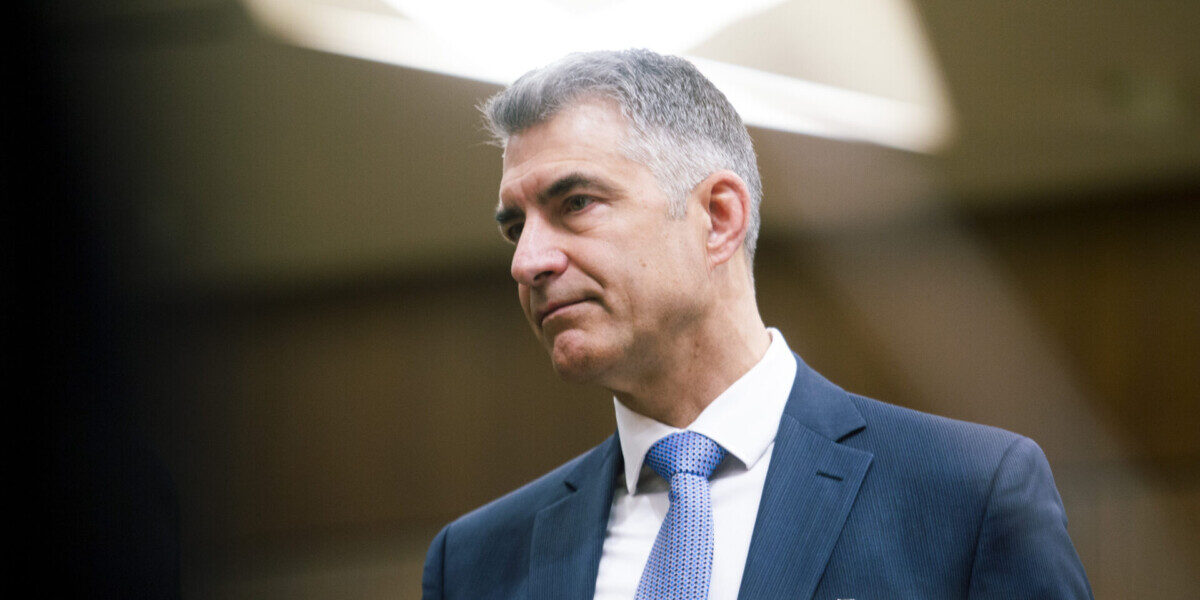
Former CTV National News anchor Lloyd Robertson, who led the nightly newscast for 35 years, managed to cover huge political scandals and the greatest stories of his lifetime without alienating those whose stories he shared.
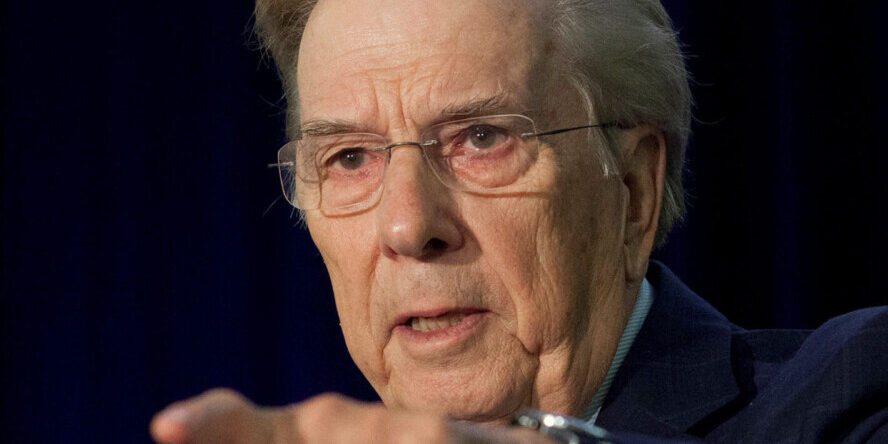
After court filing unearthed last week confirmed the government’s plans to ‘eliminate’ a five-per-cent funding requirement for Canadian content tied to the Online Streaming Act, some streamers are trying to recoup funding transferred to a centralized trust.
A national discussion can help answer key questions: are platforms built for addictive engagement? Or could they be designed differently for productive debate, play, and exploration?

What’s missing from recommendations in a recent Senate committee report is any investment in independent local news outlets. These are the broadcasters and publications deeply rooted in their regions.

Liberal MP Robert Oliphant says it’s better if CBC and Hockey Night in Canada remain ‘married,’ but ‘if it’s divorced, I keep my friendship with both parties.’

‘We are catching up for five to 10 years of delay and that is unfortunate, but we’re acting now, and I think that is the important takeaway,’ Culture Minister Marc Miller told reporters when unveiling the Safe Social Media Act.

Bill C-34, the Safe Social Media Act, would require social media platforms to prevent underage users from accessing their websites, but allow firms to apply for an exemption to the ban if they can prove they’ve implemented ‘significant safeguards.’
‘Failing to provide access for the Canadian news media runs contrary to Carney’s commitment to openness,’ says former World Press Freedom Canada president Shawn McCarthy.

As he nears retirement from the daily grind, you can’t talk about Bob Fife and not talk about passion.

In a May 21 decision, the broadcasting regulator upped the contribution rules for audiovisual streaming firms, so that 15 per cent of their annual revenues—up from the current five per cent—support domestic programming. It’s expected to bring about $2-billion into the Canadian media ecosystem each year.

Across Canada, governments are increasingly treating youth access to social media and AI chatbots as a problem to be solved through bans, even though they haven’t been effective in other countries.

As The Globe and Mail’s long-time Ottawa bureau chief eyes retirement this summer, colleagues and political operatives reflect on the fear, respect, and relentless reporting that defined his career.

A recent Australian bill aims to force social media firms to reach compensatory deals with domestic media outlets—or risk fines that would then be distributed to support journalism. ‘We’re not at where Australia is in their thought process,’ says Minister Marc Miller.

Provincial and federal privacy watchdogs say their investigation concluded OpenAI was not compliant with federal and provincial privacy laws. Heritage Minister Marc Miller said ‘AI, like any other platform for that matter, has to respect the privacy of Canadians.’

European Union politicians have voted for a ‘digital minimum age’ of 16, and banning some addictive elements of social-media sites. As Ottawa contends with these concerns, one European politician says laws should also focus on regulating platforms.
Conservative MP Raquel Dancho says ‘any employment gains’ from the 2023 Rogers-Shaw deal ‘have been wiped out three-fold,’ with recent news the Canadian telecom giant is offering voluntary buyouts to about 10,000 staff.

Former colleagues, politicos, and panellists mourn ‘trusted voices gone silent’ following CPAC’s cancellation of both its English and French-language prime-time news programs and double-digit staff layoffs.
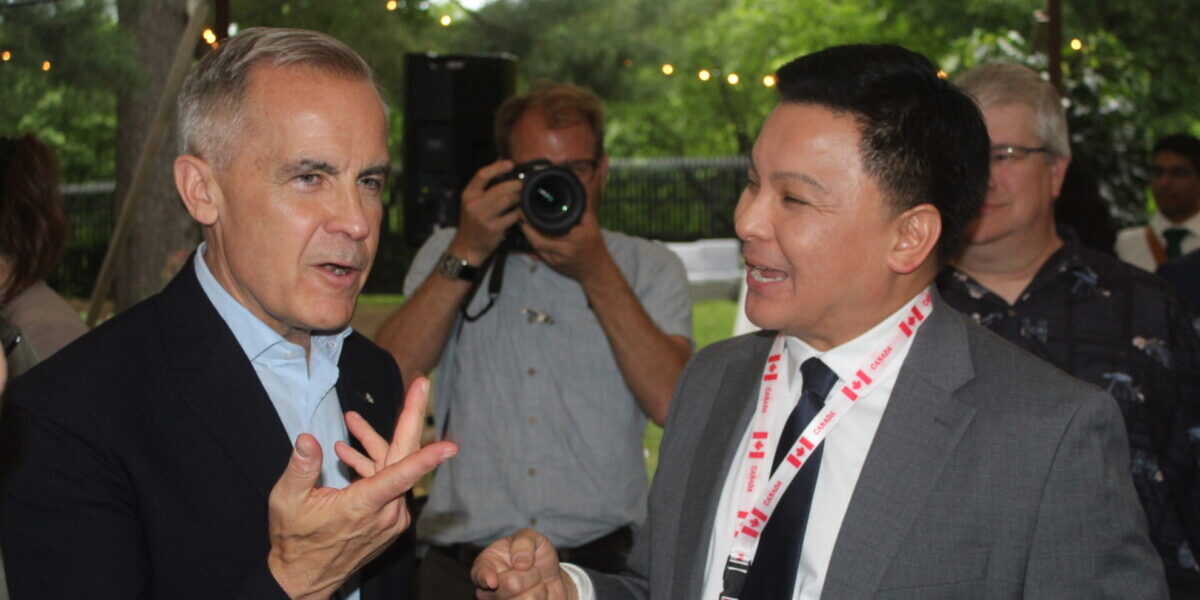
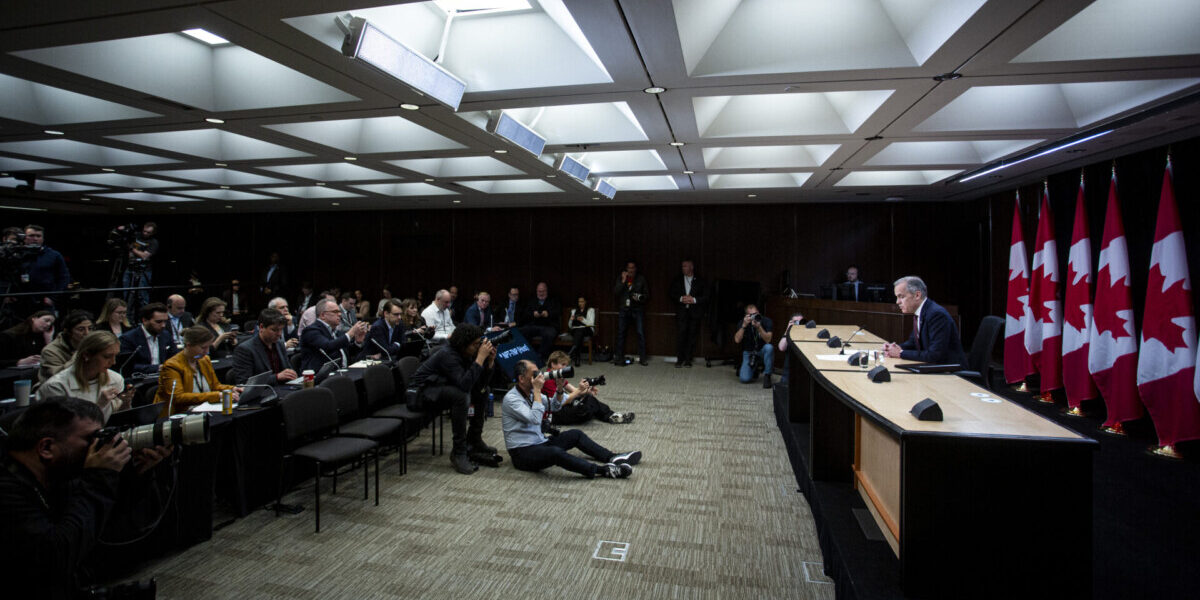
The Parliamentary Press Gallery wrote to the PM last month, inviting him to return to the National Press Theatre to speak with reporters.