

Since Digital Transformation Canada’s launch, more than 40 tech firms began new registrations on the federal lobbyists’ registry, including CCX Technologies and Amazon Web Services Canada.

The federal budget is coming this fall, with advocates from sectors including clean fuel, mining, agriculture, and housing raising their priorities in pre-budget consultations.

Some Liberal MPs say Liberal MP Angelo Iacono’s second job doesn’t pass the ‘smell test,’ but the Montreal MP says he only accepted the position after consulting the federal ethics commissioner.

How much can be learned through the new public service misconduct and wrongdoing disclosure reports depends on who’s reporting.

This is no wonder given Ottawa’s excessive secrecy, limited available financial information, and lack of rigorous monitoring and regulation.

The advocates and public affairs consultants facing access issues are probably trying to lobby on issues that are not on the government’s priority list, says Brian Klunder, a partner at Temple Scott Associates.

Some departments reporting granular data on specific instances of misbehaviour, and others broadly summarize founded and unfounded cases, an approach that one ethics researcher says suggests ‘the ship has sailed’ on the exercise.

Former Conservative cabinet chief of staff Garry Keller says conflict of interest screens add one more piece of administrative work for offices, and ‘transparency’ is key.

In late August, the eligibility criteria was updated for the Regional Tariff Response Initiative to allow more smaller businesses access federal funding.
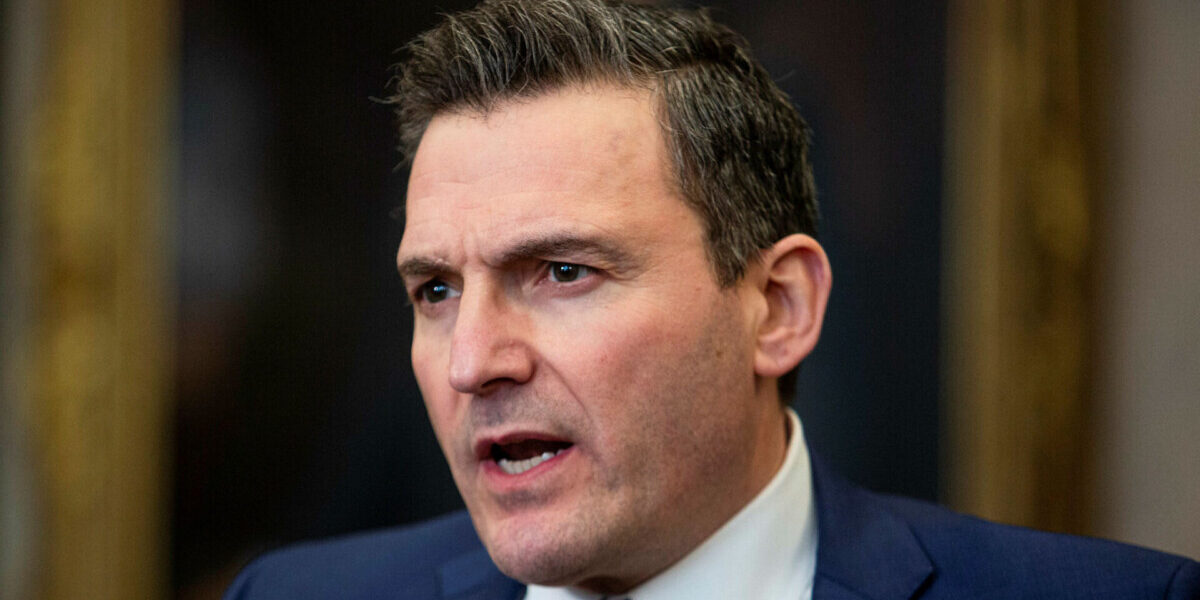
A total import ban by the U.S. on specific Canadian products will take effect on Sept. 29, as a response to Canadian dollar-for-dollar counter tariffs.
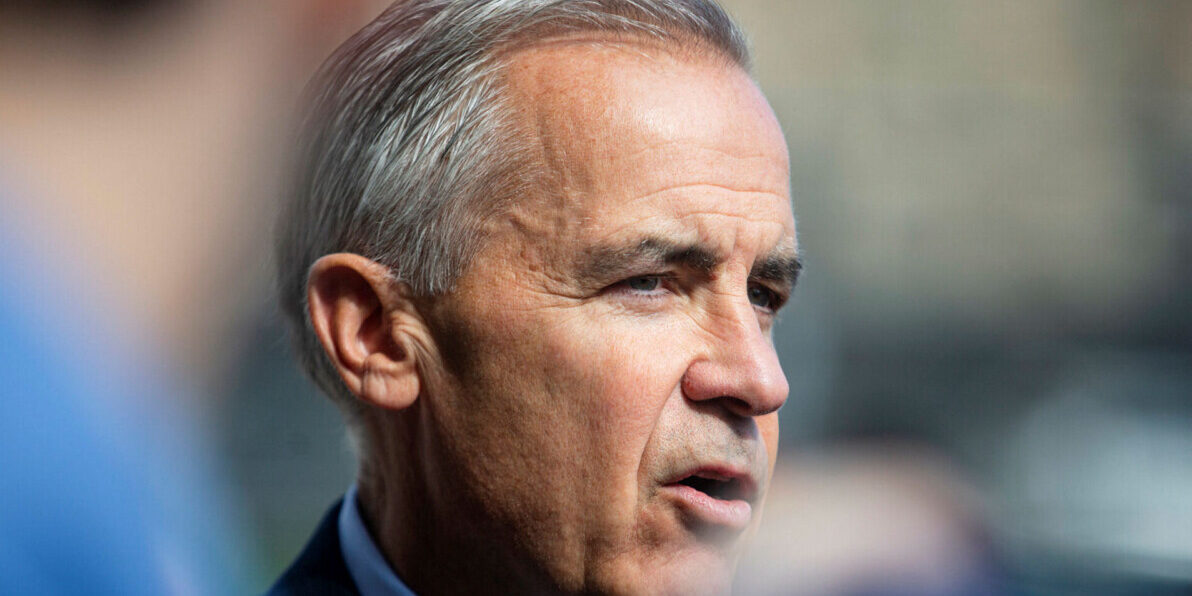
CFIB CEO Dan Kelly says the trade war has triggered memories of the pandemic. ‘There are some parallels here in that it’s a sudden emergency … and nobody’s expecting it’s going to go away in the very short-term.’
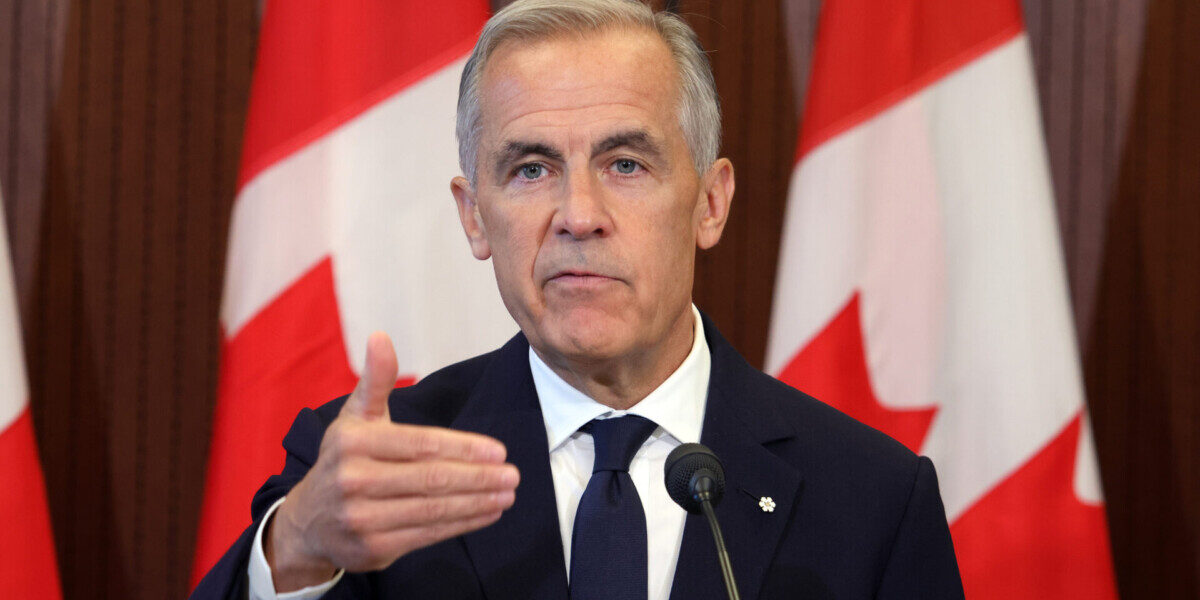
‘For a lot of charities, there isn’t a GR team lobbying every day…it’s infrequent engaging with government, and that is something that we think should be continued,’ says Imagine Canada VP Jodene Baker.
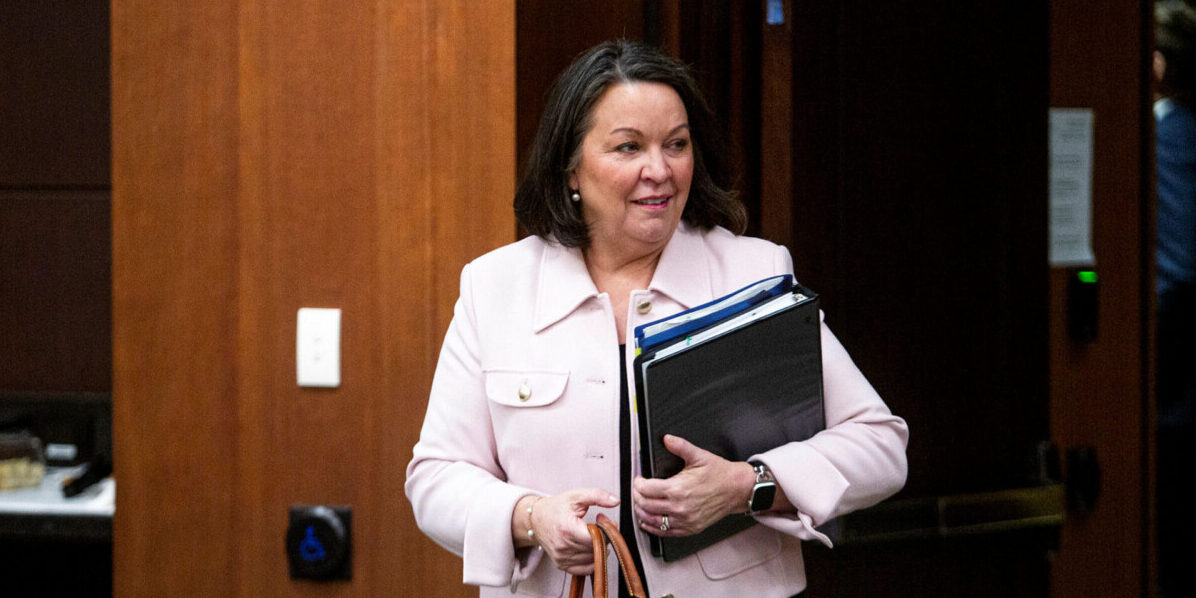
If AI superintelligence were developed anywhere on Earth, ‘Canada’s sovereignty would be stripped away,’ says Samuel Buteau, a consulting program officer for ControlAI.
Access to government is a legitimate privilege of democratic advocacy, but it should never become leverage over journalists.

Several proposals could impose significant costs on democratic participation without delivering corresponding public benefits.

Transport Canada certification has ‘got to keep pace with the new technologies that are coming forward,’ including drones and autonomous aircraft, says Mike Mueller, president and CEO of Aerospace Industries Association of Canada.

The advocacy blitz came after the CRTC announced in May that large streaming firms would be required to earmark 15 per cent of Canadian revenues to help fund domestic cultural programming. The government has since retreated on that policy.

There is ‘significant bleeding from the small business community across Canada’ that has been underway for more than a year, says CFIB CEO Dan Kelly.
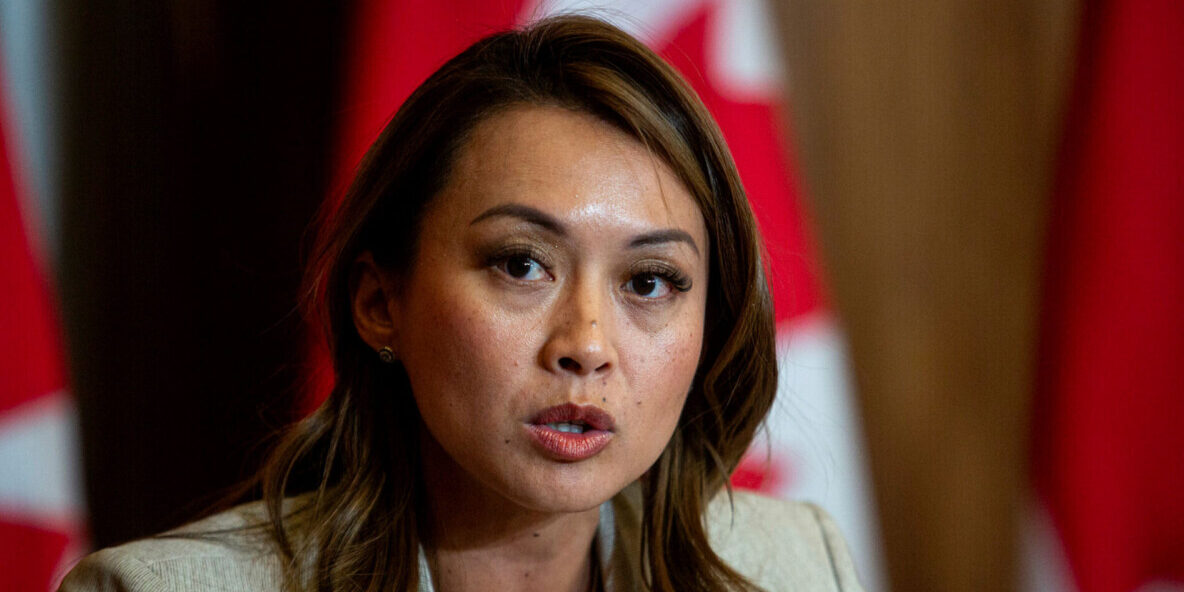
Both groups lauded the introduction of Bill S-5, which requires that digital health data be shareable across different technology systems, this past winter. CMA past president Dr. Margot Burnell says her organization has been lobbying for this type of legislation for decades.
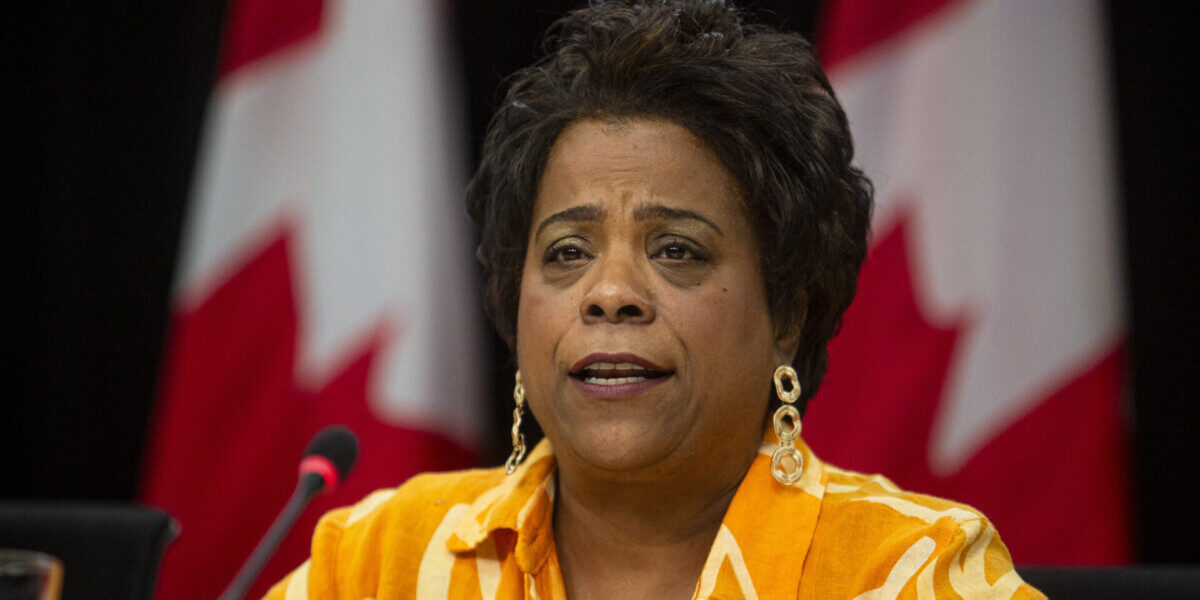
The concern here is not necessarily about views expressed by people like Tobias Lütke, but rather how much power they have to turn those views into public policy.

Changes implemented the bill include making federal parties to submit privacy policies to the Canada’s Chief Electoral Office, but critics are argue there are still no meaningful restrictions on what the parties can do with the data they gather.

Fresh fruit and vegetable exports are currently safe from the 50-per-cent tariffs that U.S. President Donald Trump announced on July 20, although goods that are subject to the tariffs include alcohol, dairy products, paper, furniture, and many others.

A Senate committee and the Red Chamber approved changes to the ethics code and guidelines only weeks before Prime Minister Mark Carney announced four new Senators, two of whom are partisan figures.

When too much funding flows to civil society, it blurs the line between the state and civil society, eroding public trust in our non-governmental institutions.

Finance Minister François-Philippe Champagne announced on June 3 that measures to protect the domestic steel and aluminum industries would be extended to June 2027.
