

The new Canada Greener Homes Affordability Programprovides much-needed assistance to low-income households, but its $800-million budget allocation won’t go very far toward the one million homes target.
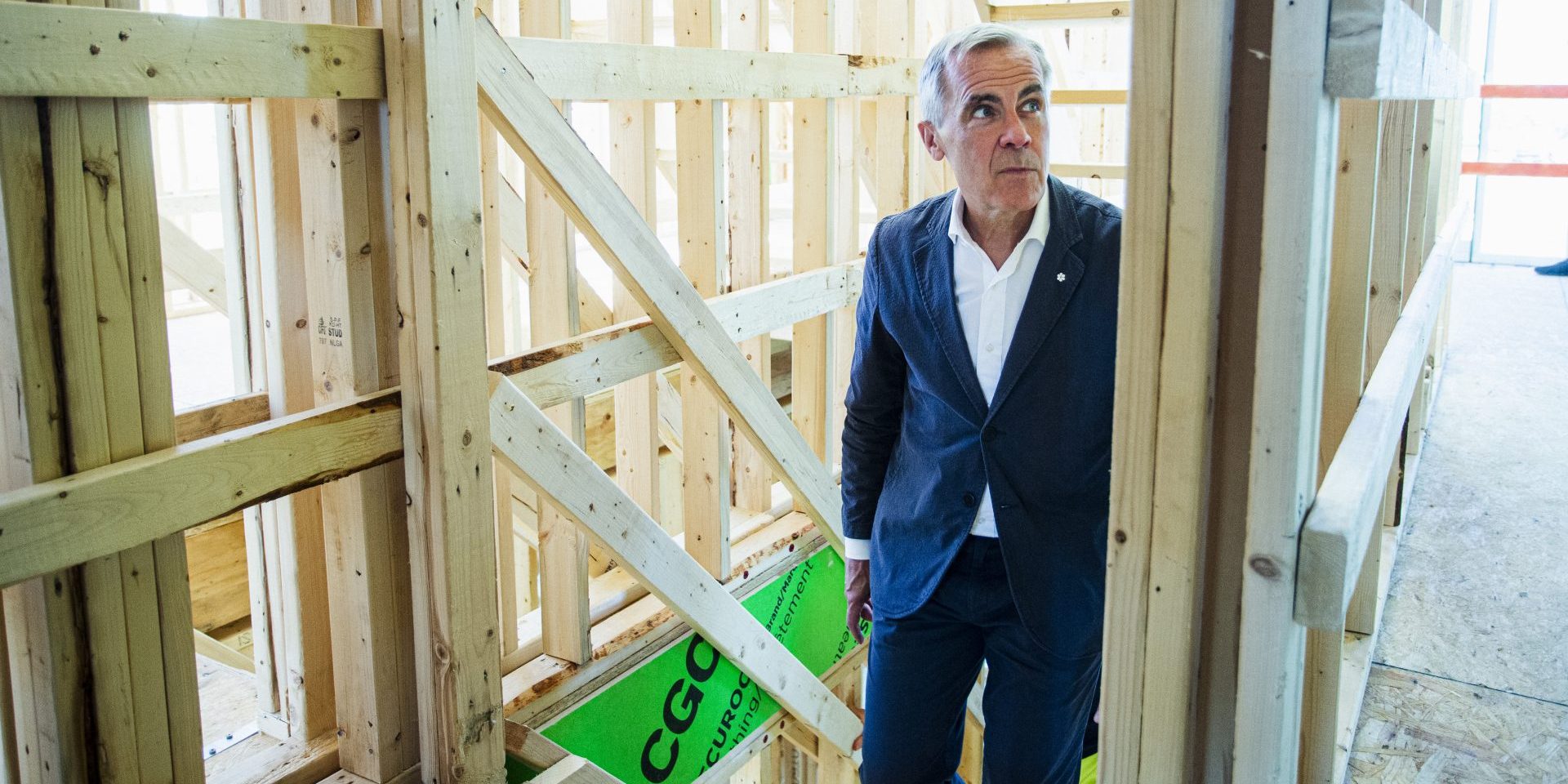
It is a false economy to allow new homes to be built cheaply only to subject residents to costly energy bills, no protection from heat and smoke, and the prospect of no insurance.

Reducing unsold inventory while expanding affordable housing is an idea with genuine promise. The nagging question is whether the government can execute it in the public interest.

If housing is at least twice as expensive as it should be, there are only two short-term solutions: low incomes need to double, or home costs need to be cut in half.

Continued focus on project viability will be essential to ensuring that progress translates into the supply needed to improve affordability.

‘It’s easier to prevent homelessness through preventative measures than to help someone get off the streets,’ says Liberal MP Natilien Joseph, who suggested the study.

The federal and Ontario governments have pledged a combined $8.8-billion over a decade, but said some of the falling revenues from cuts to development charges must be funded by the municipalities.

Three steps can signal the federal government is serious about homeownership affordability: expand GST relief to all new homebuyers, work with provinces and municipalities to reduce development charges, and fix the mortgage stress test.

What we see across the country is still a crisis, yes, but it is a crisis that Indigenous communities are now meeting head on, writes John Gordon.

It’s a lot to ask of the populations of three territories to help protect an entire country through the use of their land if they don’t have reasonable access to electricity, housing, and publicly-funded health care in Canada.

Would-be first-time buyers are stuck between choosing ‘too small’ or ‘too expensive.’ A vibrant housing system needs to include options and opportunity across its entire continuum.

An Affordable Housing Gifts program would remove barriers to companies and individuals looking to donate land to qualified Community Land Trusts.

We can meet housing challenges, but only if every order of government and other key stakeholders work together with purpose and urgency.

BCH’s planned 4,000 units over six sites is a good start, but falls well short of what’s needed.

When the primary goal becomes building as many units as possible, as quickly as possible, the needs and rights of marginalized communities can be overlooked.

Misalignment between federal, provincial, and municipal requirements causes delays that compound costs year after year.

Housing is deeply interconnected with health outcomes, community safety, and economic participation.

It’s time for a renewed national strategy that treats housing as essential infrastructure for health and well-being, and invests at scale in community housing.

It’s time to bring Canada’s housing policy out of the past so we can begin to address the urgent needs of today.
The choices Canada makes now will shape both its housing market and its emissions profile for a generation.

An occupational therapy review of standardized modular templates could ensure that every unit built from those plans meets basic functional accessibility standards.

The residential construction sector can’t use new technologies like modular housing while operating in a fragmented, constantly shifting regulatory environment.

Canada’s housing crisis did not emerge overnight, and it will not be solved by any single initiative.

Canada is still nowhere near the level needed to make housing affordable for the middle class, and despite Robertson’s municipal bonafides, the federal plan is still not well defined, say observers and critics.

Treating the housing crisis as singular supply issue risks missing both the problem and the solution.
