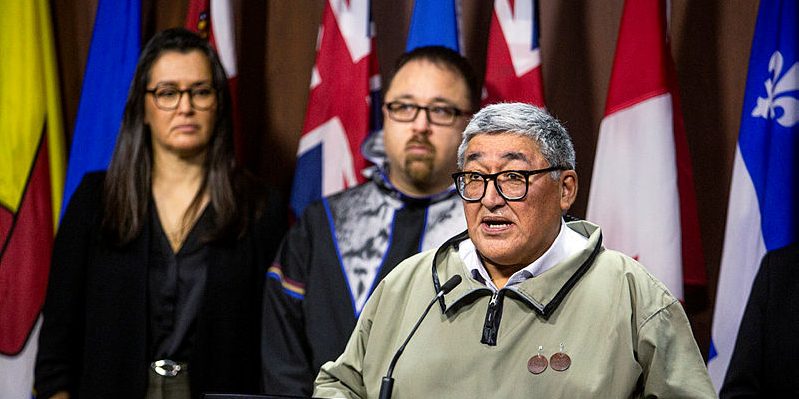
There’s ‘inherent risk’ in operating in the North, and the fixed-price contracting approach favoured by the feds ‘tries to pretend that that risk isn’t there,’ says adviser Jake Kennedy.
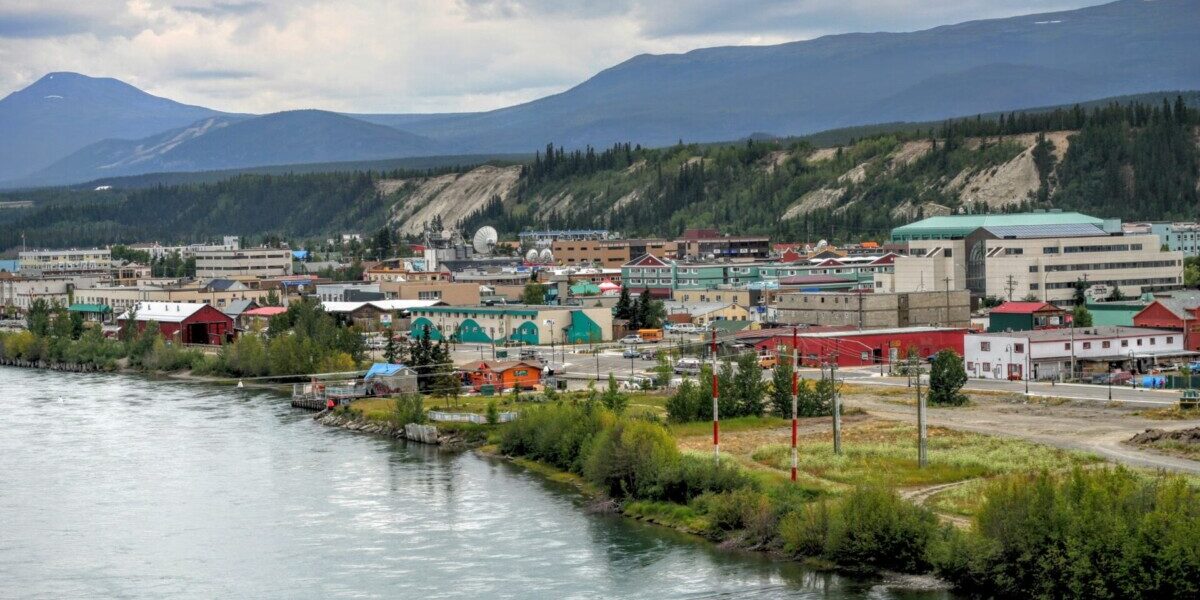
Whitehorse sits atop a promising geothermal resource—maybe one of Canada’s best, and developing geothermal energy would strengthen this country’s national security by strengthening relations with Arctic allies.
In the context of trade routes, mineral exploration, and U.S. President Donald Trump’s constant threats to annex both Canada and Greenland, the North is the key area of focus for our preparations.

To date, an anti-Ottawa political perspective has transformed into an anti-Canada movement. Those of us who love this country need to understand that survival is not guaranteed. If we are not willing to fight hard for the survival of our country, Canada could be lost.

A third-party review of the food affordability program for northern and remote communities was due on March 31. Over a month later, Ottawa is still waiting. Northern Affairs Minister Rebecca Chartrand says she has her own data to guide future action.

In the past, the Senate of Canada had a special committee on the Arctic, which should be reinstated.

The federal government has emphasized the need to build more, and build faster. Integrating climate considerations into these investments will help ensure communities are prepared for what’s ahead.

Those who operate in northern supply chains see firsthand the structural realities that drive high food costs.

The emphasis on infrastructure is central to that shift. Ports, airstrips, and telecommunications are economic assets—and the backbone of our security and legal credibility in the region.

It would seem that our government understands the depth of the crisis, as do, perhaps, most political parties, but not necessarily the Canadian public.

With pressures from outside threats to our Arctic sovereignty from Russia, China, and the United States, as well as worries about the disappearance of polar bears and other impacts from climate change, we can now see that we must become an Arctic nation.

Despite being thousands of kilometres from Quebec, the territory’s francophone community is meeting the challenge of building a bilingual society.

Education in the North not only keeps people in their communities and takes advantage of local and traditional knowledge, but also drives investment in infrastructure.

The Canadian Army is looking to buy up to 170 Domestic Arctic Mobility Enhancement vehicles, but we’ve been down this road before.

The Yukon, Northwest Territories, and Nunavut premiers were recently in Ottawa to discuss the need for funding for housing, electricity, and transportation infrastructure as the federal government works to ramp up its security presence.

It’s a lot to ask of the populations of three territories to help protect an entire country through the use of their land if they don’t have reasonable access to electricity, housing, and publicly-funded health care in Canada.

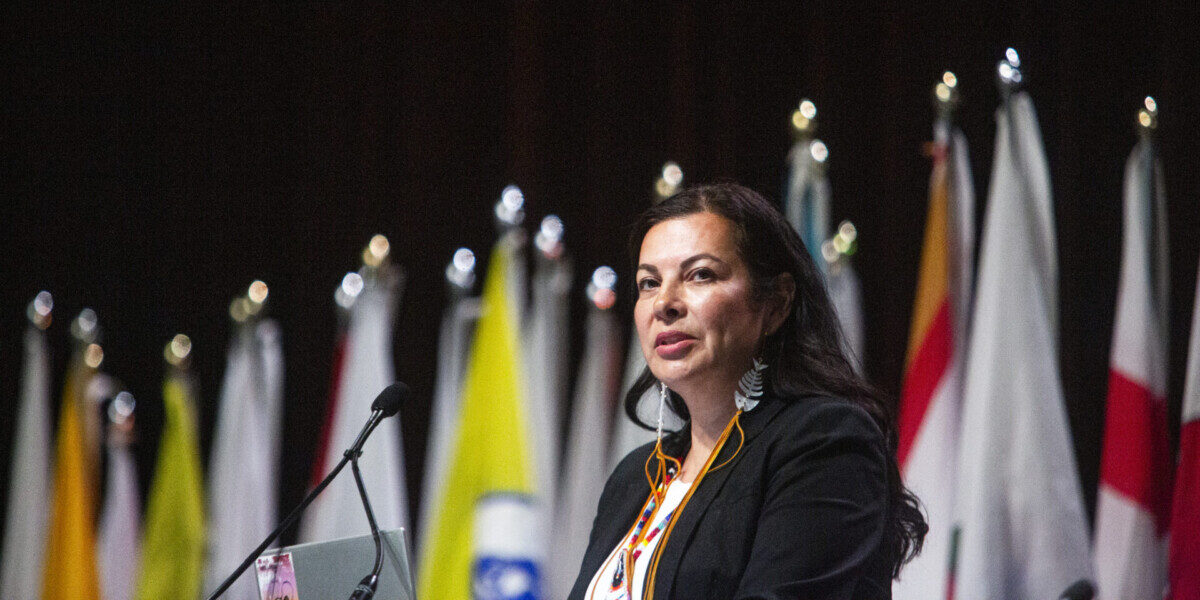
A credible Arctic security strategy must be rooted in Akuqtujuuk—the twin stars that rise together and signal hope. For Canada, those stars are sovereignty and Indigenous leadership.

Two recent surveys find that a significant portion of Canadians do not have access to a primary care provider as governments across Canada attempt to tackle the long-time health human resources shortage.
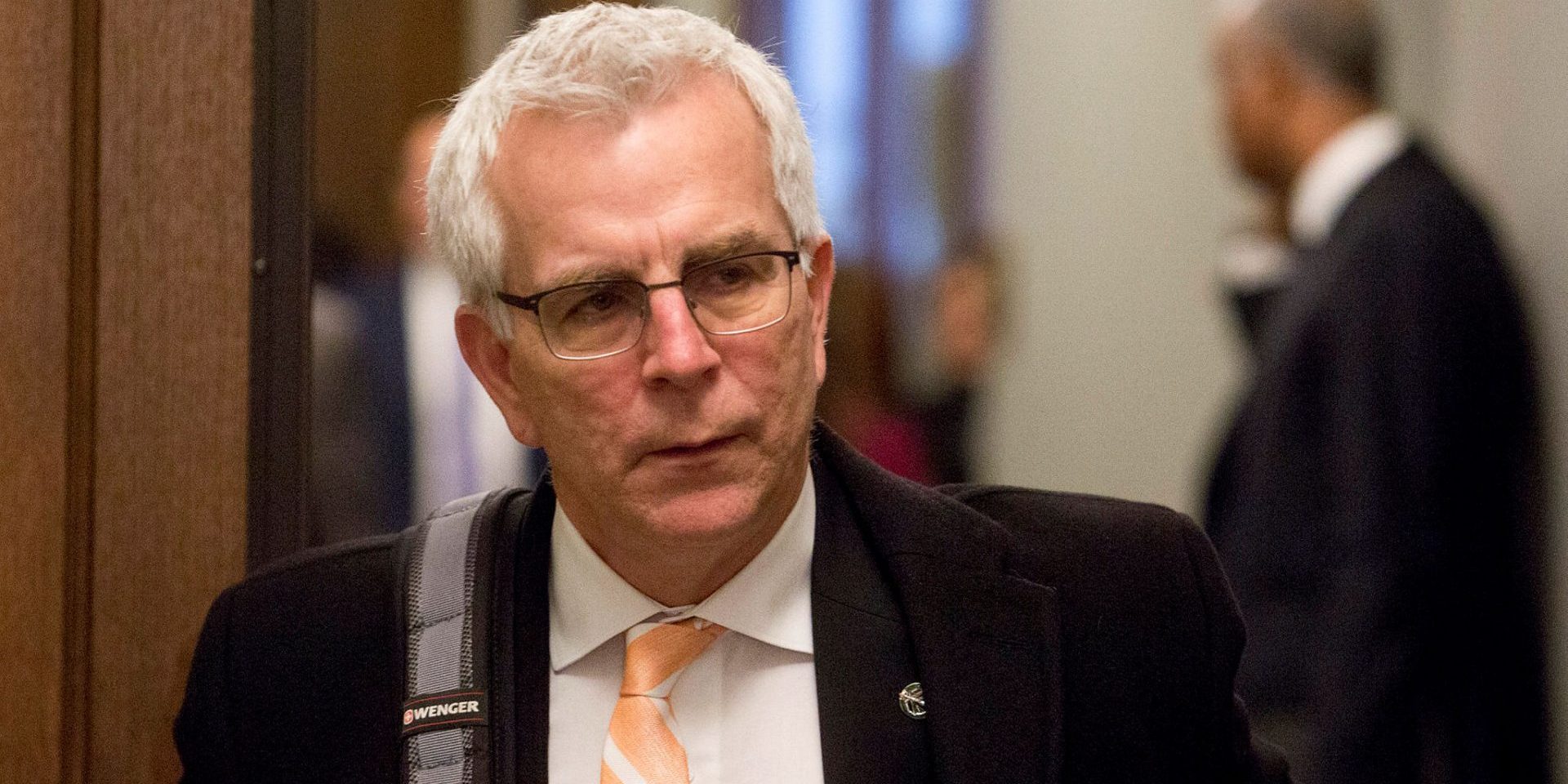
The boost in defence spending won’t amount to much without first ensuring Inuit prosperity, which is key to Canadian authority in the Arctic.

The Arctic is warming three times faster than the rest of Canada, and that affects everything from permafrost stability to polar bear habitat. Inuit knowledge, passed down for generations, helps us understand these changes and adapt.
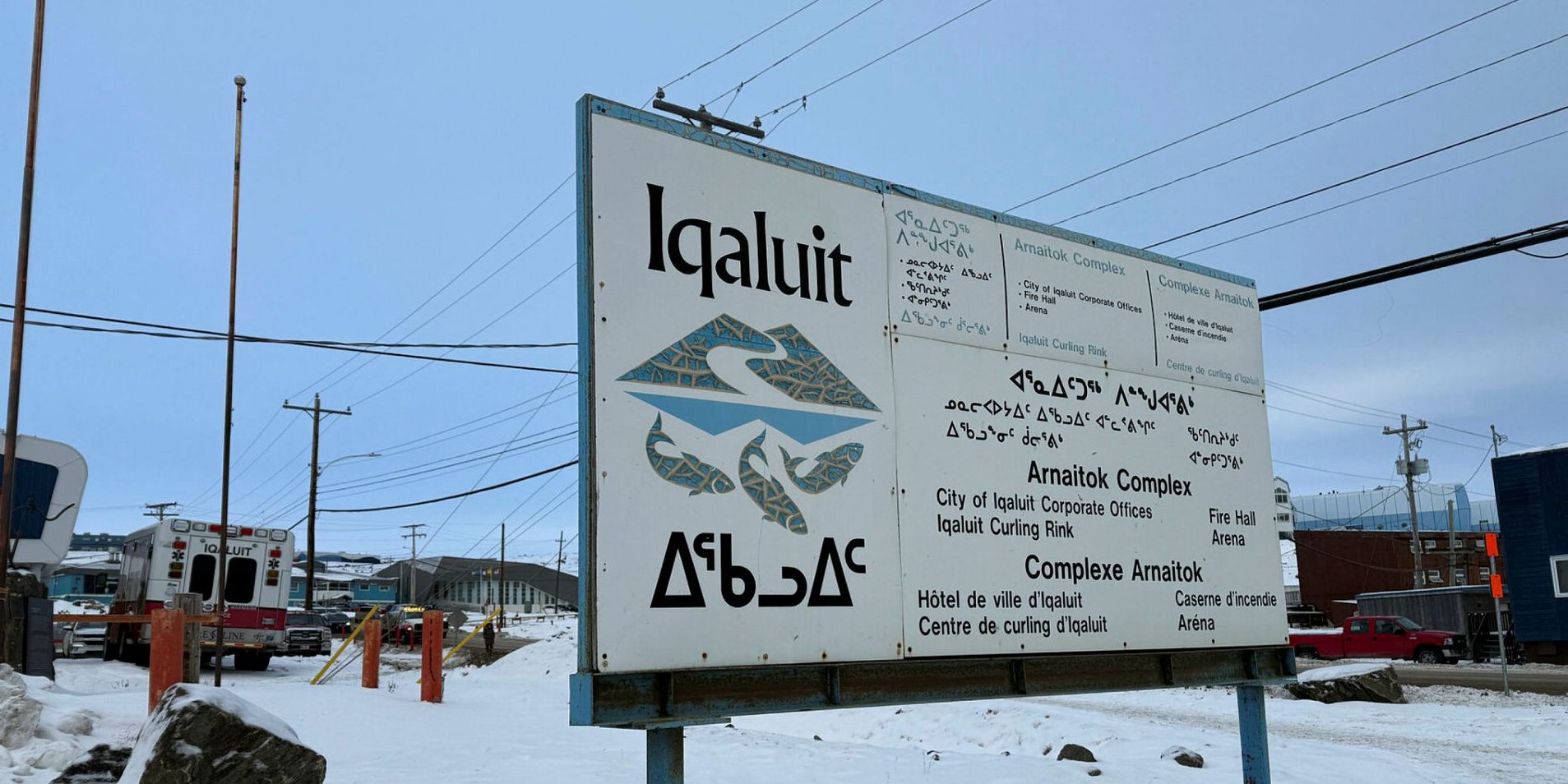
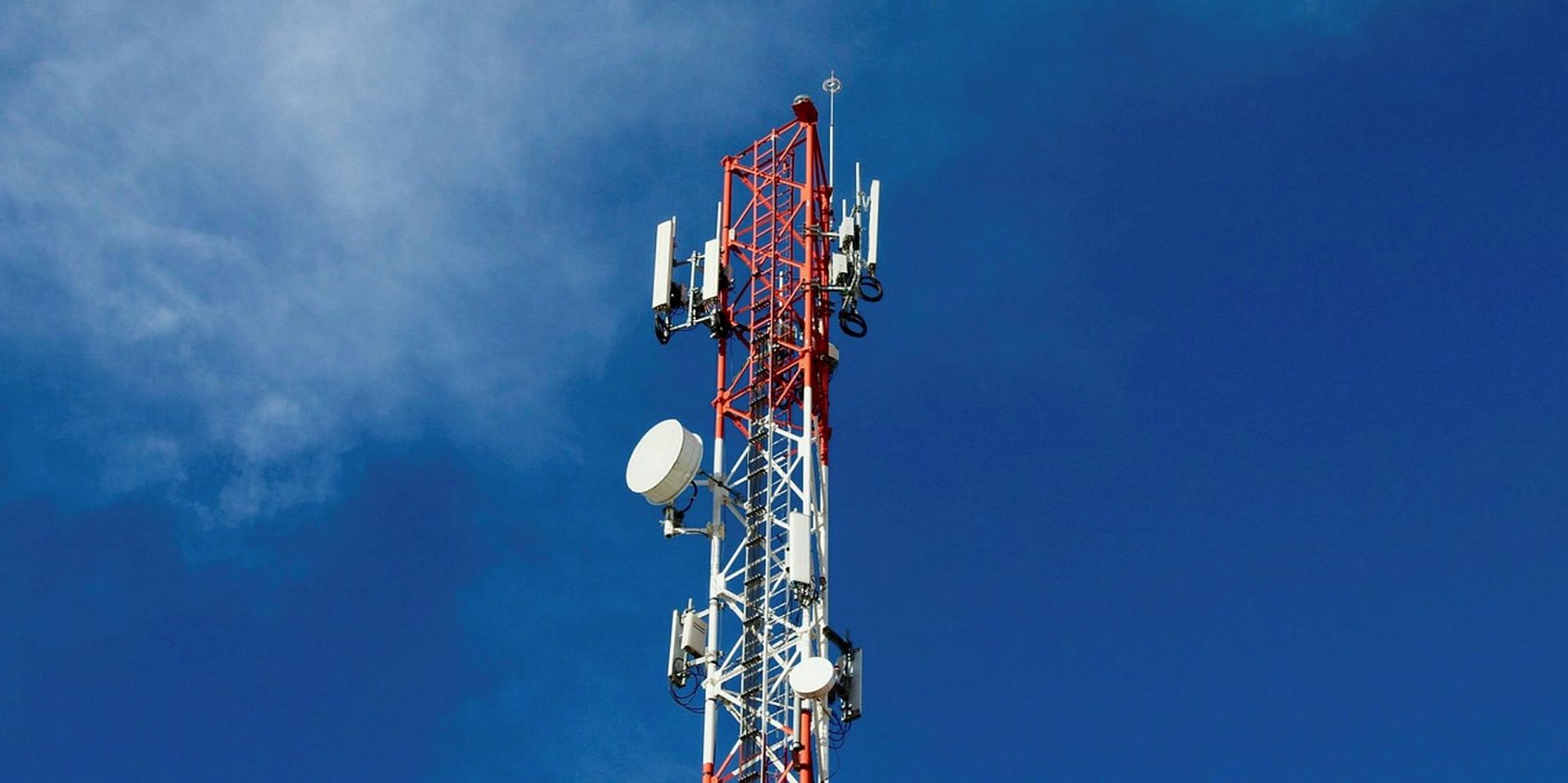
Northern Canada depends almost entirely on a handful of satellite providers. Satellites are vulnerable to jamming, cyberattacks, congestion, and foreign interference.
Pierre Leblanc, a retired colonel and former commander of the Canadian Forces in the Arctic, says $1-billion won’t be near enough.
The Canadian North should not have to stand in line, lobbying for support for a handful of small projects.
To keep the Arctic sovereign and keep up with the national defence, Canada must invest in the people of the Arctic.