Stephanie Carvin and Amarnath Amarasingam say the COVID-19 pandemic unified a fragmented movement ‘that could easily snap back together’ under the right environment.

The auditor general joined The Hot Room to discuss her March 2023 report digging into government efforts to scrap the problem-plagued Phoenix pay system and replace it with Dayforce, at a minimum preliminary cost of $4.2-billion.

The spectacle of human achievement crushed into a tiny device, possessed of its own intelligence, resonates with something we are all experiencing—a sense that as we augment humanity, we may, at the same time, have come to marginalize actual humans.

The good news is we’ve faced challenges equally grave, and met them. We overcame past threats of annexation and invasion from the United States. We came to the brink of breaking up during two referenda on Quebec succession and survived. What we had then, and desperately need now, is a sense of purpose. We have let too many things drift for too long, so that today we face a crisis of crises.

There has been no attempt through the negotiated self-government agreements to remove self-governing nations from a sovereign Canada. Self-government is about Indigenous Nations having more control over their lives and livelihoods, not about separating from Canada.

We believe deeply in Canada’s enormous potential and in the role of government in helping to shape our future. To achieve that potential, we also believe that pivotal changes in how government works are needed to put us back on a path to long-run prosperity.

For immigration’s positives to outweigh the negatives, and for voters to believe it, care must be taken and details must be sweated. Canada’s answers were never perfect, but for a long time, it did immigration better than most. Why was the Canadian way of immigration abandoned? And how can we get it back, and even improve on it?

Kevin Lynch and Jim Mitchell co-authored A New Blueprint for Government: Reshaping Power, the PMO and the Public Service, which is shortlisted for the prestigious 2025 Donner Prize.

In a wide-ranging interview with The Hill Times, Frank McKenna talks about paying it forward in challenging times, his passion for public policy, and how he’s not likely to advise the prime minister any time soon.

The former NDP MP and current World Wildlife Fund Canada president weighs in on the government’s new plan to conserve land and water, and the sluggish progress towards Canada’s target of protecting 30 per cent of both by 2030.

The annual Writers’ Trust fundraiser will bring politicians, diplomats, business leaders, and writers to the Château Laurier on April 29, where one of five finalists will take home the $40,000 Shaughnessy Cohen Prize for Political Writing.

The five nominated authors talk about their books shortlisted for the 2026 Shaughnessy Cohen Prize for the best political book of the year.
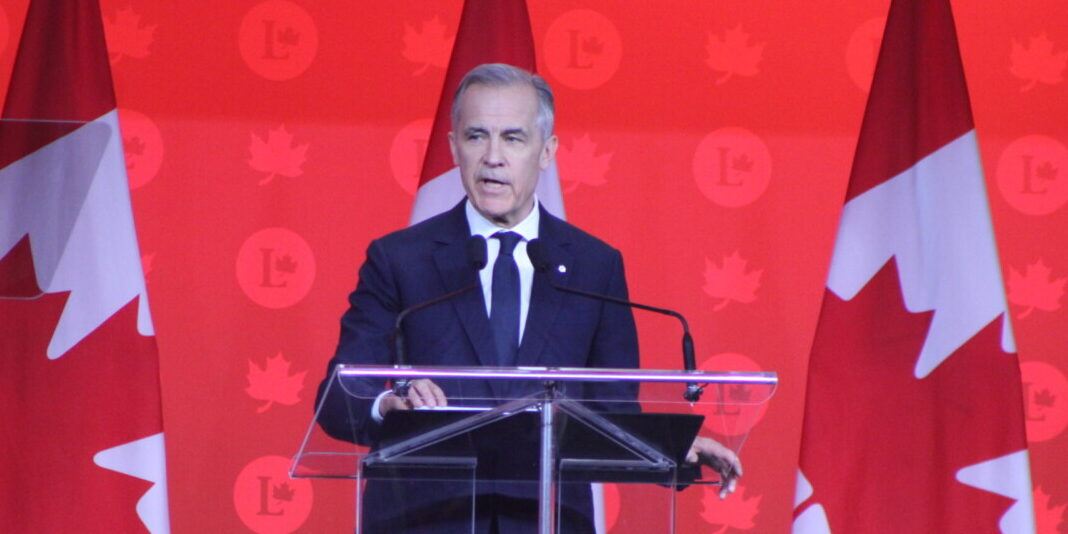
Sheila Copps joins The Hot Room to talk about the new Liberal majority government, questions about its legitimacy, and how it could change the dynamic on the Hill.
Mandatory byelections for floor-crossing MPs would be a ‘big, fat waste of time and money,’ says the political science professor in a recent episode of The Hot Room.

The Defence Industrial Strategy outlines a clear ‘ambition and intent,’ as well as efforts to ‘wean ourselves off of dependencies,’ particularly on the United States, says the former vice-chief of the defence staff.

On the eve of the unveiling of Stephen Harper’s official portrait, the artist who painted it opens up about his creative process, getting to know the former PM, and whom he’d like to paint next.

‘The most important discussion [for cabinet] is going to be around how they tackle the CUSMA challenge and also how they get these new markets going,’ said Sheila Copps.

‘For a cartoonist, when the world burns we are at our most successful,’ says Michael de Adder, who rounds up his top picks of political cartoons for The Hill Times.

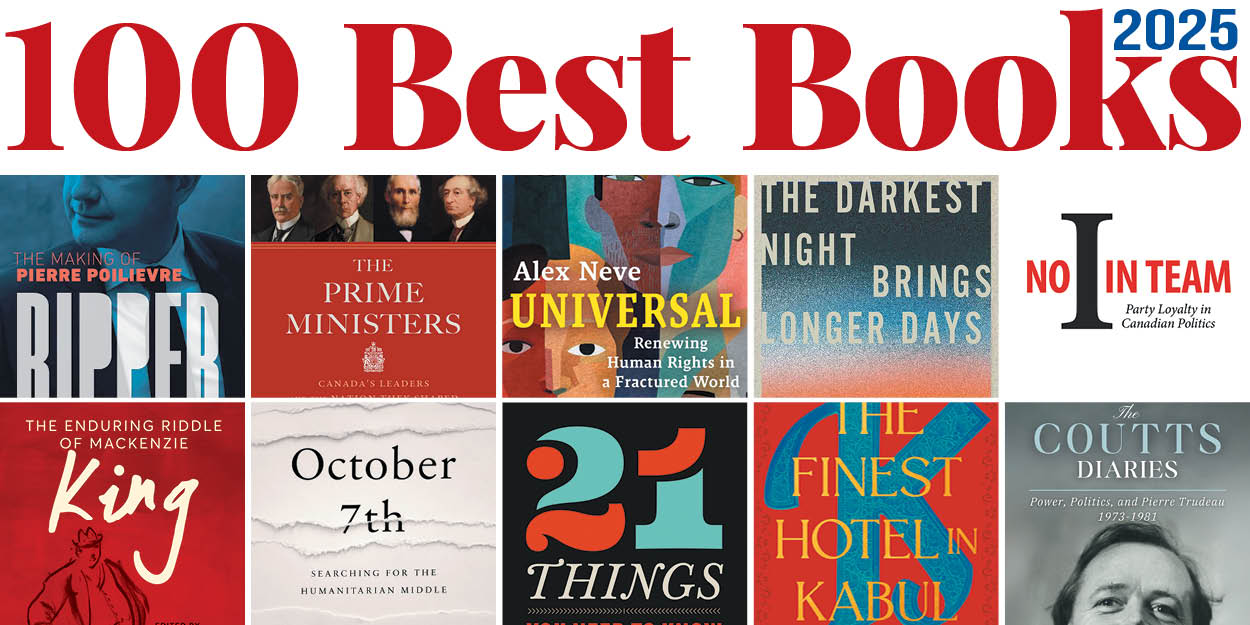
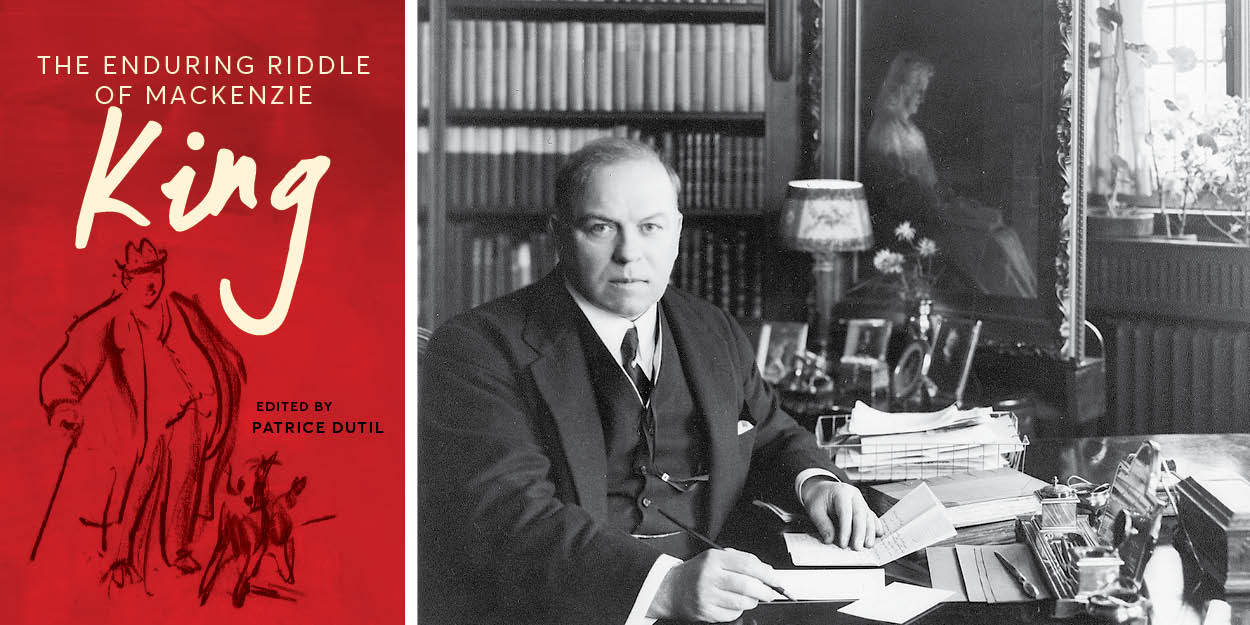
Editor Patrice Dutil’s collection of essays in ‘The Enduring Riddle of Mackenzie King’ dives into the former prime minister’s personality, relationship with society, and policies—and why Canadian politicians ‘need to re-learn King’s statecraft.’
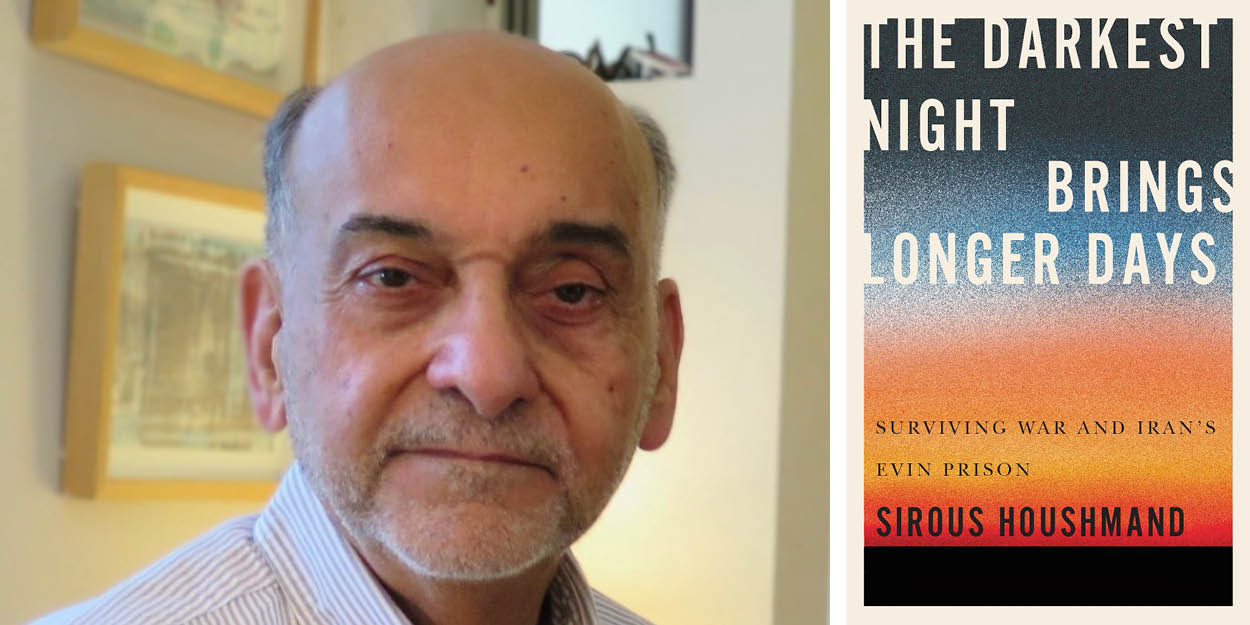
‘If you have a purpose, then you become resilient. Then you want to fight for something. But if you don’t have a purpose … I have seen people in isolation lose their mind because they just didn’t want to be there and didn’t know why they were there,’ says Sirous Houshmand, author of The Darkest Night Brings Longer Days.
In his book, 21 Things You Need to Know About Indigenous Self-Government, Bob Joseph breaks down many assumptions about the Indian Act and easily relating how this alternative can be used to circumvent this antiquated legislation.

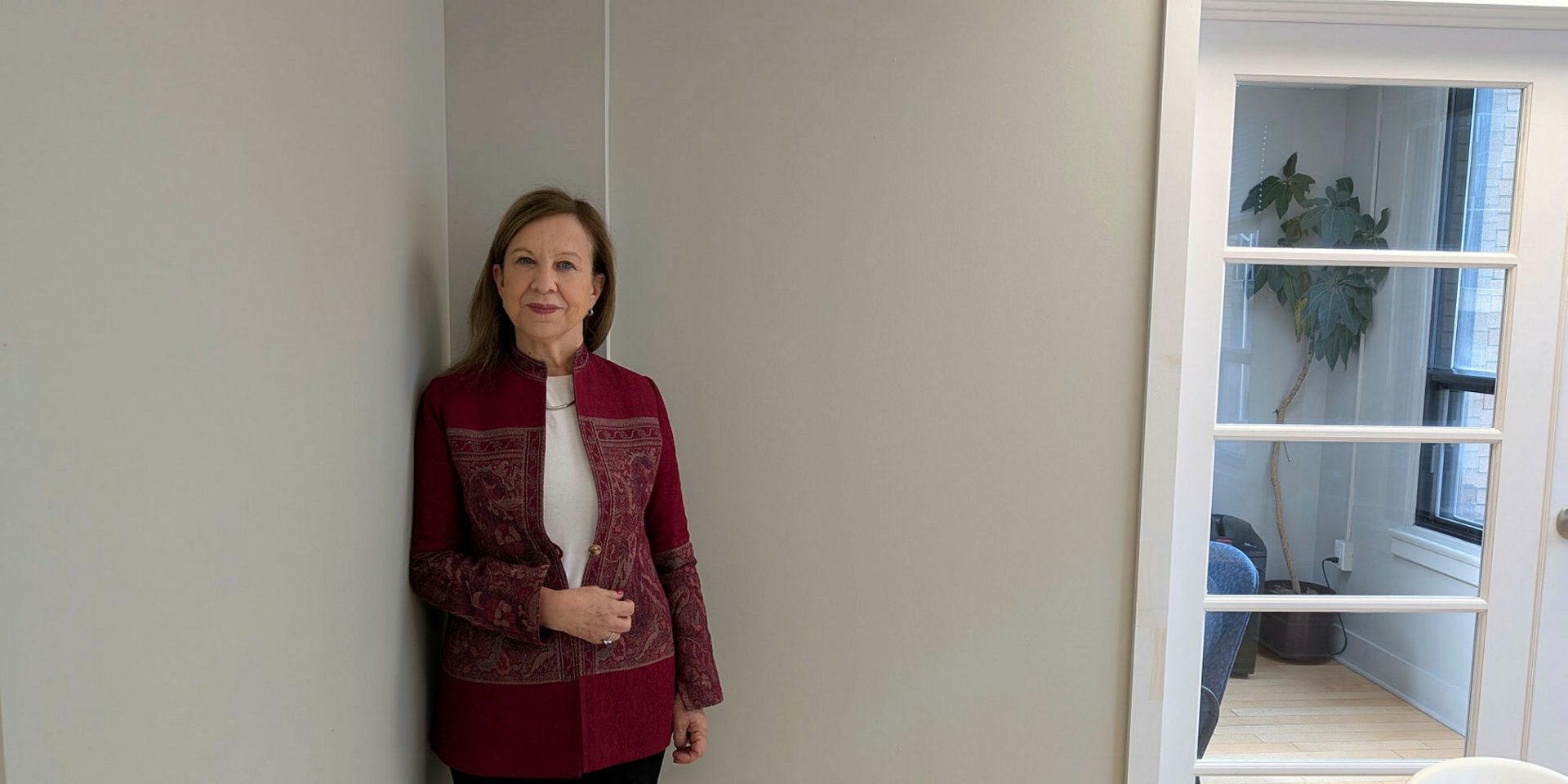
BBC News’ chief international correspondent Lyse Doucet’s book presents the stories of Afghans working in Kabul’s first luxury hotel throughout decades of war.
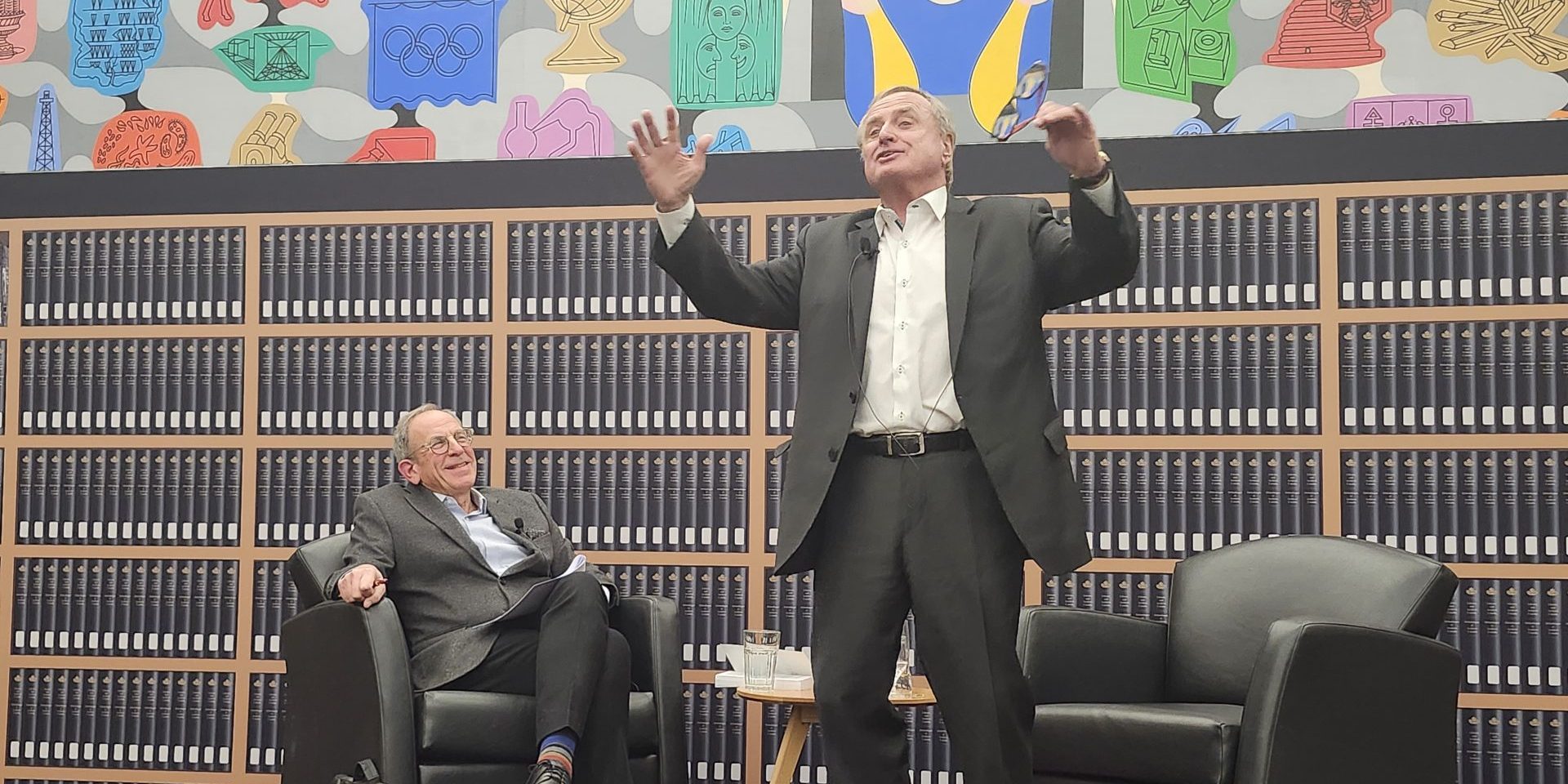
In his new book, Sergio Marchi recounts his time as a Hill staffer, alderman, opposition MP, cabinet minister, and ambassador.
This is a previously unseen view of Pierre Trudeau, one that is sure to alter your opinions of him. It is an unvarnished look inside the government that brought you wage and price controls, the Charter of Rights, and the National Energy Program. And it is a darkly moving account of the life of a senior political staffer.