

Canada is seeking deeper trade ties with Turkey, which has occupied an enclave in Cyprus for more than half a century.

Whatever deal is announced between Canada and Europe comes at an important moment ahead of the vote that could tip the balance of power enough to disrupt the U.S. president’s agenda.

Navigating an increasingly multipolar world requires Canada to create institutional ties that extend beyond the usual Euro-Atlantic sphere.

Ottawa should make changes to the European Union Deforestation-free Product Regulation a priority this fall, negotiating for a clear outcome that gives Canadian exporters predictability and protects low-risk supply chains from unnecessary burden.

It is time for leaders to answer to their earlier selves—not out of nostalgia, but because they once understood something essential: the climate emergency does not wait. Every decision that prolongs fossil dependence narrows the margin of manoeuvre available to future generations.
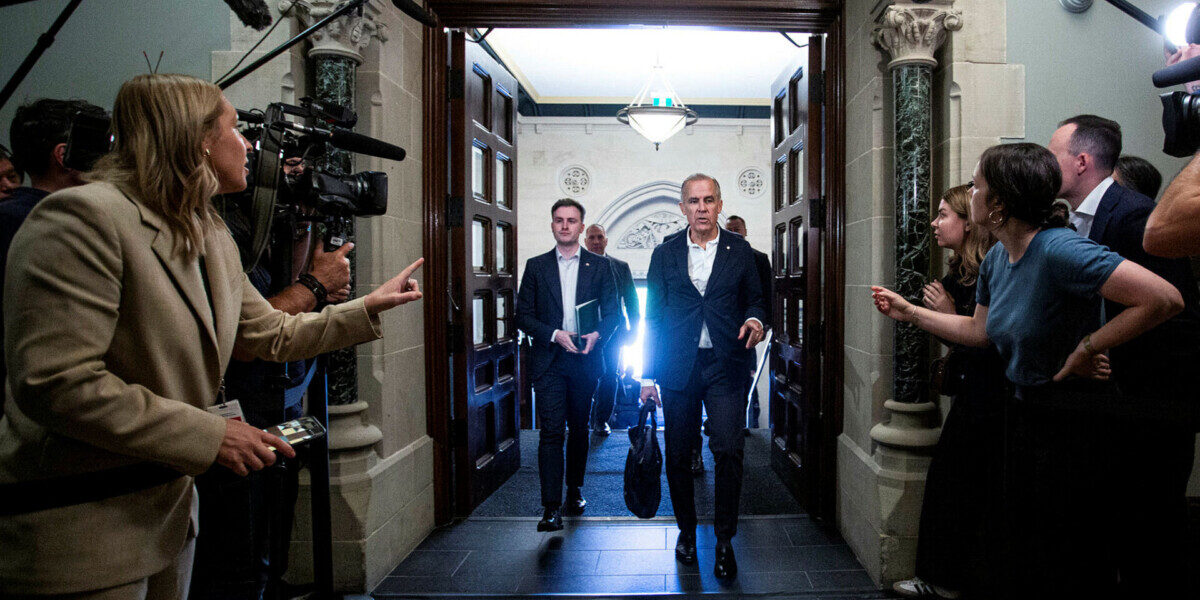
Neither the U.S.’s push nor the EU’s pull mean anything tangible to Canadian businesses yet, and it’s too soon to tell what domestic firms can gain from accelerated access to European markets, say experts.
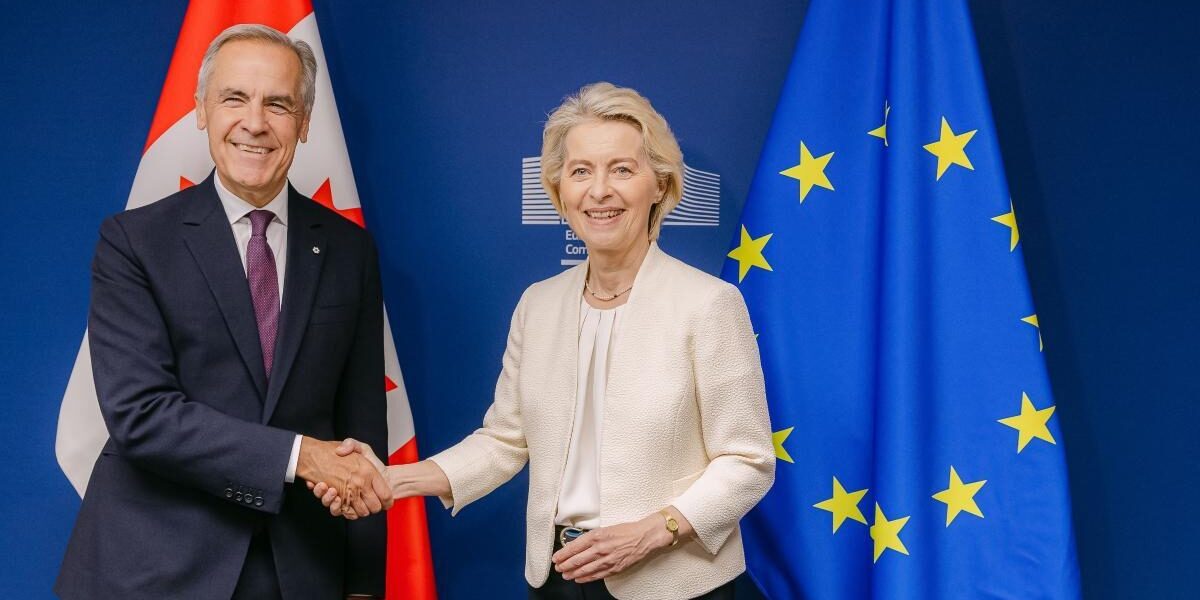
A note to Canadian to clarify misconceptions pertaining to the European Commission president’s invitation for Canada to have ‘associate European Union membership.’
The prime minister has the right personal qualities and experiences, but more importantly he governs the middle power most vulnerable to subjugation in the short run. Most Canadians realize this country’s peril may be existential.

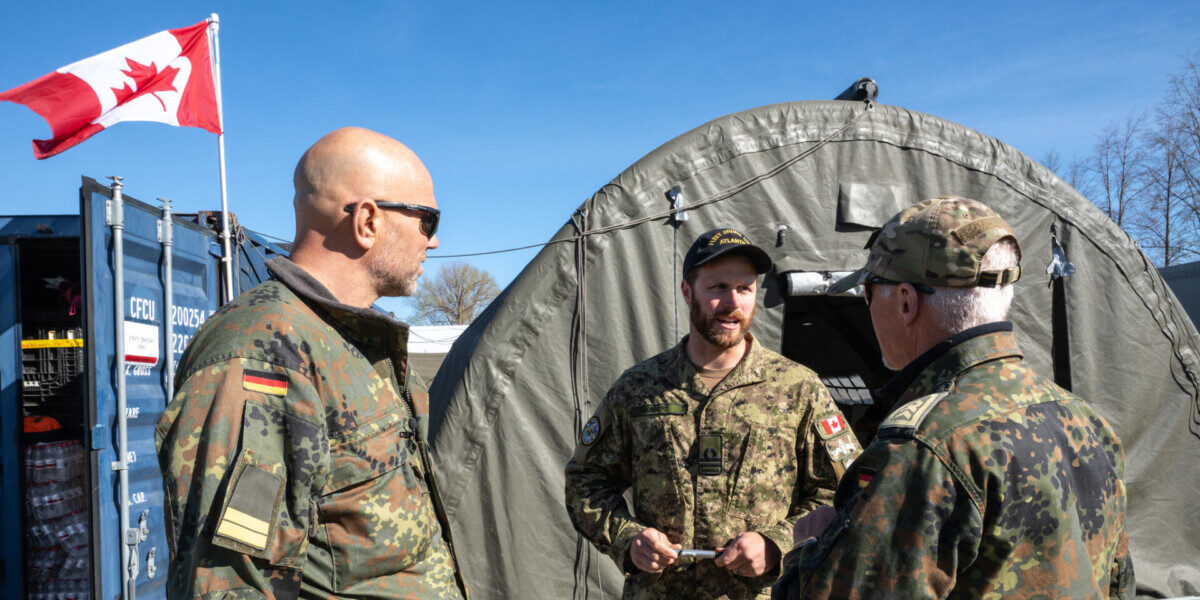
If the prime minister is serious, we should base one of the Army’s new divisions in a central European country on a permanent basis.
Some Canadian politicians are keen about closer ties to the 27-nation bloc, while others critiqued Prime Minister Mark Carney’s speech for lacking details on taxation, regulations, and the cost of pursuing ‘associate’ membership.
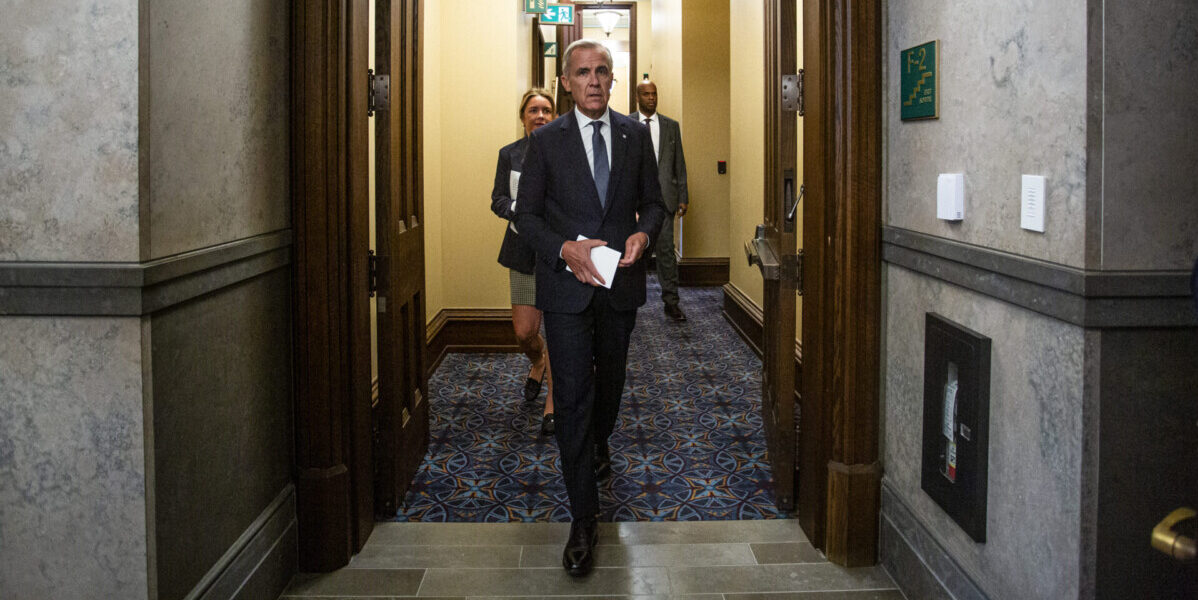
Closer ties with the EU can help us diversify our markets, strengthen our climate policies, and direct capital toward the technologies and infrastructure that will define the next economy.
‘We have to make sure that Canada is getting more than we’re getting now out of our relationship with Europe, and I’m not sure if that’s the case,’ says Conservative Senator David Wells, vice-president of the Canada-Europe Parliamentary Association.

Plus, foreign affairs ministers from Singapore and Kuwait visit Ottawa.
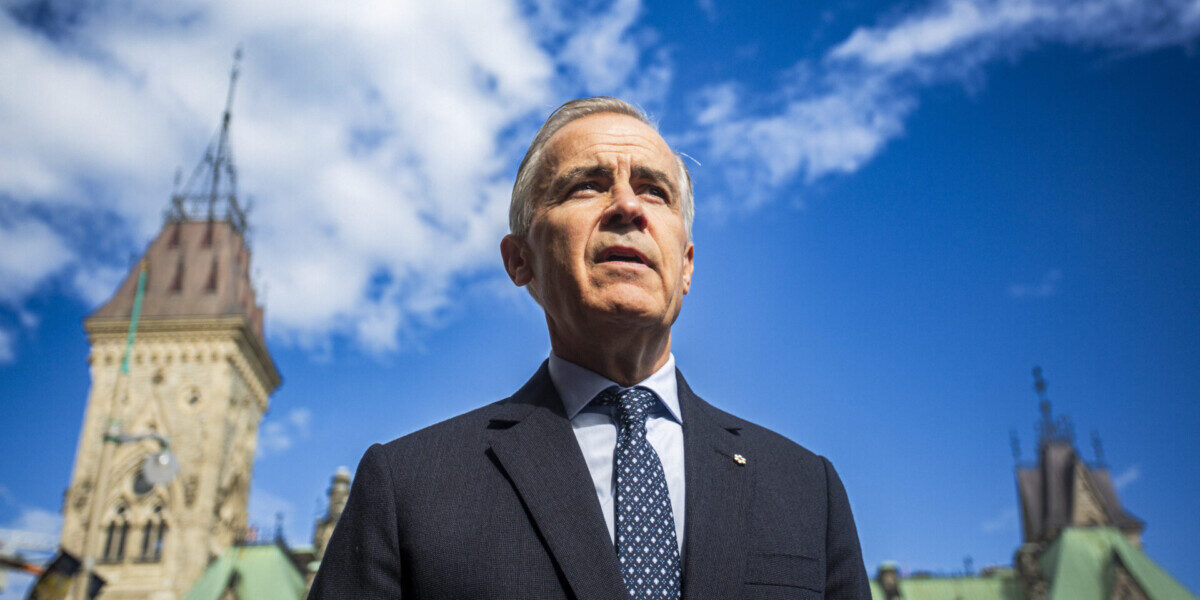
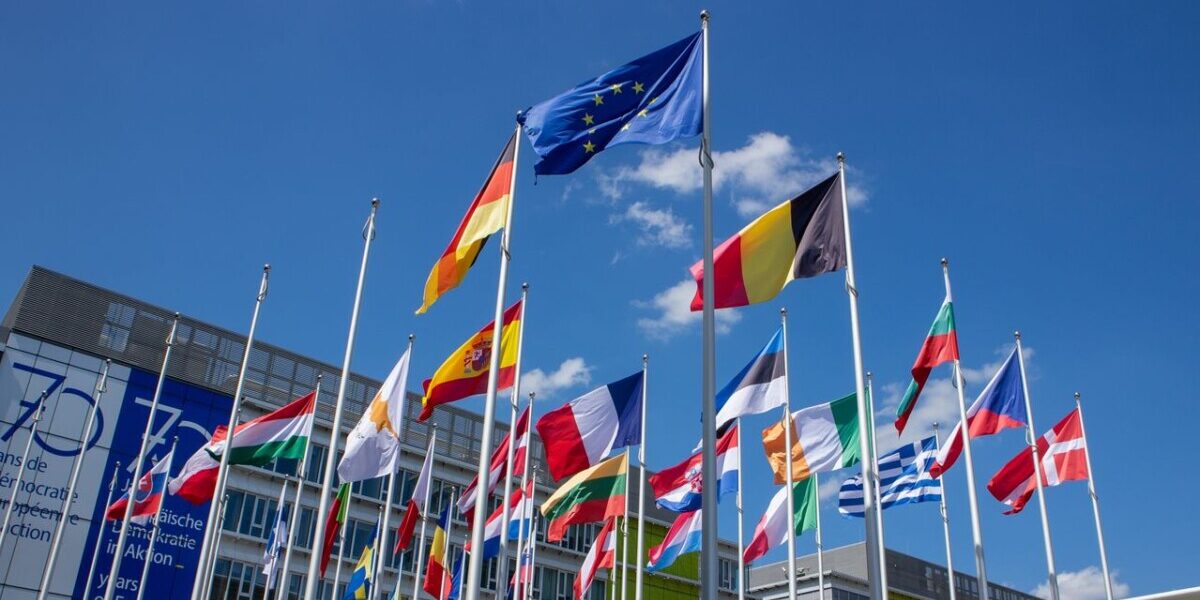
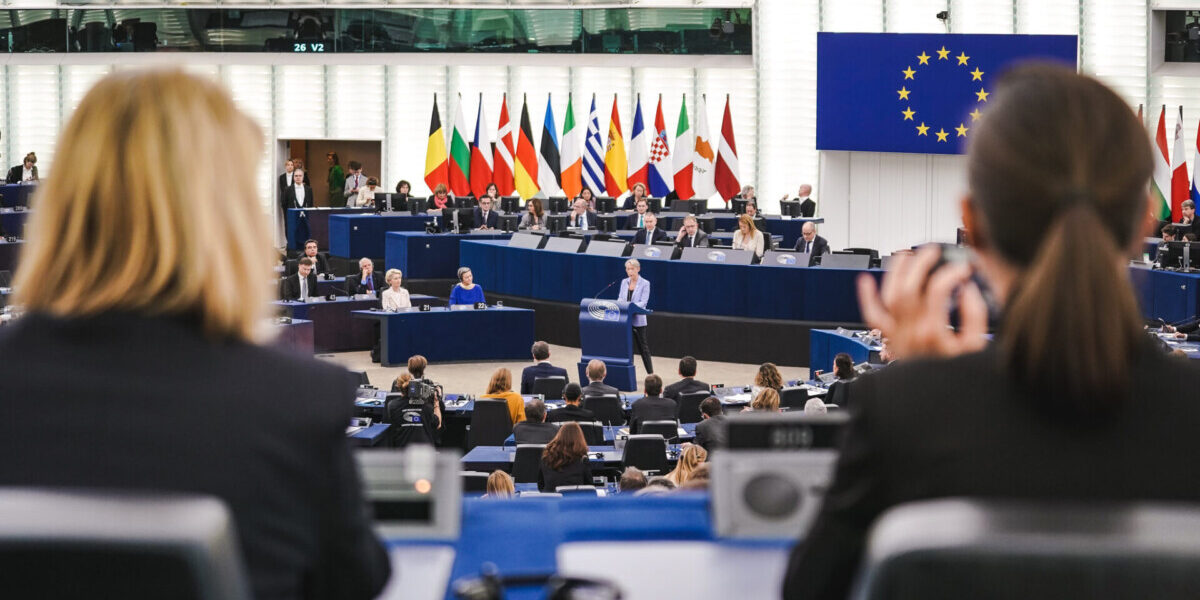
Although allies abroad are receptive to closer ties to this country, including announcing plans to open a European Parliament office in Ottawa, they’ve traditionally been fairly shy about saying or doing anything that might anger the American bear.
Plus, Peter Mazereeuw rounds up the final day of the investment summit.

European Union politicians have voted for a ‘digital minimum age’ of 16, and banning some addictive elements of social-media sites. As Ottawa contends with these concerns, one European politician says laws should also focus on regulating platforms.

Joining the bloc would undermine Canada’s global autonomy precisely at a moment when independence and flexibility are strategic assets. Ottawa must deepen its partnership with the EU without joining it, while continuing to build partnerships abroad as an independent middle power.

Ten of the European Union’s 27 member states have yet to ratify the free trade deal that was inked in 2017.

Connecting the European Union and the Indo-Pacific nations would put Prime Minister Mark Carney’s call for middle powers to work together into action.
