The prime minister’s response to Canada-U.S. tensions is a legitimate act of economic self-defence. But the crisis footing is doing double duty: it lets the Liberals obscure the fact that they are making policy choices with winners and losers.
Neither the U.S.’s push nor the EU’s pull mean anything tangible to Canadian businesses yet, and it’s too soon to tell what domestic firms can gain from accelerated access to European markets, say experts.
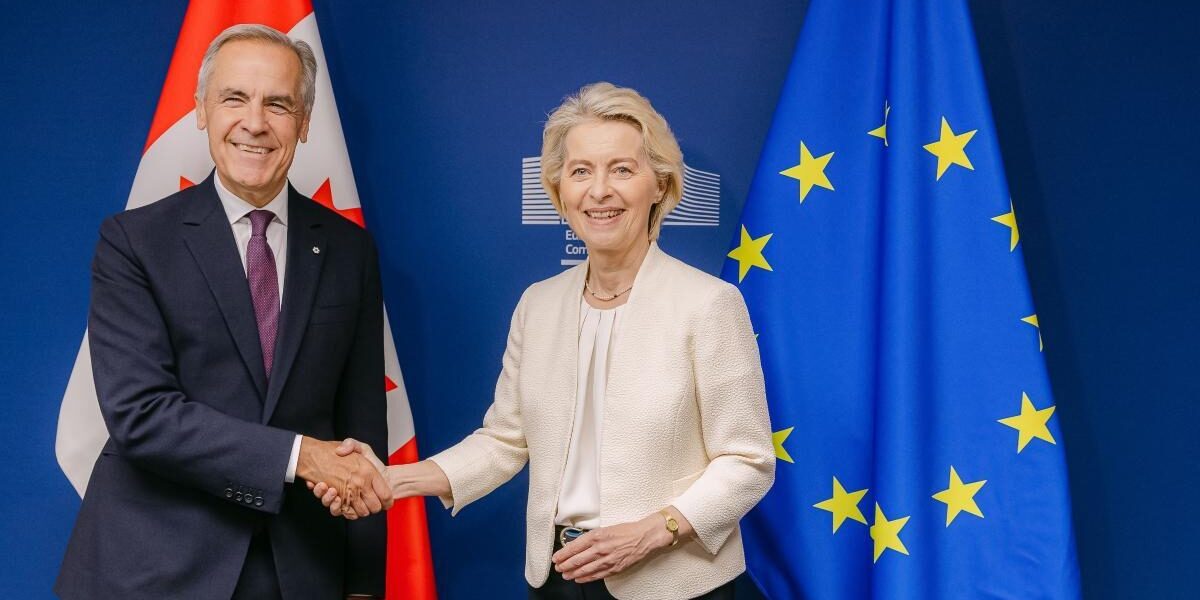
Since U.S. President Donald Trump returned to the White House, the European Union has largely chosen acceptance over aggression when dealing with the American leader.
Legitimacy and trust of Canadians in the country’s foreign policy is at the centre of the need to release a plan, say observers.
The prime minister has the right personal qualities and experiences, but more importantly he governs the middle power most vulnerable to subjugation in the short run. Most Canadians realize this country’s peril may be existential.

It is true that the citizens of this country care about the realities of putting food on their tables and a roof over their heads, but there is something even more important: Canadian sovereignty and love of country.
The success or failure of any potential trade deal with the U.S. will depend on the reaction of provincial premiers, especially Ontario and Quebec, says pollster Nik Nanos, who also says Mark Carney’s strategy right now is like Muhammad Ali’s ‘rope-a-dope’ boxing strategy: he’s absorbing pressure from Washington and will push back when the timing is right.
Worsened access to the U.S. market limits Canadian firms’ ability to scale up and strengthen productivity, making it more difficult to compete in markets around the world.
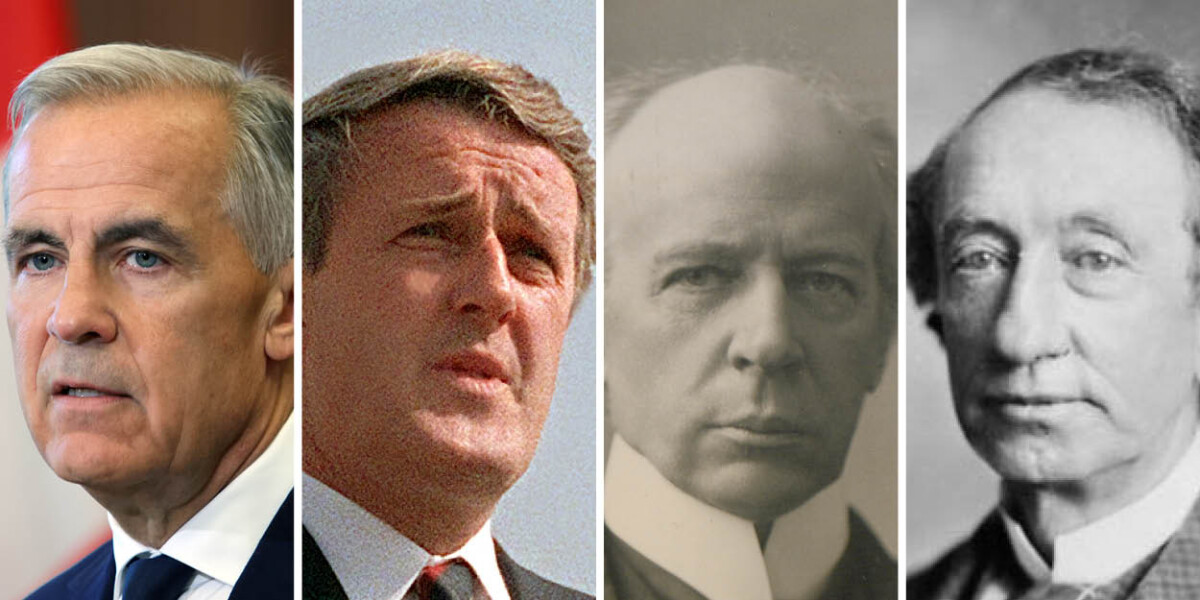
The challenge facing Canada is simply the latest chapter in a debate that stretches from former prime ministers Sir John A. Macdonald and Sir Wilfrid Laurier, to Brian Mulroney and now Prime Minister Mark Carney. The circumstances have changed. The underlying question has not.
Mark Carney’s Investment Summit was a good idea. It put Canada more squarely on the map for foreign investors who will now be watching to see how we proceed in our ‘Build Canada’ agenda. Consider the summit a first step. Much more must be done. But there is hope.
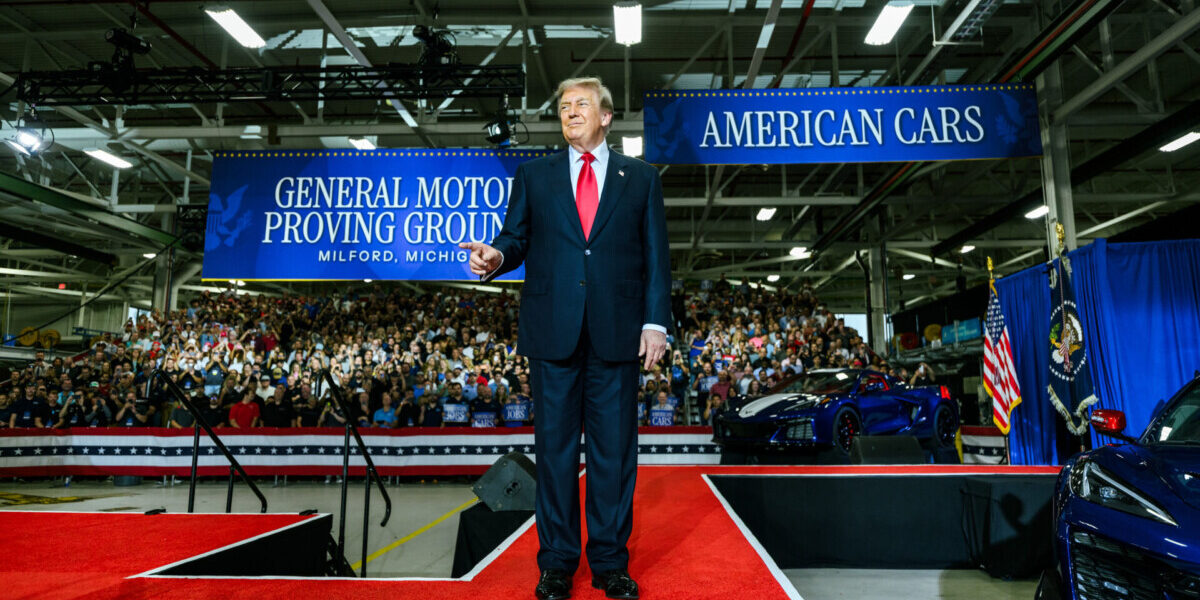
Why is U.S. President Donald Trump’s promise to send money to Americans if the Republican Party gets a majority in this fall’s midterm elections not subject to litigation and public outcry? Under Trump’s leadership, the American government has become a democracy in name only.
Canadians see merit in investing in pipelines, ports, and highways. But the day also calls for investments in the digital economy.
Work-Sharing applications are taking an average of six business days to process, while frontline workers and unions warn that maintaining service levels will depend on staffing capacity.
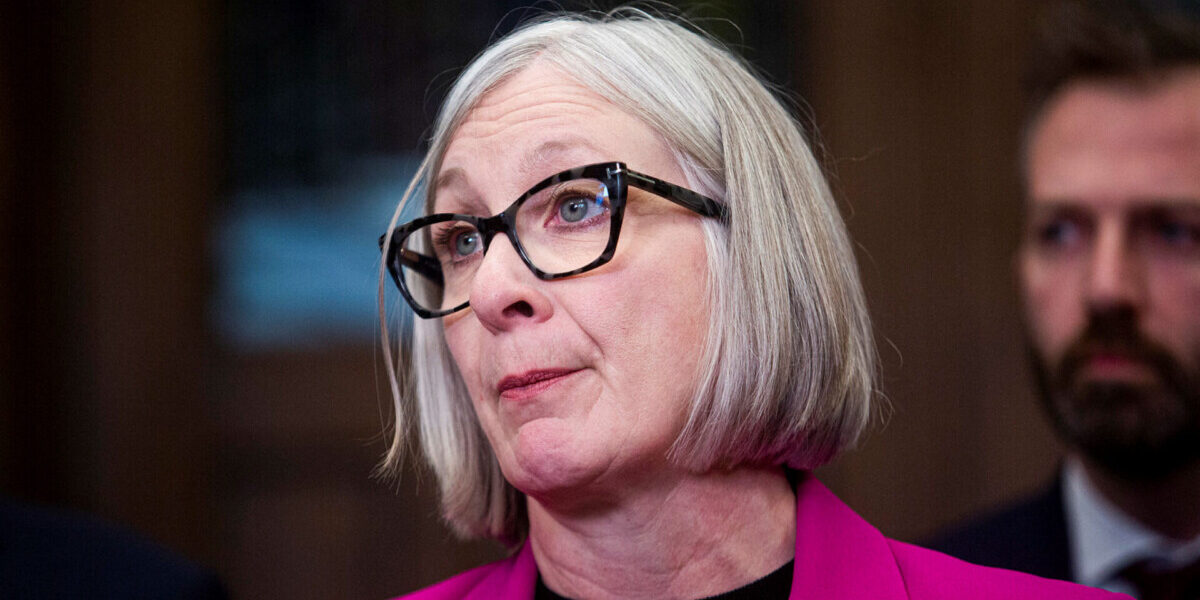
Government House Leader Steven MacKinnon said upcoming bills will help protect jobs, create investment, and build the country, adding ‘I look forward to presenting it and debating it in the House of Commons.’
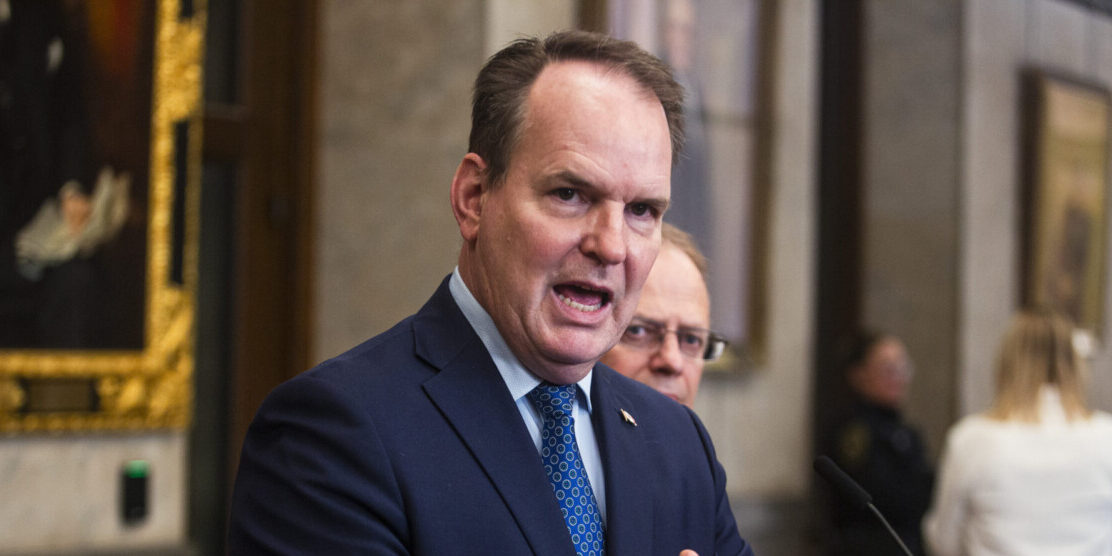
While parliamentarians may not always agree, we should avoid allowing partisan or procedural squabbles to overshadow the work at hand.
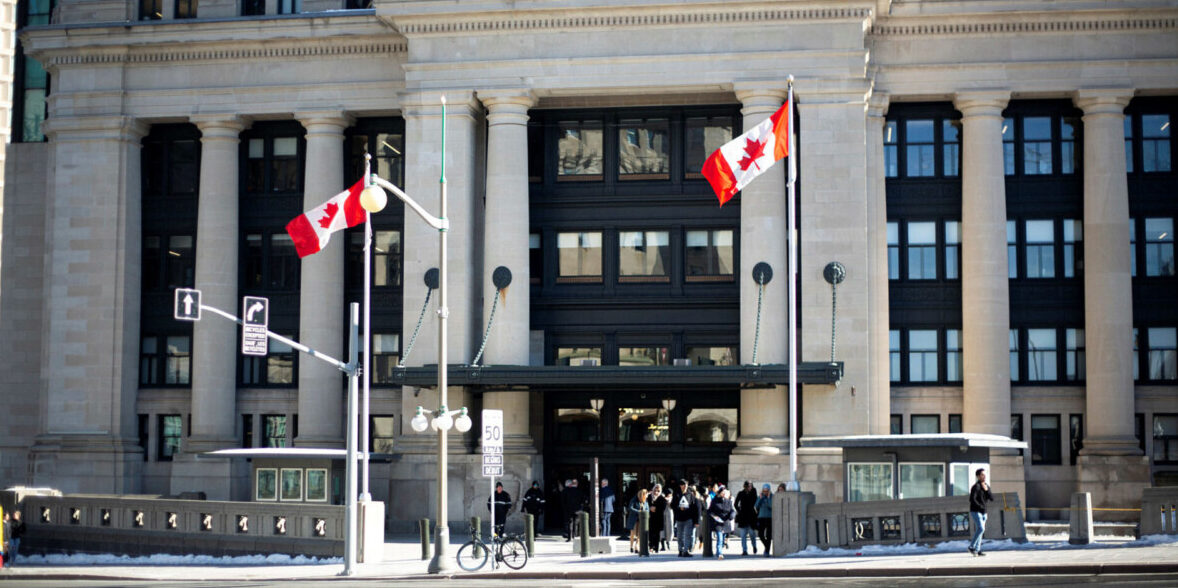
A country that cannot sustain the institutions that report on its communities, governments, and elections is surrendering something more consequential than market share.

Historically, U.S. Republicans have been the party of free trade and the Democrats have endorsed protectionism.

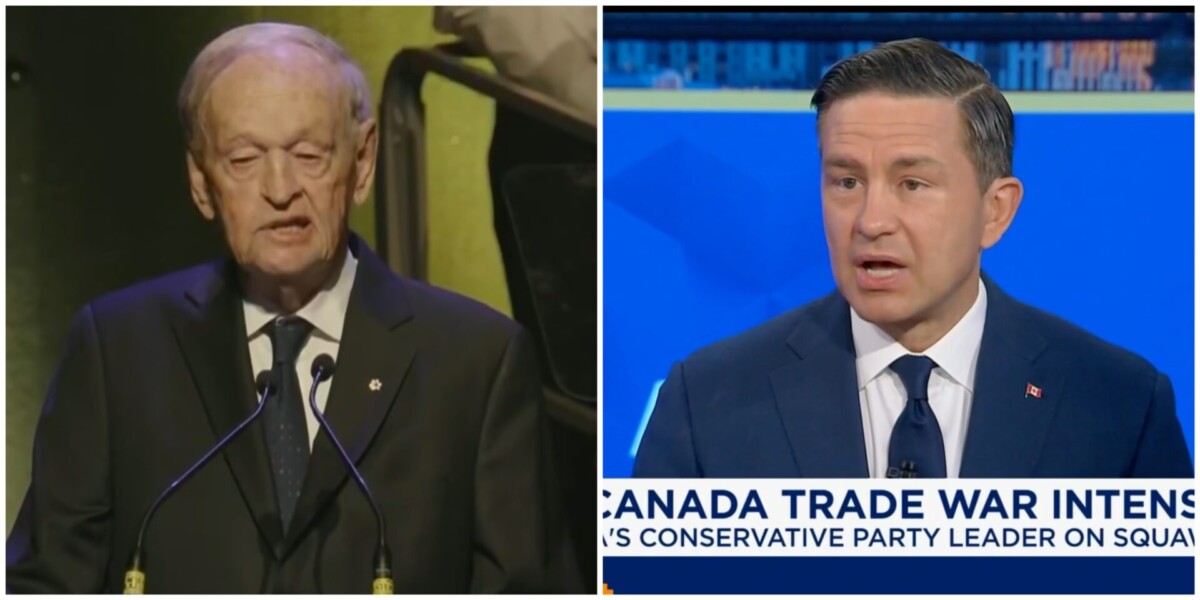
Former prime minister Jean Chrétien could do no wrong last week. Despite a promising start during the same period, Conservative Leader Pierre Poilievre couldn’t get it right.
Although there are still questions about U.S. President Donald Trump’s recent order, ‘Canada should respond quickly with its own countermeasures, preventing American companies from bidding on Canadian procurements in selected sectors,’ says Lawrence Herman.
Eight years of following America’s China policy bought Canada exactly zero credit, and instead it culminated in a full-blown sovereignty crisis.
The fact that we have grown collectively numb to Donald Trump’s unpresidential antics should not excuse inaction on the part of our elected leaders.
If Canada does not respect Indigenous history, we will lose the essential foundation of what makes us strong as a country. If Canada does not accept what it did to Indigenous children and to Indigenous communities, then this nation might just lose its soul because Indigenous Peoples are actually what binds us together in this federalism. In our rush to find shared sense of purpose, in our resolve to protect our country, we actually have to protect Indigenous Peoples, too.

If and when countries, big and small, start defying the hegemon, the fiction starts to collapse in on itself. The fictional world of Donald Trump and his sycophants will project a fantasy world that is increasingly unhinged. Yet the world is moving on, and the U.S. administration loses ground.
Instead of being slavishly tied to the U.S., Canada needs to be a truly global player. There may even be an unexpected dividend in walking an independent line. It might show American policymakers that punitive measures against Canada could have unintended consequences for them.

A total import ban by the U.S. on specific Canadian products will take effect on Sept. 29, as a response to Canadian dollar-for-dollar counter tariffs.