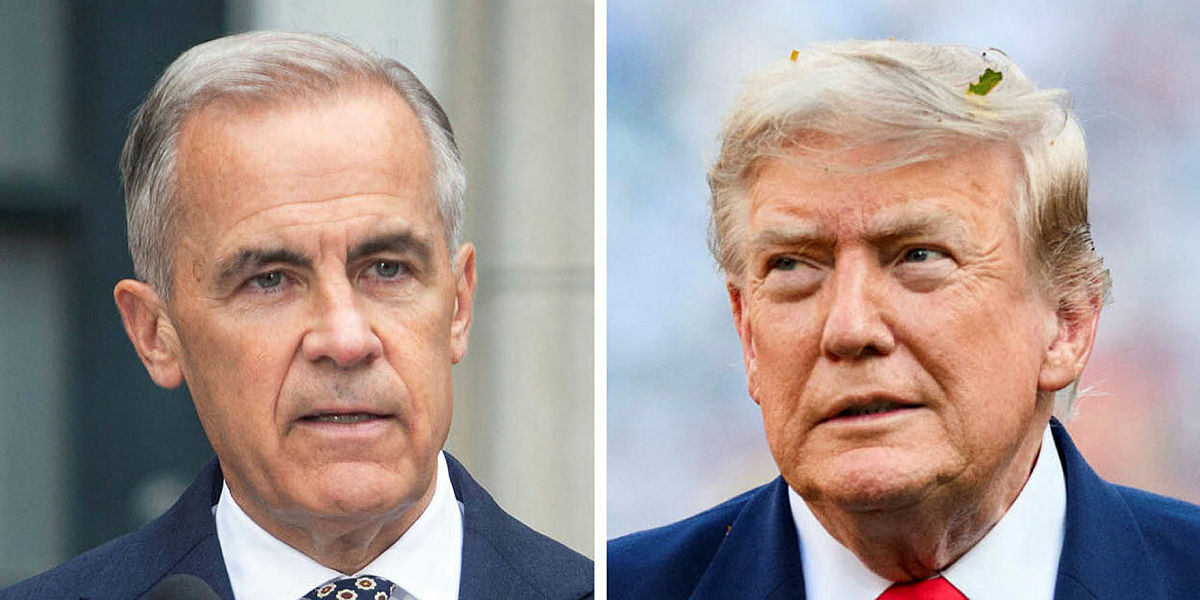
It is time for leaders to answer to their earlier selves—not out of nostalgia, but because they once understood something essential: the climate emergency does not wait. Every decision that prolongs fossil dependence narrows the margin of manoeuvre available to future generations.
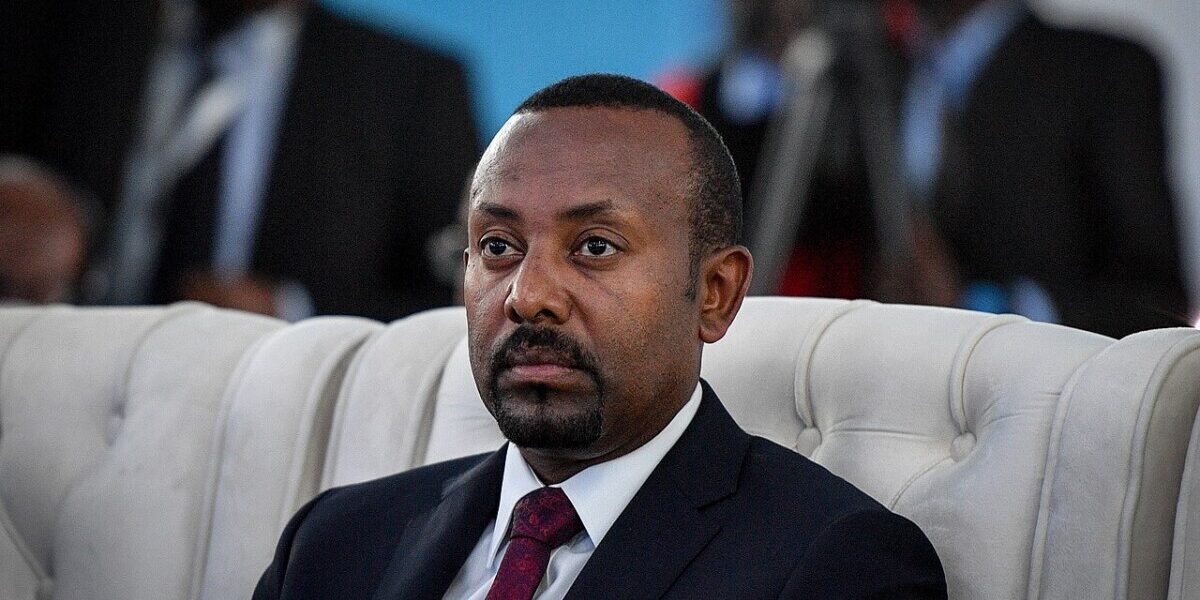
Within a year of receiving the Nobel Prize in 2019, Ethiopian Prime Minister Abiy Ahmed was at war with Tigrayan militia. That war ended in 2022 with the militia defeated and some 600,000 Tigrayans dead, but the country is already sliding back into another war.
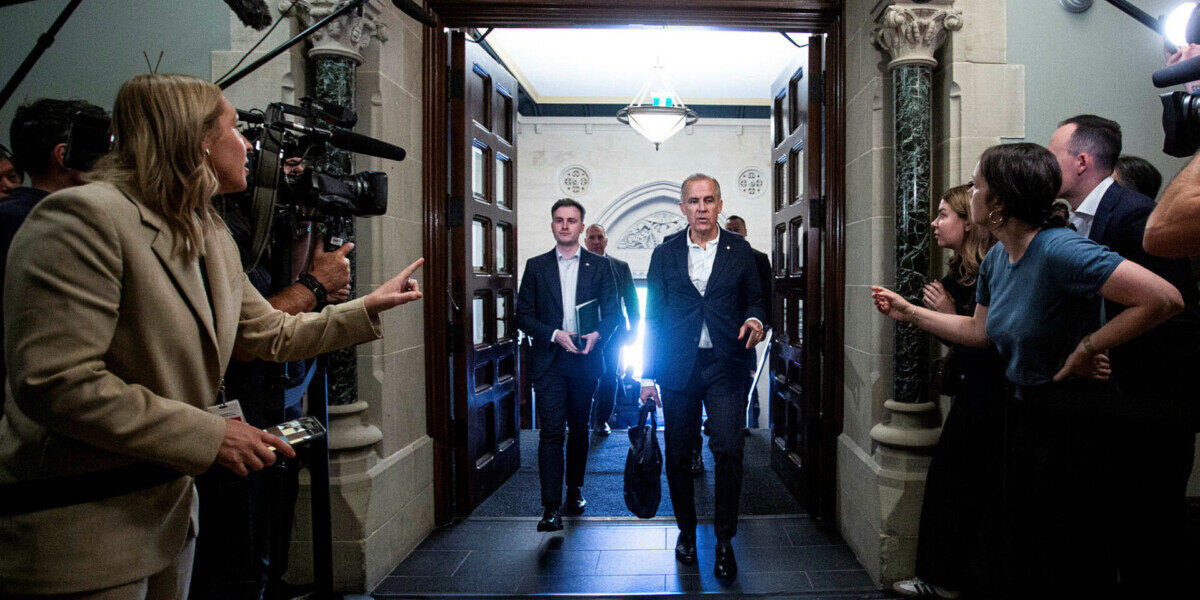
The prime minister’s response to Canada-U.S. tensions is a legitimate act of economic self-defence. But the crisis footing is doing double duty: it lets the Liberals obscure the fact that they are making policy choices with winners and losers.
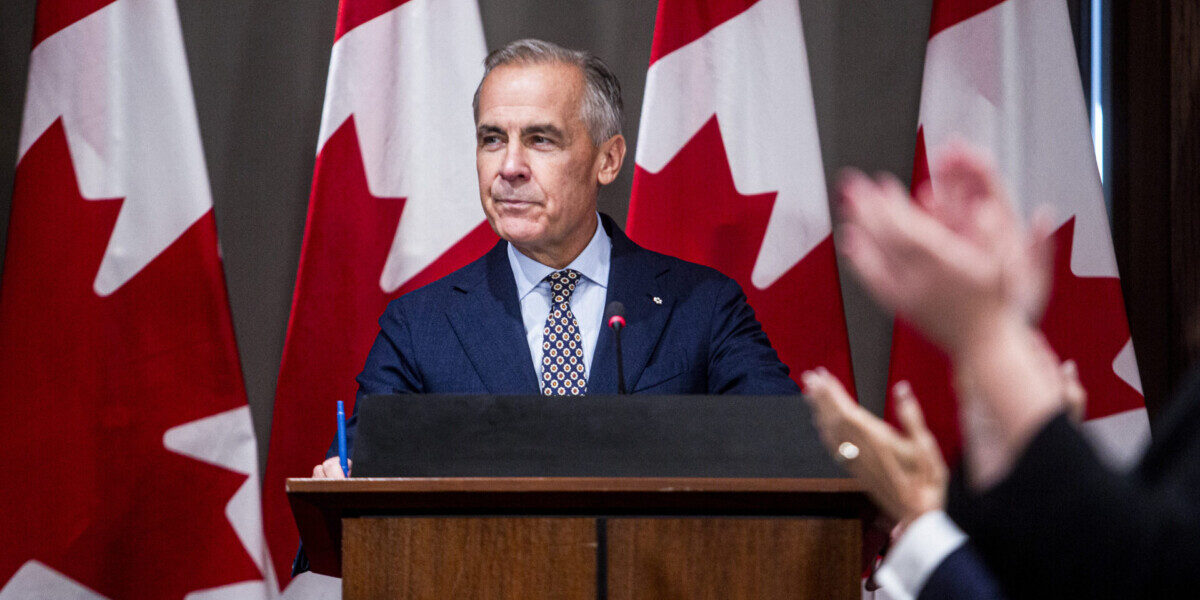
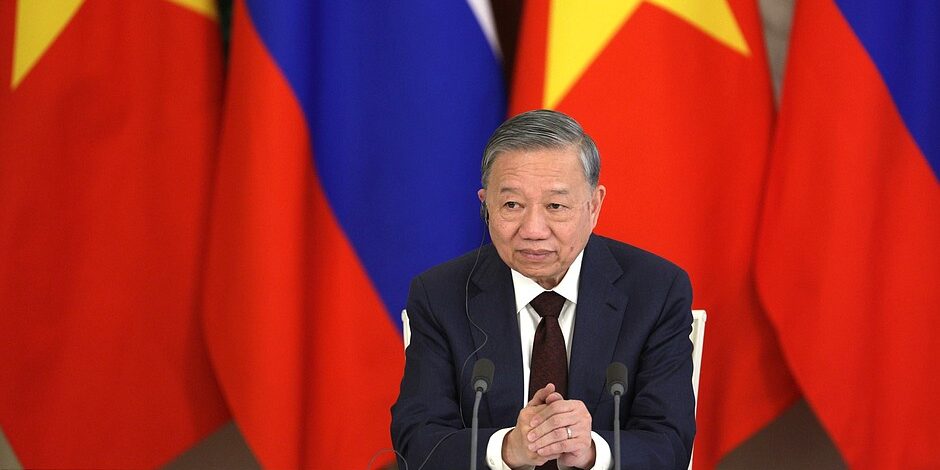
The Vietnamese president’s visit comes as Ottawa and Hanoi are both searching—from very different geopolitical positions—for greater resilience, diversified partnerships, and room to manoeuvre in a more contested world.
Neither the U.S.’s push nor the EU’s pull mean anything tangible to Canadian businesses yet, and it’s too soon to tell what domestic firms can gain from accelerated access to European markets, say experts.
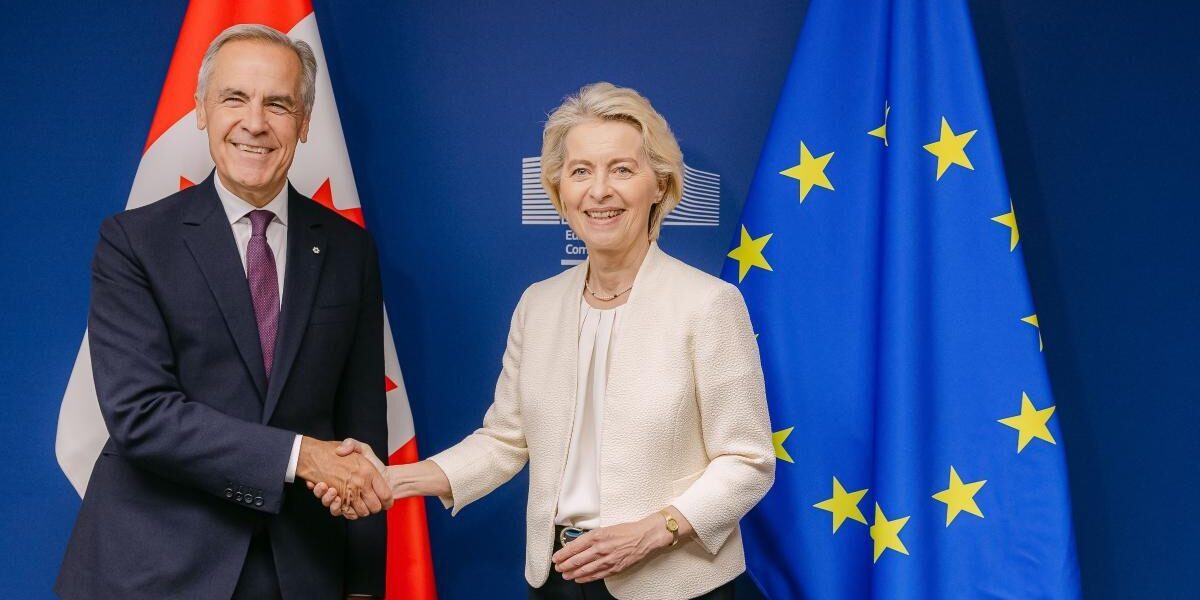
A note to Canadian to clarify misconceptions pertaining to the European Commission president’s invitation for Canada to have ‘associate European Union membership.’
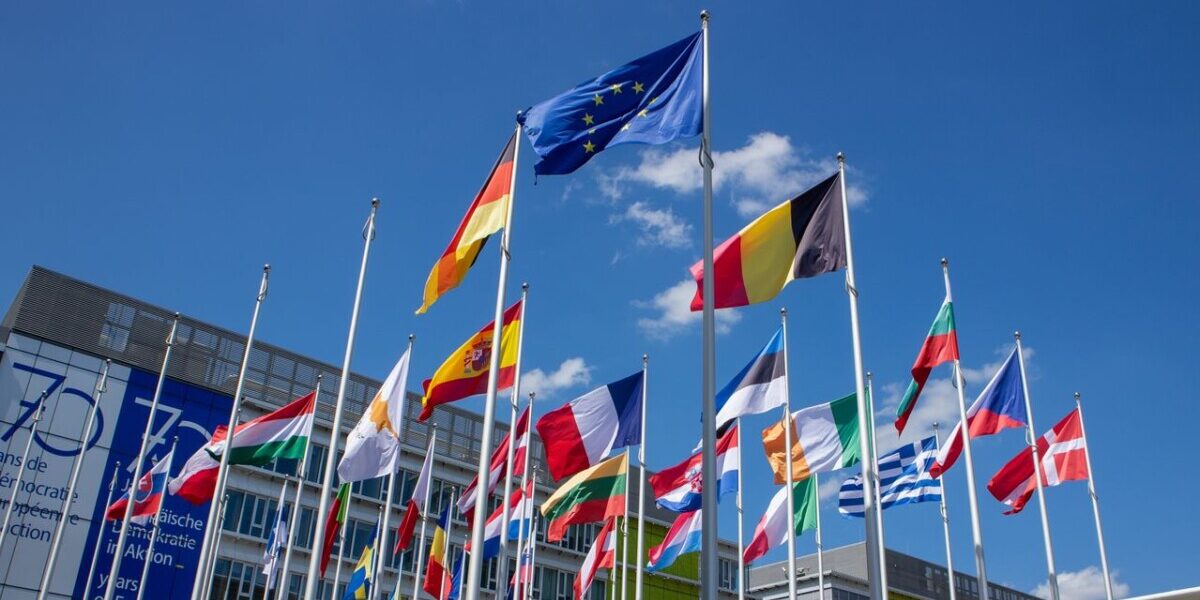
Since U.S. President Donald Trump returned to the White House, the European Union has largely chosen acceptance over aggression when dealing with the American leader.
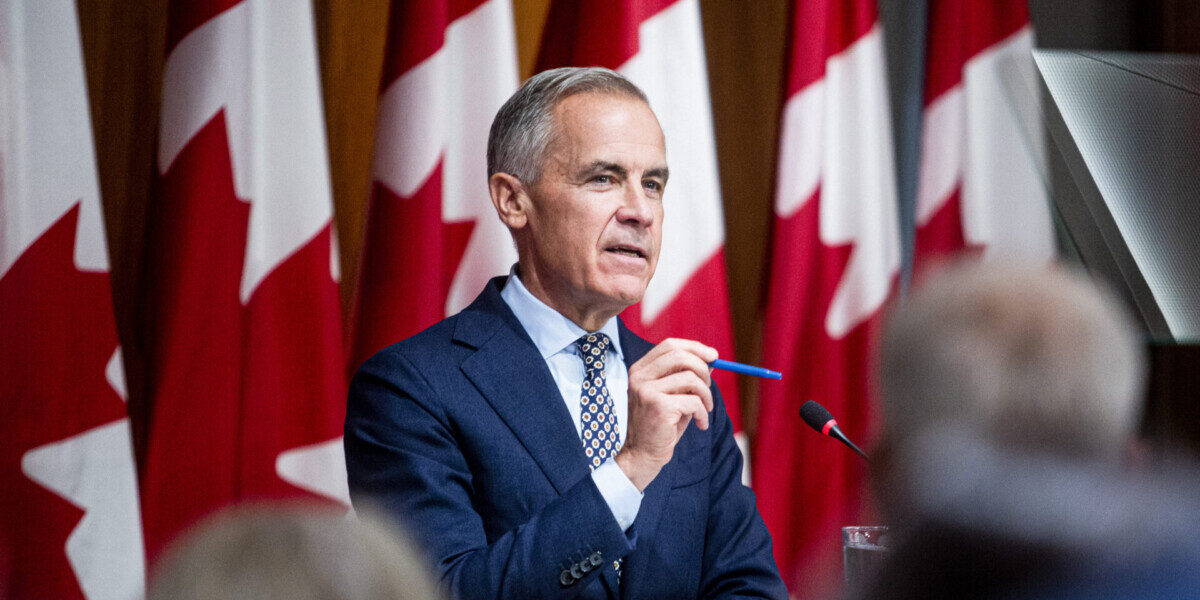
Legitimacy and trust of Canadians in the country’s foreign policy is at the centre of the need to release a plan, say observers.
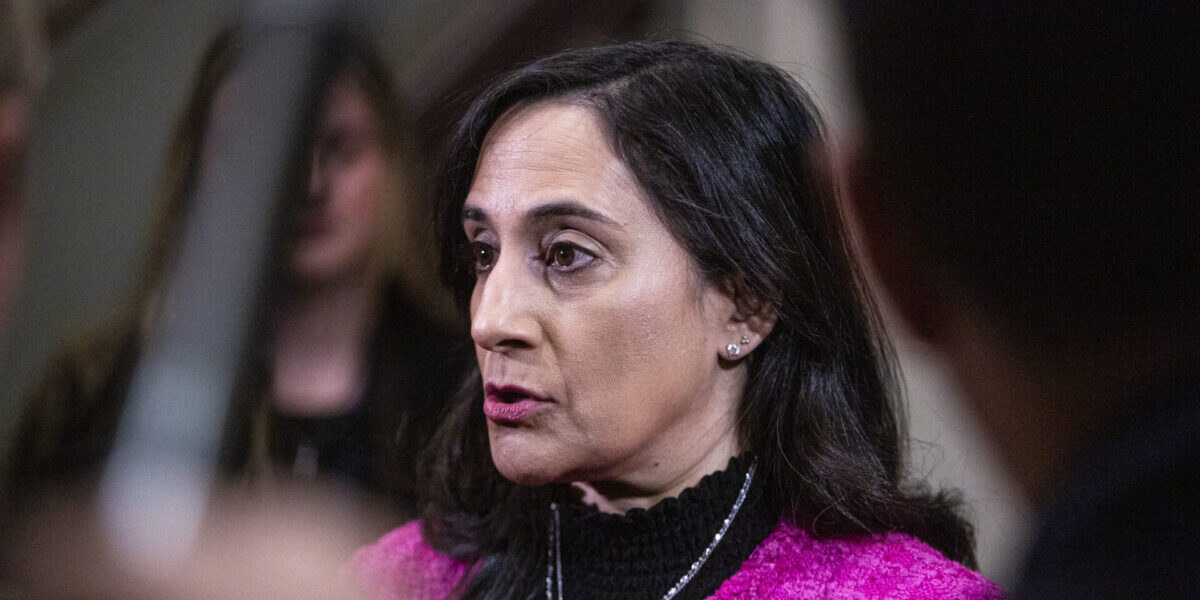
The prime minister has the right personal qualities and experiences, but more importantly he governs the middle power most vulnerable to subjugation in the short run. Most Canadians realize this country’s peril may be existential.

Canada and other democratic partners can help by continuing to clarify Resolution 2758, by resisting its misuse, and by supporting Taiwan’s meaningful participation in relevant UN bodies and activities.

If the prime minister is serious, we should base one of the Army’s new divisions in a central European country on a permanent basis.
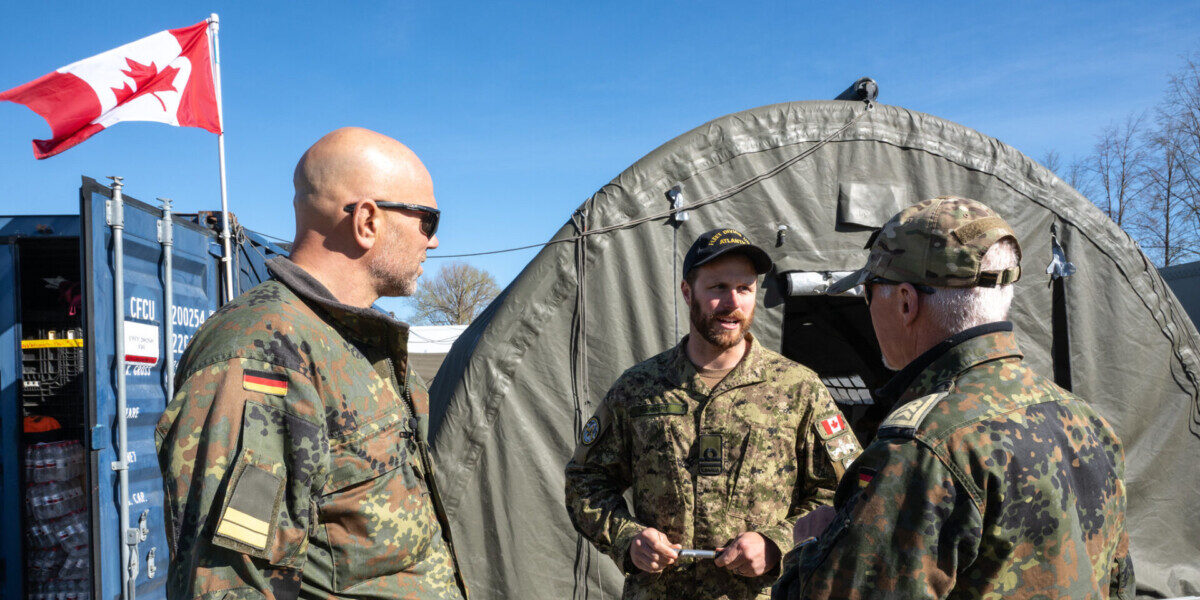
Some Canadian politicians are keen about closer ties to the 27-nation bloc, while others critiqued Prime Minister Mark Carney’s speech for lacking details on taxation, regulations, and the cost of pursuing ‘associate’ membership.
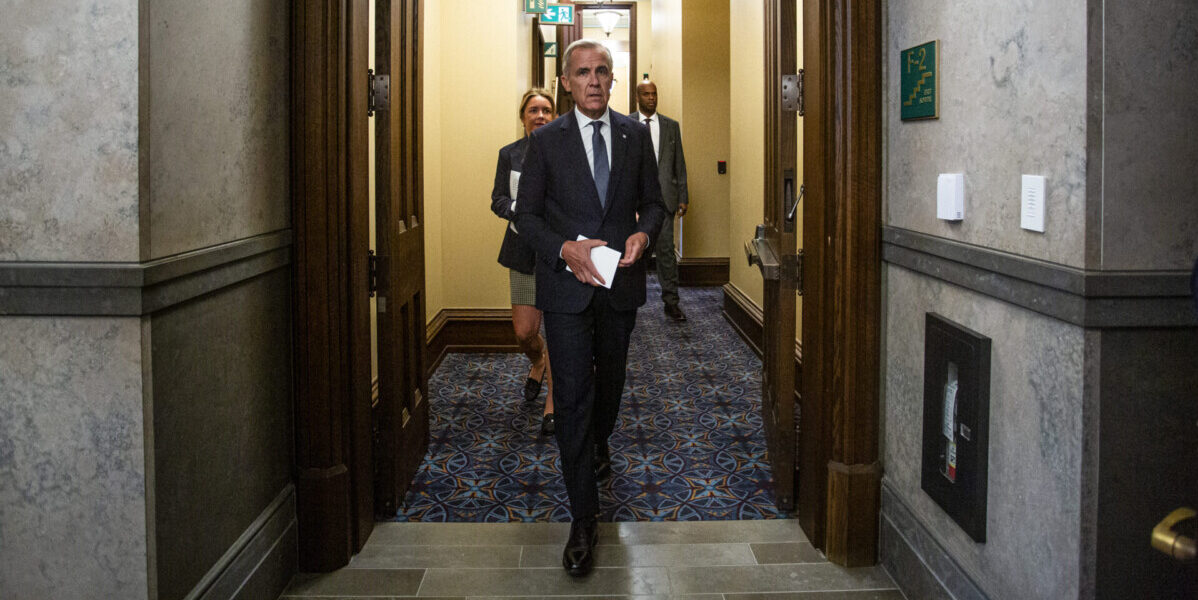
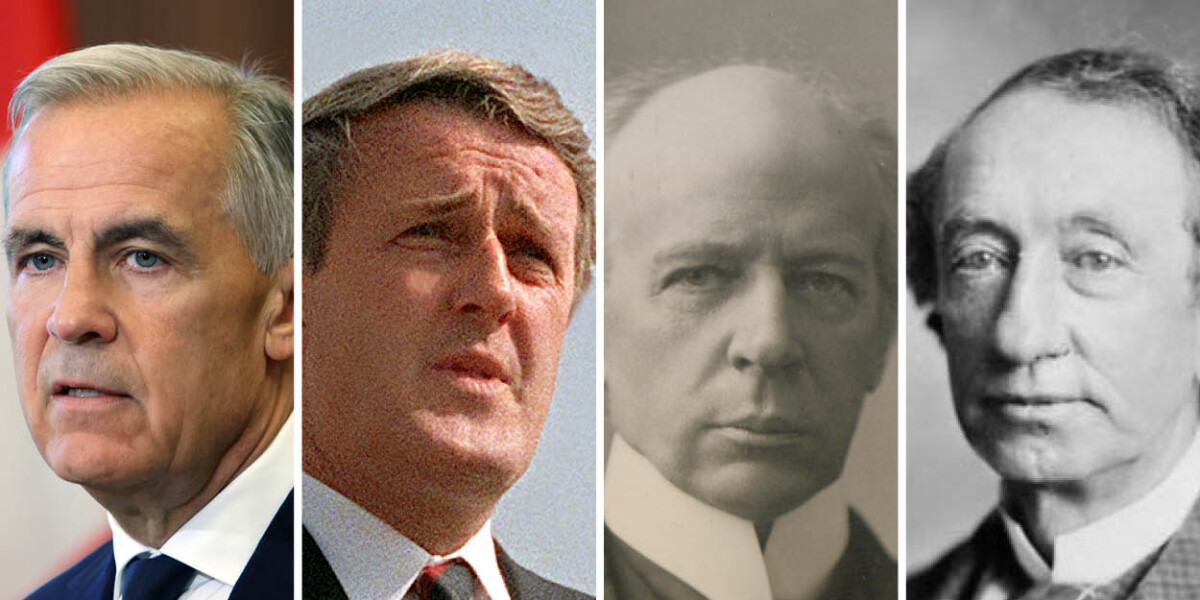
The challenge facing Canada is simply the latest chapter in a debate that stretches from former prime ministers Sir John A. Macdonald and Sir Wilfrid Laurier, to Brian Mulroney and now Prime Minister Mark Carney. The circumstances have changed. The underlying question has not.
We have the opportunity and the urgent need to work together to solve problems: by volunteering, sharing, participating in our democracy, supporting the environment, building our economy through the value and impact of volunteer service. We must put aside differences and work together.

Worsened access to the U.S. market limits Canadian firms’ ability to scale up and strengthen productivity, making it more difficult to compete in markets around the world.
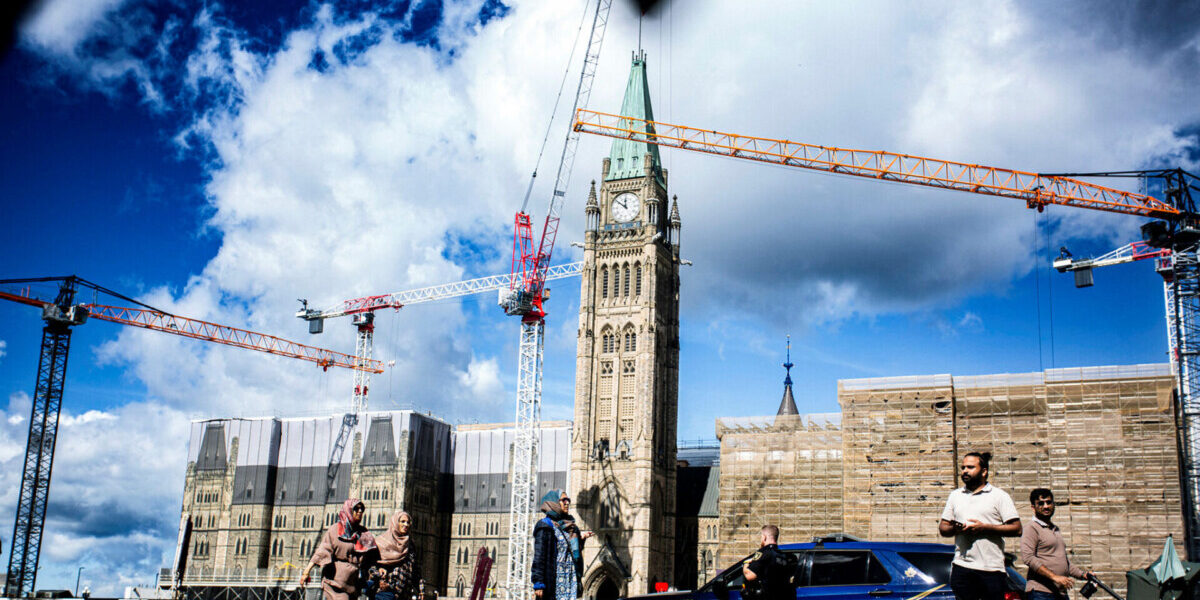
Canadians see merit in investing in pipelines, ports, and highways. But the day also calls for investments in the digital economy.
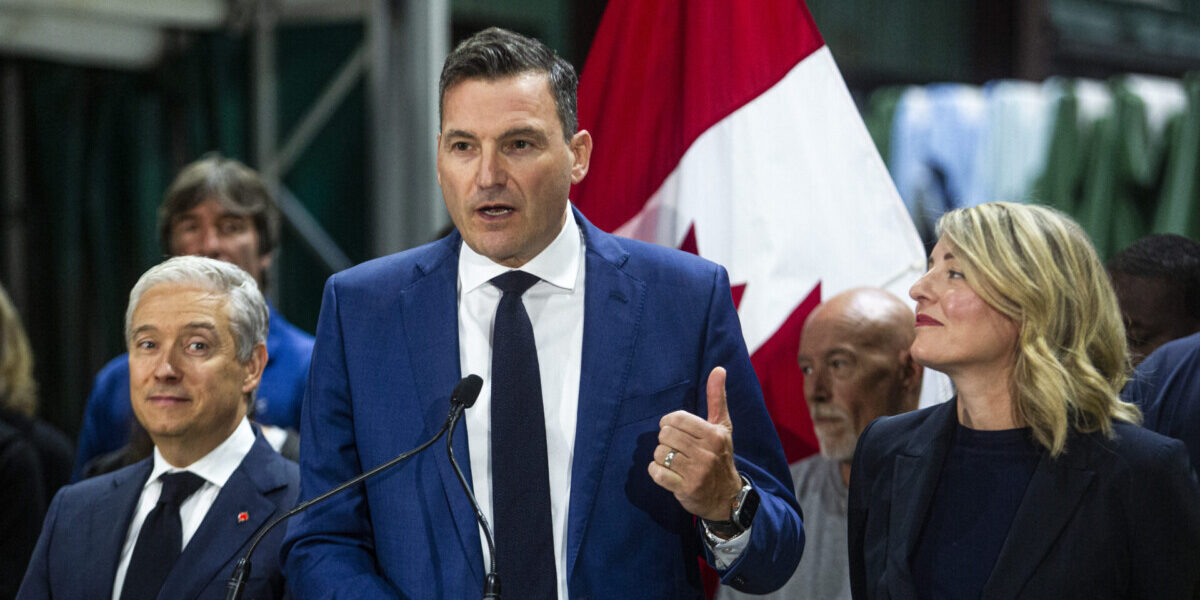
Mark Carney’s Investment Summit was a good idea. It put Canada more squarely on the map for foreign investors who will now be watching to see how we proceed in our ‘Build Canada’ agenda. Consider the summit a first step. Much more must be done. But there is hope.
Even a popular prime minister needs to answer questions. But MPs need to resist the urge to turn another House sitting into yet another partisan circus. Canadians need real answers. The stakes could not be higher.
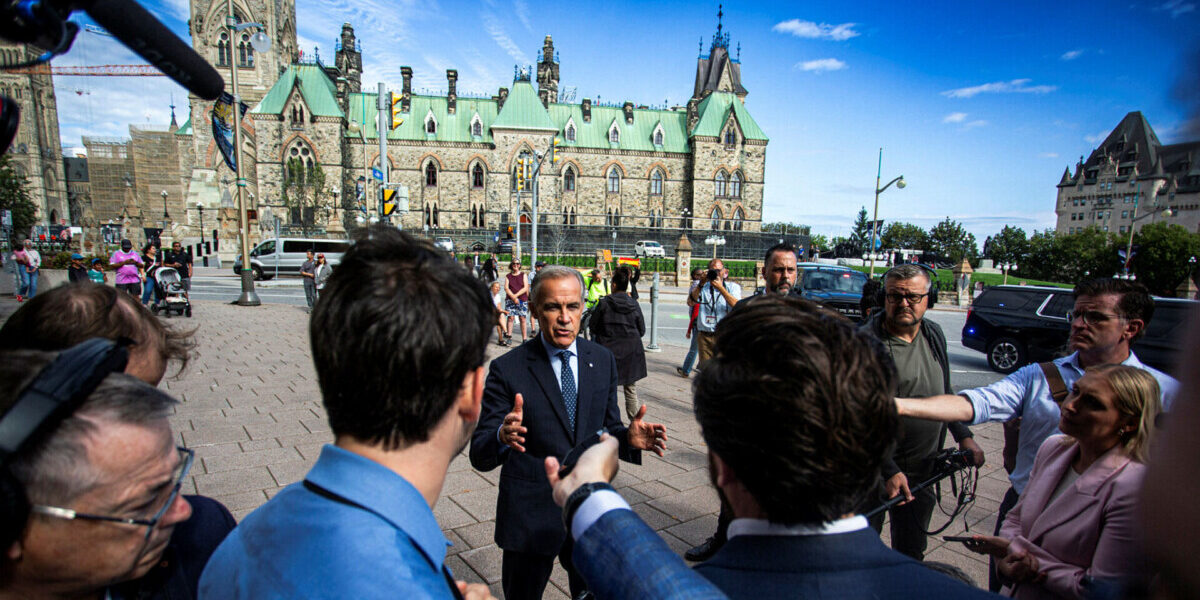
In late August, the eligibility criteria was updated for the Regional Tariff Response Initiative to allow more smaller businesses access federal funding.
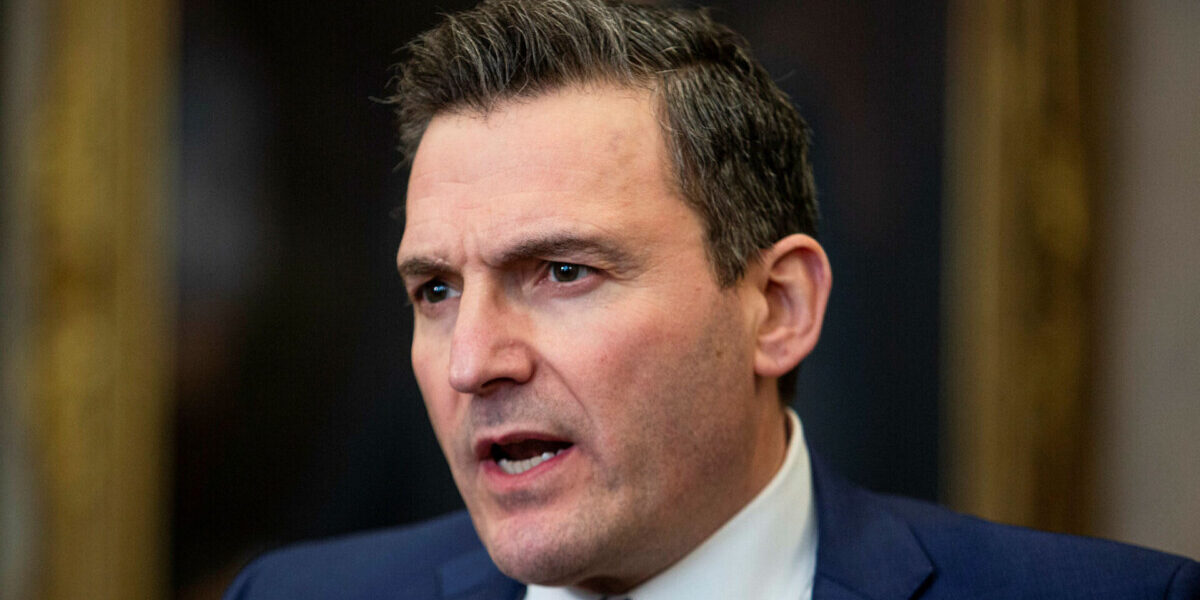
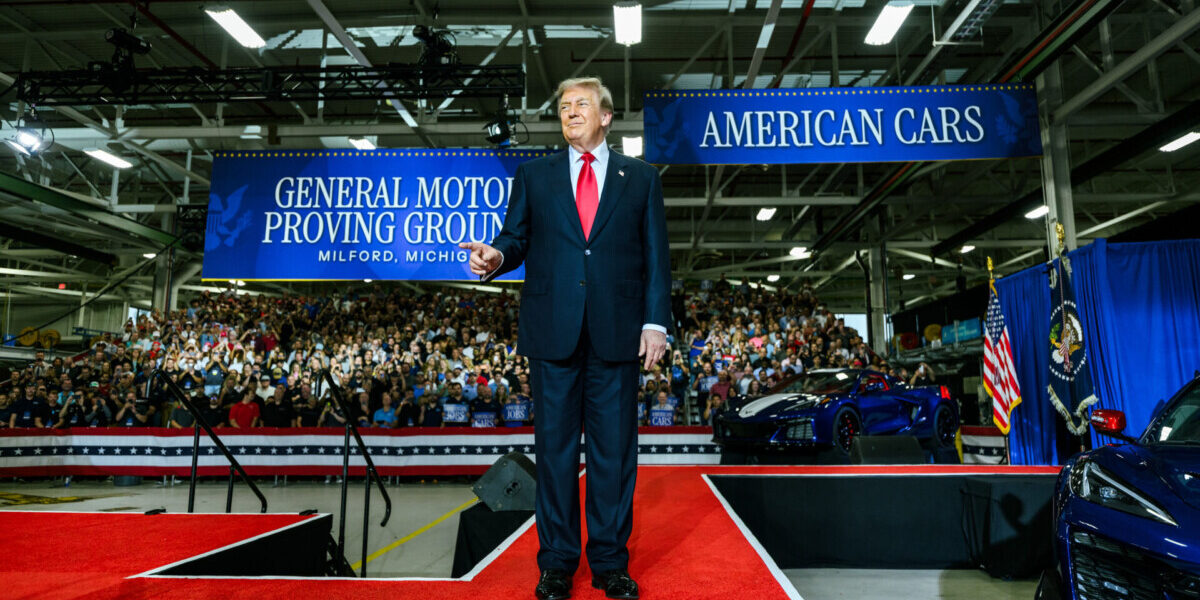
Why is U.S. President Donald Trump’s promise to send money to Americans if the Republican Party gets a majority in this fall’s midterm elections not subject to litigation and public outcry? Under Trump’s leadership, the American government has become a democracy in name only.
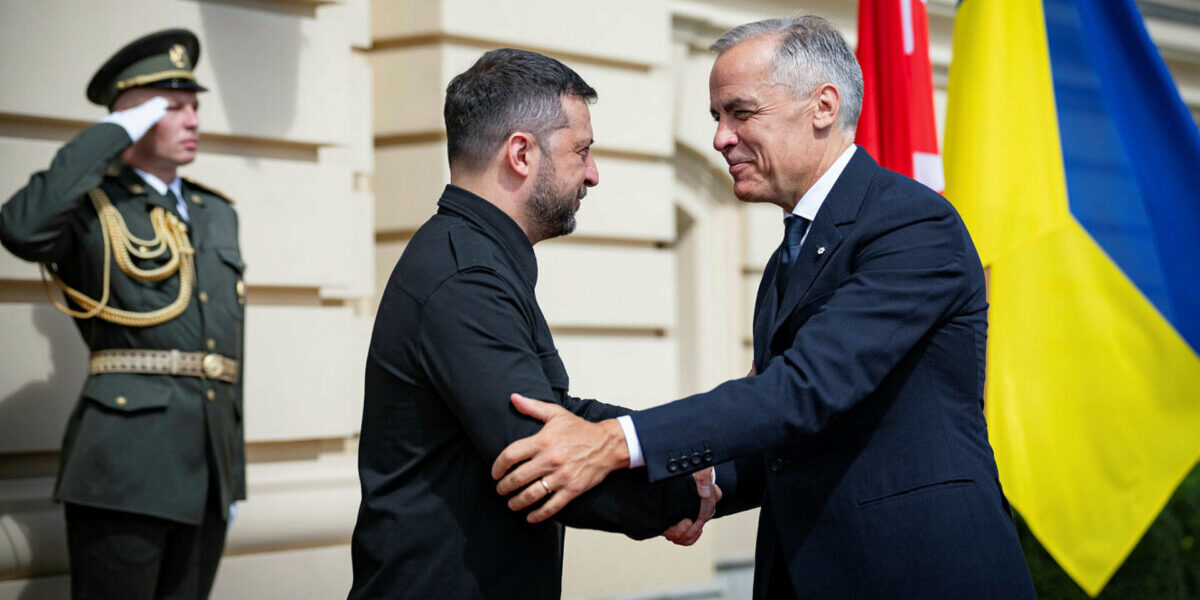
Ukraine’s experience, earned at a terrible cost, will allow us to cut right to the front of the line in a vital new realm of military conflict. But this is only going to work if we get the basic stuff right.
It is true that the citizens of this country care about the realities of putting food on their tables and a roof over their heads, but there is something even more important: Canadian sovereignty and love of country.
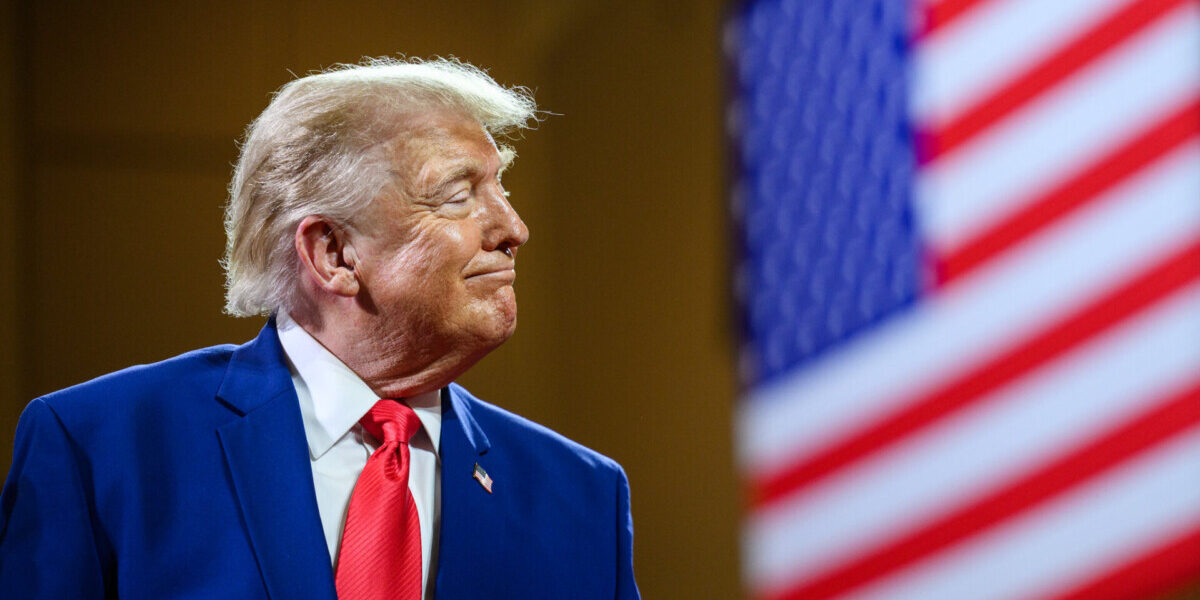
The success or failure of any potential trade deal with the U.S. will depend on the reaction of provincial premiers, especially Ontario and Quebec, says pollster Nik Nanos, who also says Mark Carney’s strategy right now is like Muhammad Ali’s ‘rope-a-dope’ boxing strategy: he’s absorbing pressure from Washington and will push back when the timing is right.