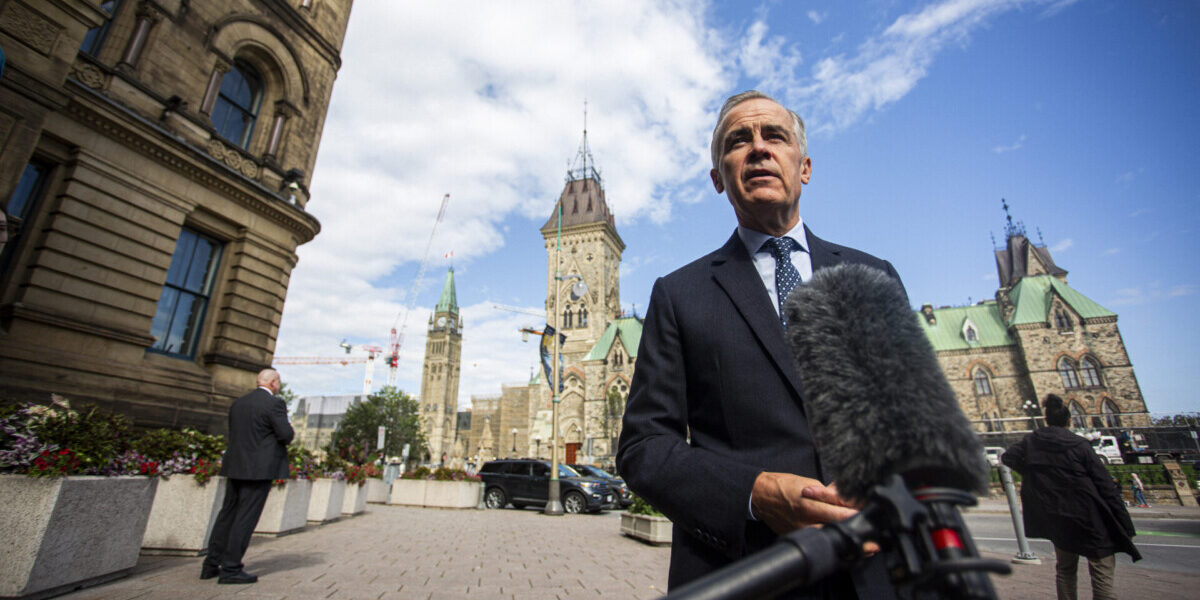
While one Greenpeace campaigner says the legislation grants cabinet ‘unchecked discretion’ to circumvent environmental laws, for CSG Senator Clément Gignac, it’s ‘a very large positive step in the right direction’ for the economy.

The committee, where Liberal MPs hold a majority, is recommending that the government keep the policy it plans to walk back, and protect the payment structure in any future trade discussions with the United States.

As Ottawa shrinks the public service to rein in operating spending, Shafqat Ali declines to estimate how many involuntary departures may still be needed, while PSAC urges a reassessment of the cuts.

Projects are not just about capital and approvals. They depend on lands, rights, and the people behind the project. Before backing a project, investors should ask whether the work has been done with Nations and within communities, and whether the investment will build growth and lasting value.
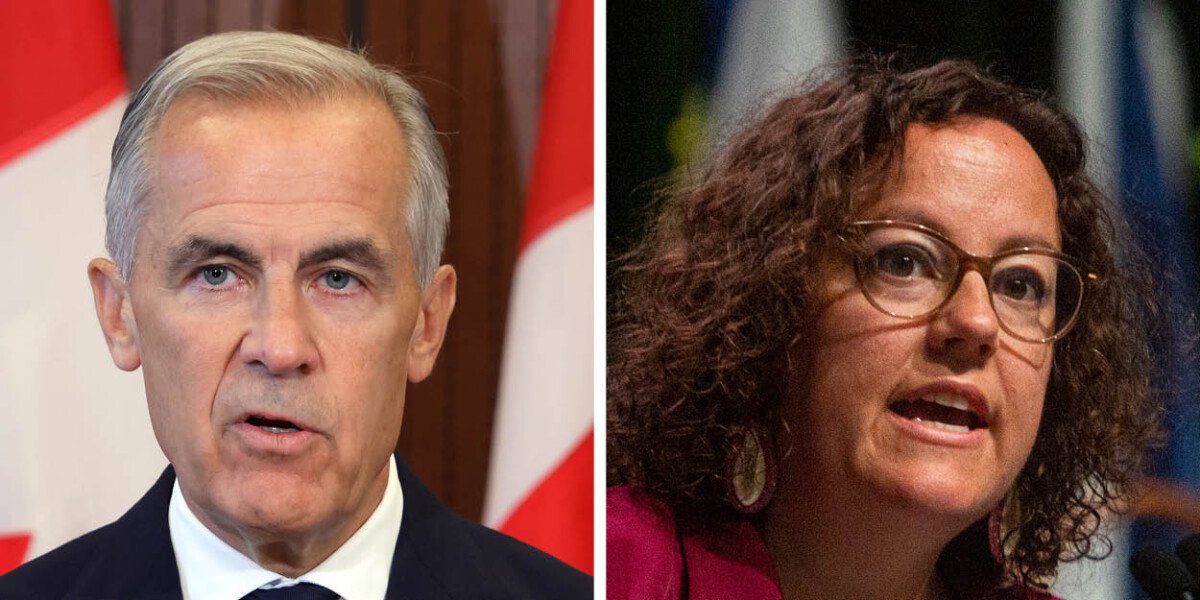
Institutional investors have a mandate to maximize returns for their shareholders and members, not to deliver universal public services. When they acquire stakes in infrastructure, it is because they see opportunities for profit.
NDP health critic Gord Johns says the lack of news about the fund’s future—which helps communities with their response to the toxic drug crisis—past next spring is an ‘insult’ to groups that are building programs.
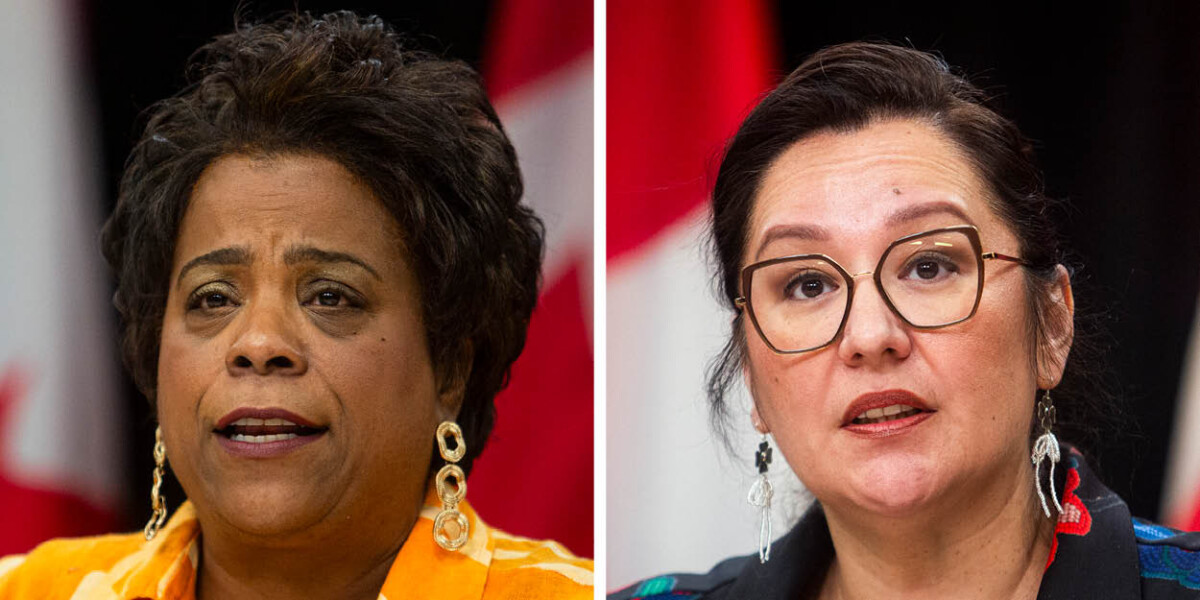
When women are in the room, the decisions made are more responsive, more durable, and more aligned with long‑term economic health.

Worsened access to the U.S. market limits Canadian firms’ ability to scale up and strengthen productivity, making it more difficult to compete in markets around the world.

Mark Carney’s Investment Summit was a good idea. It put Canada more squarely on the map for foreign investors who will now be watching to see how we proceed in our ‘Build Canada’ agenda. Consider the summit a first step. Much more must be done. But there is hope.
In late August, the eligibility criteria was updated for the Regional Tariff Response Initiative to allow more smaller businesses access federal funding.
While parliamentarians may not always agree, we should avoid allowing partisan or procedural squabbles to overshadow the work at hand.
Too often global investors are confronted by overly complex and time-consuming regulatory processes, which result in prohibitively lengthy approval timelines. Canada’s strongest long-term response to new American tariffs is to become a more competitive place to invest, build, and scale.
A Harper-era staffer says the question remains if the Carney Liberals are willing to act ‘a lot differently than the Trudeau government’ in reducing the regulatory burdens that have spooked investors for the past decade.
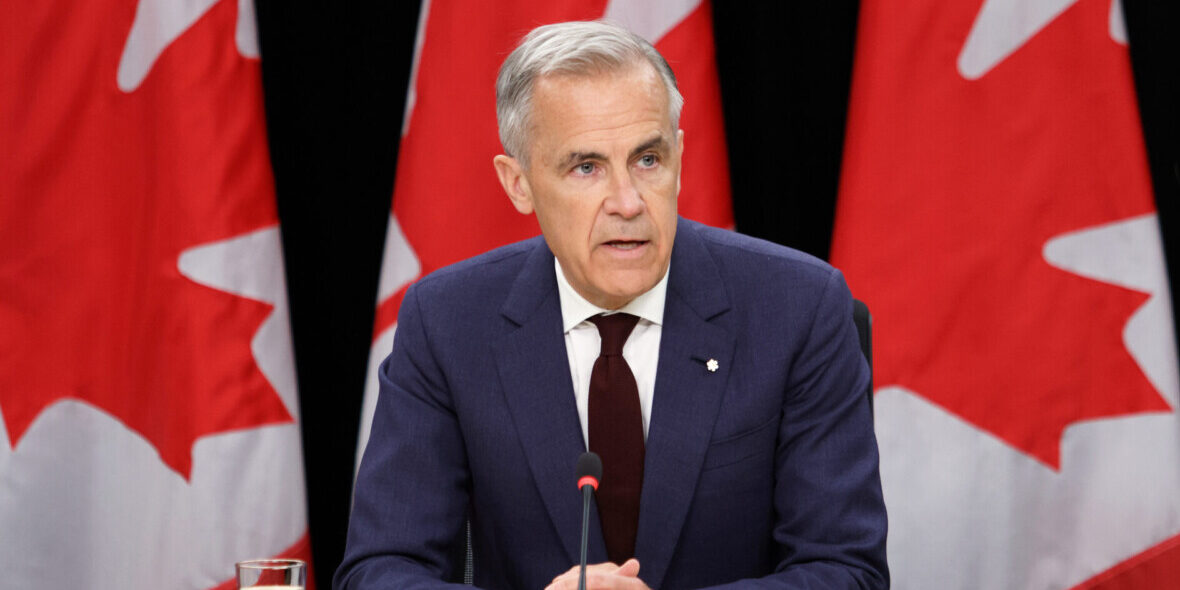
At the two-day Toronto gathering, the federal government announced a major investment tax benefit, forthcoming legislation to fast-track more project approvals, and a plan to open up airports to private investment.
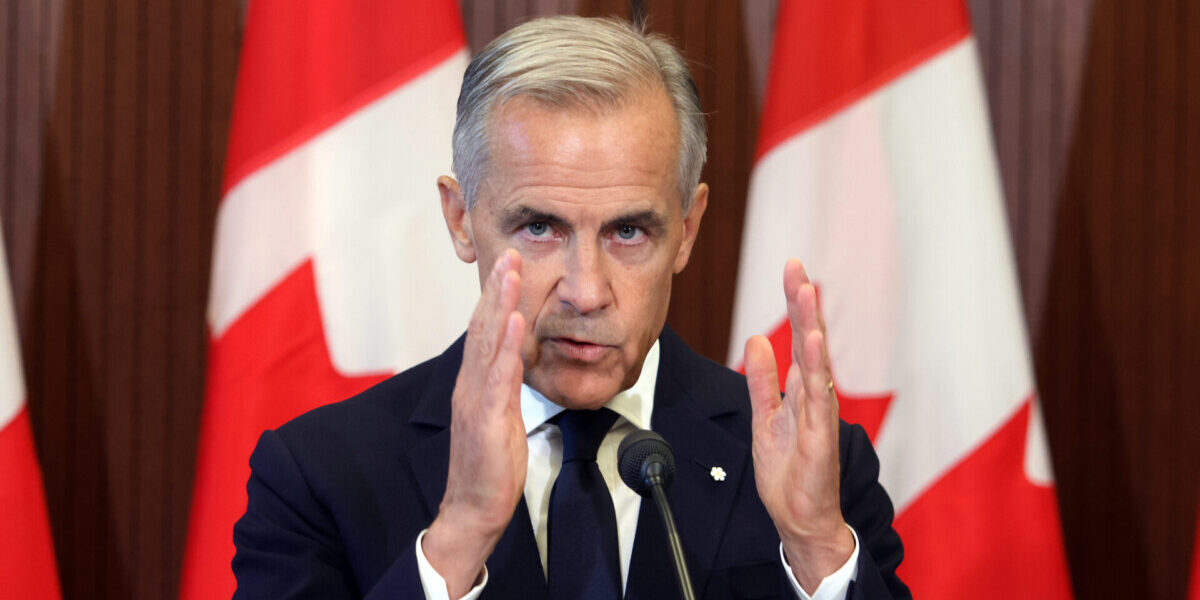
Canadians need more details on the feds’ proposed model, say observers, as it’s unclear how investors will generate a return on their investment—and if the buck will be passed to passengers.
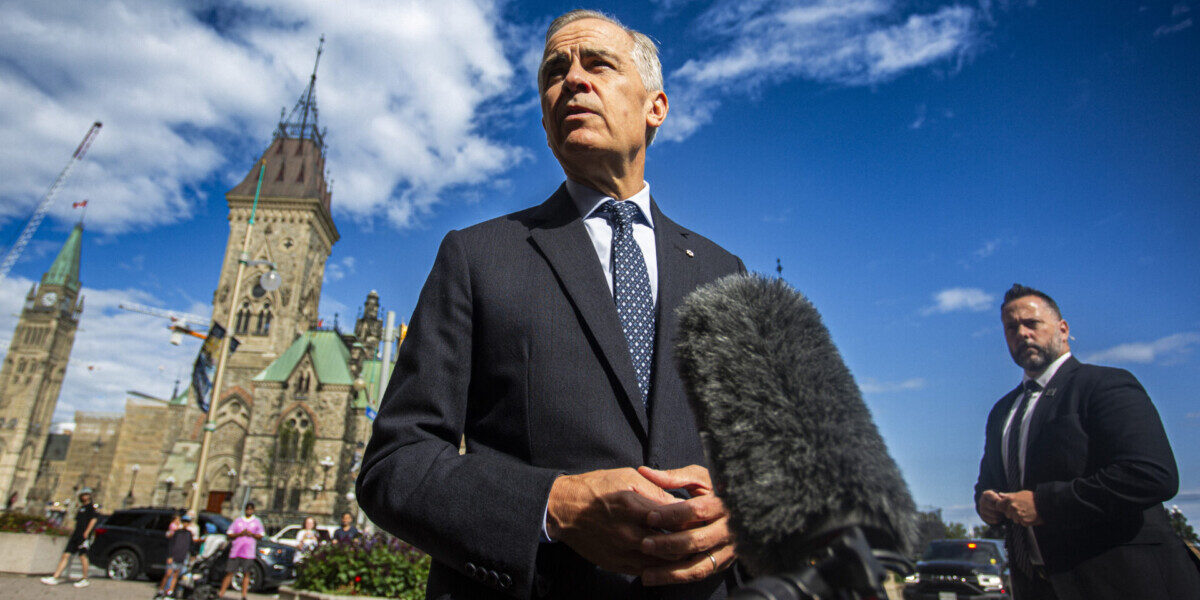
Launched on Sept. 15, the dashboard shows trends by department or by employment tenure over time. Parliamentary Budget Officer Annette Ryan calls it ‘one piece of the puzzle,’ with other data published by the Treasury Board Secretariat.

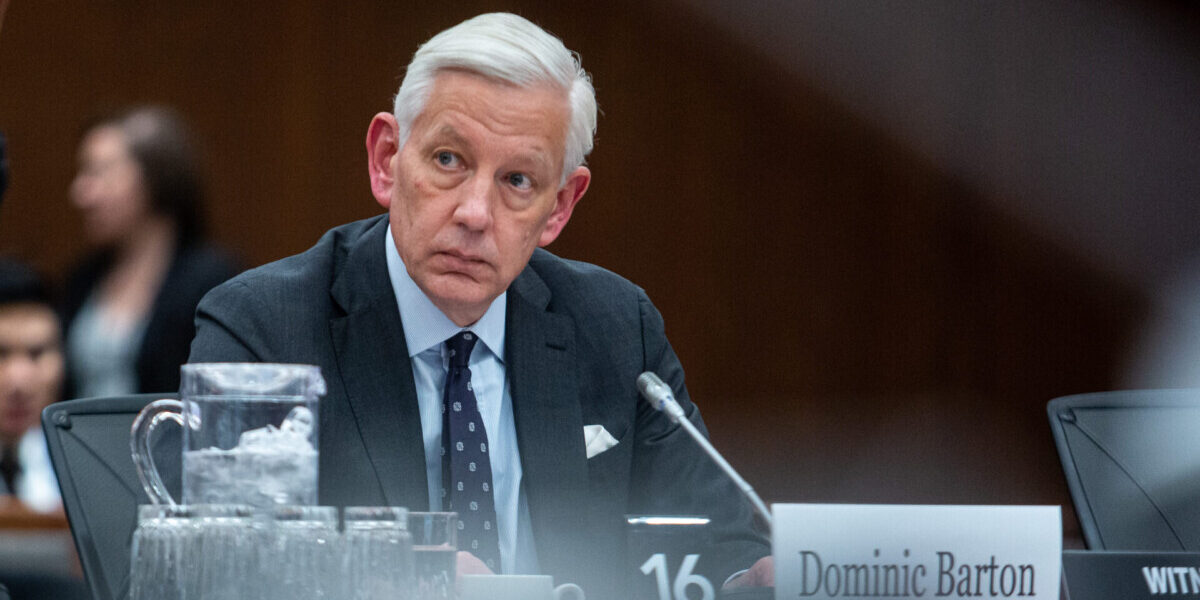
The agency’s 2026-27 departmental plan outlines fewer staff and lower spending even as Ottawa signals a more prominent role under the new leadership of Dominic Barton and Gurinder Grewal.
A total import ban by the U.S. on specific Canadian products will take effect on Sept. 29, as a response to Canadian dollar-for-dollar counter tariffs.
Celiac disease patients are required to keep and submit hundreds of food receipts for their gluten-free items in order to receive financial relief from the federal medical expense tax credit, according to Celiac Canada’s Melissa Secord.

It is only with the enmity of the American administration that we are now seriously embracing new thinking and pursuing new priorities. We are still very much a work in progress. But there is a reasonable chance we are heading in the right direction. Short-term pain for long-term gain.
First Nations Procurement Authority’s new CEO Darrin Jamieson says the organization has received $240,000 funding from Indigenous Services Canada ‘to get things rolling to operationalize,’ but the total operating budget will be more than a $1-million.

The prime minister needs to ‘come out with a big bang’ and dispel concern Canada is a hard place to do business, says one economist, while others say the investment summit raises questions about ‘who’s in the room,’ and which participants are ‘missing.’
Public funding alone will not be sufficient to build, repair, and modernize the infrastructure Canada needs. Private capital must play a larger role, leveraging public dollars for the greatest return for Canadians.

Making fuller use of women already involved in capital, talent, entrepreneurship, and leadership will strengthen our ability to build the companies, industries, and projects in which Canada is now investing.

Canadians should ask what remains after drawing investor dollars, and what is exchanged: wealth we still own, or a bigger ledger built on corporate subsidies and asset sales?