The technology itself is actually brilliant. Heavily encrypted, portable and permanent, blockchain seems to me to be an obvious part of the solution to the digital morass.

Critics warn Bill C-22 risks weakening cybersecurity as telecommunications firms and other service providers could be legally obligated to store Canadian users’ metadata for up to a year. But the public safety minister says some tech firms are ‘misinterpreting’ the bill, and that ‘safeguards’ are written in.

Canada is not insulated from the rise of global cyber conflict. A targeted attack could severely damage our economy, which relies heavily on certain sectors, prompting lawmakers to set a new standard.

Effective battlefield cybersecurity starts far from the front lines; it starts in the defence supply chain.

As our own transit systems and rail lines become increasingly automated and data-driven, they become prime targets for malicious actors. Canada needs a comprehensive strategy that aligns with our NATO allies.

With a new national AI strategy forthcoming, the question is whether this government will use that opportunity to ask what role we want AI to play in mental health care—or whether it will settle for summoning tech executives to Ottawa and expressing disappointment.

Canada needs to bolster its national security apparatus. That’s not a compelling reason to launch a new agency, which would be a disruptive, time consuming, and costly machinery change.
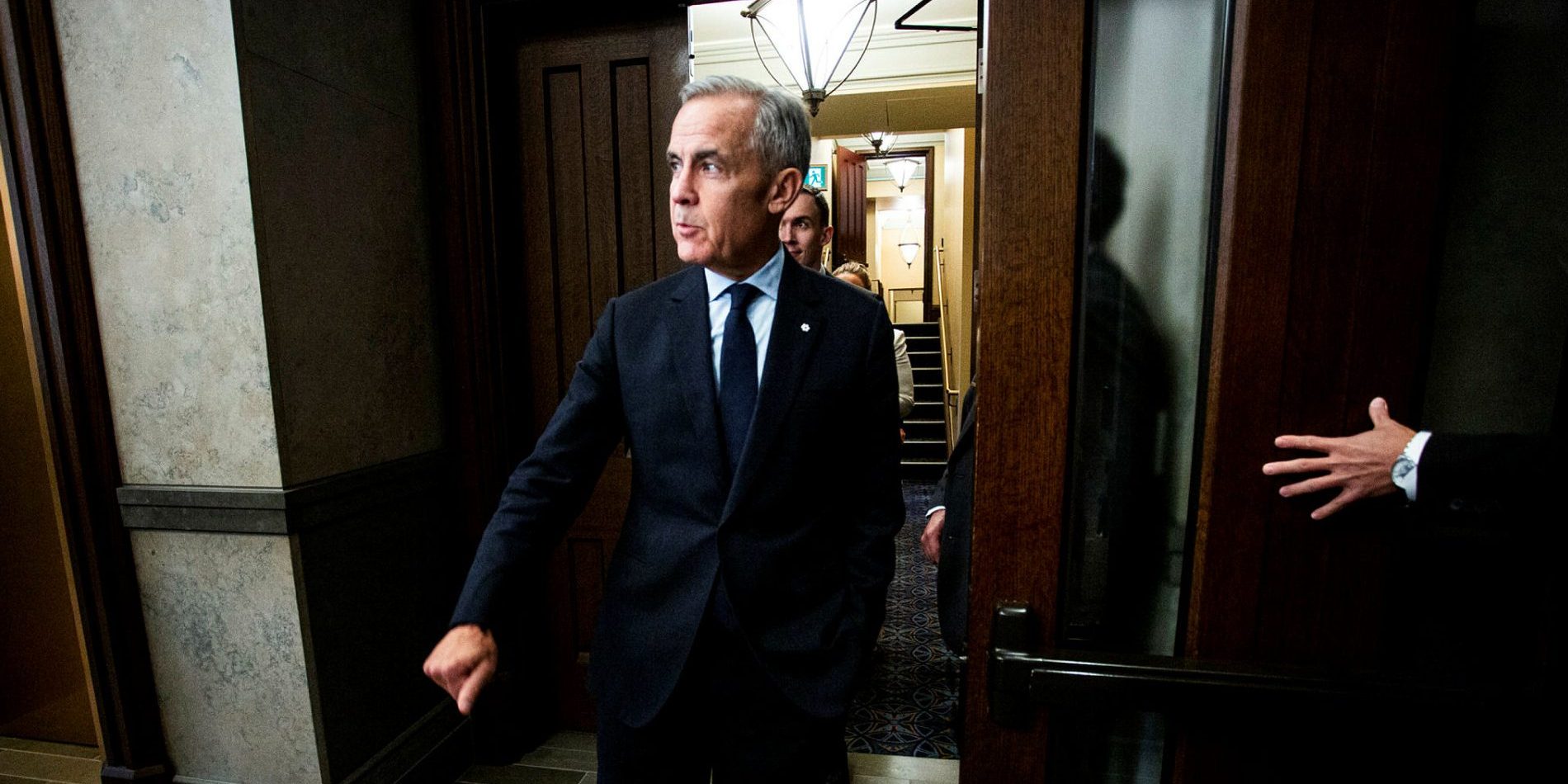
After Prime Minister Mark Carney inked a new trading arrangement with China during his state visit last week, stakeholders are advising against revisiting the government’s 5G ban on Huawei.

Now, more than ever, governments in Canada must invest in democratic innovations and demonstrate that democracy is about much more than marking a ballot every four years.
The promised defence industrial strategy offers a significant opportunity to advance Canada’s innovation performance and the high-value jobs that should go with it. The biggest question is how we build the leadership and management skills that are essential for success.

The Conservative Party must release the findings of its internal investigation, including how the data breach occurred, who was responsible, and what accountability measures have been taken, say some victims of last month’s cyber security incident.
As U.S. President Donald Trump upends decades of progress in the world, it also creates an opportunity for Canada to show global leadership, says politicos. But Canada also needs to be united.
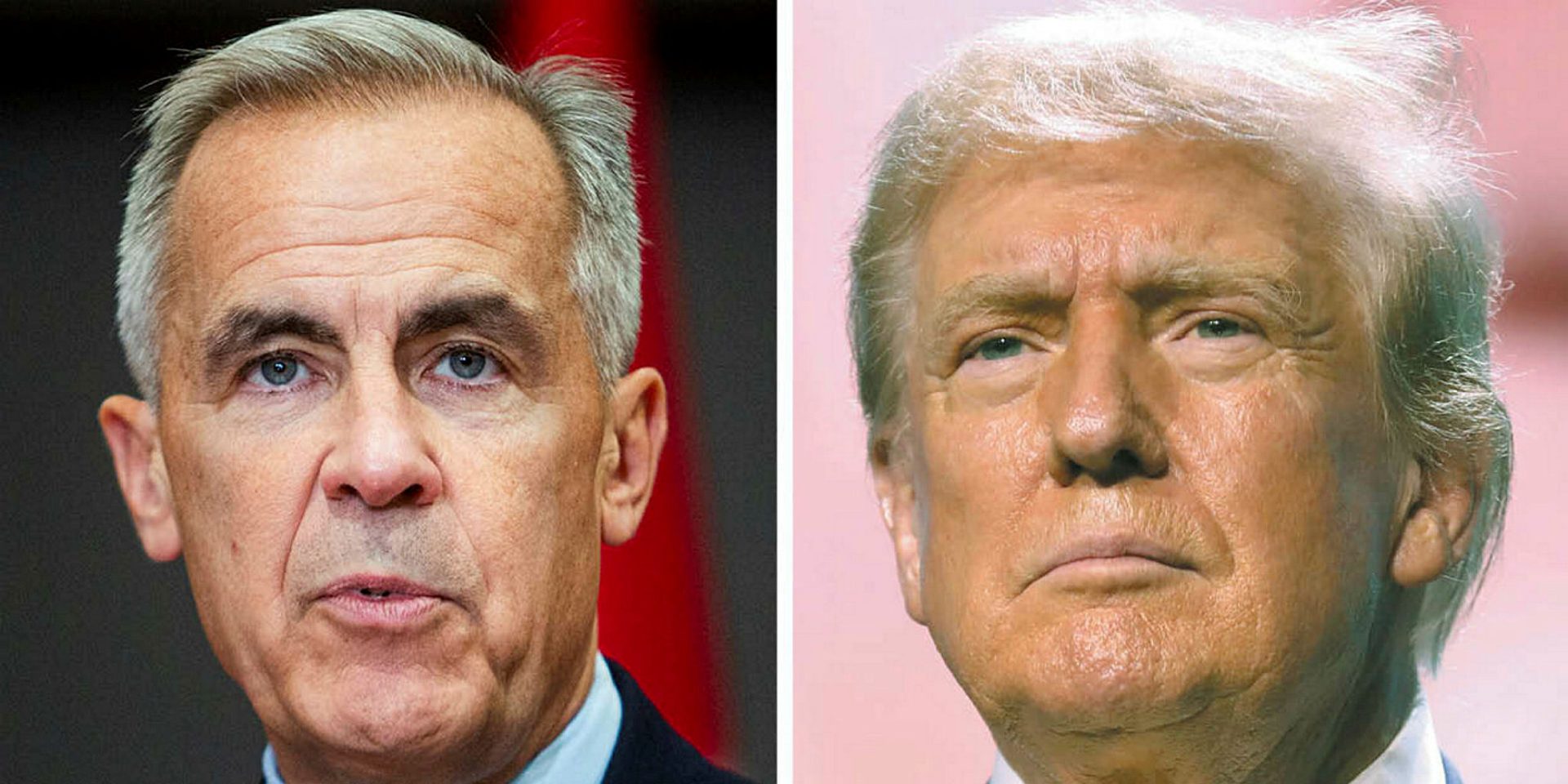
In beefing up cybersecurity, Bill C-8 ‘does not authorize warrantless access to Canadians’ personal data,’ says Public Safety Minister Gary Anandasangaree.
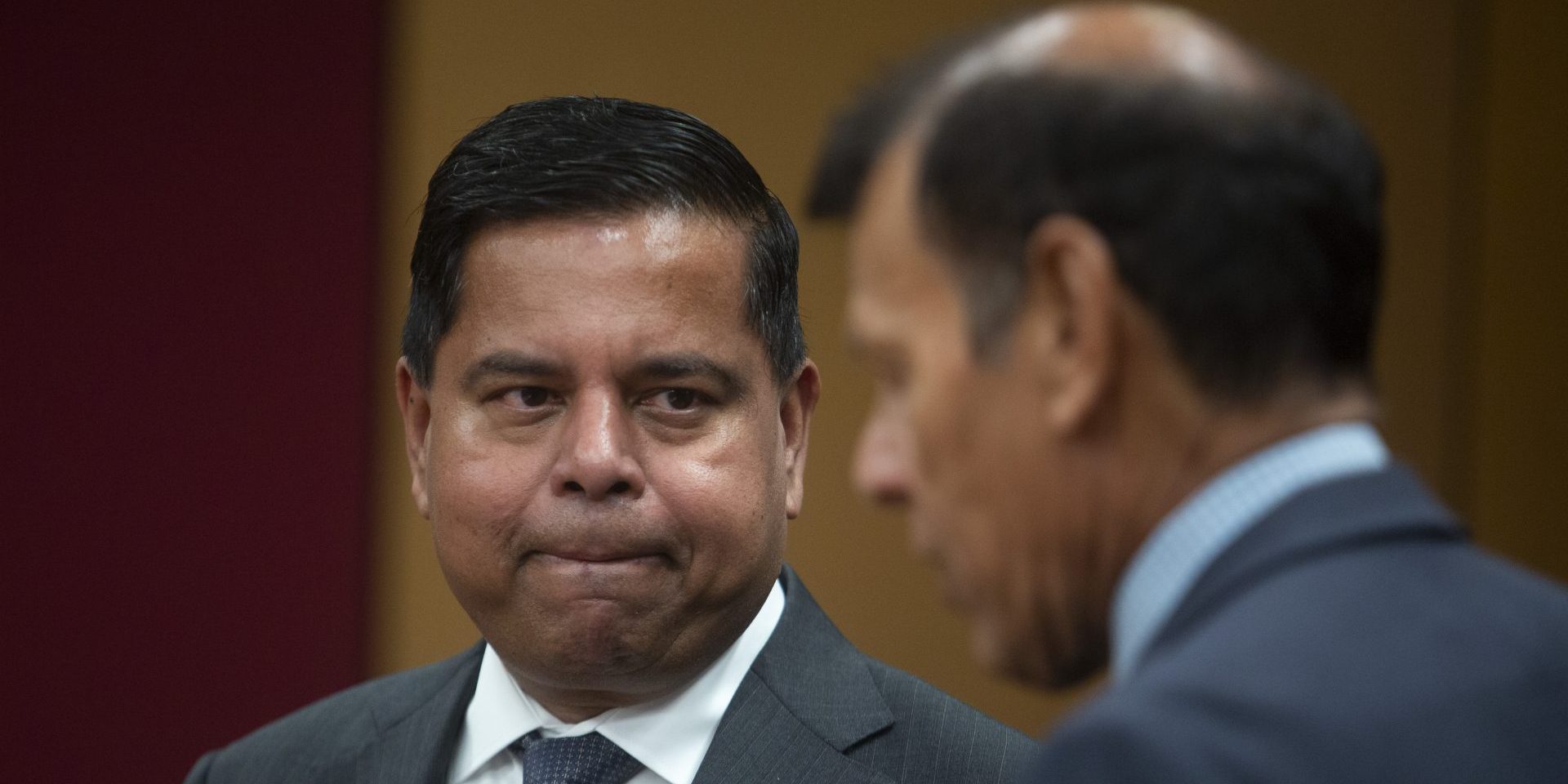
While solid cyber security systems were developed to protect government networks and systems, Auditor General Karen Hogan found not all departments, agencies, and Crown corporations use the security systems available to them.

Bill C-8 establishes a protection regime for federally regulated sectors, and should be treated as a generational opportunity to replace chalk lines with mathematics.

‘The point is, you have got to know who’s doing the work, and you got to know who you’re paying. It’s not splitting an atom; it’s basic due diligence,’ says the Centre for International Governance Innovation’s Aaron Shull.
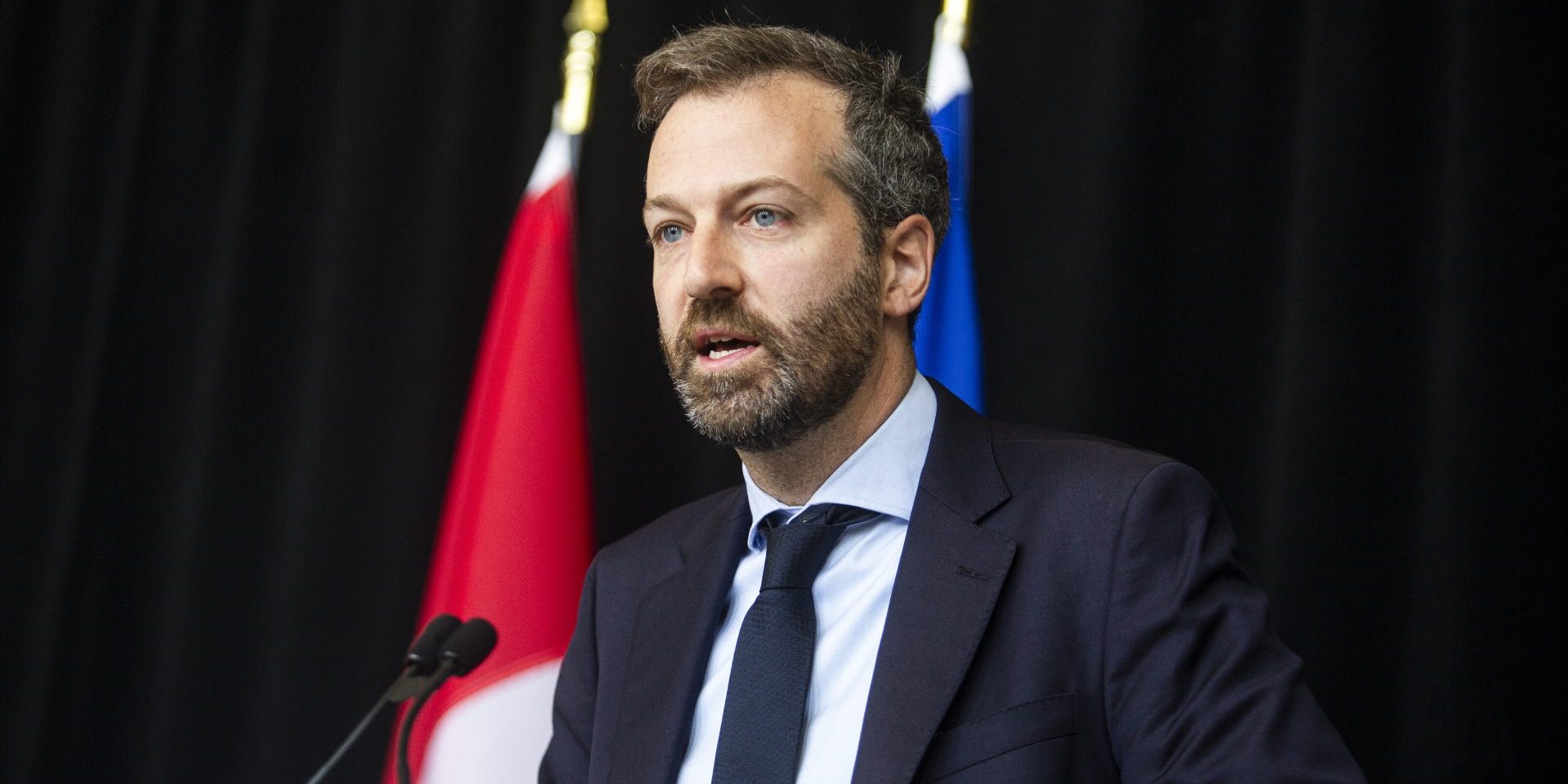
CSE says China targets Canadian law-makers, media, pro-democracy activists, and diaspora communities—and reported that Canadian members on the Inter-Parliamentary Alliance on China were subjected to cyber attacks in 2021.

Sourcing products from new suppliers, finding new markets for our domestic products, being conscious of foreign investment, and increasing our digital security is not an easy task.

Modernizing public safety communications must be part of Canada’s response to Donald Trump’s security concerns.

We have smart business leaders, valuable resources, advanced technological and security capacity, and experience in the fields of defence and security.

The top issue in the next election will surely be the economy, but the second matter of public discourse should be protecting our national sovereignty.

From energy grids to health-care systems, our nation’s most essential assets are being targeted by an ever-evolving array of sophisticated threats from both state and non-state actors.

Former Liberal minister Sheila Copps says a court challenge or grassroots push could force change, while former Conservative staffer Fred DeLorey says parties should set their own rules.

Although AUKUS is holding consultations with Canada to find areas to collaborate on advanced technology information sharing, it has yet to signal if it will welcome new members.