The Americans bragged they’ve launched ‘space-control weapons.’ While high ground has always been an advantage in land warfare, that is not necessarily the same for space, which lacks key targets.
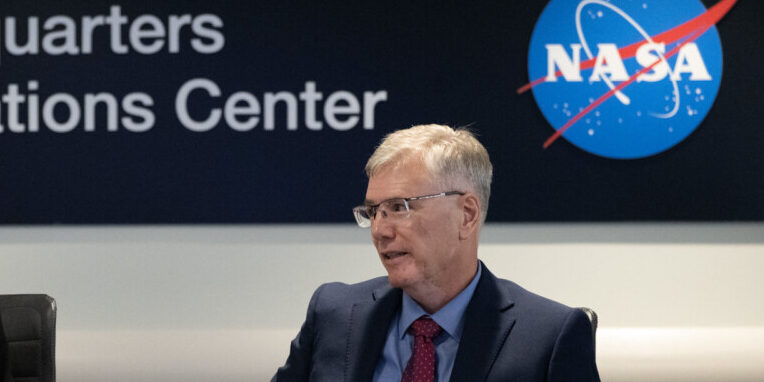
Transport Canada certification has ‘got to keep pace with the new technologies that are coming forward,’ including drones and autonomous aircraft, says Mike Mueller, president and CEO of Aerospace Industries Association of Canada.

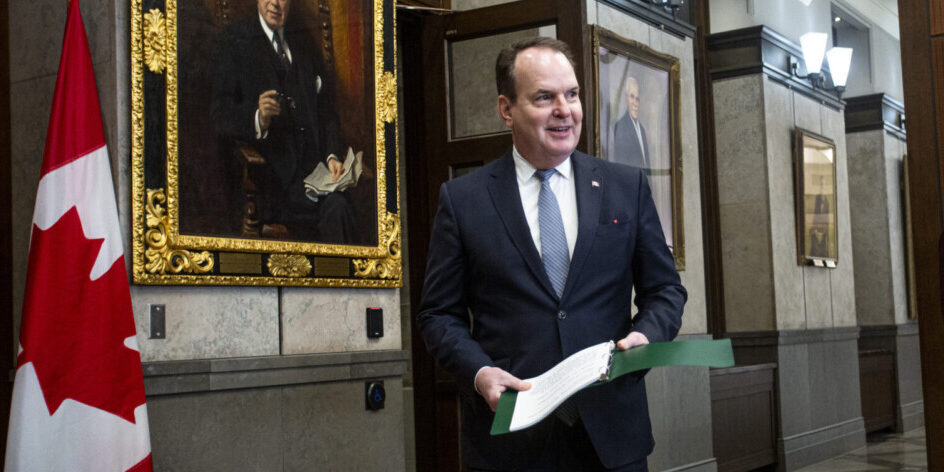
Major projects, like the recently announced surveillance aircraft or submarine purchase, ‘may not necessarily fall into the new strategy,’ says SecState Stephen Fuhr.

Musk does push hard at the boundaries of possibility. With Starship, he has made two promises that are hard to keep.

We can keep treating space as a branding challenge, but Hansen demonstrates the most powerful message may be the one that stays closest to the experience.

The Canadian Space Launch Act, introduced on April 21, would amend the country’s regulatory framework to allow for ‘sovereign space launch capabilities.’
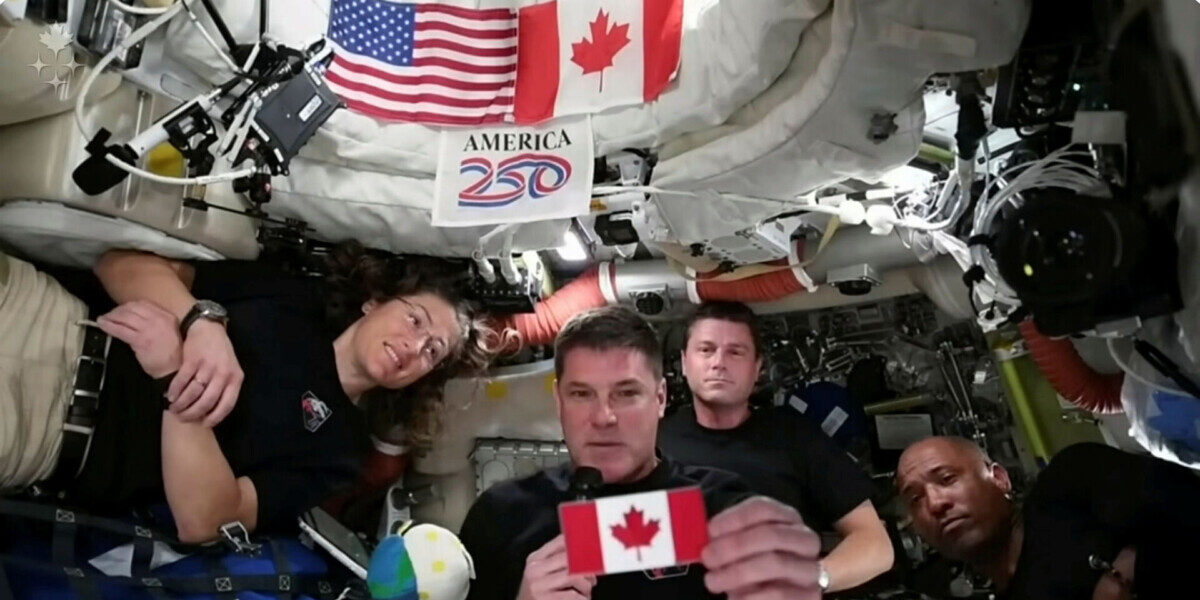
If we continue to train people as though tomorrow’s sector will look like yesterday’s, we will create a gap between technological innovation and human capability.

Constrained nationwide financial support for higher education is certainly not conducive to realizing the experiential learning vision in aerospace training.

In addition to nation-building projects that focus on energy and resources, we need investments that focus on the entire technology ecosystem.

A more integrated framework that fully encompasses both aerospace and aviation would provide the clarity needed to support investment and planning in the long term.
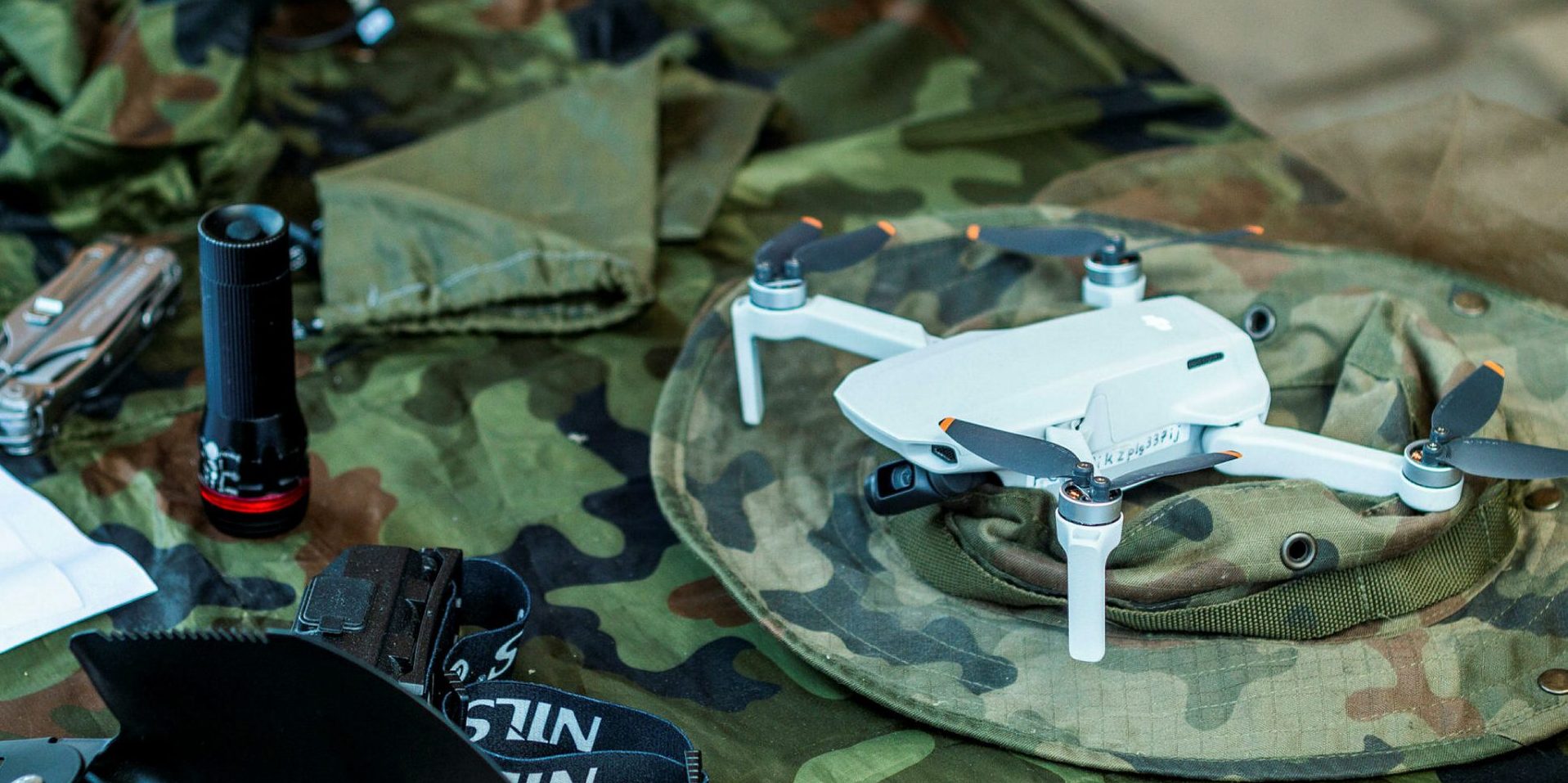
The next era of Canadian airpower will be defined by how effectively a network of systems can work together to improve the capabilities and effectiveness of human operators.

Amid global competition and geopolitical pressures, the challenges and opportunities facing the sector are becoming more urgent and interconnected.

Historically, Canada is ‘too risk-averse, and we’re too slow at contracting,’ says Alex Salt of the Canadian Global Affairs Institute.

If one can’t dream of competing with the great powers for access to the planet’s doorstep, then one is precluded from securing a place beyond it.

National Defence’s most recent departmental plans reduced the readiness target for the air fleet to 70 per cent, down from 85 per cent. The new Defence Industrial Strategy has reversed that decrease just eight months later.

The health of the broader civilian industry matters for our national security and defence industrial base.

The promised defence industrial strategy offers a significant opportunity to advance Canada’s innovation performance and the high-value jobs that should go with it. The biggest question is how we build the leadership and management skills that are essential for success.

The future success of trade talks with the U.S. will weigh heavily when Canada decides if it wants to buy the American F-35 plane, says consultant Eric Miller.

Development of a purely Canadian sovereignty capability for unmanned aerial vehicles would require the coordinated efforts of the country’s aerospace research institutions.
For more than a century, aviation has connected the world through human ingenuity. Aviation 5.0 calls us to renew that spirit for the next century.
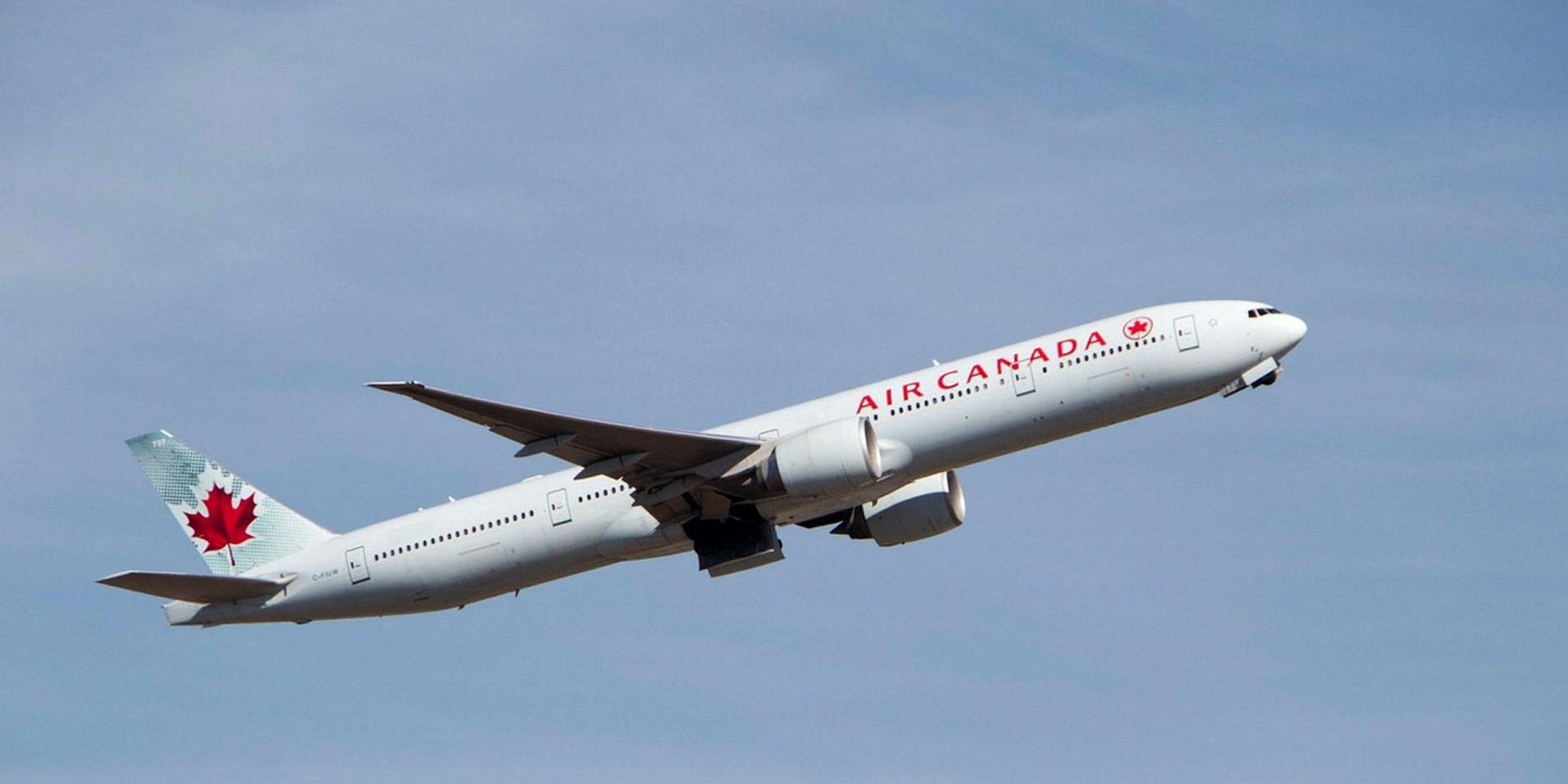
The Carney government needs to take a long view of continental defence to protect Canada and our vital national interests.

Canadian involvement in U.S. President Donald Trump’s ‘Golden Dome’ would surely mean greater military integration between the two countries.

A diverse, local workforce which is currently being trained—or has recently graduated—remains untapped.

Canada’s aerospace and defence industries now need clarity, coordination and execution to be a true partner for government and delivering on the commitments laid out in the budget.

A Defence Industrial Strategy, proposed with an initial investment of $6.6-billion in the budget, is intended to develop Canada’s defence industrial base with more procurement from domestic supply chains.