‘Be prepared for the worst’: governments, Indigenous leaders receive ‘alarming, but not surprising’ wildfire forecast
•As of January, 70 per cent of Canada—and about 81 per cent of its agricultural landscape—was classified as abnormally dry, or in moderate to exceptional drought.
•Agriculture and Agri-Food Canada’s drought monitor for that month showed northern and southeastern Alberta, southwestern Saskatchewan, central British Columbia, and southern Northwest Territories as among the most severely affected areas.
•As drought continues across much of Western Canada, governments at all levels are preparing for a potential repeat of last year’s record-breaking wildfire season.
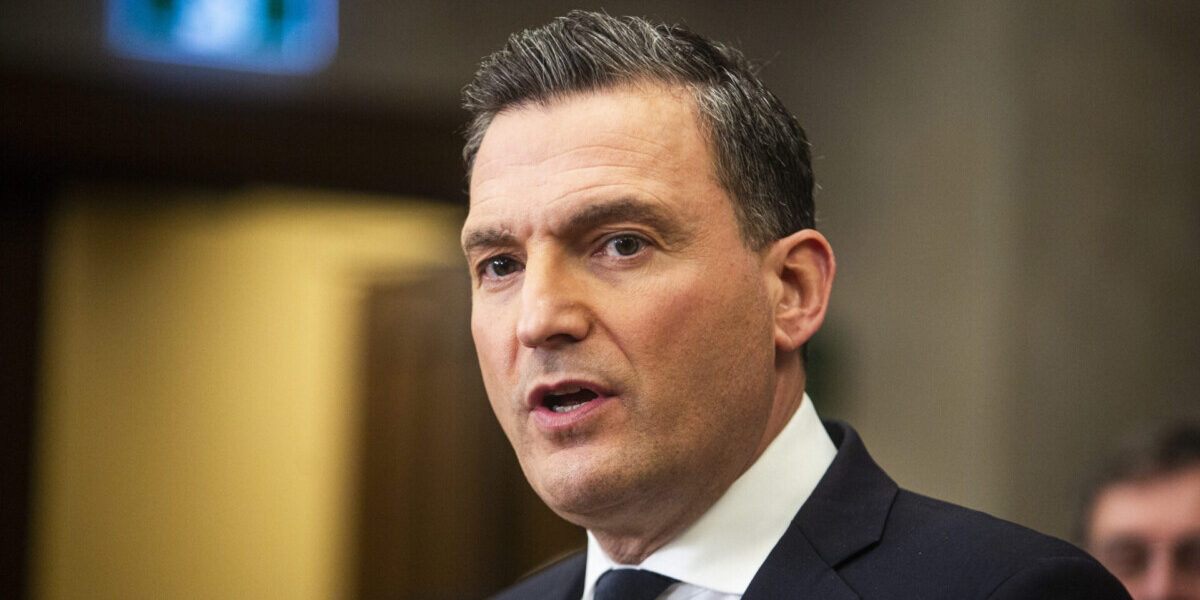
•Last month, Emergency Preparedness Minister Harjit Sajjan met with his provincial and territorial counterparts, and national Indigenous leaders to discuss the upcoming wildfire season. They received 'an alarming, but not surprising update on the forecast which suggest that this season, governments should prepare for the worst,' says Sajjan's press secretary Joanna Kanga.

Ongoing drought conditions, lower than usual snowpack in Western Canada, and an early start to the wildfire season in Alberta have the federal, provincial, and territorial governments on alert for another challenging summer.
Get Today’s Headlines Newsletter
Your quick scan of the news you need each weekday to be the smartest person in the room.
By entering your email address you consent to receive email from The Hill Times containing news, analysis, updates and offers. You may unsubscribe at any time. See our privacy policy