

Stephanie Carvin and Amarnath Amarasingam say the COVID-19 pandemic unified a fragmented movement ‘that could easily snap back together’ under the right environment.

In Australia, the exercise has already helped to reframe the narrative on antisemitism, and draw attention to stakeholders’ concerns.

We have greater access to information, but it’s also an era in which the cacophony of different noises can overwhelm our thinking.

These online media/advocacy influencers aren’t really like the media because they don’t provide balanced information, nor are they really like advocacy groups because they don’t seek to persuade the public. The upshot of all this is that political polarization increases, as everybody starts to see the other side as the enemy. This is not good for democracy.

The Tory leader’s convention speech included a nod to ending diversity, equity, and inclusion. Let’s unpack the idea of merit.

Once political leaders learn they can dictate health policy through culture wars, the intrusion rarely ends.

Now, more than ever, governments in Canada must invest in democratic innovations and demonstrate that democracy is about much more than marking a ballot every four years.
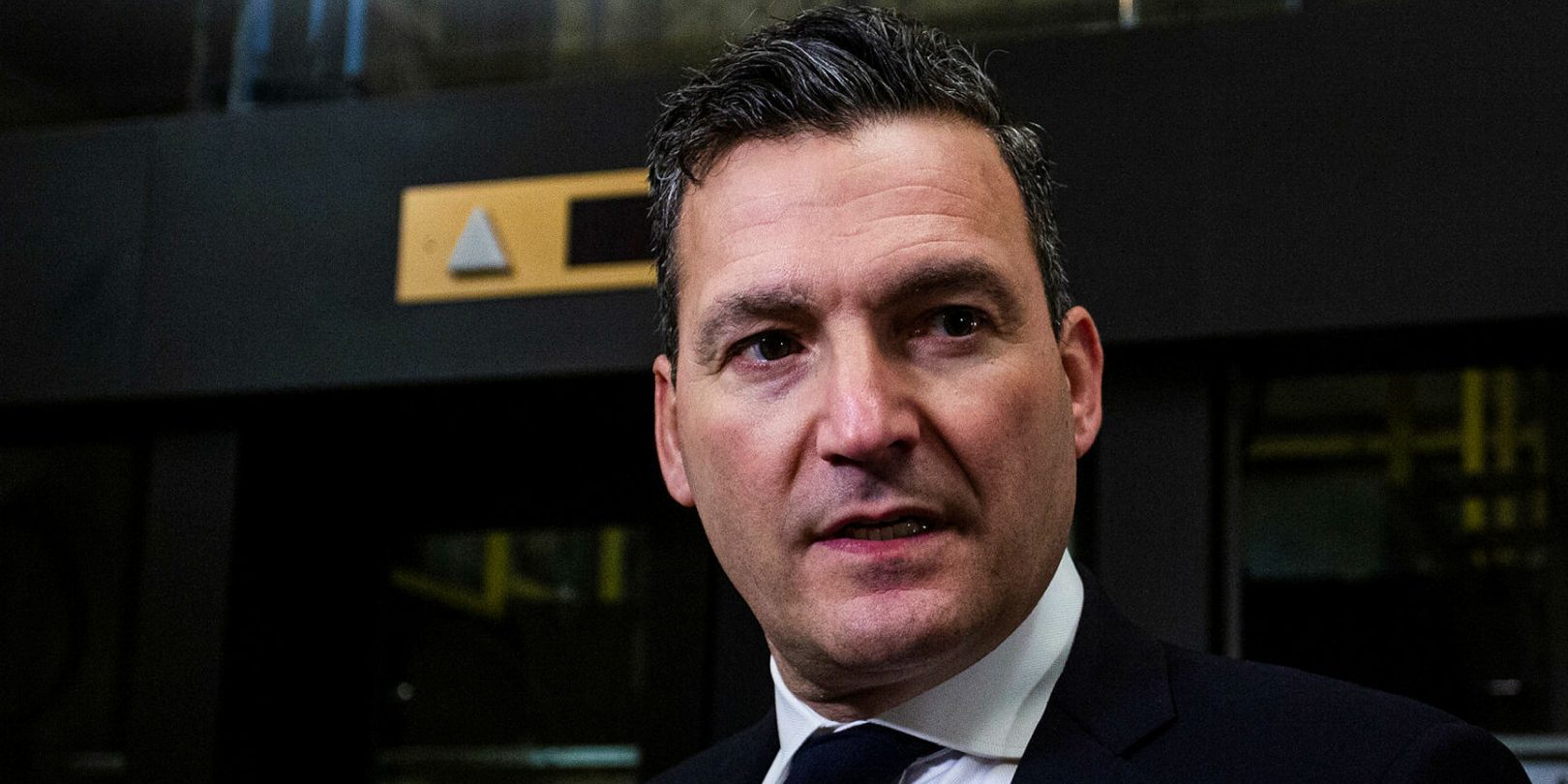
We have good reason to be concerned by the poison of misinformation and hate that willfully seeks to undermine our democratic norms and institutions.
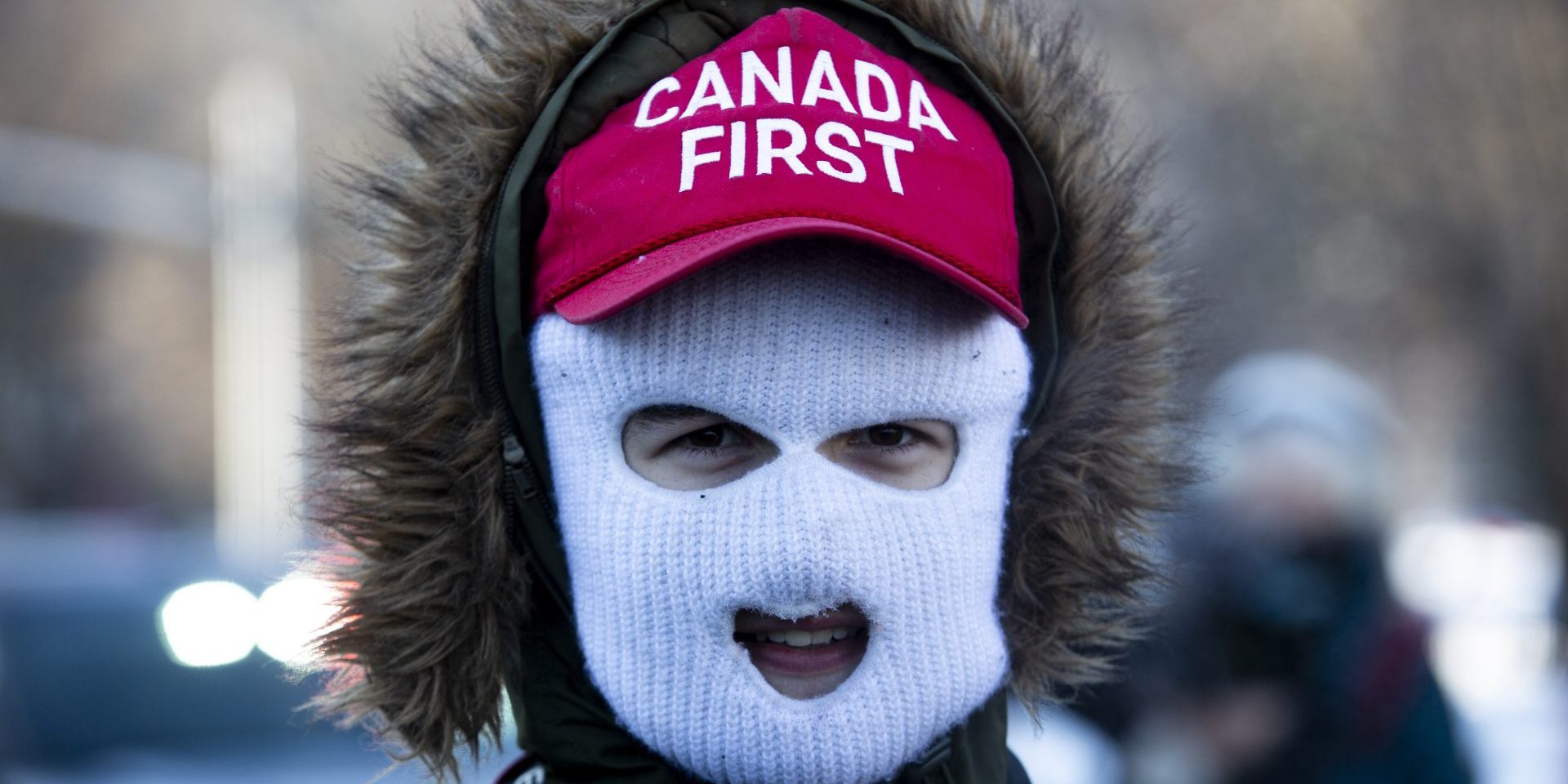
Bill C-9 represents a meaningful first step, but it must be strengthened to truly meet the challenge of rising antisemitism and hate in Canada. This country’s traditions of openness and inclusion must no longer be undermined by hatred, intimidation, or violence. Let’s finally get it right.
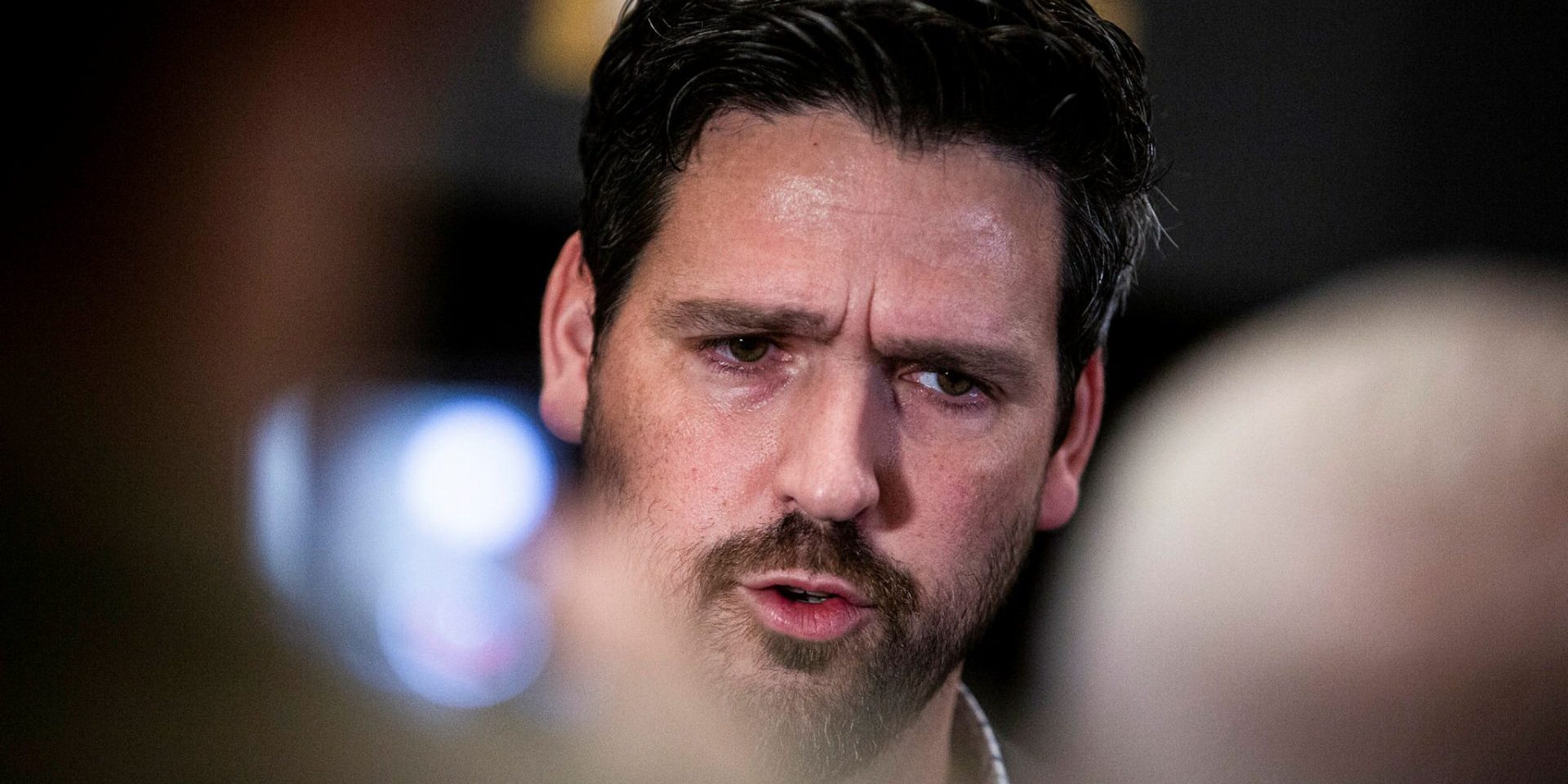
The vague attacks on DEI distract from the very real ways that Canadians interact with equity-oriented federal programs that bolster opportunity and reduce barriers.
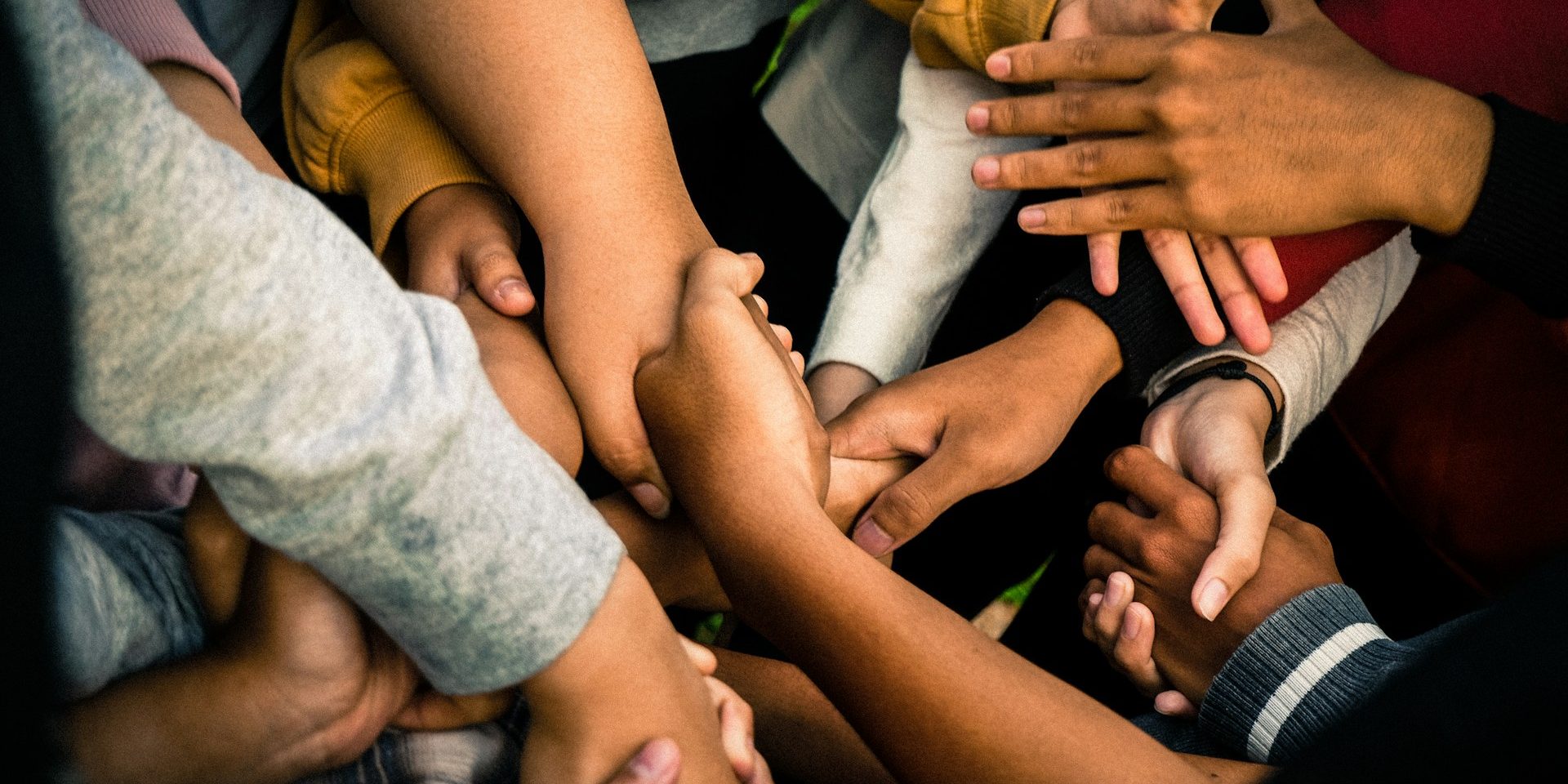
Recent fundraising emails from the Canada Strong and Free Network tap into anxiety and pessimism and are ‘textbook dog whistle politics,’ says pollster Nik Nanos.
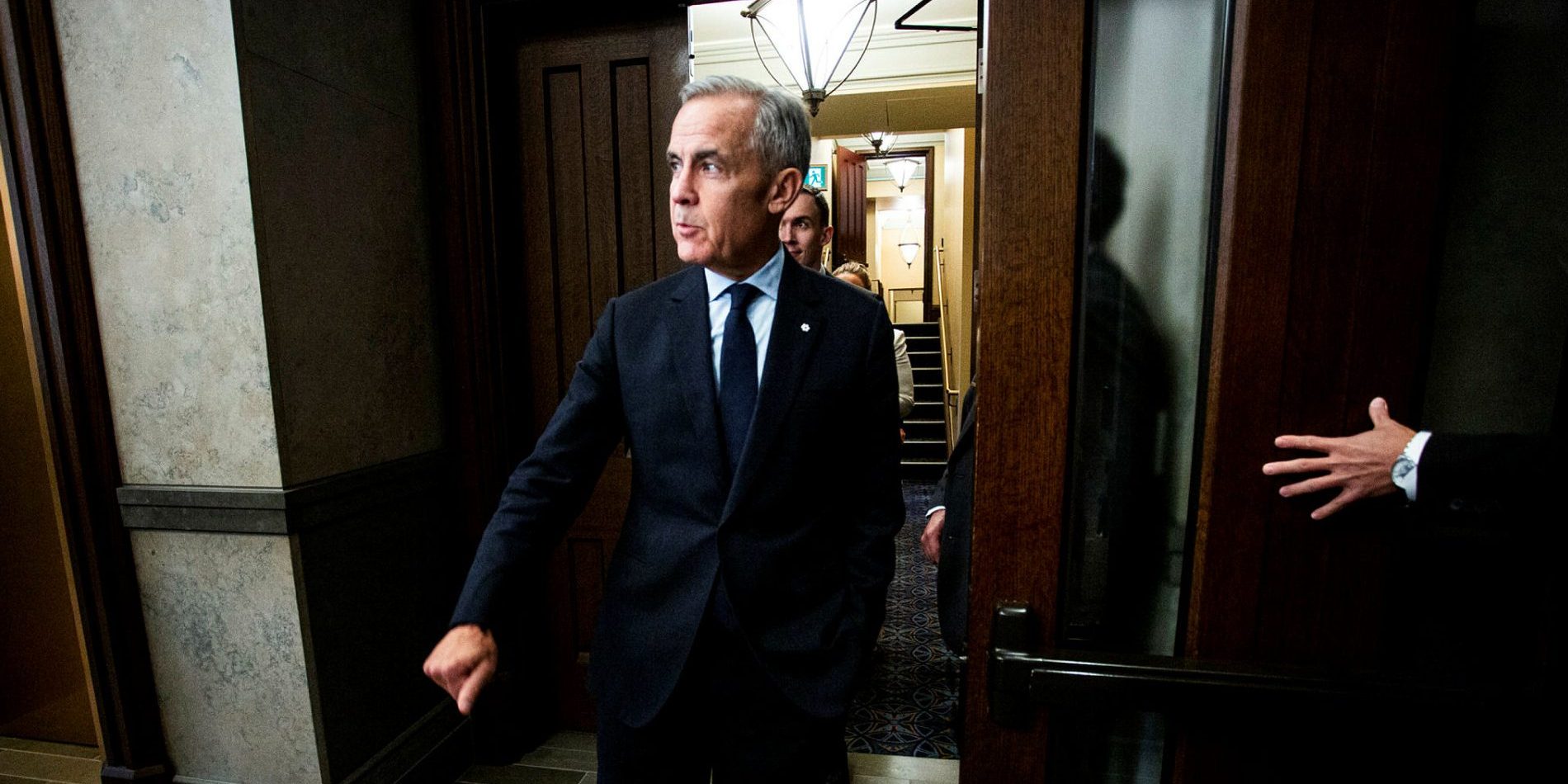
As evidence-based reforms are consistently framed as politically contentious, institutions are constrained, democratic deliberation narrows, and public trust is eroded.

Pro-Palestine protesters routinely face specious allegations of hate that conflate criticism of Israel with antisemitism.

Those of us who were ignorant of Charlie Kirk expected that his background would back up the posthumous honorifics. Instead, what we see is the story of a man who went out of his way to sow division based on race, gender, and religion.

One by one, individual by individual, and institution by institution, the man who once promised to protect free speech is systematically burning it down.
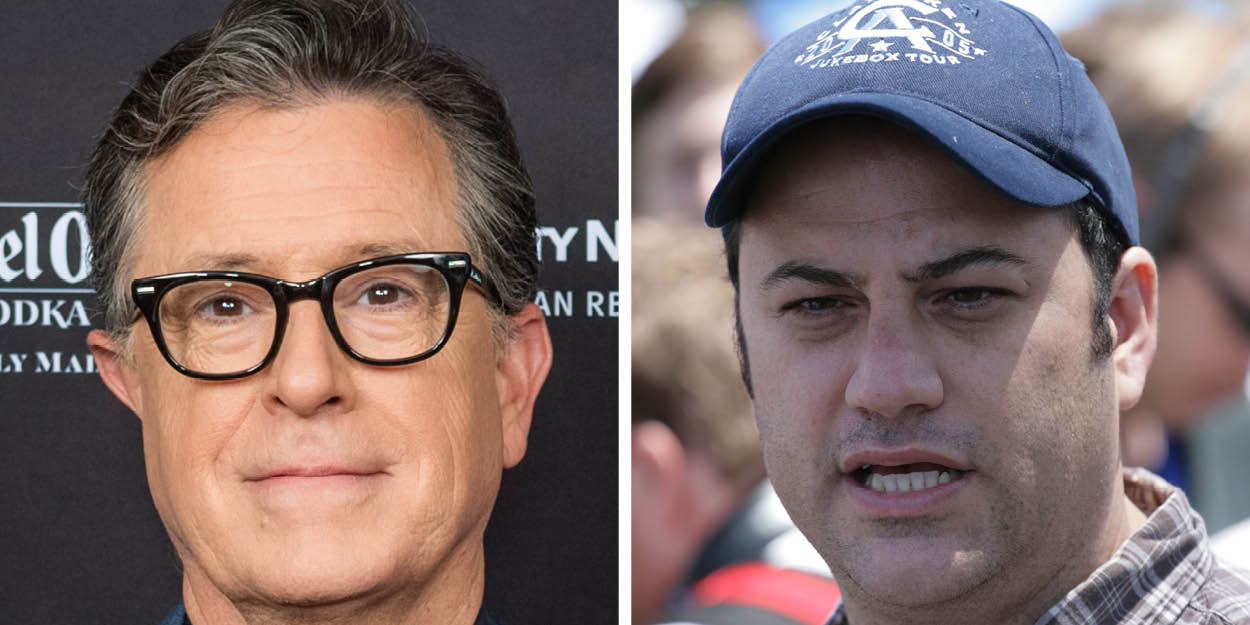
NDP MP Heather McPherson calls out former Conservative leader Andrew Scheer for allegedly fuelling rage.

What would not have been articulated out loud years ago has become acceptable to say openly. Online influencers like Andrew Tate and shows like Piers Morgan Uncensored have thrived in such a culture. We would be foolish to think that such a culture only takes place online.

The rash of more recent shootings is partially explained by a deadly change in U.S. politics. There was a time when political opponents were just that: competitors seeking political power with different ideas of what to do with it. But that is no longer the case.

The type of outrage seen against the actions in Nova Scotia and New Brunswick will reappear against any collective public health and safety measure proposed by any level of government until officials ‘reinvest in the public trust,’ says Raywat Deonandan.

Pierre Poilievre’s decision to select Andrew Scheer as the interim opposition leader shows that he does not want any competition in the temporary job that he would like to fill permanently following an Alberta byelection.

Early assessments of the popular subreddit r/Canada found a few ‘power users’ dominated the discourse, meaning ‘a very small group of people have a lot of power to shape the conversation.’

Quebec’s minority linguistic and cultural communities are now being bombarded with extreme nationalism in bills 84 and 94.

The Conservative leader need not be who he isn’t, but he might want to show and talk more about where he would take Canada in this uncertain world.

On March 3, Amira Elghawaby’s office released a new Canadian resource guide on combatting Islamophobia.

The question for the next federal government won’t be whether progress has gone ‘too far,’ but whether we have the courage to push it where it needs to go.
