

The global shift toward electricity is unmistakable. The countries that move fastest to build integrated, resilient electricity systems will shape the next generation of industrial leadership. Canada has what it takes to lead. We just need a national purpose to build.

Prime Minister Mark Carney’s Alberta deal waters down Canada’s approach to industrial carbon pricing, say environmental advocates.

The prime minister is starting to collect evidence to help Canada reclaim its status as one of the world’s most investible, mining-friendly jurisdictions.

The federal Liberals have taken the position that an Alberta-to-B.C.-coast oil line has to have a private sector proponent. So far, none has stepped up.

Ottawa’s new electricity strategy says efforts to double Canada’s grid capacity will cost more than $1-trillion, and will be achieved in part by linking existing power grids and ‘adjusting’ current clean electricity regulations.

AI and military initiatives could overtake renewable energy efforts in the government’s Critical Minerals Strategy.

Environment and Climate Change Canada must follow through on the prime minister’s commitment to amend the country’s Clean Fuel Regulations.

We have everything we need to succeed as a renewable energy powerhouse, now we must build on that foundation with urgency and ambition.

In an increasingly unstable world, climate policy that outpaces economic reality will not succeed.

Well-designed industrial carbon pricing ensures Canada can live up to its potential as a diversified energy powerhouse.

The federal government has allocated $3-billion over five years for Global Affairs Canada to help vulnerable countries cope with impacts of climate change.
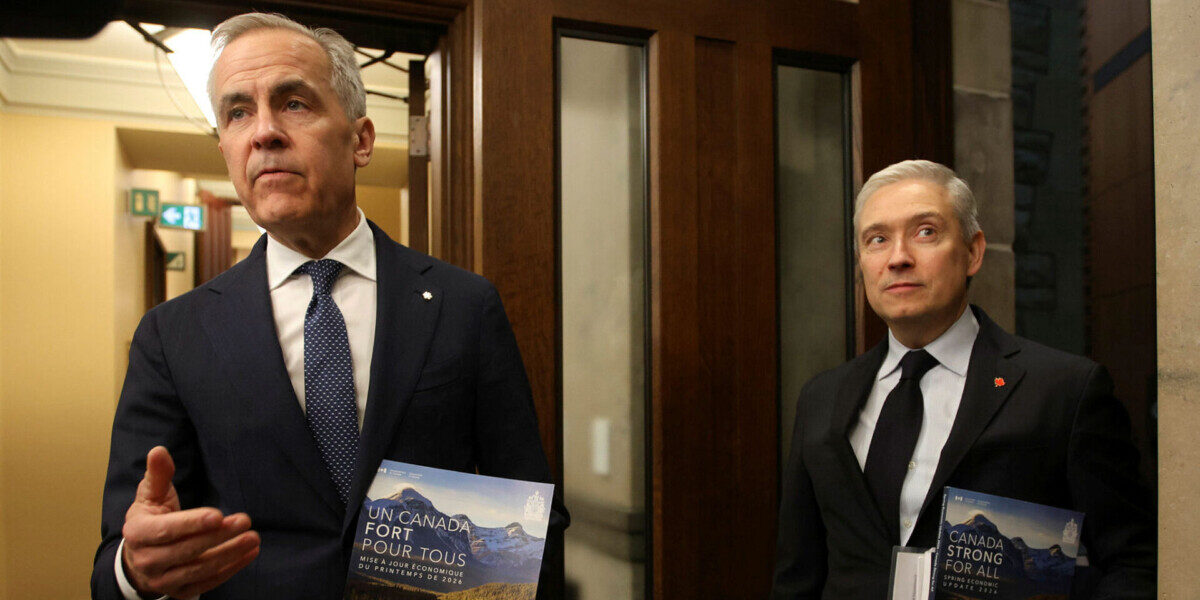
We don’t need Band-Aid solutions for bleeding consumers, but a long-term strategy to encourage investment that marries real energy security, environmental benefits, and less exposure to volatile global energy prices.
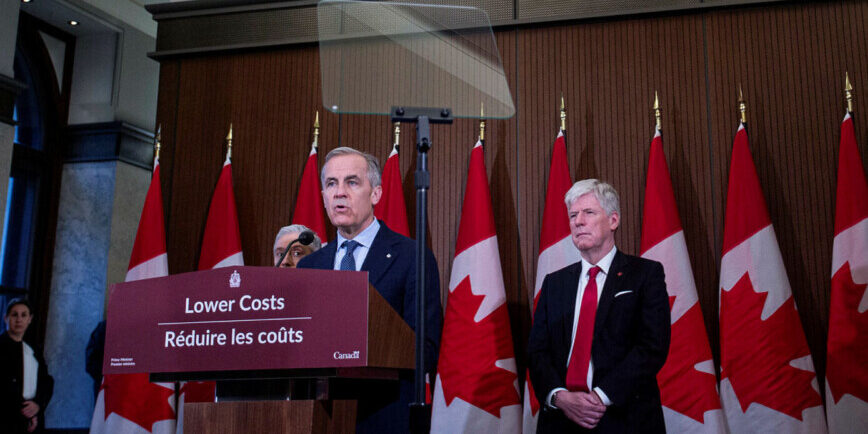
In its current form, the bilateral pact negotiated by the Trudeau government would accelerate Canadian mining expansion in Ecuador while privileging investor protections over the rights of affected communities.

Companies will need to adopt increasingly expensive technologies, making further decarbonization more expensive until more innovative and cost-effective solutions are found.

The Building Canada Act is only a starting point. Without a methodology, project designation risks becoming ad hoc, contested, or overly political, undermining public confidence and private investment.
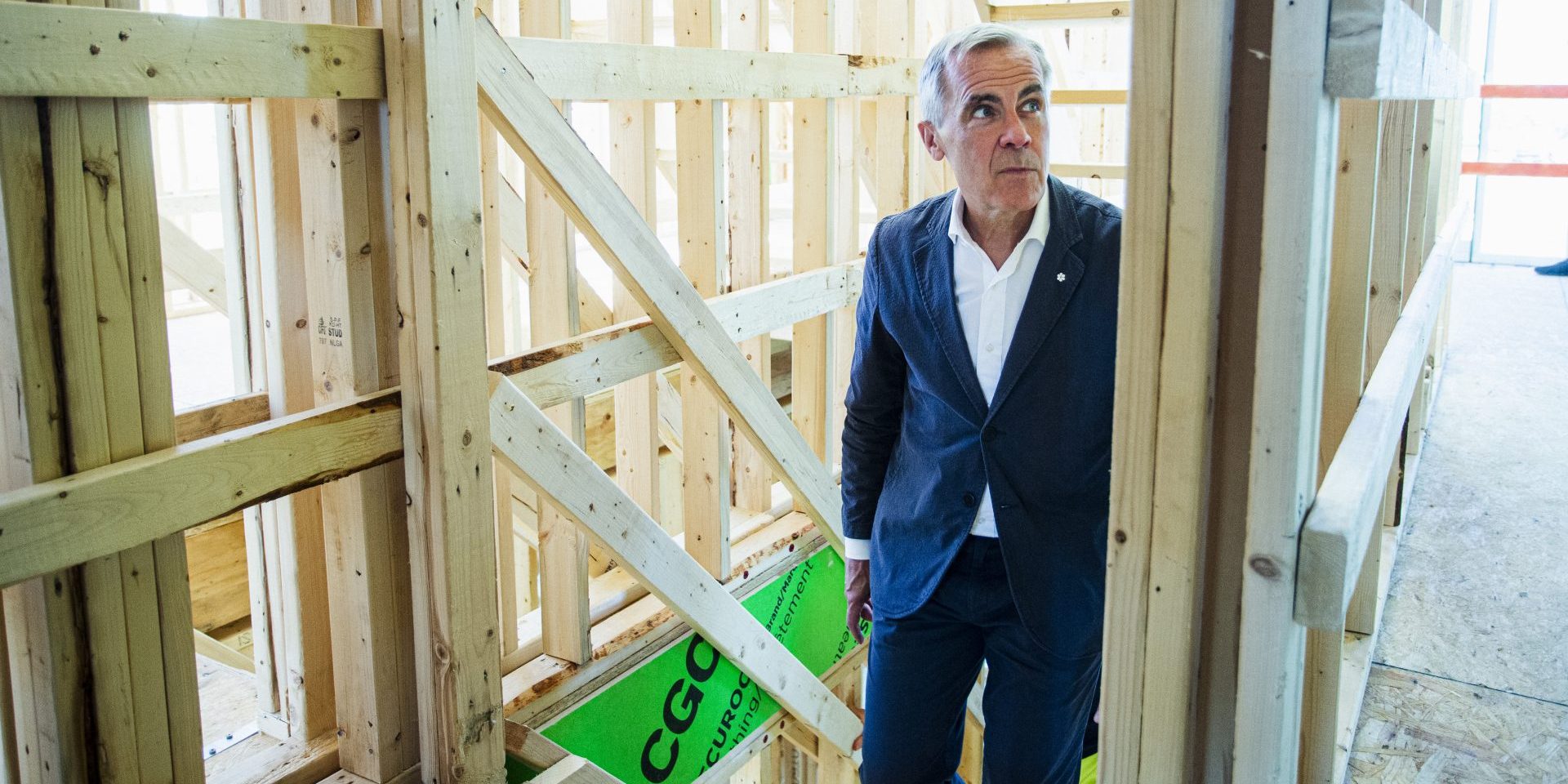
The war against Iran will almost certainly accelerate the transition from a fossil-fuel economy to an electricity economy, reinforced by continuing concerns over future geopolitical threats and by the potential for future technological advance, as well as by the growing threat to global well-being from climate change.

Modernizing Canada’s electricity system to meet the demands of our collective future must become a turning point for economic reconciliation.

It would be hard to choose a less suitable place to consolidate all federal radioactive waste than in a seismically-active zone beside the Ottawa River that provides drinking water for millions of Canadians in communities downstream including Ottawa, Gatineau, and Montreal.

While it might sound like good news for Alberta coffers in the short term, high oil prices actually threaten to accelerate a longer-term trend in investment that Canada and Alberta should pay close attention to as they develop an MOU that will have broad implications for Canadian competitiveness.
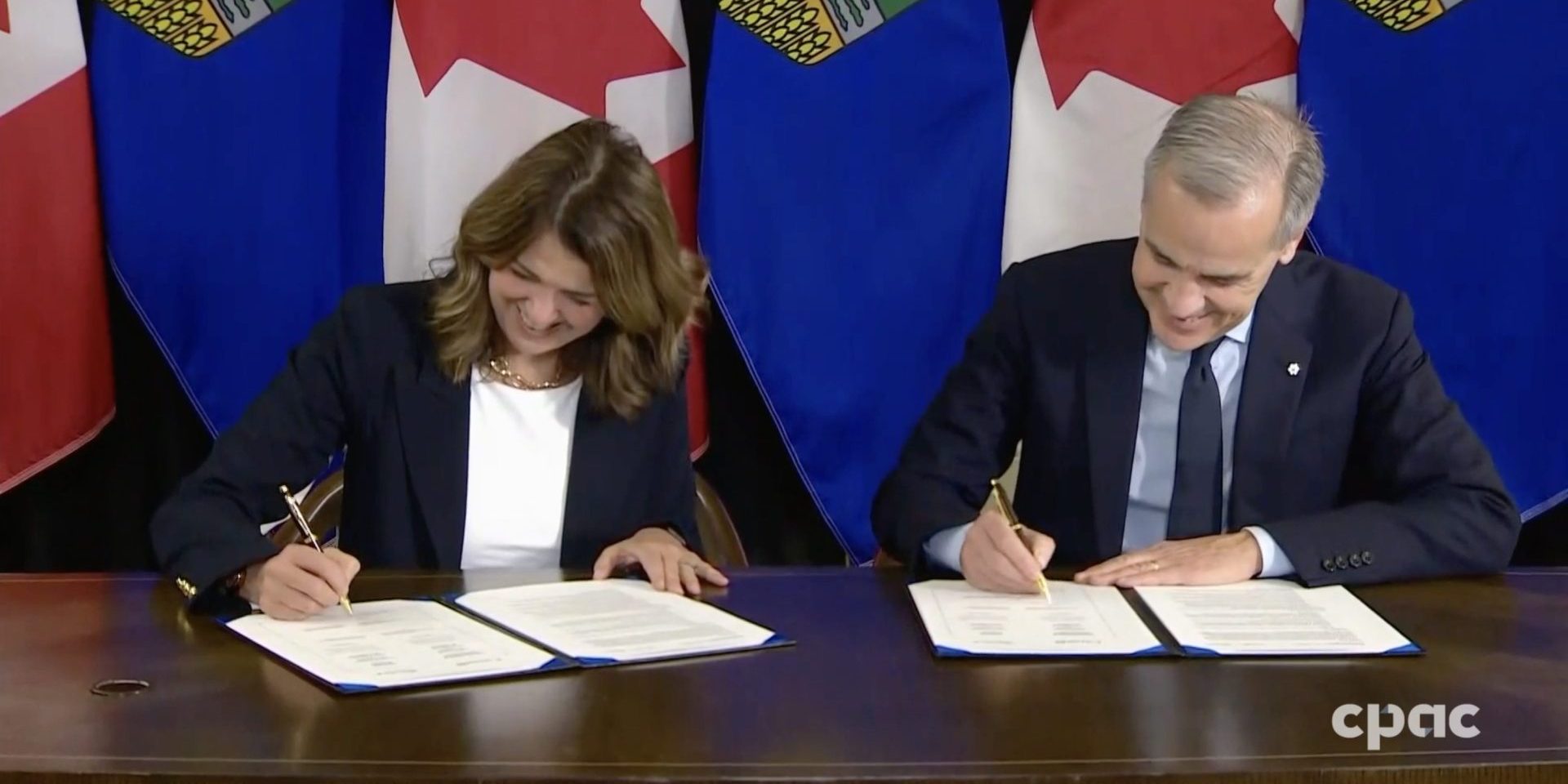
No single jurisdiction has all the ingredients. But by leveraging its collective strengths as a whole, the region becomes competitive.

Building a workforce for critical minerals is simultaneously building Canada’s clean energy workforce.

Minerals, metals, and raw materials will be central to our evolution amid geopolitical changes not experienced in generations in the west.

When First Nations have the resources and tools to participate fully, projects are more stable for everyone involved.
Canadians are realizing that it’s easier to expand existing overseas markets for commodities than develop new ones for manufactured goods.

Every generation, energy and resource busts turn to booms, and what a gift Canada’s resource endowment then becomes.
