

Heated Rivalry creator Jacob Tierney says he is ‘strangely confident’ the prime minister ‘knows what he’s doing’ in U.S. trade negotiations as the Online Streaming Act remains under fire.

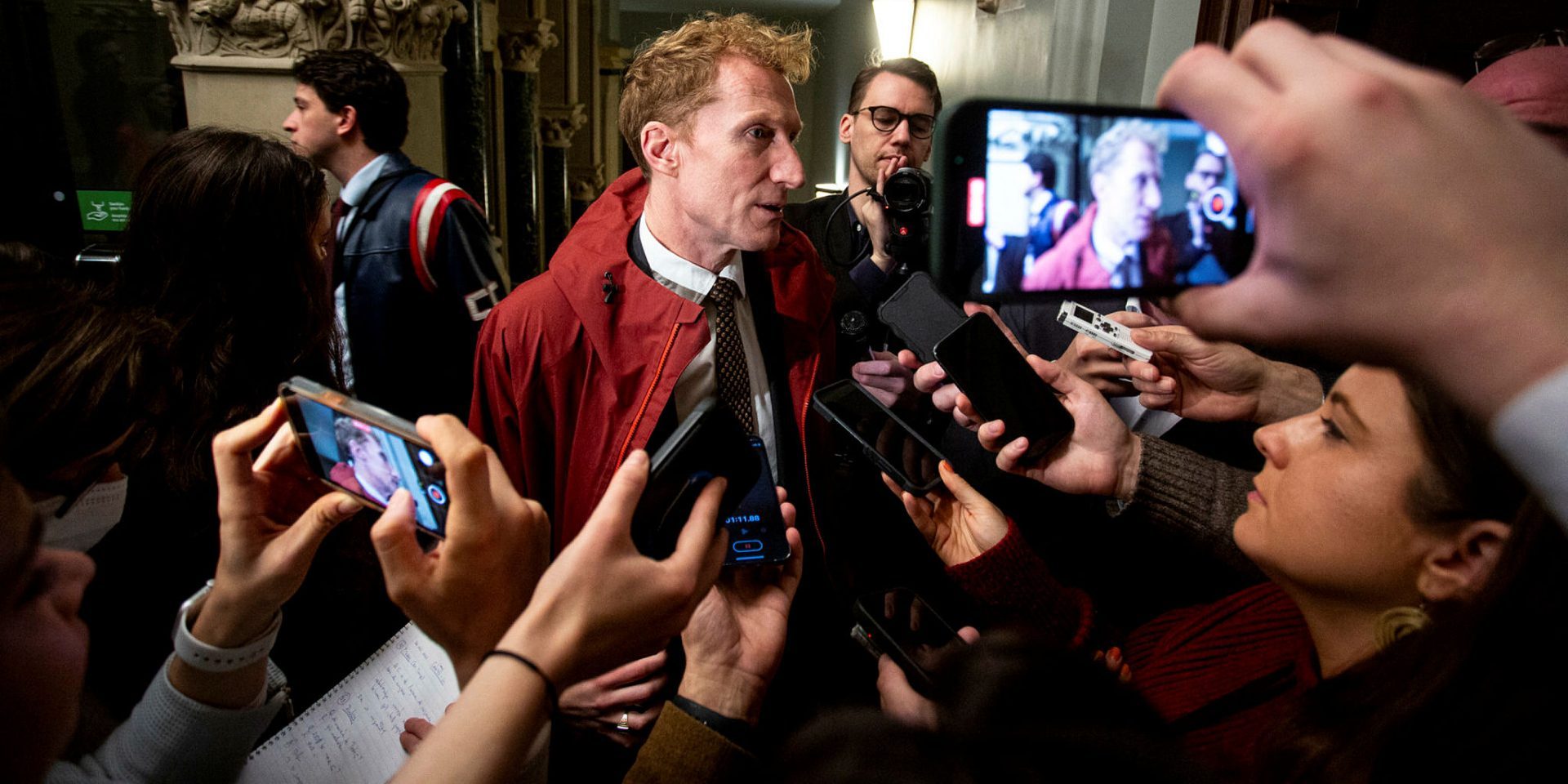
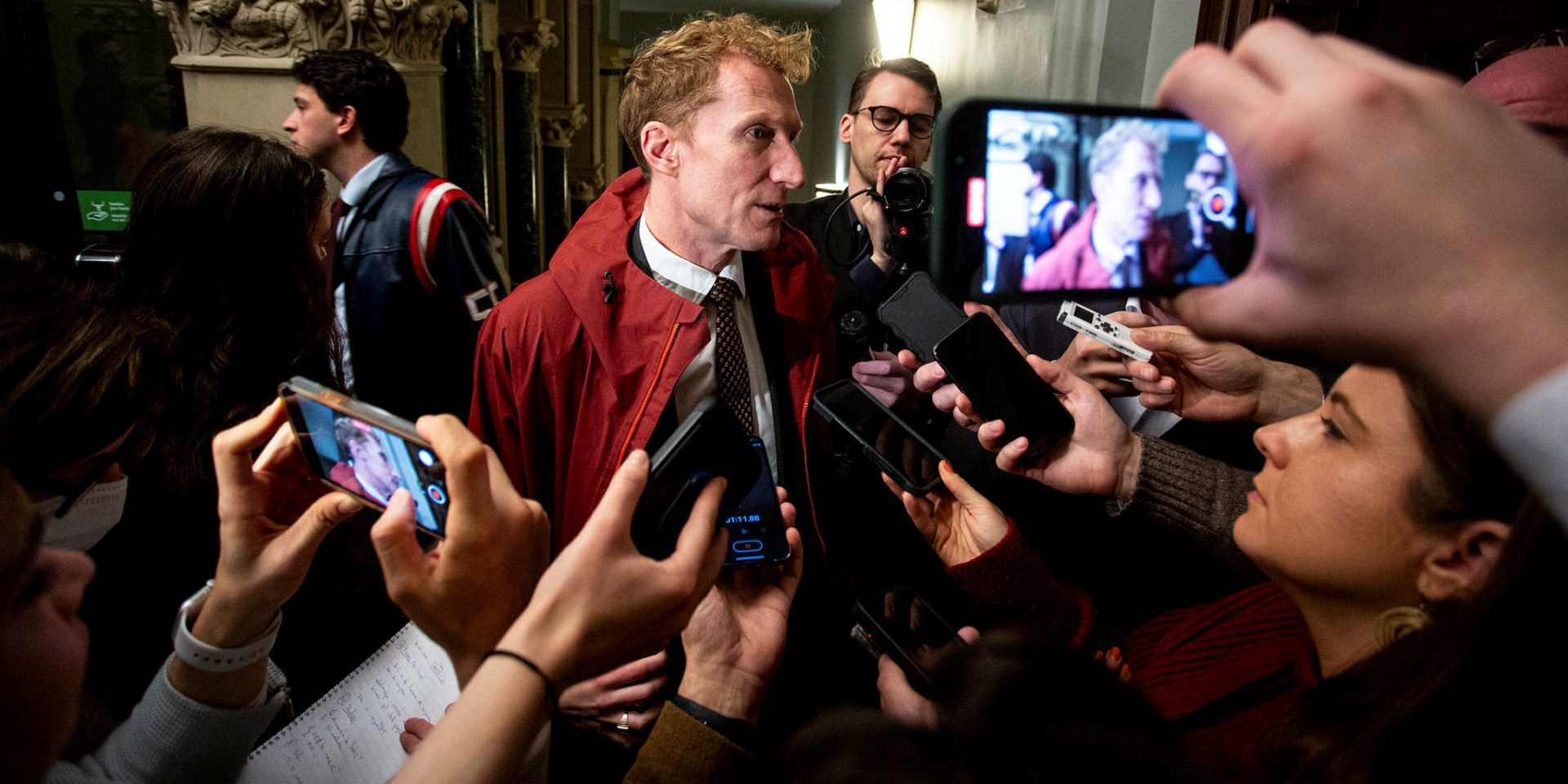
Canadian Identity Minister Marc Miller says the law was part of ongoing trade discussions with the United States—putting the country’s modernized broadcasting framework in jeopardy.

As Canada faces threats to its sovereignty, Ontario Senator Marnie McBean says hosting an Olympics is a surefire way to create national unity and demonstrate Canadian strength.

Last week, the CBC announced it would expand into 11 new markets in an effort to provide more “boots on the ground journalism,” but some local media outlets are concerned there won’t be enough room for everyone.

The Crave television sensation about two closeted male hockey players has reached viewers across the globe—but MPs say they think the show’s most important effects will be felt close to home.

A source familiar with government deliberations expects Ottawa will move forward with a review later this year, while stakeholders wait impatiently for the mandate’s first update in nearly 35 years. Meanwhile, CBC announced it will hire 33 reporters to populate new and pre-existing local newsrooms, and will offer local news coverage in 77 localities across the country.

From Margaret Atwood, to Heated Rivalry, Canada’s cultural outputs could bring Ottawa ‘soft power’ across the globe, says John Degen, CEO of the Writers’ Union of Canada.
Should Canada invest in and encourage new technologies? Sure. But can we please do so without ignoring crumbling cultural infrastructure? Stop the monorail; Canada’s professional creators want off.
On Dec. 17, U.S. Trade Representative Jamieson Greer said Canadian cultural laws ‘discriminate against U.S. tech and media firms.’ But Canadian cultural groups insist both the Online Streaming Act and the government’s free-trade exemption are critical to supporting this country’s arts and media industries.
The last budget was silent on NAFC funding which is scheduled to sunset because the existing 10-year funding agreement ends in 2026.
Thirty-seven years have now passed since the announcement of the Japanese Canadian Redress Agreement. It is easy for past events to fade into obscurity yet this history must be passed on to the next generation.
Because our country lacks the incentives needed to secure Canadian financial backing, success stories like Come From Away mean millions of dollars go to international investors instead of into Canadian theatres, artists, communities, and jobs.

When policies reflect equity, so do outcomes. That is how public funding builds public trust.

‘Pride is not necessarily welcoming to everyone anymore, and that’s the opposite of what it should be,’ says conservative commentator and transgender advocate Blaine Badiuk.

Parliament must update the Copyright Act so that Canadian creators are compensated when their works are used for education.

There is a definite need to reform the public broadcaster, but a failure to preserve it would remove a cornerstone of our country when we need to build it up.
As Canada chooses its next leader, let’s be clear: you can’t claim cultural sovereignty while leaving artists behind.

Make no mistake. Trump has designs on the cultural and linguistic foundations of our nation. But are Canada’s political leaders ready to defend our bilingual character, to say nothing about standing up for Indigenous languages and cultures?

Quebec’s minority linguistic and cultural communities are now being bombarded with extreme nationalism in bills 84 and 94.

Although the Montreal Canadiens have fewer Quebecers than in the past, it continues to be the standard-bearer of French Canada.

We have the building blocks to define a Canadian identity, but they need to be reviewed, reformed, and rebuilt.
Heritage Minister Pascale St-Onge says it’s important to complete her mandate, but Carleton journalism professor Chris Waddell says he’s ‘not sure this will survive much longer than the announcement.’

A CBC spokesperson says the briefing note prepared for a 2023 meeting with the Global Affairs Canada deputy minister is ‘incorrect,’ while GAC says it ‘outlines CBC’s objectives for the discussion.’
In the face of déjà-vu Manifest Destiny, such a document could be our philosophical anchor and cultural manifesto, ensuring our stories, symbols, and sensibilities remain relevant and indispensable in the 21st century.

ITK President Natan Obed says the inclusion of Inuktut on the translation platform can empower Inuit to ‘interact more fully in the digital world.’
