

Canada already lacks adequate safeguards and oversight for medical assistance in dying. Pausing the practice for mental illness should only be the start.

Renewing the ban on MAID for mental illness would create additional injustices for the disabled community.

Health Canada has six sets of funding deals with provinces and territories—some of which expire next March. Marjorie Michel will only confirm she’s in talks to renew the ‘Working Together’ deals.
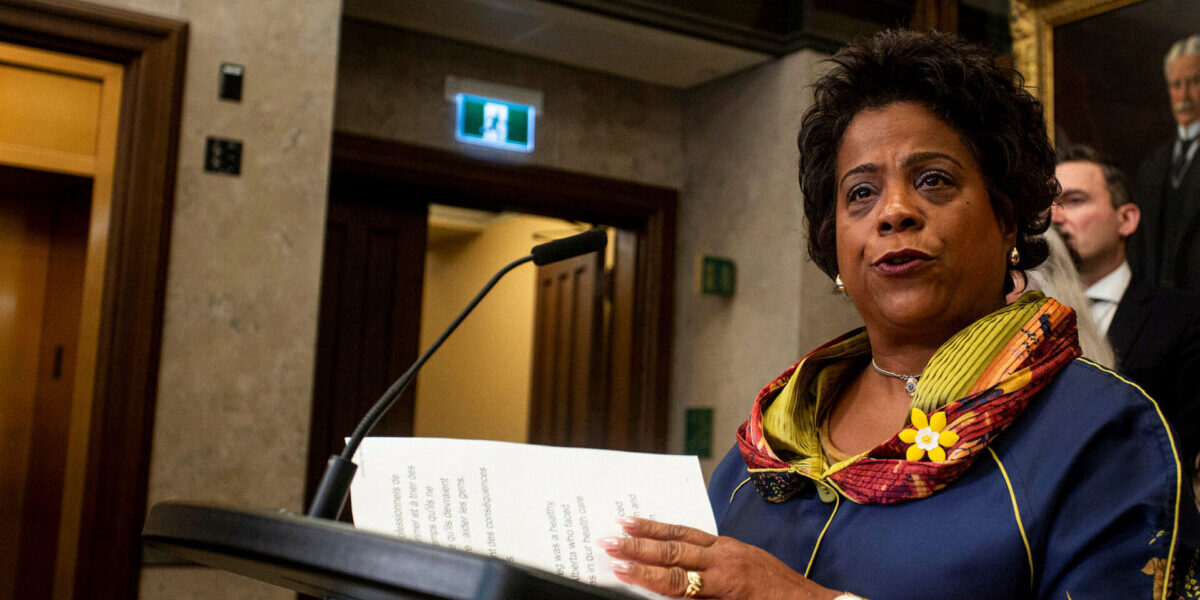
After my suicide attempt, I encountered a system that was difficult to navigate. There was uncertainty about where to turn and long waits for care. In some cases, people are waiting up to 710 days for access to professional support. No one should have to rely on luck to get help.

A committee of 15 MPs and Senators is considering whether eligibility for medical assistance in dying should be expanded. Their work has been subject to criticism from some—including Senators—that most of the testimony has come from those opposed to the move.
Hopefully, the majority of the Special Joint Committee on Medical Assistance in Dying will find the courage to recognize the rightful choice of those few Canadians who are suffering intolerably from a mental illness despite years of treatment.

Online harms require attention, but so do the broader systems that shape mental health and well-being.

A joint parliamentary committee is studying recommendations for the eligibility of medical assistance in dying for those whose sole condition is mental illness. It’s currently set for implementation in 2027, following two delays in the last three years.

Reduced spending described in the 2026-27 departmental plan is attributed to the scaling back of COVID-19-related measures and the potential expiry of programs including the national suicide crisis helpline and the Canadian Drugs and Substances Strategy.

Mental health care must be accessible, reliable, and permanent regardless of who is in government. Lives depend on it.

Conservative health critic Dan Mazier says an upcoming committee report on immigration and health care will include ‘damning evidence’ that will surprise people.

Long-time mental health advocates Conservative MP Todd Doherty and NDP MP Gord Johns say their passion for the subject is personal.

The Canadian Association for Long Term Care says it will need an additional 382,400 to 454,000 beds by 2035 to keep up with demand. This is an increase of between 93 per cent and 121 per cent.

The agency’s 2024-25 departmental results report uses rates from a 2021 survey. Newer data is available, but that source doesn’t include rates from all provinces and territories.

We must address a core problem that is quietly undermining their ability to participate fully in the economy: the decline of youth mental well-being.

Children are ‘an afterthought,’ ‘get attention in a crisis, but not beyond,’ say advocates as they push for strategic action and funding for kids’ wellness.

Canada needs a strategy for chronic obstructive pulmonary disease and asthma with integrated surveillance systems, improved access to care, and targeted programs to reduce hospitalizations.

The 2025 budget didn’t include any new funding for these areas as Prime Minister Mark Carney’s Liberals continue to rely on bilateral agreements negotiated by the previous government.

Given the mental health struggles many veterans face, the truth is we continue to lose those who have served to their injuries, but it is not as easy to find the number after they’ve left the Forces.

Health Minister Marjorie Michel says that funds remain available through existing bilateral agreements and the Emergency Treatment Fund.

Canada has always invested in brain science, even during fiscal challenges. While others pursue AI dominance through speed and scale, we could lead by putting human cognition at the centre.

Policy priorities for some Senate committee members also include digital health technologies, the impacts of climate disasters, and medical assistance in dying.

The Nov. 4 budget and this week’s health ministers’ meeting are the Carney government’s chance to communicate a distinct health policy agenda.
Canadians deserve more than promises—they deserve access, investment, and
accountability.

Reports of ‘AI psychosis’ where individuals develop delusions involving chatbots or perceive the technology as communicating directly with them underscore the new psychological risks introduced by these tools.
