

We put our faith in Prime Minister Mark Carney to steer us through difficult times. But the path he is steering us down is treacherous, and Canadians are starting to notice. When will Carney?

As we face the accelerating climate crisis, the imperative to move away from fossil fuels is urgent, but so too are nature-based climate solutions. It’s not ‘either-or.’ We need ‘both—and’ and, as quickly as possible.

With all of the challenges and crises we face, eliminating PFASforever chemicals one thing we can do to stand up for our health and our heroes. Let’s not let another season go by without taking this important next step to protect ourselves and our communities.
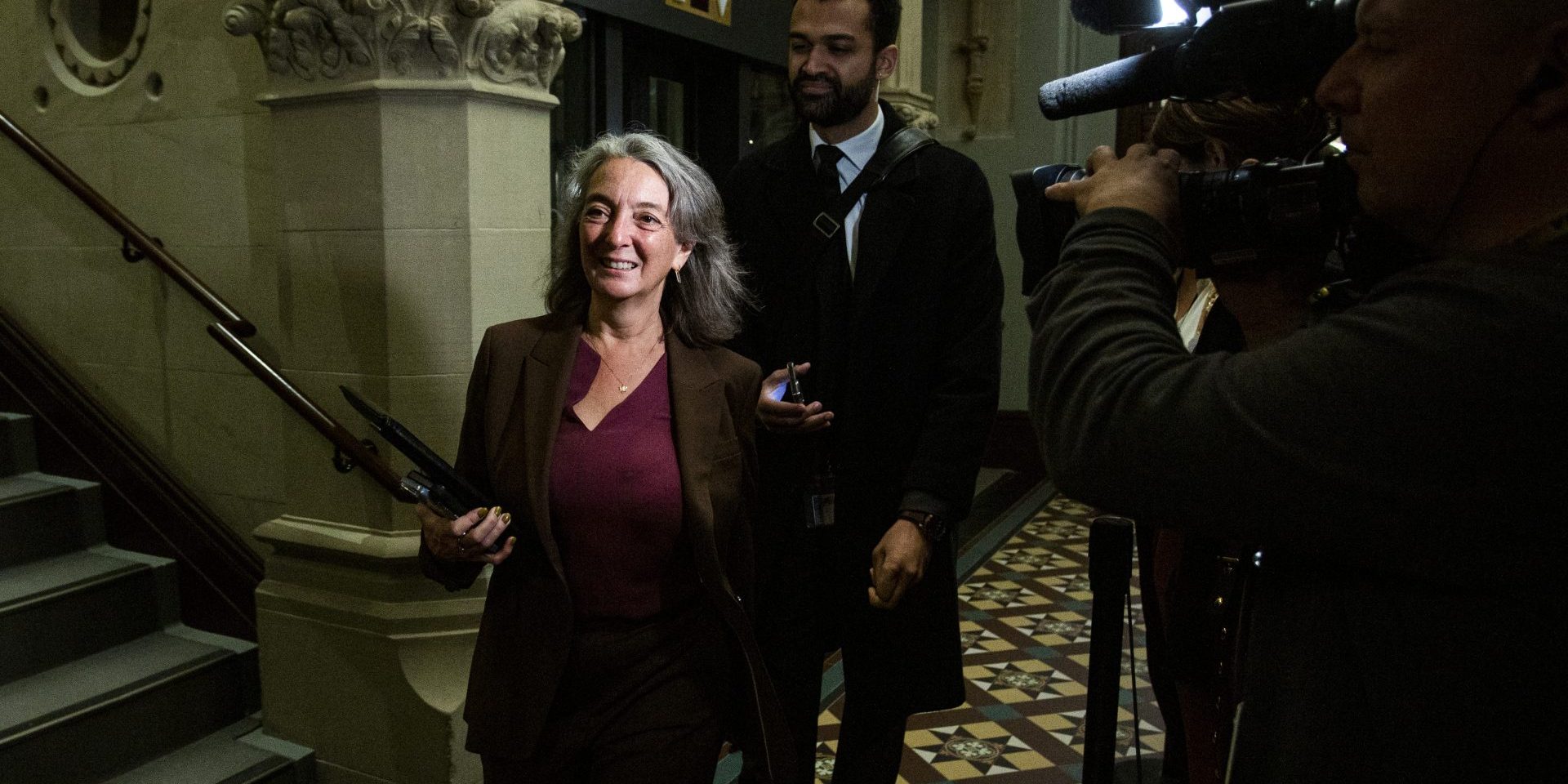
As the prime minister often says, we must deal with the world as it is, not as we wish it to be. But when it comes to Mark Carney’s calculated capitulation on climate, it simply sounds defeatist—and irresponsible.

Prime Minister Mark Carney’s Alberta deal waters down Canada’s approach to industrial carbon pricing, say environmental advocates.

Countries that are precise about how finance is delivered, who it reaches, and what it achieves will carry greater influence in a process that depends on trust.

The consequences of climate change remain an overarching, foundational, and existential threat—one we can’t continue to wait for a comfortable time to adequately address.

The implementation agreement marks another step towards the construction of a new oil pipeline running from Alberta to British Columbia’s coast.

A ‘shocking’ May 8 federal discussion paper proposes exempting projects from environmental impact assessments, and reads like a ‘fantasy wish list from the oil and gas industry,’ says one environmental advocate.

Ottawa’s new electricity strategy says efforts to double Canada’s grid capacity will cost more than $1-trillion, and will be achieved in part by linking existing power grids and ‘adjusting’ current clean electricity regulations.

In the absence of leadership from the planet’s aspiring hegemons, it’s no wonder there’s a call for the formation of coalitions of like-minded middle powers to address what are effectively threats to the planet, including global warming.

The interconnectedness of AI with all forms of energy makes the reduction of carbon emissions more complicated.

In an increasingly unstable world, climate policy that outpaces economic reality will not succeed.

The federal government has emphasized the need to build more, and build faster. Integrating climate considerations into these investments will help ensure communities are prepared for what’s ahead.

Canada is not on track to meet any of its climate targets, according to a February Canadian Climate Institute report, but Conservative Senator David Wells says it’s time to ‘let free enterprise flourish.’

The latest warnings are not of bad weather, increased heat domes, and fires, but rather of global catastrophe.

A nation is built on a set of commitments to its people about how it will ensure their well-being. The question is not whether Canada is building, but for whom, and at what cost.
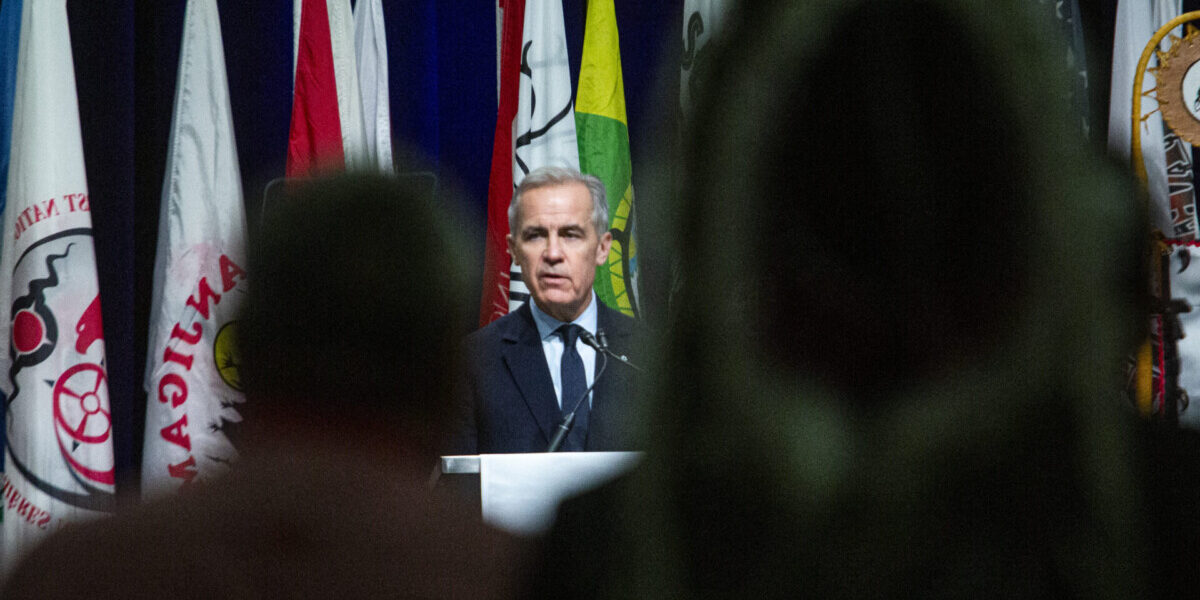
In the past, the Senate of Canada had a special committee on the Arctic, which should be reinstated.

Wildfire is not only a fire service issue; it is a housing, economic, and public health issue.

AI and military initiatives could overtake renewable energy efforts in the government’s Critical Minerals Strategy.

Environment and Climate Change Canada must follow through on the prime minister’s commitment to amend the country’s Clean Fuel Regulations.
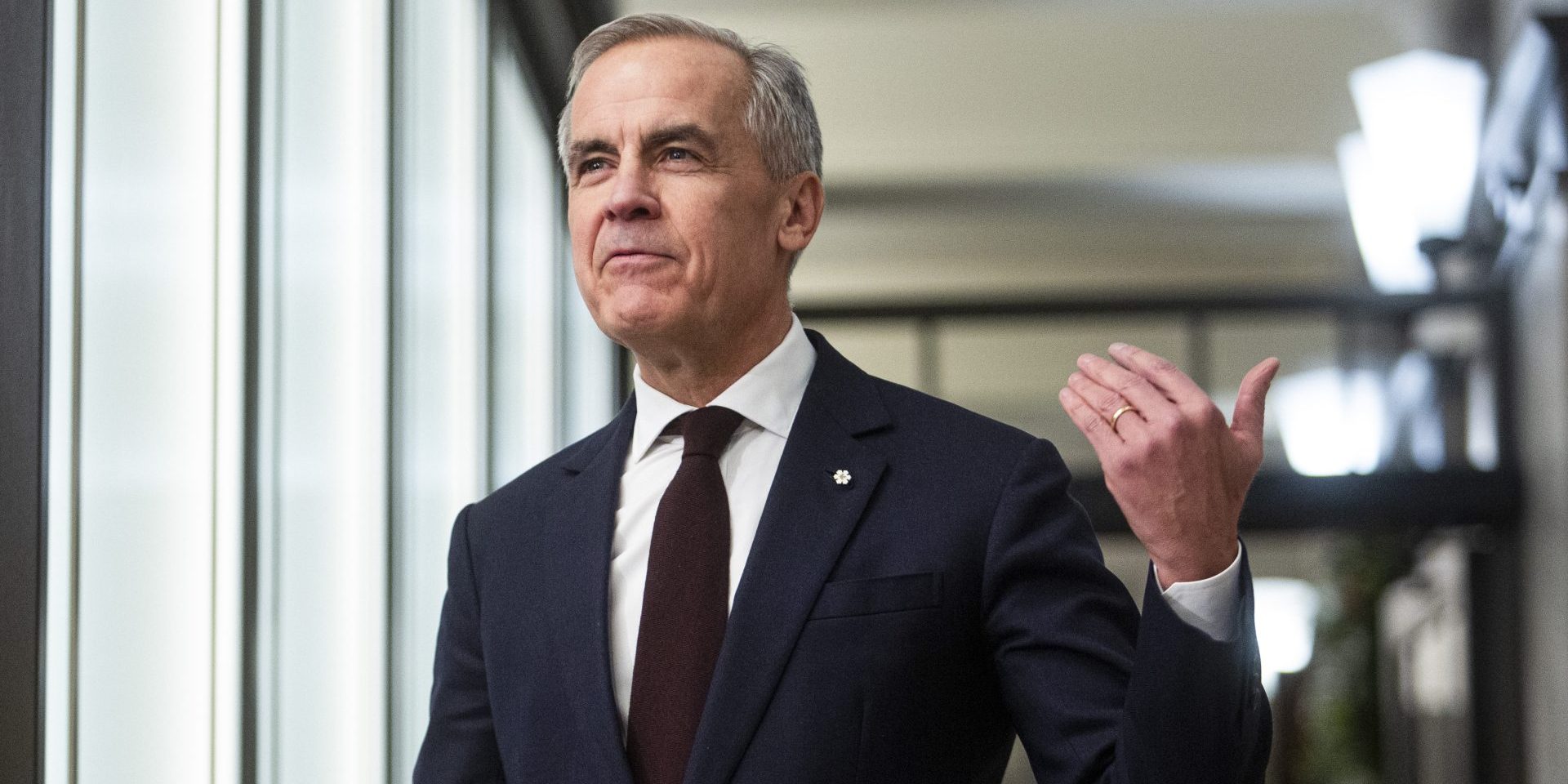
We have everything we need to succeed as a renewable energy powerhouse, now we must build on that foundation with urgency and ambition.

There is a clear risk that too much emphasis is being placed on high-risk future technologies, rather than available options that can generate more immediate emissions reductions.
Former Trudeau-era staffers say Mark Carney’s environmental policy approach is a more ‘pragmatic one,’ shaped by the trade-war with the U.S. and succeeding a decade of experimental policies under Justin Trudeau.
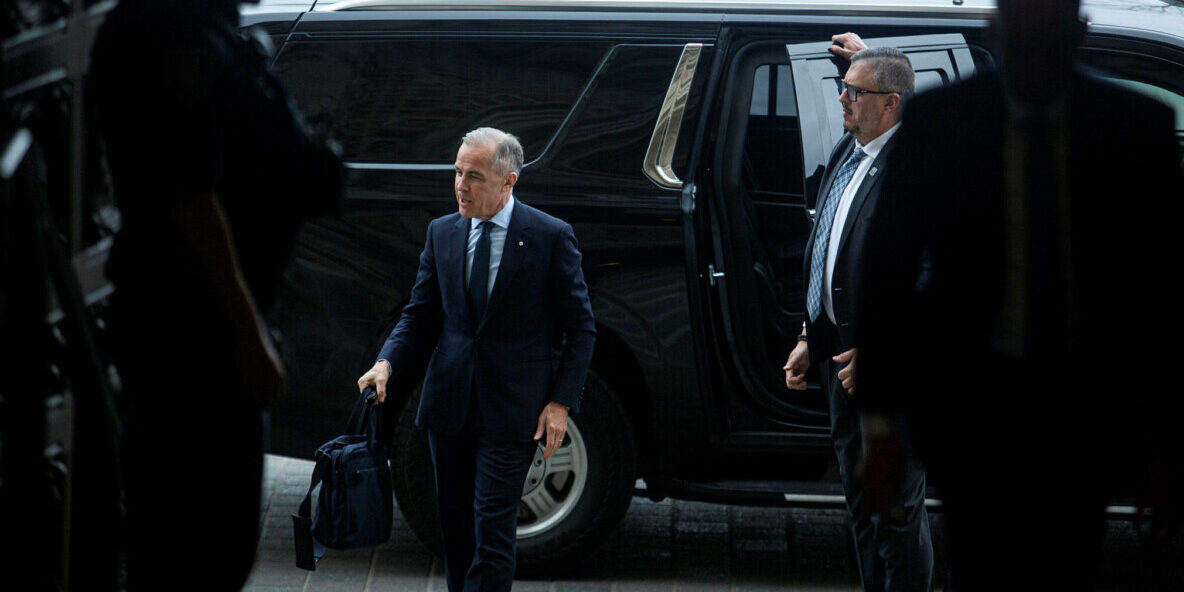
The former NDP MP and current World Wildlife Fund Canada president weighs in on the government’s new plan to conserve land and water, and the sluggish progress towards Canada’s target of protecting 30 per cent of both by 2030.
